
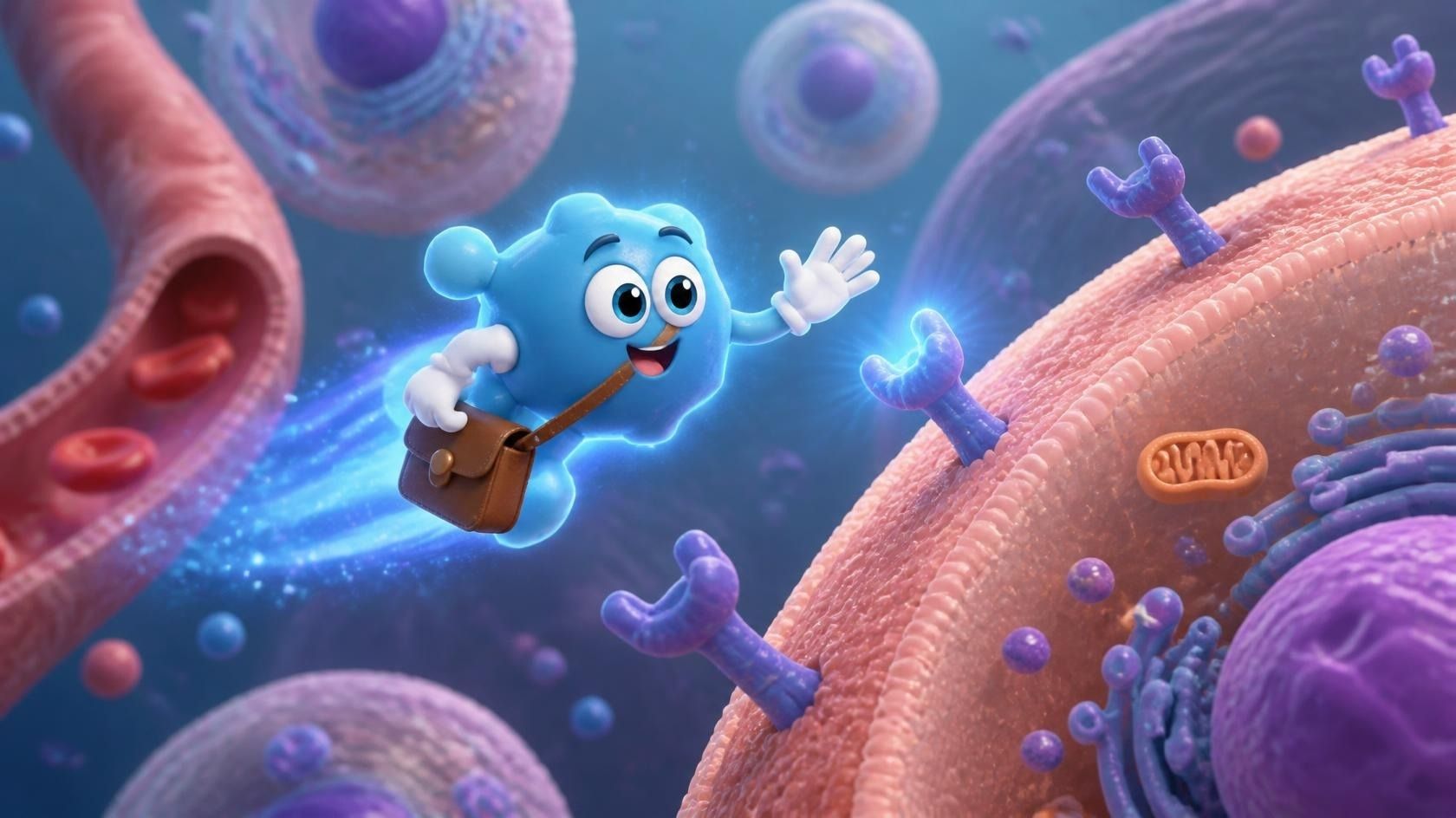
Why does the skin tend to break out after staying up late? Is it because sleep deprivation disrupts some hidden rhythm, or is there an unseen signal manipulating the sebaceous glands? And why does the heartbeat suddenly accelerate when danger approaches—is it the brain issuing commands, or some chemical messenger instantly altering the body’s rhythm?
What, then, are hormones? Are they merely secretions, or the body’s “invisible conductors”? How do they transmit messages between different organs, and how do they so precisely influence mood, metabolism, and immunity?
Hormones are minute chemical substances secreted by endocrine glands such as the thyroid, pancreas, and pituitary. Although present in very low concentrations, they transmit signals through the bloodstream, influencing organs and cells throughout the body and acting as the body’s “chemical messengers.”
In their operation, hormones circulate via the blood to reach different parts of the body, but not all cells can receive these signals. Only target cells equipped with specific receptors are able to recognize and respond to hormonal instructions. When a hormone binds to its receptor, much like a key fitting into a lock, it triggers a cascade of physiological reactions—adjusting metabolic rates, altering gene expression, or modulating enzyme activity.
Equally important, the body possesses an automatic monitoring system that continuously regulates hormone levels. Through a mechanism known as negative feedback, endocrine glands adjust secretion: reducing output when a hormone is excessive, and increasing it when levels are insufficient. This finely tuned regulation functions like a self‑adjusting thermostat, ensuring hormone concentrations remain within an optimal range and allowing the body to maintain stability and harmony under varying conditions.
Different hormones govern distinct physiological functions. Insulin, secreted by the pancreas, plays a central role in energy metabolism by helping cells absorb and utilize glucose, thereby maintaining stable blood sugar levels. Thyroxine, produced by the thyroid gland, regulates the pace of metabolism, influencing body temperature, energy expenditure, and overall vitality.
Cortisol, originating from the adrenal cortex, is often called the “stress hormone.” It adjusts immune responses and energy distribution during prolonged stress, ensuring the body remains adaptable. Melatonin, secreted by the pineal gland primarily at night, acts as the body’s “biological clock,” orchestrating the rhythm of sleep and wakefulness.
Among the sex hormones, estrogen, secreted by the ovaries, has profound effects on the female reproductive system, bone health, and cardiovascular function. Testosterone, produced mainly by the testes, drives the development of male secondary sexual characteristics and also influences muscle mass, bone density, and mood.
| Hormone | Primary Source | Function Overview |
|---|---|---|
| Insulin | Pancreas | Regulates blood sugar by promoting glucose uptake into cells and storing energy. |
| Thyroxine | Thyroid gland | Controls metabolic rate, influencing energy expenditure, body temperature, and vitality. |
| Cortisol | Adrenal cortex | Known as the stress hormone; modulates immune responses and energy distribution to help the body cope with prolonged stress. |
| Melatonin | Pineal gland | Regulates the sleep–wake cycle, maintaining the body’s biological clock. |
| Estrogen | Ovaries | Influences the female reproductive system, bone health, and cardiovascular function. |
| Testosterone | Testes (also secreted in small amounts by ovaries and adrenal glands) | Promotes male secondary sexual characteristics; affects muscle mass, bone density, and libido. |
| Ghrelin | Stomach | Stimulates appetite, promotes food intake, and regulates energy acquisition. |
| Leptin | Adipose tissue | Suppresses appetite, signals energy storage status to the brain, and helps maintain weight balance. |
| Growth Hormone | Anterior pituitary | Stimulates bone and muscle growth, regulates metabolism, and supports tissue repair. |
| Oxytocin | Hypothalamus / Posterior pituitary | Promotes uterine contractions and milk ejection; associated with bonding and trust. |
| Dopamine | Central nervous system | Linked to pleasure, motivation, and reward pathways; influences mood and behavior. |
 During moderate to high‑intensity exercise, the brain releases dopamine, which effectively alleviates stress, reduces anxiety, and lifts low mood. It also enhances focus, memory, and overall work efficiency.
Endocrine disorders refer to abnormalities in the secretion or regulation of hormones, leading to concentrations that are either too high, too low, or released at inappropriate times or proportions. Because hormones act as the body’s “chemical messengers,” coordinating metabolism, sleep, mood, immunity, and reproduction, any disruption in their balance can affect overall physiological stability.
The causes of endocrine imbalance are diverse. Common factors include:
The consequences of endocrine imbalance manifest across multiple domains. Poor blood sugar control often stems from insulin irregularities; excessive or insufficient thyroxine can accelerate or slow metabolism, affecting weight, energy, and mood; cortisol dysregulation may leave individuals in a prolonged stress state, weakening immunity and impairing sleep; and abnormalities in estrogen or testosterone can disrupt sexual development and fertility.
Hormone medications are highly valuable tools in medicine, but they must be used cautiously under professional supervision. When administered correctly according to medical guidance, they can provide significant therapeutic benefits. For example, insulin preparations help patients with diabetes regulate blood sugar; individuals with hypothyroidism rely on thyroxine supplements to maintain normal metabolism; and women experiencing menopause may use estrogen therapy to ease symptoms such as osteoporosis and hot flashes. With proper dosing and monitoring, these drugs can effectively improve health conditions and, in some cases, even save lives.
However, improper use of hormone medications can have serious consequences. Excessive use of cortisol-based drugs may weaken the immune system and cause bone loss; misuse of testosterone or estrogen can increase the risk of cardiovascular disease or tumors; and indiscriminate intake of growth hormone may disrupt metabolism and place undue strain on organs. These examples highlight that incorrect use of hormone therapies not only fails to treat disease but may also create new health problems.
Commonly used hormone medications today include: insulin preparations (for diabetes), thyroxine supplements (for hypothyroidism), cortisol-based drugs (for inflammatory and immune disorders), estrogen and progesterone formulations (for contraception or menopause therapy), testosterone supplements (for male hypogonadism), growth hormone preparations (for children or adults with growth hormone deficiency), and oxytocin injections (to facilitate childbirth or lactation).
 Some fitness enthusiasts, in pursuit of greater muscle‑building results, inject synthetic anabolic steroids (namely testosterone and its derivatives). However, misuse or improper administration can inflict severe and irreversible damage on the endocrine and cardiovascular systems.
Maintaining healthy hormonal balance in daily life depends on keeping the body’s “endocrine rhythm” stable. Regular sleep is the first priority, since the secretion of melatonin and cortisol is closely tied to the day–night cycle; chronic sleep deprivation or staying up late disrupts these rhythms, weakening immunity and affecting skin health.
Balanced nutrition is equally important. Excessive sugar and fatty foods can destabilize the regulation of insulin and leptin, while adequate protein, fiber, and healthy fats help sustain stable blood glucose and energy levels.
Moderate exercise stimulates the release of growth hormone and dopamine, supporting both tissue repair and emotional well‑being. Stress management is also crucial: prolonged tension keeps cortisol overactive, impairing sleep, immunity, and metabolism. Practices such as meditation, deep breathing, or leisure activities can help restore hormonal equilibrium.
Finally, maintaining sound lifestyle habits—such as avoiding overreliance on caffeine or alcohol and keeping a consistent daily routine—strengthens the resilience of the endocrine system and reduces the risk of imbalance.
In short, hormonal balance is not achieved through a single measure but through the combined effects of sleep, diet, physical activity, and psychological state. When these aspects remain steady, the body’s hormonal network can function automatically, sustaining health and vitality.
We leverage big data to bring you the most fascinating and mind-blowing trivia. Follow us for regular updates—prepare to be amazed while leveling up your knowledge.


Bees are among the most familiar insects to humans. They flutter among flowers, collecting nectar, and often appear to embody diligence and charm. Yet behind this gentle exterior lies a harsh law of

Giant cruise ships, cargo vessels, and oil tankers may weigh hundreds of thousands of tons, yet they can still travel freely across the sea. By contrast, a stone with a volume and weight far smaller

A breeze drifts by, as if pushing away the stifling air and bringing with it a refreshing coolness. The leaves sway in response, a gentle touch brushes the cheeks, invigorating the spirit and easing

Acne is often regarded as a troubling condition: it not only affects one’s appearance but can also subtly undermine self‑confidence. Many people, when looking in the mirror, feel anxious at the sight

Antibiotics are a class of drugs specifically designed to combat bacteria. They interfere with vital bacterial processes, such as damaging the cell wall, blocking protein synthesis, or disrupting DNA
Cocktail therapy is a strategy of combination drug treatment, built on the principle of administering medications with different mechanisms of action at the same time so that they complement one

Christianity, Catholicism, Orthodoxy and Protestantism Christianity is a faith centered on Jesus Christ, emphasizing salvation and the relationship with God. It is also one of the religions with

In human appearance, hair is often the most striking feature. It not only shapes our image but also carries cultural and aesthetic significance. Yet not everyone can maintain a full head of hair over



Follow us for quirky updates, fun discoveries, and a front‑row seat to the weird and wonderful world we live in.