
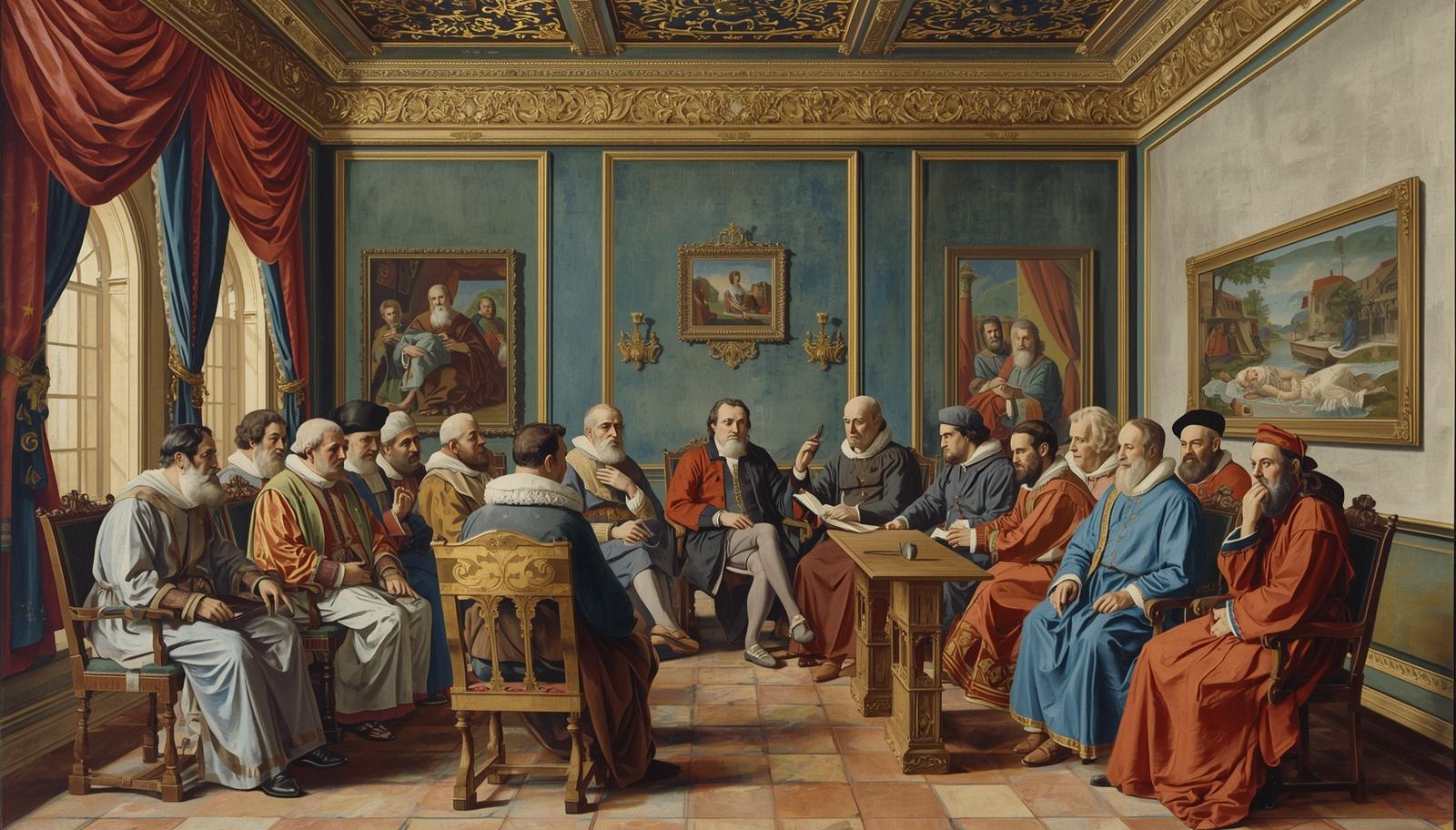
The Renaissance was a cultural and intellectual movement that arose in Europe between the fourteenth and sixteenth centuries. It first unfolded in Italian cities such as Florence, Venice, and Milan, and gradually spread across the continent.
It was not merely a renewal of artistic style, but a re‑examination of human knowledge, values, and worldviews. People began to look back to the wisdom of ancient Greece and Rome, seeking to integrate classical ideals with contemporary society and thereby forge a new cultural direction.
But what, in essence, was the Renaissance undertaking? Why did it place such emphasis on “returning to the classics”? What problems lay behind this effort? Was it aimed at challenging religious authority, at overcoming the limits of knowledge, or at addressing society’s insufficient understanding of human nature? Why did the course of history demand the necessity of a “rebirth”?
In the Middle Ages before the Renaissance, Europe was a society tightly controlled by feudal structures and religious authority. Land was the foundation of power: lords and nobles dominated the economy through the manor system, while peasants were bound to the soil, compelled to provide labor and taxes in exchange for protection.
Although this structure maintained basic order, it also produced rigid hierarchies and extremely limited social mobility. Peasants found it nearly impossible to escape the constraints passed down through generations. Cities gradually began to rise, yet commerce and craftsmanship were often hindered by feudal restrictions, and the old social framework struggled to accommodate new economic forces.
Religion held an even more exalted position in the Middle Ages. The Church was not only the center of spiritual life but also the monopoly over education, knowledge, and culture. Theology became the sole framework for explaining the world, and all thought was required to conform to religious dogma. However, as corruption, power struggles, and divisions plagued the papacy, ecclesiastical authority increasingly came under challenge.
In that era, the Black Death became one of the most devastating traumas in European society. In the mid‑fourteenth century, the plague spread rapidly, claiming millions of lives. Villages were abandoned, urban populations plummeted, and social order collapsed. People watched helplessly as relatives and friends fell one after another, yet no effective treatment or defense could be found. The whole of Europe was engulfed in fear and despair.
During this catastrophe, the Church—long regarded as the spiritual pillar—proved powerless. Clergy could not halt the spread of the plague, and prayers or religious rituals failed to bring salvation. As death drew ever closer, people began to question: did the Church truly command divine power? Was religious authority sufficient to explain such a disaster? Why could faith not provide protection? These doubts gradually accumulated in the minds of the populace, shaking the foundations of belief that had once seemed unshakable.
The intellectual world of the time was narrow and constrained, with knowledge almost entirely dependent on religion. Theology was the sole framework for interpreting the universe, human nature, and the natural world. This singular perspective, while maintaining a certain spiritual order, also created a “blind spot” in thought: people lacked independent inquiry into natural phenomena and had little trust in human reason or creativity.
As a result, the development of civilization stagnated. Scientific research was treated as subordinate to theology, philosophical reflection was confined within religious dogma, and art and literature were largely restricted to religious themes. These limitations left European society powerless when confronted with real challenges: plague, war, and economic tensions arose in succession, yet prevailing thought could offer neither new explanations nor solutions.
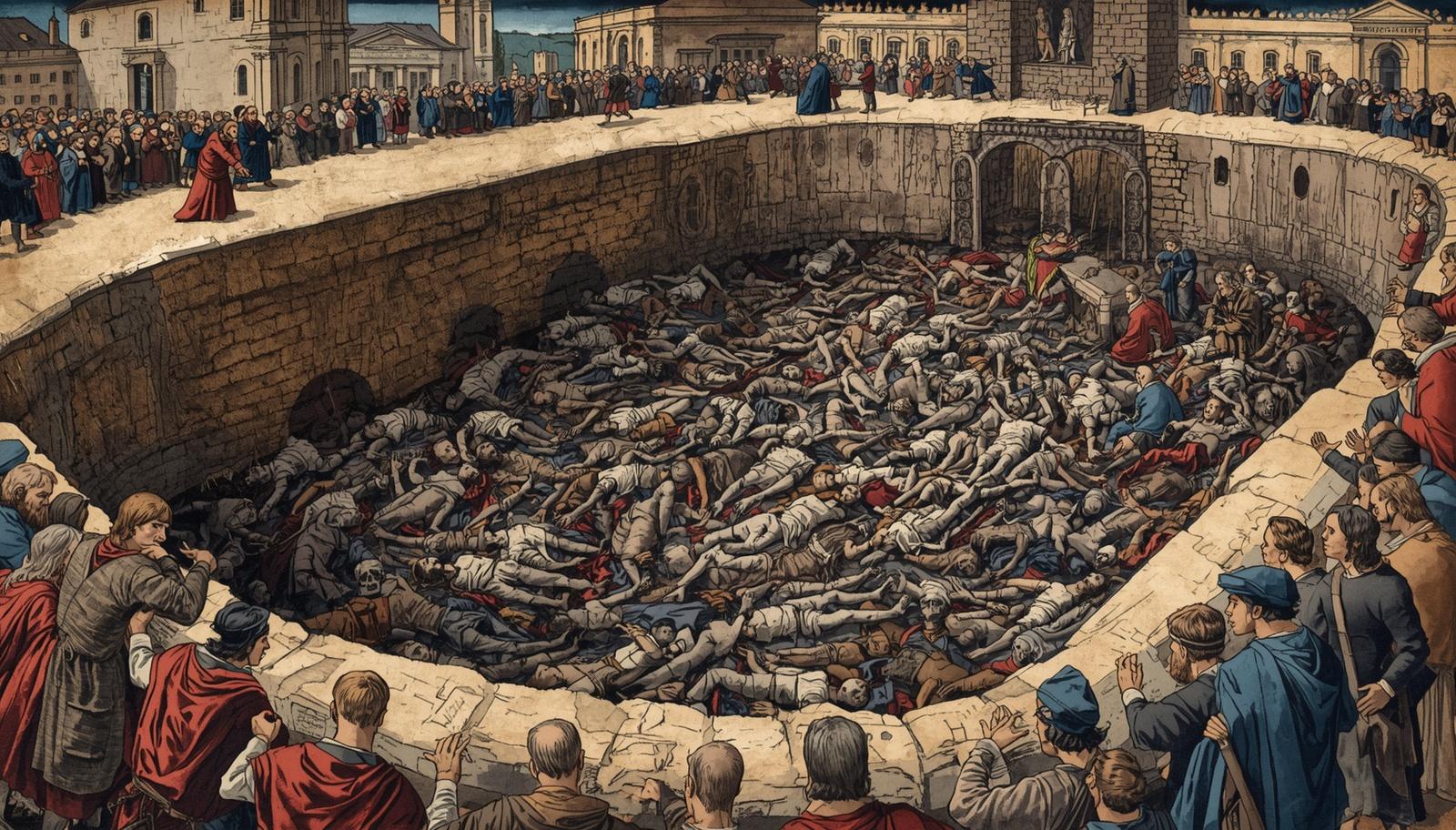 The Black Death devastated medieval Europe, inflicting destructive blows on multiple fronts and becoming one of the key factors that prompted profound reflection among the people of the time.
After centuries of accumulated problems in the Middle Ages, European society gradually entered a period of intellectual awakening. People began to realize that long‑standing reliance on feudal structures and religious authority could not truly resolve the hardships of reality. The devastation of the Black Death, the Church’s failure, economic contradictions, and the stagnation of knowledge all led to profound doubts about the existing order.
Humanism arose in this very context. It emphasized human dignity, reason, and freedom, advocating a return to the wisdom of classical civilization and placing “man” at the center of thought and culture. During the Renaissance, humanism exerted a multifaceted influence: it was not merely an intellectual trend but a driving force behind Europe’s civilizational transformation.
In the arts, humanism inspired artists to focus on the human figure, striving for accurate proportions, perspective, and emotional expression. Painting ceased to be solely symbolic of religion and became a stage for depicting humanity, nature, and beauty. Sculpture and architecture likewise drew upon classical ideals, highlighting harmony, balance, and rational aesthetics.
In science, humanism encouraged people to understand the world through observation, experimentation, and rational inquiry. Astronomy, medicine, and mathematics gradually broke free from theological constraints, as scientists proposed new hypotheses that challenged traditional cosmologies. This spirit of exploration was a concrete manifestation of humanism’s commitment to placing human reason at the core.
In politics, humanist thought promoted an emphasis on public responsibility and civic participation. Politics was no longer merely a contest between royal and ecclesiastical power, but increasingly concerned itself with human rights, social order, and the legitimacy of governance. This focus on human value and dignity laid the intellectual foundation for later developments in democracy and the rule of law.
After the eruption of Renaissance and humanist thought, European society did not immediately move toward stability. Instead, it gradually entered the Scientific Revolution and the Age of Enlightenment, beginning several centuries of upheaval and realignment. The old feudal order steadily disintegrated, while conflicts between royal power and ecclesiastical authority intensified. The Reformation further ignited prolonged divisions and wars.
The liberation of thought brought new hope, yet at the same time challenged established structures, plunging Europe into fierce political and religious struggles. The painful costs included bloody wars, the persecution of thinkers and scientists, and the suffering endured by society amid chaos.
First, religious wars and political conflicts exacted a tremendous toll on Europe. The Thirty Years’ War led to severe depopulation in the German lands, economic ruin, and the collapse of social order. England’s civil war and struggles over royal power, as well as the bloodshed and reign of terror during the French Revolution, were all painful ordeals that Europe had to endure in its pursuit of new institutions.
Second, the sacrifices of thinkers and scientists highlighted the clash between reason and authority. Galileo was tried and placed under house arrest for supporting heliocentrism; Voltaire was forced into exile for his critique of religious superstition; Rousseau was ostracized for his radical ideas. These persecutions revealed that advocates of new thought often had to pay with personal freedom or even their lives before reason could gradually gain acceptance in society.
Third, social upheaval and the suffering of ordinary people were also part of the cost. Prolonged wars and revolutions subjected common folk to famine, plague, and economic collapse. Cities and villages were destroyed in the conflicts, and people struggled amid chaos. Yet these hardships became catalysts for Europe’s gradual reconstruction of order.
It was precisely these painful sacrifices that led Europe to recognize the necessity of building more stable institutions and more reliable foundations of knowledge. As reason slowly replaced superstition, law replaced absolutism, and education became more widespread, Europe began to move toward stability. This stability was not free of contradictions, but it was forged through trials of blood and fire, laying the groundwork for the Industrial Revolution to come.
Scientific Revolution (16th–17th centuries)
Age of Enlightenment (17th–18th centuries)
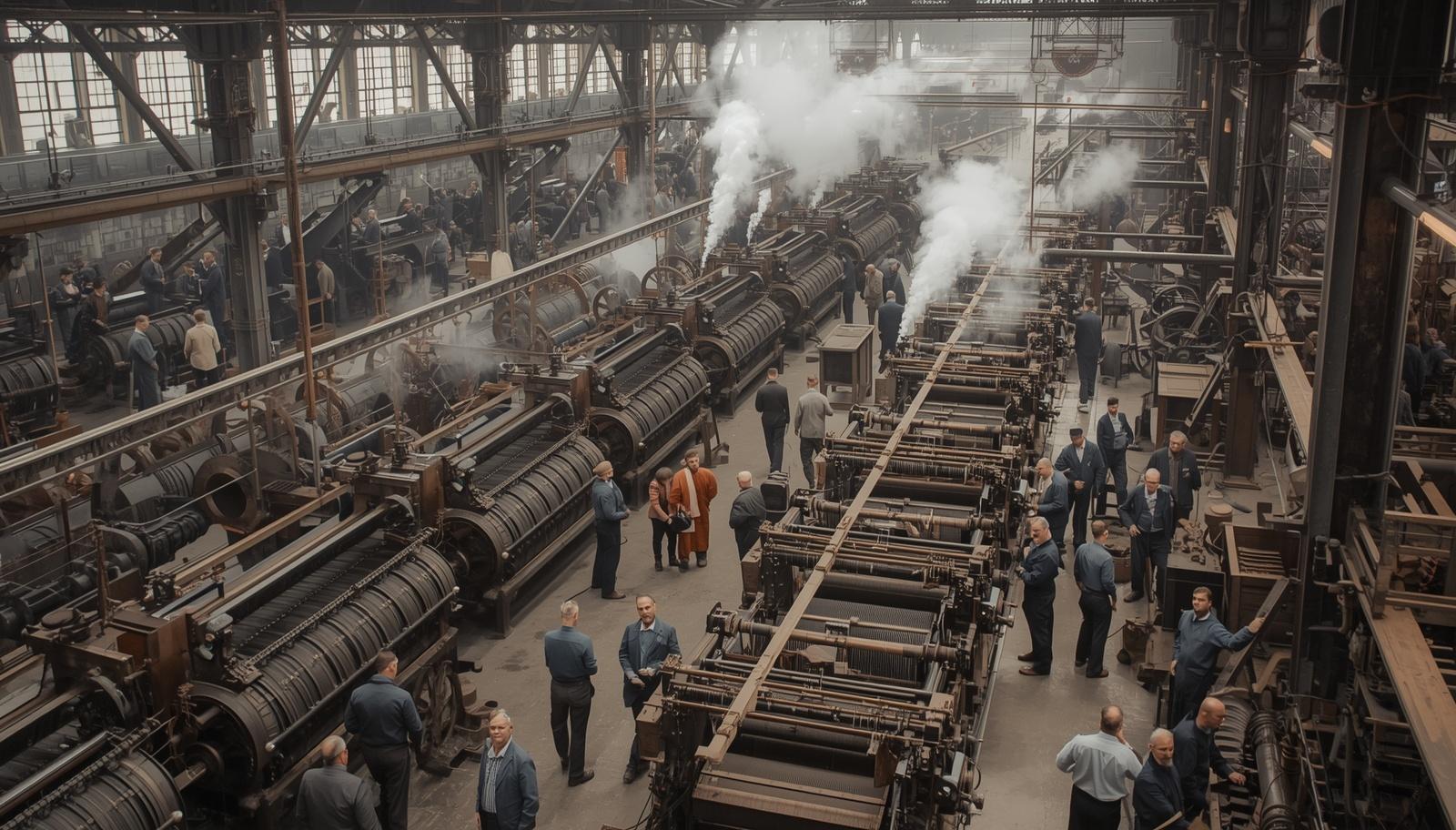 The Renaissance ignited the spark of humanism, and only after centuries of religious clashes, the Scientific Revolution, the Enlightenment, and countless political struggles did modern society gradually break free from the old frameworks of theocracy and absolutism.
Europe’s need for the Renaissance stemmed from the long Middle Ages, when feudal structures and religious authority tightly controlled people’s lives and thoughts. Knowledge was confined to monasteries and the Church, human reason and creativity were suppressed, and society stagnated. The Renaissance emerged as a reaction against this rigidity: it reaffirmed human dignity and potential, returned to classical wisdom, and placed humanist ideals at the center, opening the door to intellectual liberation.
Yet this liberation of thought did not come without cost. The subsequent Reformation, Scientific Revolution, Enlightenment, and political upheavals brought centuries of turmoil and bloodshed. Ordinary people endured war, plague, famine, and power struggles, while thinkers and scientists often faced persecution and censorship. These hardships, however, proved to be an unavoidable trial, for only through conflict and testing could the old feudal chains and religious prisons be broken.
This arduous process laid a new foundation for European society. Reason gradually replaced superstition, law supplanted absolutism, and education and commerce spread more widely. As these achievements accumulated, Europe gained the capacity to embrace the Industrial Revolution, transforming science and technology into productive power and advancing along the path to becoming an industrial stronghold.
Looking back, one cannot help but reflect: the necessity of the Renaissance lay in the liberation of thought, while the ensuing turmoil and sacrifice were inevitable trials. It was precisely this persistence and sacrifice that secured later prosperity and progress, enabling Europe to step onto the stage of the modern world as a driving force of civilization.
We leverage big data to bring you the most fascinating and mind-blowing trivia. Follow us for regular updates—prepare to be amazed while leveling up your knowledge.



The supermarket shelves are filled with an overwhelming variety of alcoholic beverages, and as consumers, we are often accustomed to simply purchasing ready-made products. Yet one may wonder: is it

Giant cruise ships, cargo vessels, and oil tankers may weigh hundreds of thousands of tons, yet they can still travel freely across the sea. By contrast, a stone with a volume and weight far smaller

Earthquakes often exact a heavy toll, not only causing casualties but also destroying houses, roads, and infrastructure, plunging entire communities into chaos and loss. In an instant, people may

A well is one of humanity’s earliest water‑drawing facilities. Its primary function is to bring groundwater to the surface, supplying people with drinking water, irrigation, and everyday use. Because
Many people tend to confuse “bacteria” and “viruses” when talking about them. Some believe that a common cold must be caused by a bacterial infection and that taking antibiotics will cure it; others

The chicken’s body is likewise covered with feathers and equipped with wings, giving the outward impression of being suited for flight. Yet why is it that they cannot soar into the sky like other

Radar has an exceptionally wide range of applications, capable of precisely determining an object’s position, distance, and velocity. Its powerful effectiveness becomes even more evident under
The Maya civilization was once highly advanced, achieving remarkable accomplishments in science and technology that surpassed many contemporary cultures. Yet, why was it still invaded and ultimately


Follow us for quirky updates, fun discoveries, and a front‑row seat to the weird and wonderful world we live in.