

Acne is often regarded as a troubling condition: it not only affects one’s appearance but can also subtly undermine self‑confidence. Many people, when looking in the mirror, feel anxious at the sight of red, swollen spots or pimples on their face, and even sense that they have lost their radiance in social settings.
But how exactly does acne develop? Why do some individuals seem particularly prone to it? Is it because their skin naturally produces more sebum? Or do certain genes make their hair follicles more susceptible to blockage? Could lifestyle choices, dietary habits, or even psychological stress play a decisive role in this process?
Acne does not arise from a single cause; rather, it is the cumulative outcome of several interconnected processes: excessive sebum production, abnormal follicular keratinization, proliferation of Cutibacterium acnes, and immune‑mediated inflammation.
The first step is excessive sebum secretion: under hormonal or other stimuli, the sebaceous glands produce more oil than the skin requires. While sebum normally helps maintain skin softness, an excess tends to accumulate at the follicular opening.
Next comes abnormal keratinization of the follicle: keratinocytes at the follicular opening fail to shed properly and instead build up, combining with sebum to form a plug. This plug obstructs the pore, turning the follicle into a closed, poorly ventilated space.
Within this environment, Cutibacterium acnes proliferates rapidly. Although this bacterium naturally resides on the skin surface, the oil‑rich, enclosed follicle allows it to multiply extensively. It breaks down sebum and releases irritating by‑products, which damage the follicular wall and destabilize the local tissue.
Finally, the body initiates an immune‑inflammatory response: white blood cells migrate to the follicle, releasing inflammatory mediators to combat the bacteria. The outcome is localized redness, swelling, pain, and sometimes pus formation. Collectively, these processes manifest on the skin surface as the acne lesions we recognize.
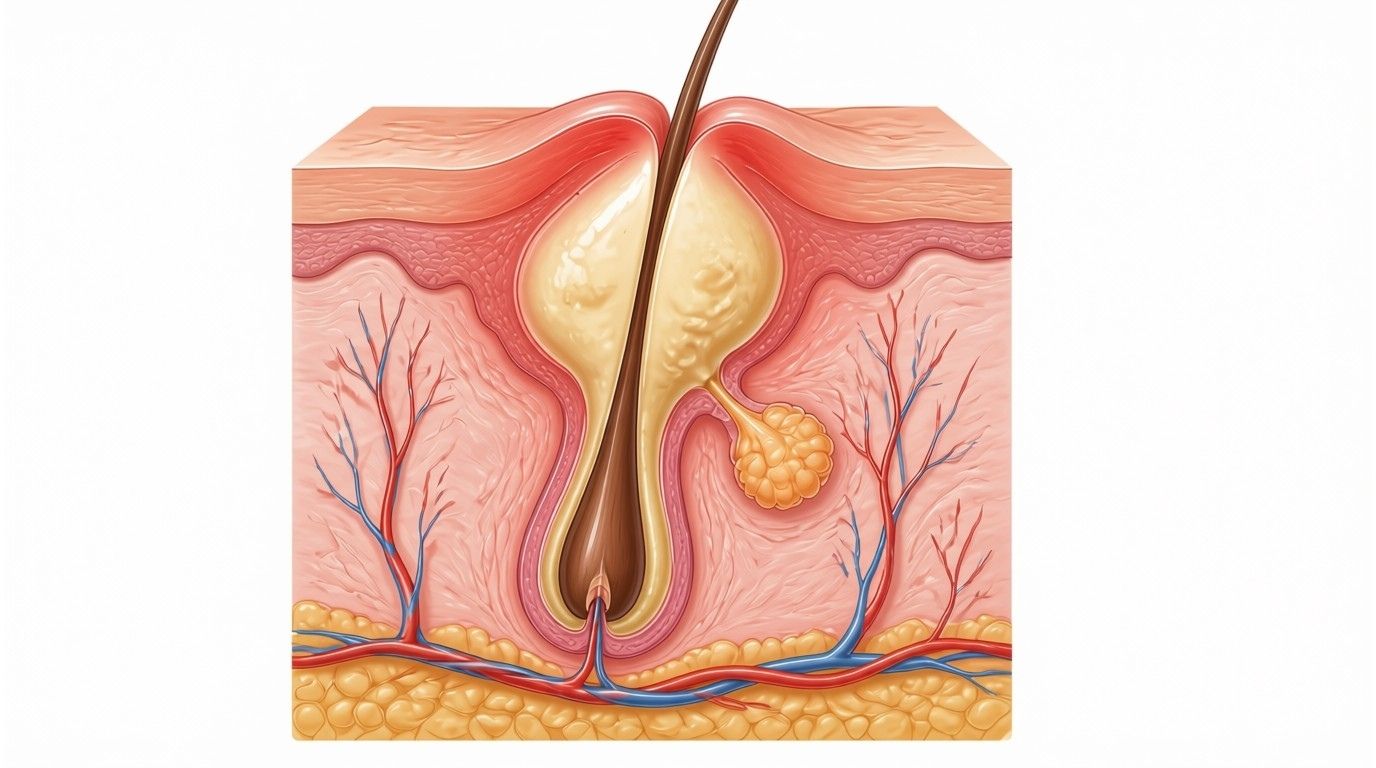 Keratin plugs block the pores, Cutibacterium acnes proliferates rapidly, and the body initiates an immune‑inflammatory response, resulting in acne.
The predisposition to acne is often closely tied to genetic inheritance. Some individuals are born with genetic variations that shape the skin’s environment, and these variations can increase the likelihood of developing acne through multiple mechanisms.
To begin with, certain genes influence the activity of sebaceous glands. Inheriting genes that drive heightened sebum secretion makes the skin more prone to producing excess oil, laying the groundwork for pore blockage. In addition, genes related to keratinization may differ, causing keratinocytes at the follicular opening to accumulate more readily, which leads to plug formation.
Genes involved in immune regulation also play a significant role. For some people, genetic factors make the immune system react more intensely to Cutibacterium acnes, triggering excessive inflammation that results in redness and pain. Conversely, other genetic variations may weaken immune responses, allowing bacteria to proliferate more easily.
In addition, differences in hormone receptor genes can further shape acne susceptibility. If androgen receptors are particularly sensitive to hormonal signals, sebaceous glands become more active during puberty or certain physiological states, thereby intensifying acne formation.
Hormonal fluctuations exert a profound influence on the development of acne, particularly during puberty, the menstrual cycle, or periods of stress. When androgen levels rise, the sebaceous glands are strongly stimulated, leading to a marked increase in sebum production. Excess sebum accumulates at the pore openings, creating conditions favorable for blockage.
At the same time, hormonal changes disrupt the normal rhythm of follicular keratinization. If keratinocytes fail to shed properly, they build up at the follicular opening and mix with sebum to form plugs. These plugs obstruct the pores, turning follicles into enclosed spaces that provide an ideal environment for Cutibacterium acnes to thrive.
Within these oil‑rich, poorly ventilated follicles, C. acnes multiplies rapidly, breaking down sebum and releasing irritating by‑products that damage the follicular wall. The immune system then mounts a defensive response, with white blood cells gathering and releasing inflammatory mediators, resulting in redness, swelling, pain, and sometimes pus formation.
Thus, hormonal fluctuations are not merely a hallmark of adolescence; they intensify acne formation on multiple levels, amplifying the processes that lead to visible lesions.
When a person regularly consumes foods high in sugar or with a high glycemic index—such as desserts, sugary drinks, or refined starches—blood glucose rises rapidly, stimulating insulin secretion. Elevated insulin levels not only affect metabolism but also enhance androgen activity, which in turn drives the sebaceous glands to produce more oil.
Excessive intake of dairy products is also thought to be linked to acne susceptibility. Hormones or growth factors present in dairy may interfere with the body’s hormonal balance, making sebaceous glands more active. In addition, some individuals react sensitively to lactose or milk proteins, which can further intensify inflammatory tendencies in the skin.
Fried or high‑fat foods likewise influence skin condition. These foods can increase oxidative stress within the body, amplifying inflammatory responses. When the immune system reacts to the presence of Cutibacterium acnes, the degree of inflammation may be heightened by dietary factors, resulting in acne that appears redder, more swollen, and more painful.
Stress and insufficient sleep make individuals more prone to acne, primarily due to the effects of cortisol, the stress hormone. When a person experiences prolonged tension or anxiety, the adrenal glands secrete large amounts of cortisol. While cortisol helps the body cope with stress, it also indirectly stimulates androgen activity, which drives the sebaceous glands to produce more oil.
Cortisol further disrupts the balance of the immune system. Persistently elevated cortisol levels can cause immune responses to become dysregulated: on one hand, they may trigger excessive inflammation, worsening redness and swelling; on the other, they may weaken local defenses, allowing Cutibacterium acnes to proliferate more easily. This imbalance makes acne harder to control.
Sleep deprivation intensifies these effects. Under normal circumstances, cortisol follows a daily rhythm, declining at night to allow the body to enter a repair state. However, insufficient or irregular sleep keeps cortisol levels elevated, preventing the skin from undergoing proper repair and slowing keratinocyte turnover, which increases the likelihood of clogged pores. Added oxidative stress further amplifies inflammation, making acne more severe.
Together, stress and lack of sleep gradually shape a physiology more prone to acne. This explains why many people experience sudden breakouts during exam periods, heavy workloads, or prolonged insomnia.
Improper skincare practices often play a significant role in worsening acne. Over‑cleansing or using overly harsh cleansers can damage the skin’s natural barrier and compromise the stratum corneum. Once this protective layer is disrupted, the skin compensates by producing more sebum, leading to excess oil and a higher likelihood of clogged pores.
Using unsuitable skincare products—such as heavy creams or cosmetics containing comedogenic ingredients—can also obstruct pore openings. Residual substances mix with sebum to form plugs, creating a breeding ground for Cutibacterium acnes. Incomplete makeup removal further aggravates this problem by leaving pore‑blocking residues behind.
Unbalanced skincare habits contribute as well. Focusing solely on oil control while neglecting hydration can push the skin into a dehydrated state, which paradoxically stimulates sebaceous glands to secrete more oil. Likewise, frequent exfoliation may strip away too much of the stratum corneum, weakening the skin barrier and making inflammatory responses easier to trigger.
This explains why some individuals, despite being diligent with skincare, end up worsening their skin condition when their methods are misguided.
 Each person’s skin type varies, so skincare products must be chosen individually to suit one’s own complexion. Selecting the most appropriate products helps prevent pore blockage and reduces the risk of acne.
When dust, pollutants, or grease particles from one’s living or working environment remain on the skin surface for extended periods, pores are more easily obstructed. These impurities mix with sebum to form plugs that block follicular openings, creating an ideal breeding ground for Cutibacterium acnes.
In addition, bacteria and pollutants in the environment can directly irritate the skin, damaging the barrier function of the stratum corneum. Once the barrier is compromised, the immune system is more readily triggered, intensifying inflammatory responses. In such cases, acne may worsen even if sebum production is not particularly high.
Furthermore, prolonged exposure to humid or high‑temperature conditions causes the skin to sweat more. Sweat mixed with impurities accelerates pore blockage. If cleansing is not timely, residual sweat and pollutants on the skin surface further irritate follicles, increasing the likelihood of redness and inflammation.
When the pus inside an acne lesion is expelled, it can indeed make the acne appear to heal more quickly. This is because pus is essentially a mixture of dead white blood cells, bacteria, and sebum. Its accumulation within the follicle creates pressure and inflammation.
Once these substances are released, the internal pressure of the follicle decreases, the surrounding tissue experiences temporary relief from inflammation, and redness and pain may subside. With the obstruction removed, the follicular opening reopens, allowing the skin’s repair mechanisms to proceed more smoothly. As a result, the acne seems to resolve faster on the surface.
However, squeezing acne without proper instruments or technique often fails to remove all the pus without damaging the skin. This can rupture the follicular wall and lead to more severe infection or scarring.
Doctors generally advise against squeezing acne because, although it may expel pus temporarily, it carries multiple risks. The force applied can push pus and bacteria deeper into the skin, spreading inflammation and potentially forming larger cysts or nodules, which worsens the condition.
Moreover, if fingers or tools are not thoroughly disinfected, new bacteria may be introduced into the wound, aggravating infection. This “secondary contamination” can turn a simple acne lesion into a more serious skin problem. In addition, squeezing disrupts the follicular wall and surrounding tissue, increasing the likelihood of scars or post‑inflammatory hyperpigmentation. Many people who habitually squeeze acne end up with permanent marks on their face.
Current clinical treatments for acne are diverse, each targeting different pathogenic factors. Common approaches include topical agents such as benzoyl peroxide and antibiotic creams, which suppress bacterial growth and reduce inflammation; hormone‑related therapies, which regulate internal hormone levels to decrease sebaceous gland activity; optical or laser treatments, which use energy to destroy bacteria or improve keratinization; and lifestyle adjustments, such as improving diet and sleep, to reduce triggering factors.
Among these, one of the most representative therapies is isotretinoin. Oral isotretinoin is regarded as the “ultimate treatment” for acne, primarily reserved for moderate to severe cases that respond poorly to other methods.
The core action of isotretinoin lies in its comprehensive suppression of sebaceous gland function. It markedly reduces sebum secretion, cutting off the primary source of pore blockage. At the same time, it regulates the process of follicular keratinization, ensuring keratinocytes shed normally and preventing plug formation. Together, these effects create a follicular environment far less conducive to the proliferation of Cutibacterium acnes.
Equally important, isotretinoin exerts anti‑inflammatory and immunomodulatory effects. It dampens the immune system’s excessive response to bacterial by‑products, alleviating redness, pain, and pus formation. This not only improves the appearance of acne but also reduces the risk of post‑inflammatory pigmentation and scarring.
A distinctive feature of isotretinoin is that it does more than simply control symptoms—it can permanently alter the structure and function of sebaceous glands. After completing a treatment course, many patients experience long‑term suppression of gland activity, with acne failing to recur, an outcome rarely achieved by other medications.
Nevertheless, isotretinoin requires caution. It may cause dryness of the skin and lips, photosensitivity, and can affect liver function and lipid levels, necessitating strict medical supervision and regular blood tests. For female patients, isotretinoin carries a risk of teratogenicity, making rigorous contraception essential during treatment.
In summary, isotretinoin is considered the “ultimate treatment” for acne because it simultaneously addresses four fundamental mechanisms—sebum production, keratinization abnormalities, bacterial proliferation, and inflammatory response—while offering long‑lasting benefits. Yet its powerful effects demand careful oversight by medical professionals to ensure both safety and efficacy.
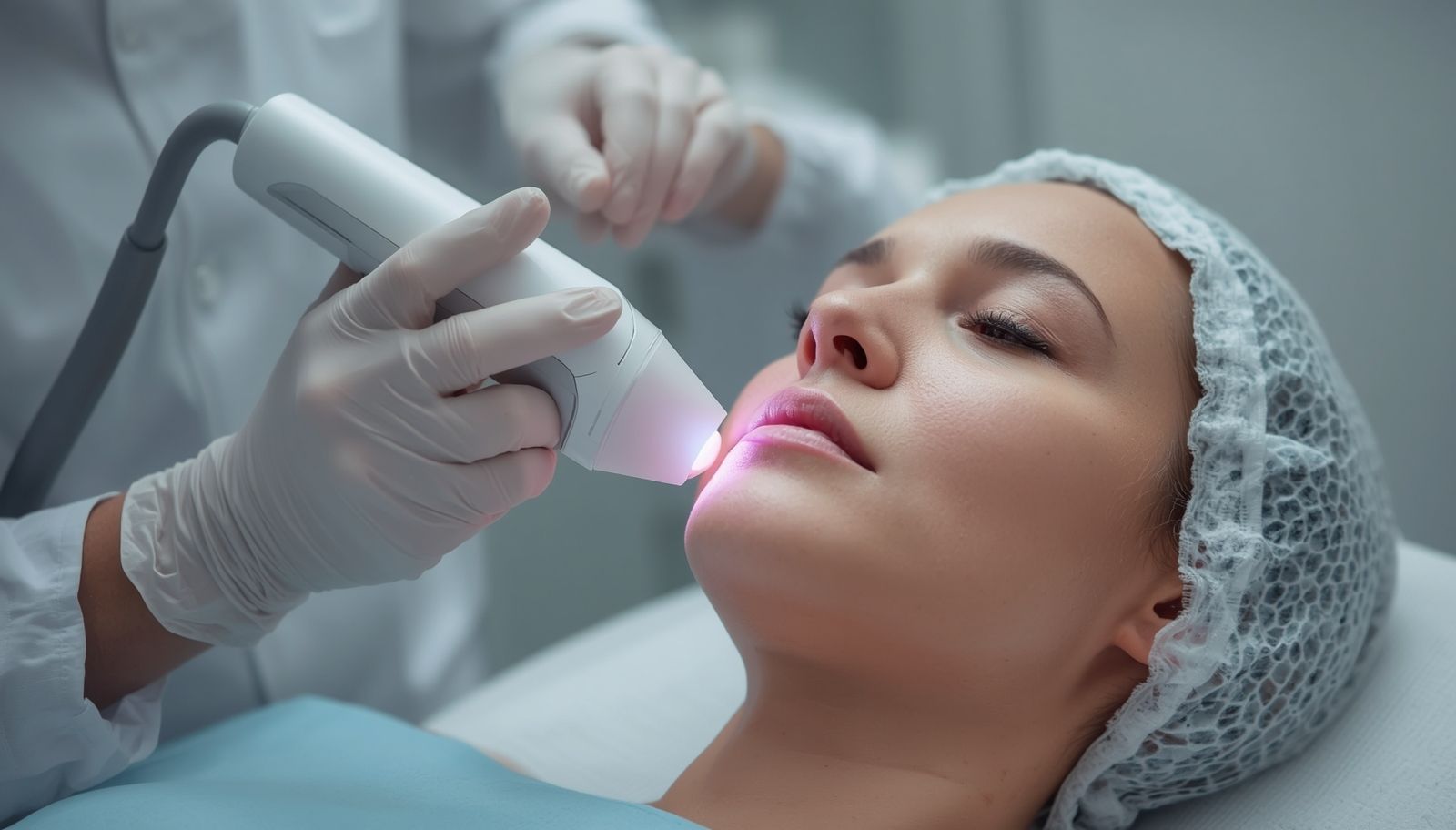 If acne unfortunately leaves scars, laser treatment can effectively fade or smooth them, helping restore the skin to its normal condition.
We leverage big data to bring you the most fascinating and mind-blowing trivia. Follow us for regular updates—prepare to be amazed while leveling up your knowledge.



The supermarket shelves are filled with an overwhelming variety of alcoholic beverages, and as consumers, we are often accustomed to simply purchasing ready-made products. Yet one may wonder: is it

There are many different kinds of vinegar in the world, ranging from fruit vinegar and rice vinegar to wine vinegar and white vinegar, each with its own distinctive flavor and use. Fruit vinegar

The current global situation of myopia has become a significant public health issue. With the advance of urbanization and the widespread use of technology, human lifestyles have undergone profound

The chicken’s body is likewise covered with feathers and equipped with wings, giving the outward impression of being suited for flight. Yet why is it that they cannot soar into the sky like other

Atoms are the fundamental units that make up all matter in the world. They are so small that they cannot be seen with the naked eye, yet they are the building blocks of everything. At the center of

The Renaissance was a cultural and intellectual movement that arose in Europe between the fourteenth and sixteenth centuries. It first unfolded in Italian cities such as Florence, Venice, and Milan,

Cars are the daily means of transport for many people, and during a journey it is inevitable to encounter sudden situations that require braking. But what actually happens when a car brakes abruptly

In human society, the most immediate differences often arise from appearance. Walking down the street or browsing through historical images, we find that human looks display astonishing diversity.



Follow us for quirky updates, fun discoveries, and a front‑row seat to the weird and wonderful world we live in.