
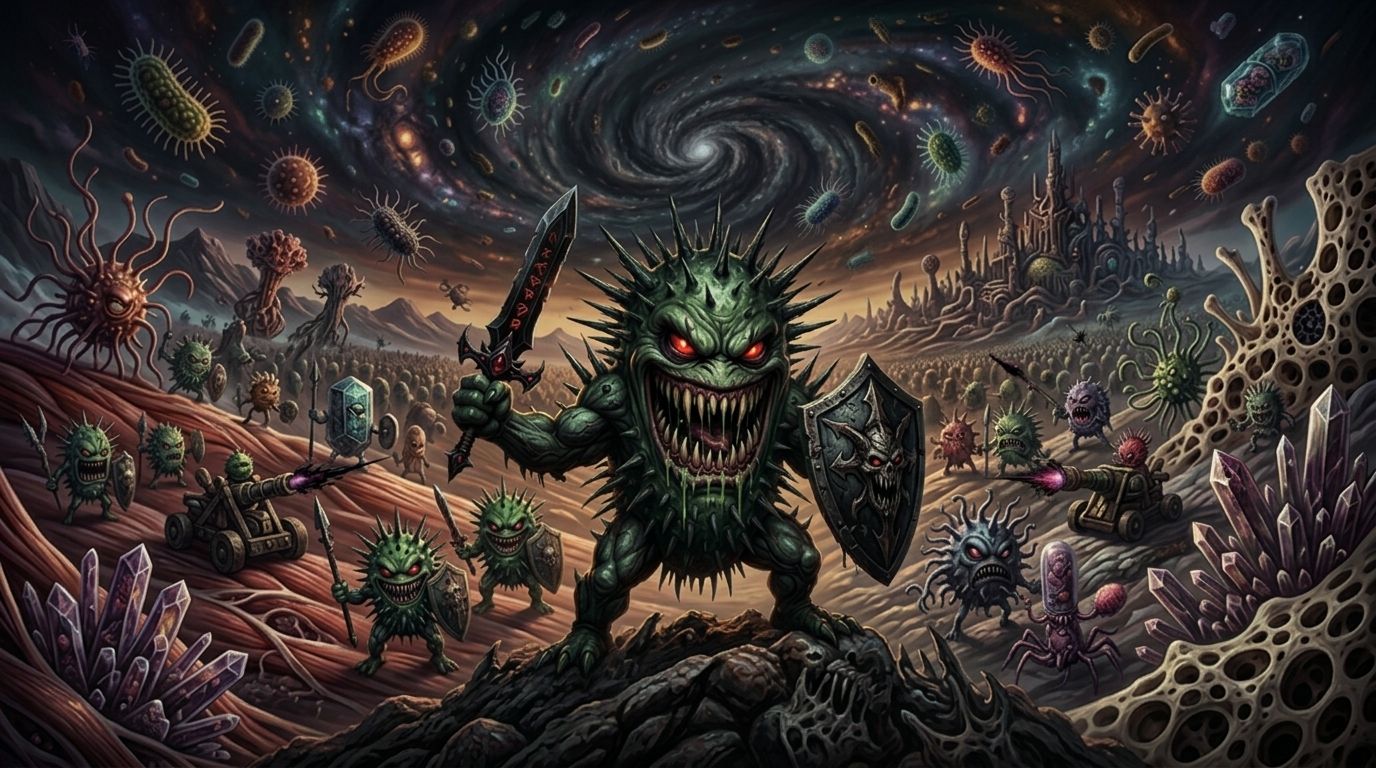
Antibiotics are a class of drugs specifically designed to combat bacteria. They interfere with vital bacterial processes, such as damaging the cell wall, blocking protein synthesis, or disrupting DNA replication. These actions deprive bacteria of their ability to survive, ultimately leading to their elimination.
Yet, when diagnosing infections, doctors often insist that patients complete the entire course of antibiotics. Why is this requirement so important? What happens to bacteria if treatment is stopped midway? How do they develop resistance?
And if bacteria truly acquire resistance, what consequences will follow?
When bacteria replicate their DNA during reproduction, occasional errors occur—these errors are mutations. Most mutations do not benefit the bacteria and may even weaken their survival, but in rare cases, certain mutations alter bacterial structures or functions in ways that allow them to resist the effects of antibiotics.
Genetic mutations in bacteria are not necessarily related to antibiotics. Random DNA errors during replication can lead to a wide range of outcomes. Some mutations may enable bacteria to withstand high temperatures or acidic environments, helping them survive under harsh natural conditions; others may impair bacterial functions, reducing competitiveness or even increasing the likelihood of death. These changes are random, without direction or purpose.
Within this vast landscape of possible mutations, only a very small fraction happen to confer antibiotic resistance. Although the probability is extremely low, the sheer number of bacteria in the world, combined with their rapid reproduction and enormous population sizes, makes these rare mutations significant and impossible to ignore.
In addition, bacteria can exchange genetic material through horizontal gene transfer, such as plasmid sharing. Plasmids often carry resistance genes, and once absorbed by another bacterium, they can quickly confer antibiotic resistance. This mechanism enables resistance to spread rapidly across different bacterial species.
 The formation of human civilization and prosperous societies is the cumulative outcome of countless genetic mutations that occurred throughout the long course of evolution.
When antibiotics enter the human body, they first act quickly against bacteria that are highly sensitive to the drug. These bacteria are eliminated in large numbers within a short time. This stage often brings rapid relief of symptoms, since the most active and fast‑replicating bacterial populations are cleared.
Next, antibiotics gradually target bacteria with moderate resistance. These strains, often due to genetic mutations or structural differences, are less sensitive to the drug and require longer exposure or higher concentrations to be destroyed. This is why treatment must continue for a certain duration—only with sustained drug presence can these moderately resistant bacteria be suppressed.
Even after completing the full course, a very small number of strongly resistant bacteria may remain. Such bacteria often carry special genetic changes, such as the ability to break down antibiotics or block drug entry into the cell, allowing them to survive. However, their numbers are extremely limited and rarely pose a large‑scale threat.
At this point, the body’s immune system takes over. Through phagocytes, antibodies, and other immune mechanisms, it surrounds and eliminates the remaining bacteria. Faced with such tiny numbers of highly resistant strains, the immune system usually completes the final clearance with ease.
In other words, antibiotics carry out the large‑scale initial clearance, reducing the overall bacterial load and buying time for the immune system, while the immune system completes the final stage of defense. Drug‑resistant bacteria are resistant to antibiotics, but they are not resistant to the human immune system.
When antibiotics are misused, or when patients fail to complete the full course of treatment, the balance of bacterial populations is disrupted. The first to be eliminated in large numbers are the highly drug‑sensitive bacteria, which are almost wiped out within a short time, the space and resources once occupied by sensitive bacteria suddenly become available.
In such an environment, the remaining moderately resistant and strongly resistant bacteria gain a survival advantage. They not only exploit the nutrients and space once occupied by the sensitive strains, but also reproduce rapidly in the absence of competition. Over time, these resistant bacteria—initially a minority—gradually become dominant within the population, replacing the sensitive strains.
As resistant bacteria rise to dominance, treatment becomes significantly more difficult. Through genetic mutations or gene exchange, they acquire the ability to withstand antibiotics, causing the drugs to lose much of their effectiveness. The patient’s condition becomes harder to control and may even deteriorate. Medications that once quickly relieved symptoms prove powerless against resistant strains, leading to persistent infection, prolonged illness, and potentially more severe complications.
What is even more concerning is that drug‑resistant bacteria do not remain confined to a single patient. If these bacteria spread into the community through the patient’s activities, they can be transmitted via contact or the environment, reaching other populations. Moreover, bacteria are capable of horizontal gene transfer, meaning resistance genes can be shared with previously non‑resistant strains. As a result, resistance can spread across broader groups. When this occurs, drug‑resistant bacteria are no longer just an individual patient’s problem but may evolve into a public health challenge.
Beyond the misuse of antibiotics, a patient’s immune status is also a critical factor. When the immune system functions normally, even if a tiny fraction of highly resistant bacteria remain after treatment, immune cells can usually surround and destroy them, clearing the infection completely. However, if the patient’s immunity is compromised—for example, due to chronic illness, malnutrition, or immunosuppressive therapy—those residual 0.1% of highly resistant bacteria may escape immune surveillance, reproduce vastly within the body.
On a broader scale, the use of antibiotics in livestock farming further exacerbates the problem. In pursuit of profit and higher yields, many animals are routinely given antibiotics—not for treating illness, but to promote growth or prevent infection. This practice exposes bacteria to antibiotics over long periods, suppressing sensitive strains while moderately and strongly resistant ones gradually gain dominance. When these resistant bacteria enter human society through the food chain or the environment, they can not only directly infect people but also exchange resistance genes with other bacteria, accelerating the spread of resistance.
 The principle of survival of the fittest is not confined to the evolutionary process of bacteria; it is a fundamental law of nature as a whole. This mechanism not only shapes biological diversity but also drives the course of evolution and the advancement of civilization.
When drug‑resistant bacteria break out in a community, the situation unfolds as a worsening chain reaction. Existing antibiotics lose their effectiveness, and the most commonly used tools in doctors’ hands can no longer suppress infections. This means that bacterial illnesses which once caused only mild symptoms may quickly escalate into severe disease. For the elderly, cancer patients, and those with weakened immunity, this shift is especially deadly—the antibiotics they once relied on to control infections no longer provide protection, and their conditions often deteriorate rapidly.
As resistant bacteria spread through the community, the number of infections rises sharply. Hospital beds, medications, and medical staff are quickly exhausted, pushing the healthcare system toward collapse. When hospitals can no longer accommodate patients, untreated cases worsen, further straining resources and creating a vicious cycle. This cycle is not only a medical issue but also a societal one, as the breakdown of hospitals signals the failure of the public health defense line.
If the problem of resistant bacteria continues to worsen, humanity’s efforts to suppress them by developing and using stronger antibiotics will, in effect, “select” for even tougher strains. This constant drug pressure allows rare resistance mutations to accumulate, eventually giving rise to “superbugs.” Superbugs are multi‑drug‑resistant bacteria capable of resisting several classes of antibiotics, often overcoming most conventional treatments and rendering commonly used drugs nearly useless.
More troubling still, neither resistant bacteria nor superbugs remain confined to a single community. They can spread rapidly through human movement, environmental contamination, or horizontal gene transfer. Once resistance genes are absorbed by other bacteria, resistance can cross species boundaries, magnifying the threat. What begins as a local outbreak can expand to cities, then nations, and ultimately evolve into a global public health crisis.
Superbugs are feared worldwide—and in fact, they are already emerging. The medical community has issued its highest‑level warnings against several notorious strains that exemplify this growing danger.
| Superbug Name | Characteristics & Resistance | Clinical Impact | Transmission Risk |
|---|---|---|---|
| MRSA (Methicillin-resistant Staphylococcus aureus) | Resistant to methicillin and multiple β‑lactam antibiotics | Causes skin infections, pneumonia, and sepsis; high mortality | Spreads in both hospitals and communities; difficult to control |
| VRE (Vancomycin-resistant Enterococcus) | Resistant to vancomycin, often carrying multiple resistance genes | Leads to urinary tract infections, endocarditis, and sepsis | Common in hospital settings; high risk for immunocompromised patients |
| CRE (Carbapenem-resistant Enterobacteriaceae) | Highly resistant to carbapenems, considered the failure of the “last line of defense” | Causes pneumonia, urinary tract infections, and sepsis; extremely high mortality | Rapidly spreads in hospitals; resistance genes transferable horizontally |
| Drug-resistant Neisseria gonorrhoeae | Resistant to cephalosporins and fluoroquinolones; very limited treatment options | Causes difficult-to-treat gonorrhea, potentially leading to infertility and complications | Sexually transmitted; global cases increasing annually |
Phages are a unique class of viruses that do not attack human cells but specifically target bacteria. When a phage encounters a suitable bacterial host, it attaches to the cell surface, injects its genetic material, and uses the bacterium’s synthesis machinery to replicate itself in large numbers, ultimately causing the bacterium to rupture and die.
Because phages act only on bacteria and do not harm human cells, they are harmless to humans. This “virus against bacteria” property has made phages an important potential strategy for combating drug‑resistant bacteria and even superbugs in the future.
What makes phages distinctive is their ability to strike bacteria with precision while simultaneously multiplying during infection. Once the target bacteria are completely eliminated, phages lose their host, and the remaining phages are naturally cleared by the human immune system. They do not persist in the body long term, making them a safe and effective antibacterial approach.
Moreover, phages are virtually ubiquitous in nature and exist in enormous numbers, found in soil, water sources, and even the human gut. They can evolve alongside bacteria: when bacteria attempt to develop new defenses, phages may adapt with new ways to overcome them, creating a dynamic balance. This means phages can not only eliminate bacteria in the short term but also maintain long‑term effectiveness against drug‑resistant strains.
In addition to phages, scientists are exploring multiple strategies to combat superbugs. One major approach is the development of new antibiotics, either through chemical modification or by identifying molecules from natural sources that can overcome existing resistance mechanisms—particularly against carbapenem‑resistant and multi‑drug‑resistant strains.
Another avenue involves antimicrobial peptides and immune enhancers. These short proteins, whether naturally occurring or synthetically engineered, can directly disrupt bacterial cell membranes, are less prone to resistance, and can also stimulate the human immune system to clear infections more effectively.
Another important direction is gene‑editing technology, such as using the CRISPR‑Cas system to precisely cut bacterial resistance genes, thereby weakening their defenses. Nanotechnology is also being pursued, with researchers designing nanoparticles that can deliver drugs or directly damage bacteria. These particles can penetrate bacterial protective barriers, achieving effects that traditional antibiotics cannot.
Finally, vaccine development represents a long‑term strategy. By creating effective vaccines against specific resistant strains, immunity can be established before infection occurs, reducing the need for antibiotics altogether.
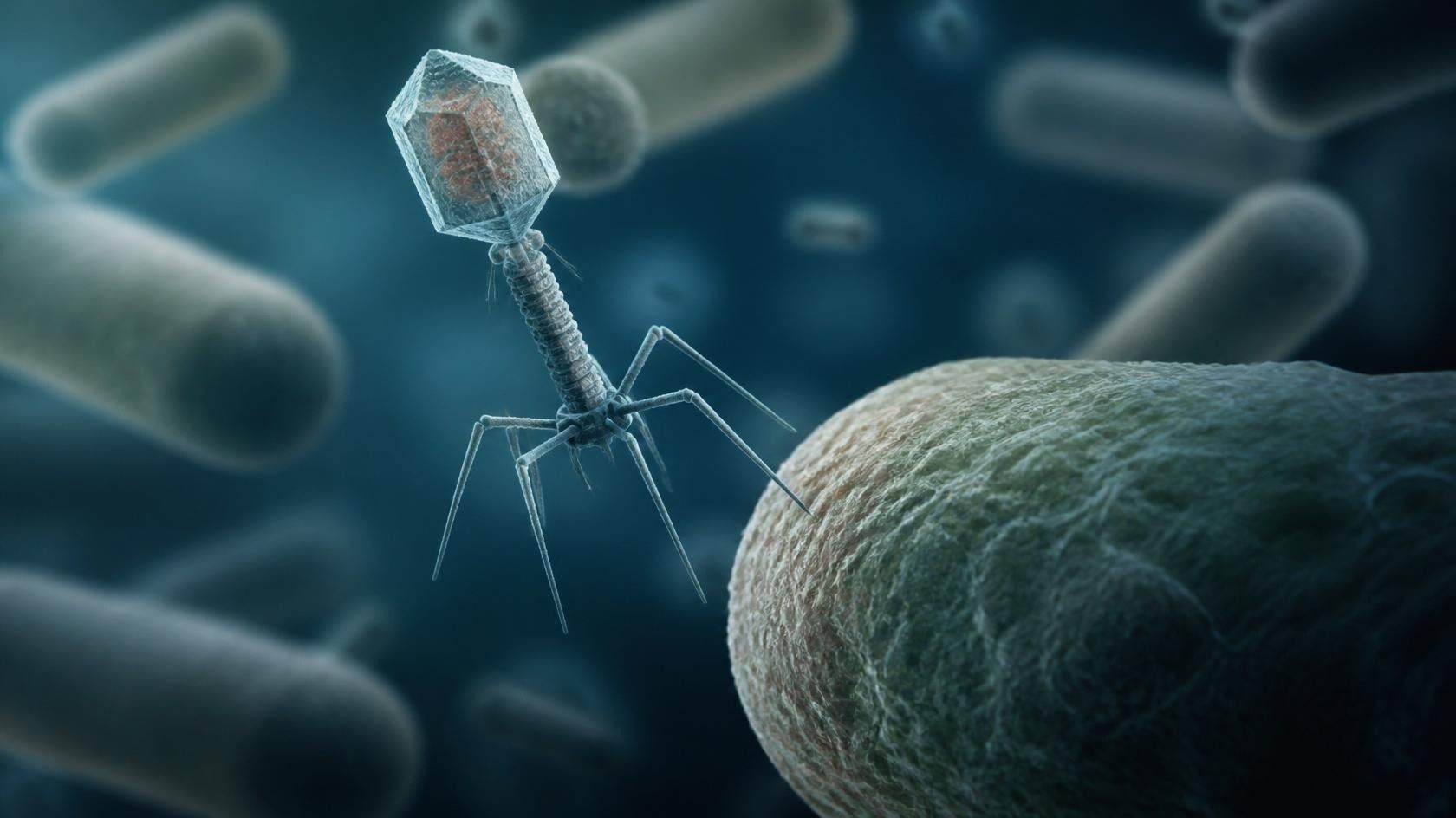 Phages are among the few viruses capable of precisely targeting bacteria, and their structures—resembling miniature machines—give them a distinctive, almost science‑fiction appearance.
We leverage big data to bring you the most fascinating and mind-blowing trivia. Follow us for regular updates—prepare to be amazed while leveling up your knowledge.



Whether bizarre and fantastical events or ordinary, trivial matters, they all appear in our dreams. Some dreams are so vivid that we remember them clearly after waking, while others vanish instantly

Many people have experienced hiccups—those sudden spasms that come in bursts and make us feel uncomfortable. If hiccups occur at the wrong moment, they can be quite embarrassing. So why do hiccups

Tattooing is a form of bodily marking that has carried multiple meanings throughout human history. In ancient societies, it could signify religious devotion, serve as a symbol of tribal identity, or

The most captivating aspect of twins lies in their striking resemblance in appearance. When encountering twins in a crowd, the first impression is the shock of seeing two faces that look almost

The motor is one of the most important tools of human civilization, contributing greatly to the functioning of society. Electric fans, subways, electric cars, elevators—the examples are countless.

In everyday life we often hear the terms “sugar” and saccharide,” “carbohydrate” and “starch.” These words appear similar, yet they are easily confused. Is sugar the same as carbohydrate? Is

For many people, trains are part of everyday life. Why is it that when you jump inside a train carriage, you land back in the same place instead of falling backward? And what happens if you jump on

The polar realms, shrouded in relentless cold and endless mystery, remain territories that most people will never set foot upon in their lifetime. The Antarctic and the Arctic lie at opposite ends of



Follow us for quirky updates, fun discoveries, and a front‑row seat to the weird and wonderful world we live in.