
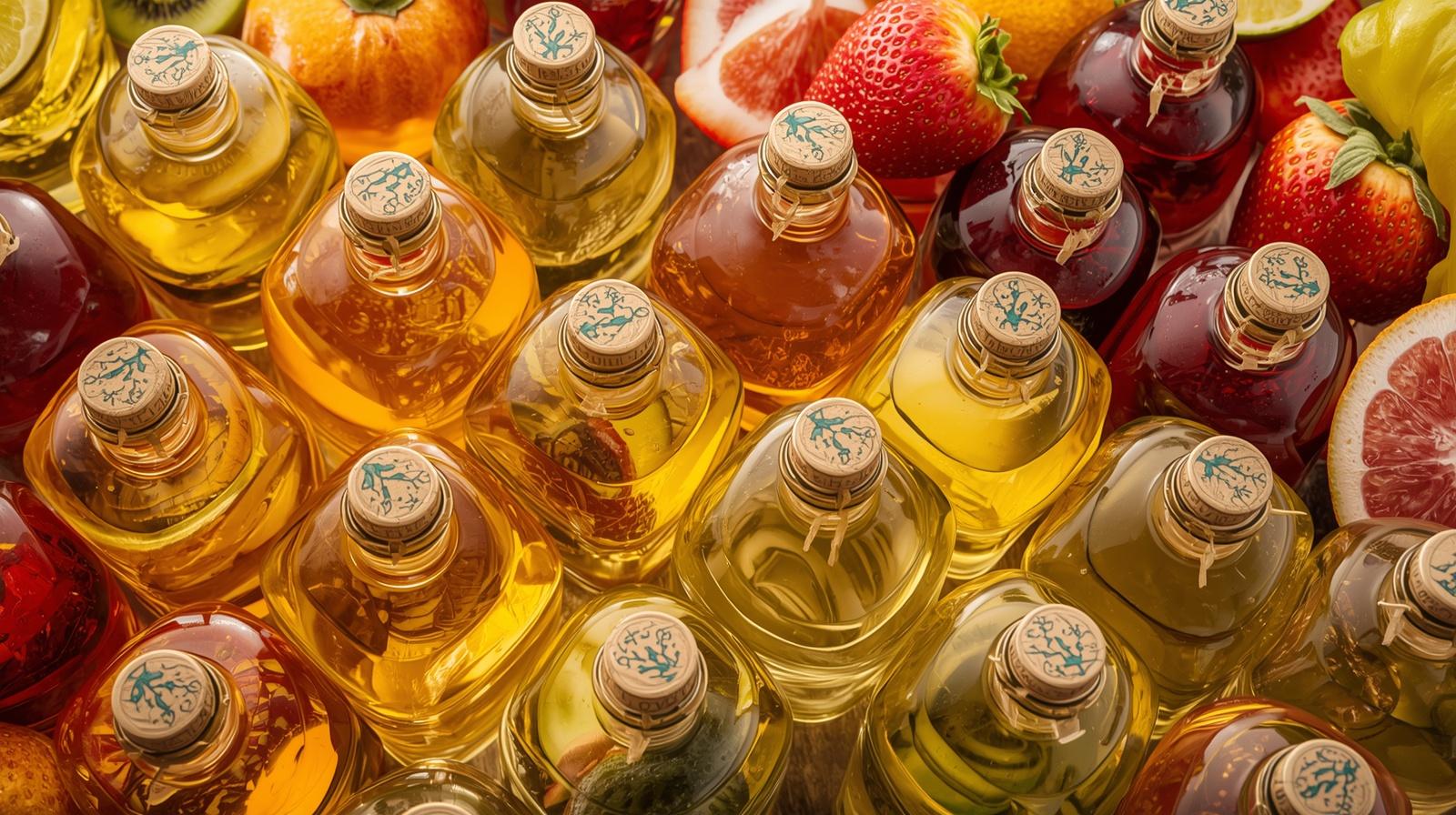
There are many different kinds of vinegar in the world, ranging from fruit vinegar and rice vinegar to wine vinegar and white vinegar, each with its own distinctive flavor and use. Fruit vinegar carries a sweet-and-sour taste and is often regarded as a health drink, while rice vinegar and wine vinegar are commonly used in cooking to enrich the layers of flavor in food.
White vinegar, due to its high purity, is not only consumed but is also frequently used for cleaning or disinfecting. These various types of vinegar not only enhance the taste of dishes but are also thought to benefit the human body—for example, by aiding digestion, helping maintain intestinal balance, inhibiting certain bacteria, and in some cases even contributing to blood sugar stability or improved metabolism.
Yet when we look closely at these vinegars, we often notice different forms of sediment at the bottom of the bottle or floating in the liquid. Sometimes they appear as flocculent clusters, thread-like strands, or small granules, and at times they resemble thin films drifting in the liquid. The presence of these sediments often raises questions: does this mean the vinegar has gone bad, or is it simply a natural phenomenon of the brewing process? What exactly are these seemingly insignificant sediments?
The brewing of vinegar is a process that combines microbial activity with chemical transformation. From the selection of raw materials to the final maturation, every step influences the flavor and quality of the vinegar. At its core, the principle involves first converting sugar- or starch-containing ingredients into alcohol, and then allowing acetic acid bacteria to oxidize the alcohol into acetic acid. This is a multi‑stage biological conversion that requires both time and careful control of the environment.
The brewing of vinegar is a continuous process: from sugar to alcohol, and from alcohol to acetic acid. It is not merely a chemical transformation, but an art shaped by the interplay of microorganisms and time. Different raw materials and techniques have given rise to the astonishing diversity of vinegars found around the world.
During the brewing of vinegar, the “vinegar mother” is a common natural product. Its appearance arises from the continuous activity of acetic acid bacteria and yeast during fermentation. As alcohol is gradually oxidized into acetic acid, these microorganisms secrete cellulose‑like substances that intertwine with residual cells and metabolic by‑products, eventually forming flocculent or film‑like deposits. These deposits are what we call the vinegar mother.
The presence of the vinegar mother indicates that active microbial communities remain in the brewing environment. They reproduce and aggregate within the liquid, continually driving the conversion of alcohol into acetic acid. In appearance, the vinegar mother may take the form of floating films, fibrous strands, or gelatinous clumps. Though irregular in shape, its essence is a complex structure composed of microorganisms and cellulose. Its formation is not accidental but an inevitable outcome of natural fermentation.
In vinegar that has not undergone pasteurization or sterilization, microorganisms remain active. As a result, fermentation may continue even after consumers bring the bottle home. This means the liquid is not entirely inert but still a living environment full of microbial activity.
Under such conditions, in addition to the vinegar mother already visible at purchase, new deposits may appear over time. Interestingly, some sediments are not present at the moment of purchase but gradually form after the bottle is opened and part of the vinegar is consumed. This occurs because oxygen enters once the liquid is exposed, stimulating the activity of acetic acid bacteria and yeast, which in turn promotes the formation of new vinegar mother or sediment.
In traditional brewing, old vinegar mother is often regarded as a valuable “starter.” It is not merely a deposit but an active microbial community containing acetic acid bacteria, yeast, and the cellulose structures they produce. After a batch of vinegar is completed, the vinegar mother left at the bottom or within the liquid still retains strong fermentative power.
When added to a new batch of vinegar that has not yet fully fermented, this old vinegar mother acts like a “seed” or “starter culture,” quickly supplying active microbial populations and shortening the fermentation time. Because the old vinegar mother has already established a stable micro‑ecological environment, its microbial community works cooperatively to accelerate the breakdown of alcohol and the production of acetic acid. In other words, the old vinegar mother is not only a trace of past brewing but also a catalyst for the next cycle.
Put simply, the sediments commonly seen in vinegar are the vinegar mother. Although their appearance may lead some to mistake them for impurities or spoilage, they are in fact a normal product of natural fermentation. The vinegar mother is safe to consume, harmless to the body, and even beneficial, as it contains active microbial communities and metabolic by‑products that can support intestinal health and digestion.
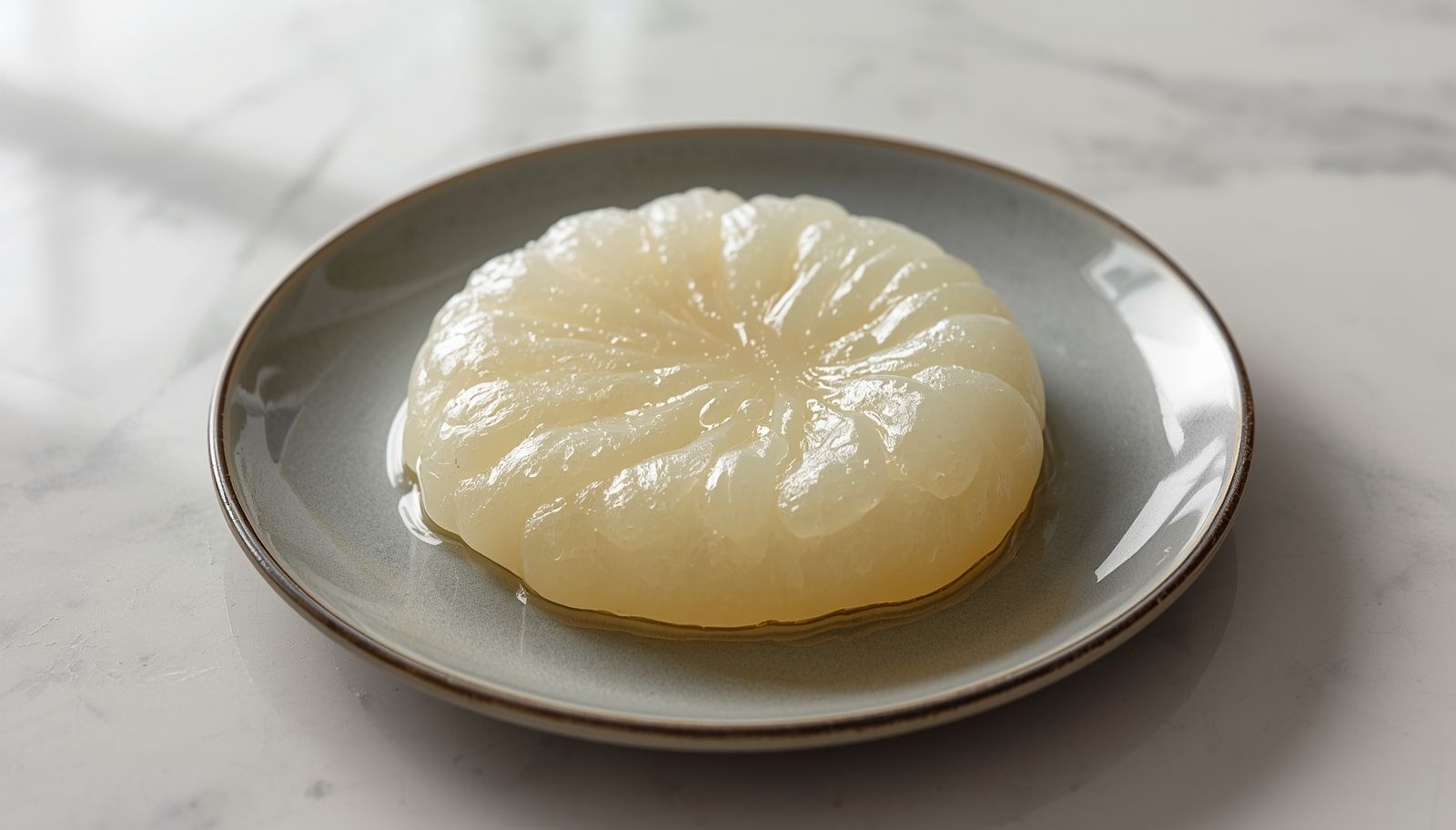 Vinegar mother typically appears as light brown or semi‑transparent gelatinous clumps, irregular in shape, resembling floating films or fibrous masses.
Synthetic vinegar is a type of vinegar produced through industrial processes. Unlike naturally fermented vinegar, it is made by directly diluting acetic acid to a concentration suitable for consumption, followed by fine filtration and high‑temperature treatment to ensure that all microorganisms and bacteria are completely eliminated. This method keeps the vinegar stable and clear, prevents the formation of sediments or “vinegar mother,” and extends its shelf life by avoiding changes caused by microbial activity.
In terms of nutritional value, synthetic vinegar differs significantly from naturally brewed vinegar. Because it lacks the fermentation process that generates amino acids, polysaccharides, vitamins, and active microbial communities, its composition is relatively simple. It mainly provides the sour taste of acetic acid and serves as a flavoring agent. While synthetic vinegar remains practical for cooking and cleaning, its health benefits are far less diverse than those of naturally brewed vinegar.
If vinegar contains a vinegar mother, it is in fact a sign of authenticity. Only when vinegar has not undergone pasteurization or excessive filtration can active microbial communities remain in the liquid and form these deposits. In other words, the presence of a vinegar mother demonstrates that the vinegar was created through natural fermentation, rather than simply diluted and synthesized by industrial means.
| Characteristics | Main Benefits | |
|---|---|---|
| Fruit Vinegar | Made from fruits, with a sweet‑sour taste; often consumed as a beverage or used for seasoning | Contains vitamins and antioxidants, aids digestion, helps regulate intestinal balance, boosts metabolism |
| Rice Vinegar | Brewed from rice or rice wine, with a mild flavor | Enhances the complexity of dishes, supports digestion, provides small amounts of amino acids and organic acids |
| Wine Vinegar | Derived from grape wine, with a rich and robust flavor | Contains polyphenols with antioxidant properties, supports cardiovascular health |
| White Vinegar | High purity, simple taste; commonly used in cooking and cleaning | Beyond seasoning, it can be used for disinfection and stain removal; when consumed, aids digestion though with limited nutritional value |
| Black Vinegar | Brewed long‑term from grains, dark in color, with a heavy flavor | Rich in amino acids and organic acids, promotes blood circulation, enhances appetite |
| Synthetic Vinegar | Industrially produced by diluting acetic acid, then filtered and heat‑treated | Stable and sterile, easy to store, but lacks the nutritional components of naturally brewed vinegar |
Winemaking itself is already a profound discipline, requiring precision and patience at every stage—from the selection of raw materials, saccharification, and fermentation to the control of alcohol concentration. What is truly astonishing is that nature does not stop there—wine can even be further transformed into vinegar.
This phenomenon of “wine and vinegar sharing the same origin” reveals the remarkable power of the microbial world: yeast first converts sugars into alcohol, and then acetic acid bacteria oxidize the alcohol into acetic acid, turning one drink into an entirely different food ingredient. This transformation is not merely a chemical reaction but a fascinating performance of microorganisms interacting with their environment. Seemingly insignificant microbial communities are capable of creating vinegar rich in aroma and flavor, while also endowing it with nutritional and health value.
Reflecting on these processes, one cannot help but marvel at the wonders of nature: within the smallest forms of life lies the power to reshape the world. The existence of microorganisms quietly reminds us that the mysteries of life are not always found in grand spectacles—sometimes they are hidden in the exquisite intricacies of the microscopic realm.
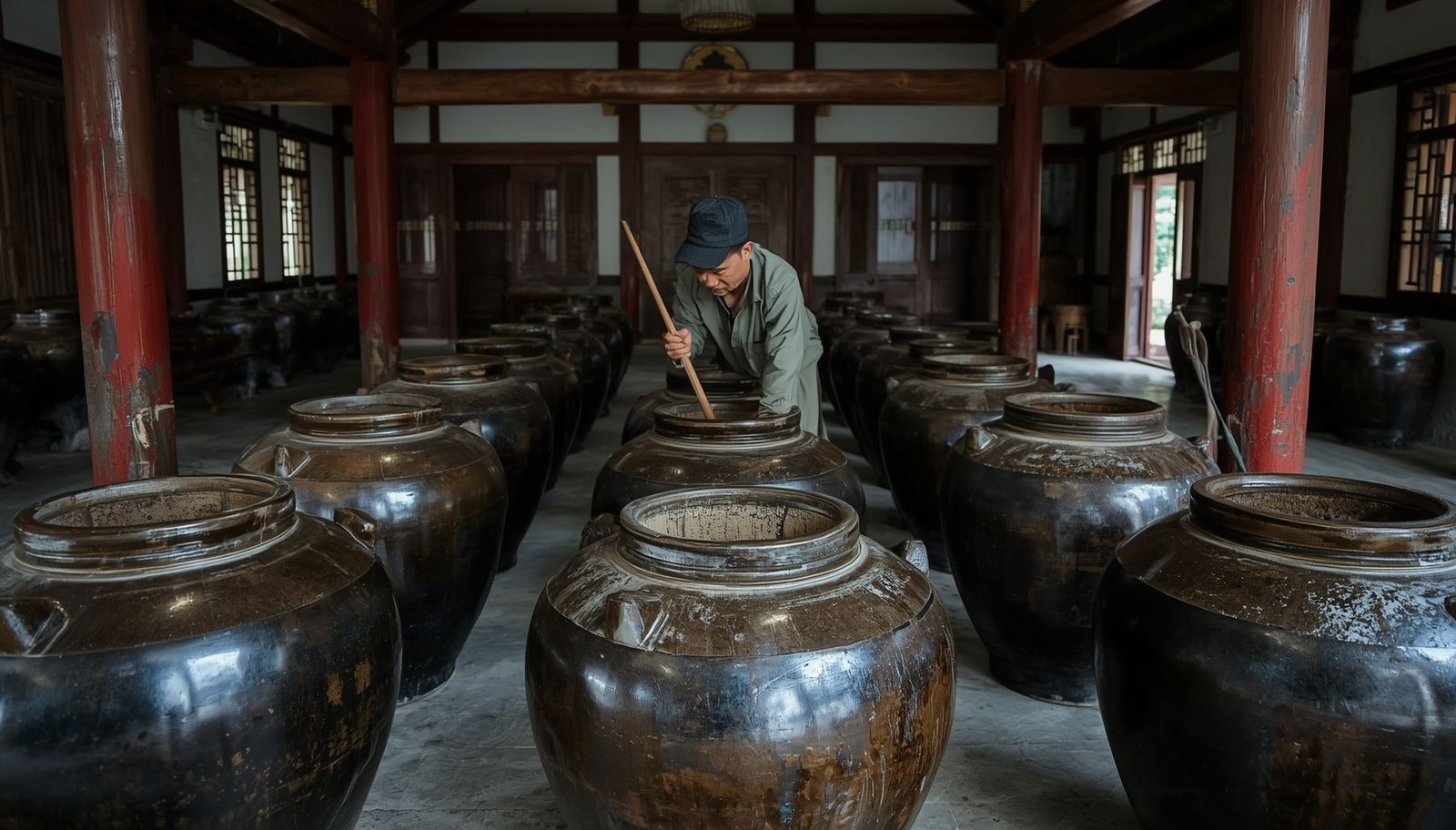 China has a history of brewing both alcohol and vinegar that spans thousands of years.
We leverage big data to bring you the most fascinating and mind-blowing trivia. Follow us for regular updates—prepare to be amazed while leveling up your knowledge.


Majestic mountain ranges bring extraordinary landforms to the Earth. From an initial stretch of flat ground to towering peaks that pierce the clouds, how did they rise from beneath the surface and

Earthquakes often exact a heavy toll, not only causing casualties but also destroying houses, roads, and infrastructure, plunging entire communities into chaos and loss. In an instant, people may

A well is one of humanity’s earliest water‑drawing facilities. Its primary function is to bring groundwater to the surface, supplying people with drinking water, irrigation, and everyday use. Because

The chicken’s body is likewise covered with feathers and equipped with wings, giving the outward impression of being suited for flight. Yet why is it that they cannot soar into the sky like other

The tender green of spring, the heat of summer, the golden hues of autumn, and the chill of winter—people have long grown accustomed to this cycle. Yet how many have paused to wonder: what force lies

Static electricity is a peculiar natural phenomenon. It seems to make objects cling to each other out of nowhere, and at times it suddenly releases energy, producing a sharp sting as if one has been

A vaccine is a specially designed medical tool whose purpose is not to directly cure disease, but to “pre-train” the immune system so that the body can respond more quickly and effectively when it

In human appearance, hair is often the most striking feature. It not only shapes our image but also carries cultural and aesthetic significance. Yet not everyone can maintain a full head of hair over



Follow us for quirky updates, fun discoveries, and a front‑row seat to the weird and wonderful world we live in.