
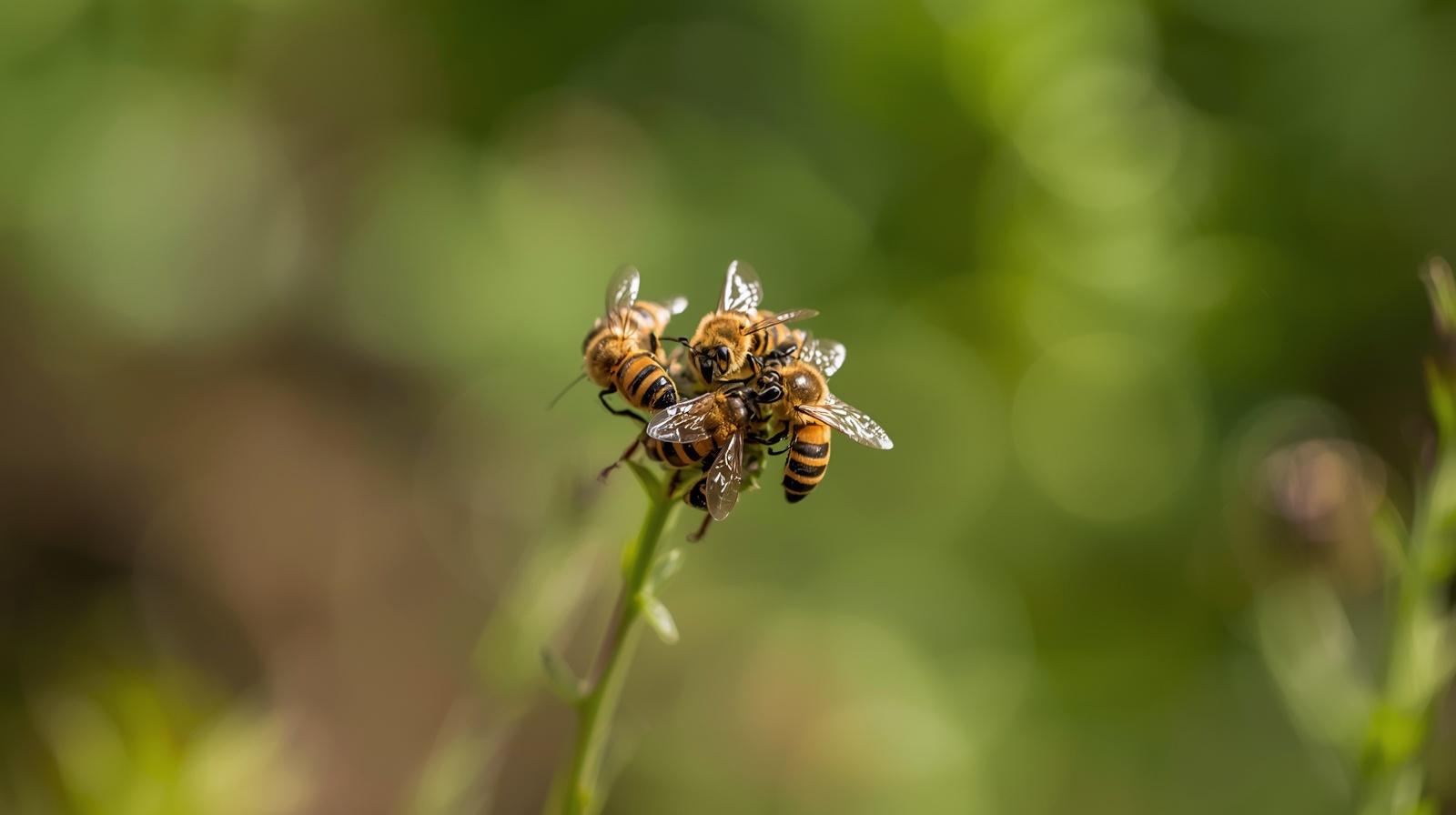
Bees are among the most familiar insects to humans. They flutter among flowers, collecting nectar, and often appear to embody diligence and charm. Yet behind this gentle exterior lies a harsh law of survival.
A bee colony is a highly organized society governed by a strict hierarchy. Differences in status among bees often determine their fate. A few gain the chance to reproduce and become the core of the colony, while the majority must shoulder heavy labor at the lower levels, sometimes even sacrificing themselves when necessary. This system may seem ruthless, but it is the very key to the colony’s long-term survival.
The sex of a bee is not determined randomly, but rather by its chromosomal makeup and whether fertilization occurs. When an egg fuses with sperm to form a fertilized egg, it develops into a female bee; if the egg remains unfertilized, it will directly develop into a male bee (drone).
This distinctive mechanism of sex determination allows the colony to flexibly adjust the ratio of drones to females, thereby maintaining both stability and reproductive needs. Female bees are usually far more numerous than males, since they carry out most of the labor and social responsibilities, while males play their role primarily during the mating season.
Royal jelly is a special nutrient secreted by young female bees. It has a milky-white color and a viscous texture. Within the colony, it is regarded as the most precious food source, reserved exclusively for the queen and for larvae during their early development.
In the growth process of female larvae, their ultimate fate—whether they become workers or queens—is largely determined by diet. All female larvae are fed royal jelly during the first few days of life. After that, most are switched to a diet of pollen and honey. While this diet provides sufficient nutrition for development, it does not trigger the distinctive physiological changes needed for full reproductive maturity, so these larvae eventually become worker bees.
By contrast, the few larvae that continue to receive royal jelly throughout their development undergo profound changes under the influence of sustained high nutrition: their reproductive organs fully mature, their lifespan is extended, and their body size grows larger than that of workers. These larvae gradually differentiate into queens, becoming the sole reproductive core of the colony.
In other words, the same female larvae will develop into queens if they are continuously fed royal jelly, but will become workers if their diet shifts to pollen and honey. Queens develop fully, with large ovaries and a spermatheca for storing sperm, while workers have underdeveloped ovaries and lack the ability to mate or reproduce.
 Royal jelly is also regarded as a premium natural tonic
There is usually only one queen in a colony, serving as the reproductive core. Her primary task is to lay eggs, and she can produce a large number each day to ensure the colony’s continual growth. Beyond reproduction, the queen also secretes special chemical substances (pheromones) that maintain social order by suppressing the reproductive capacity of other female bees, thereby keeping the colony centered on a single reproductive figure.
Worker bees make up the vast majority and are by far the most numerous members of the colony. Their responsibilities are highly diverse: young workers remain inside the hive, cleaning cells, feeding larvae, and secreting wax to build combs; older workers venture out to collect nectar and pollen, transform them into honey, and act as guards to protect the hive from intruders. The sheer number of workers forms the foundation of the colony’s daily functioning.
Drones are relatively few in number, and their main role is to mate with the queen. They do not participate in foraging, brood care, or defense, and are often expelled by workers outside the mating season to reduce the strain on resources.
Queen pheromones are chemical substances secreted by the queen, carrying a distinctive scent that spreads throughout the hive and can be detected by other bees. They are not food but signals, representing the queen’s presence and condition.
These pheromones are produced mainly by the queen’s glands, especially the mandibular and abdominal glands. During her daily activities, the queen continuously secretes them, and they are dispersed across the colony through direct contact or by workers who carry the scent. When workers interact with the queen, the pheromones adhere to their bodies and are further spread as they move about the hive.
Queen pheromones serve multiple and finely tuned functions within the colony. First, they are the central tool for maintaining hierarchy. By suppressing the development of other females’ reproductive organs, the queen ensures that only one individual reproduces, preventing the chaos of multiple queens competing for dominance. This suppression allows workers to focus on foraging, brood care, comb construction, and defense.
Second, queen pheromones regulate worker behavior and cooperation. When workers sense the queen’s scent, they display stronger obedience and coordination, with clearer division of labor and greater efficiency. These chemical signals can even influence workers’ lifespan and work rhythm, helping the colony remain in optimal condition under varying environments.
Third, queen pheromones act as a “health indicator.” As the queen ages or dies, her pheromone secretion weakens or ceases. Workers detect this change and begin raising new queens to secure the colony’s continuity.
Finally, during the mating season, queen pheromones also attract drones. The queen’s scent disperses into the air, detectable from long distances, guiding drones to her location. This ensures that she mates with sufficient numbers of males and stores large quantities of sperm in her spermatheca, enabling her to lay eggs continuously for years.
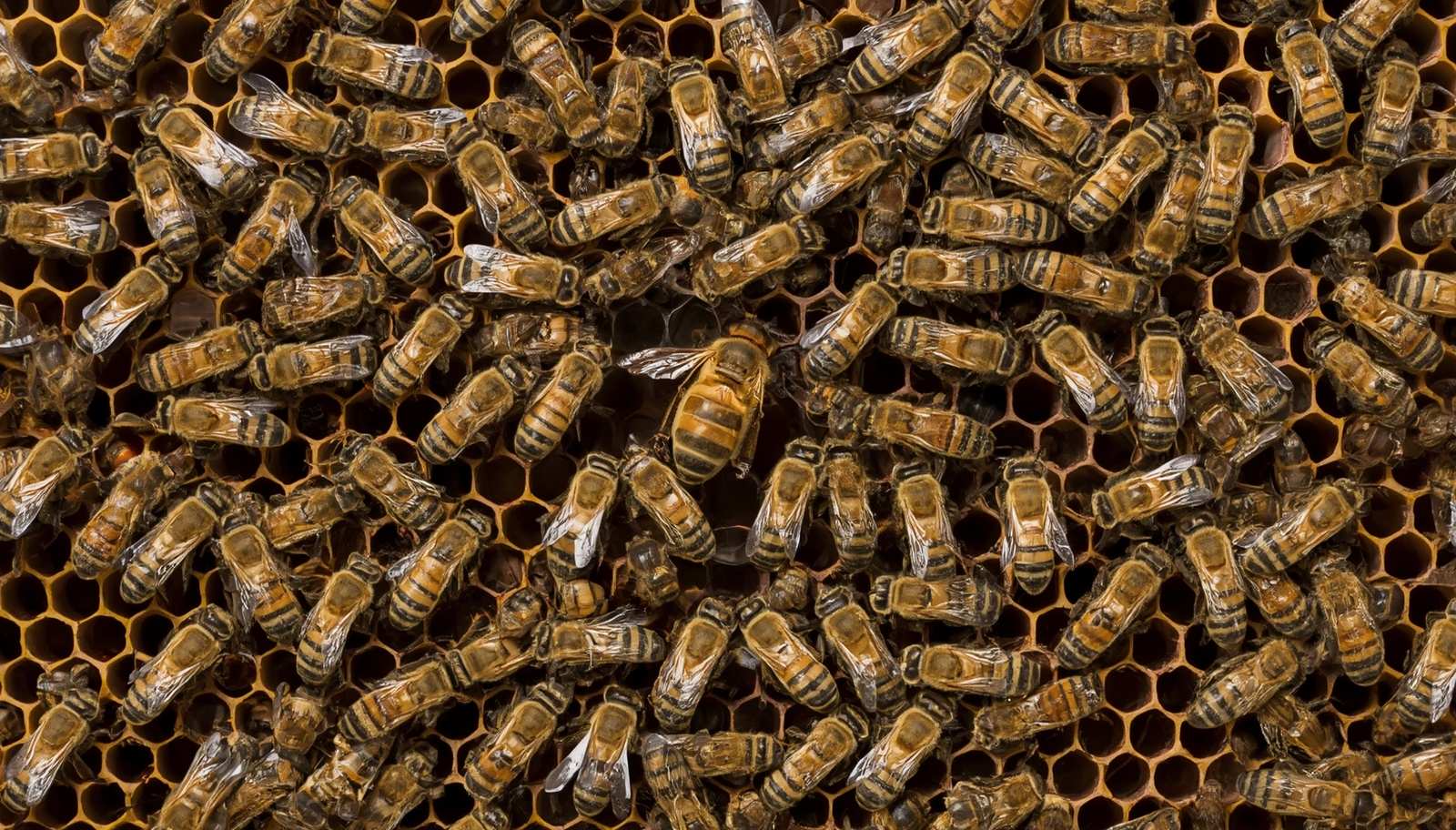
As the queen ages and her pheromone secretion weakens, workers quickly detect the change, since pheromones are vital signals for maintaining colony order. Once they sense that the queen can no longer stabilize the hive, they begin raising new queens.
To do this, workers select certain female larvae and feed them continuously with royal jelly. These larvae, which might otherwise have become workers, undergo full reproductive development under prolonged nourishment, growing larger and gradually differentiating into queens. Workers construct special, enlarged cells called “queen cups” or “queen cells” to house these potential successors.
The fate of the old queen is often harsh. If she retains some vitality, she may lead part of the colony to swarm, leaving the original hive to establish a new one. But if she is too weak, she may be neglected or even eliminated, ultimately losing her place in the colony. When a new queen emerges, she often confronts the old queen, and only the victor continues to rule the hive.
In some cases, workers rear multiple female larvae in queen cells, giving each the chance to develop into a queen. Yet a colony can sustain only one reproductive core, so these new queens inevitably clash.
Typically, the first queen to emerge actively seeks out and attacks rivals still confined to their cells, even killing larvae within unopened queen cups to secure her position. If several queens emerge simultaneously, they engage in fierce combat until only one survives. This “battle of queens” is among the most ruthless elimination mechanisms within the hive.
If the queen dies unexpectedly, the colony immediately falls into instability. With her pheromones suddenly gone, workers quickly sense her absence, and the social order begins to falter. The workers may show signs of agitation, since the loss of the queen means the reproductive core is broken and the colony’s survival is threatened.
In such circumstances, workers act swiftly. They select young female larvae, build enlarged cells known as queen cups, and feed them continuously with royal jelly. This rich diet enables the larvae’s reproductive organs to fully develop, allowing them to become new queens. The process is a race against time: if the colony cannot raise a new queen quickly, it will lose its reproductive capacity and decline.
Until a new queen emerges, the colony enters a transitional phase. Workers continue their daily tasks—collecting nectar, feeding larvae—but without reproductive assurance. Once a new queen hatches and begins secreting pheromones, order is restored.
However, if the colony fails to produce a new queen after the death or aging of the old one, a phenomenon known as “queenlessness” occurs. This is a crisis, as the colony has lost its sole reproductive center.
In a queenless state, workers still forage and maintain routine tasks, but no new eggs are laid. Over time, the population ages and dies without replacement, and the colony shrinks rapidly. The absence of queen pheromones also unsettles the workers, leading to disorder. Some may attempt to lay eggs, but these can only develop into drones, not queens or workers, which accelerates the colony’s collapse.
Ultimately, if queenlessness persists, the colony disintegrates. Worker numbers dwindle, drones become disproportionately numerous, and the hive loses its ability to defend and maintain itself, leading to extinction. This phenomenon underscores the queen’s absolute centrality: she is not only the sole source of reproduction but also the key to order and the continuation of life.
The female-centered social structure of bees presents a model strikingly different from that of humans and most animals. The colony’s core is entirely composed of females: the queen is the sole reproductive individual, while workers form the vast labor force, responsible for foraging, brood care, comb construction, and defense.
Drones, by contrast, play a far narrower role, appearing only briefly during the mating season and becoming unnecessary once reproduction is complete. This “female-centered” system means the colony’s survival and stability rely entirely on the division of labor among female members.
In comparison, human societies and many mammalian groups are typically male-centered. Throughout human history, men have often been regarded as the dominant figures in power, resources, and reproduction; in other animal groups, males frequently act as territorial defenders or competitors for mates. Bees, however, follow the opposite path, entrusting both reproduction and labor to females, while males participate only temporarily. This contrast highlights the diverse evolutionary strategies found in nature.
Such a phenomenon is not merely a biological peculiarity but also a source of wonder at the ingenuity of nature’s design. It reminds us that gender roles are not fixed, but can vary dramatically depending on environment and necessity.
The example of bees inspires awe at nature’s creativity: even within the shared challenge of collective survival, stability and continuity can be achieved through entirely different systems. This diversity deepens our appreciation of how nature’s designs are far more flexible and intricate than human imagination often allows.
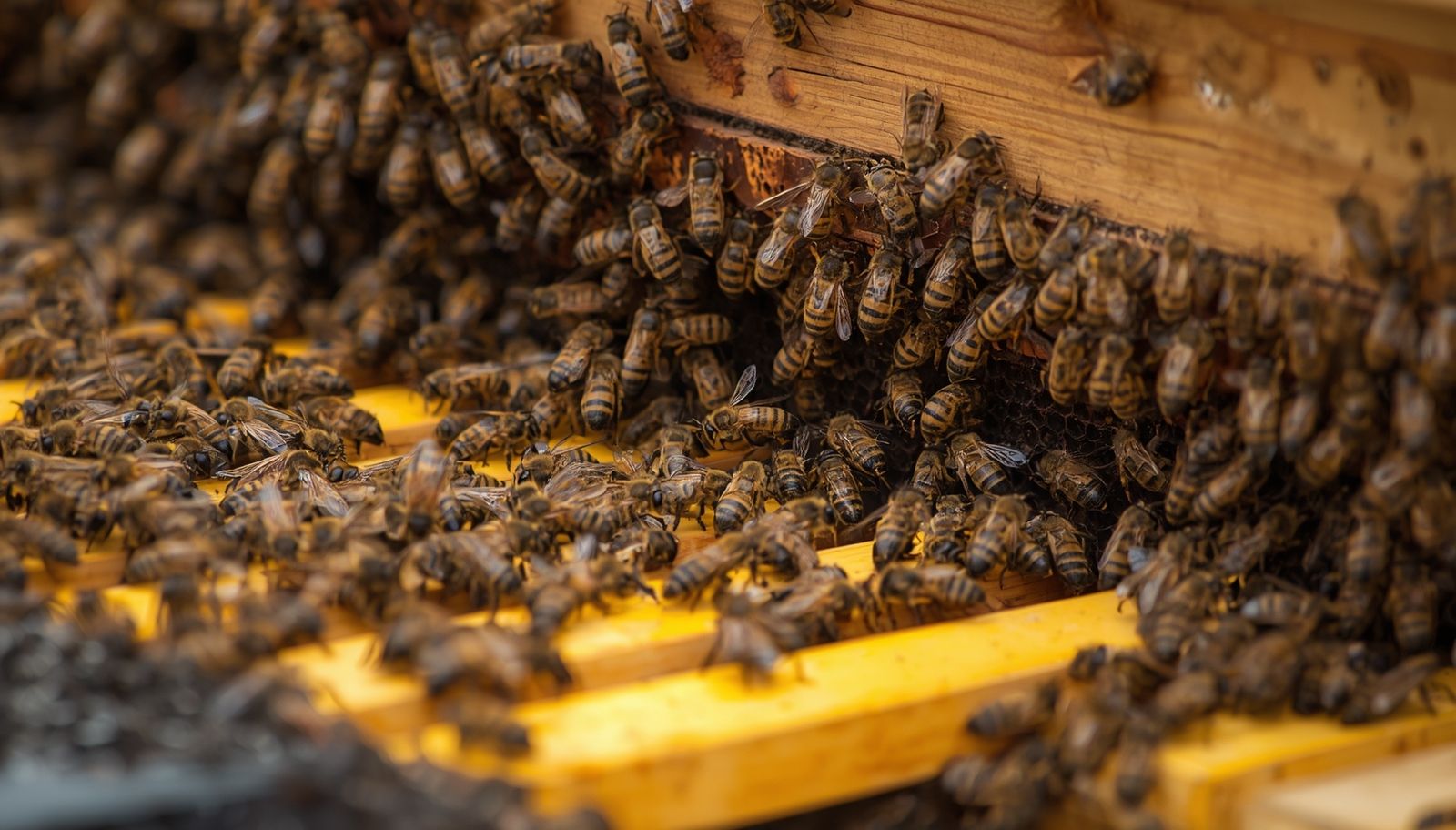 The caste system of bees highlights the prominence of females
We leverage big data to bring you the most fascinating and mind-blowing trivia. Follow us for regular updates—prepare to be amazed while leveling up your knowledge.


The Sun we see every day brings us warmth, light, and vitality. Yet while we take it for granted, have we ever wondered why the Sun can continuously provide energy without end? Where does its

Throughout the course of human history, the spread of electricity has symbolized a leap in civilization. Its emergence not only provided an entirely new source of energy but also fundamentally

During the Second World War, the Manhattan Project, led by American theoretical physicist Robert Oppenheimer, successfully produced the world’s first atomic bomb. The first test was conducted on July

For many people, losing weight feels like a lifelong mission. In today’s world of abundance, food shortages are no longer a concern. Instead, overnutrition has led to widespread obesity. ###

Cancer often strikes fear because it is not merely a disease, but a force that can completely alter the course of a person’s life. Once someone is diagnosed, the focus of daily living shifts

Alcohol has become almost indispensable in many cultures and social settings. Whether at workplace gatherings, dinners with friends, or even business negotiations, it often serves as a social

Christianity, Catholicism, Orthodoxy and Protestantism Christianity is a faith centered on Jesus Christ, emphasizing salvation and the relationship with God. It is also one of the religions with

In human society, the most immediate differences often arise from appearance. Walking down the street or browsing through historical images, we find that human looks display astonishing diversity.



Follow us for quirky updates, fun discoveries, and a front‑row seat to the weird and wonderful world we live in.