
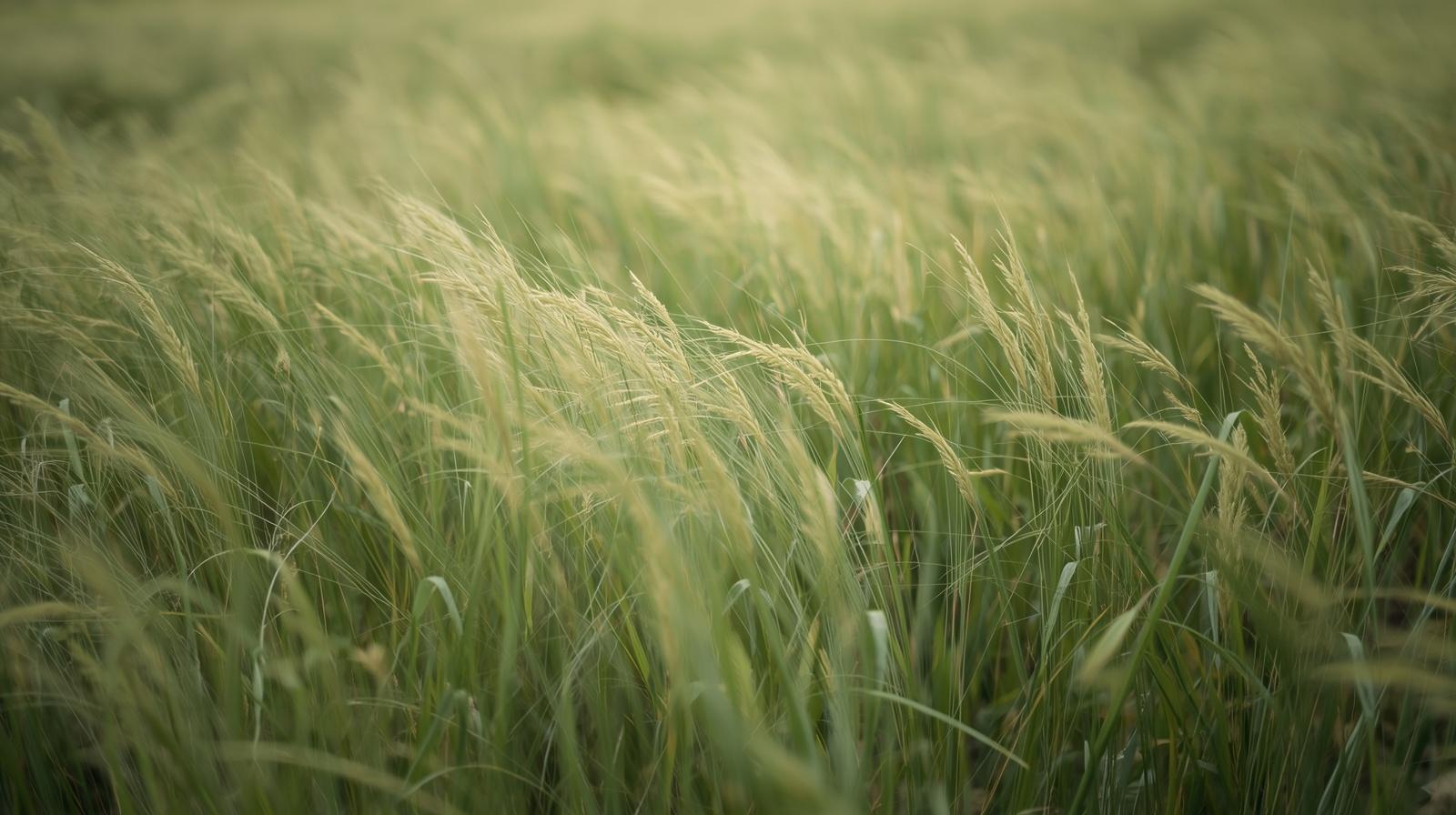
A breeze drifts by, as if pushing away the stifling air and bringing with it a refreshing coolness. The leaves sway in response, a gentle touch brushes the cheeks, invigorating the spirit and easing the mind. In such a moment, the wind seems to become nature’s simplest yet most immediate comfort.
Wind, in essence, is the movement of air. When we feel it sweep across our face, see leaves trembling, or watch waves rise, all of these are manifestations of air in motion. But how does wind come into being? Why is it sometimes soft and sometimes fierce? And what determines its direction and speed?
The Sun’s heat is not distributed evenly across every corner of the Earth. At the equator, sunlight strikes almost directly, concentrating energy so that the surface absorbs the greatest amount of heat, resulting in year‑round warmth. In contrast, at higher latitudes, sunlight arrives at a slant, spreading its energy over a wider area. The ground receives less heat, leaving the polar regions persistently cold.
Beyond the difference in solar angles, the nature of Earth’s surface also shapes how heat is distributed. Land warms quickly and cools quickly, producing sharp temperature fluctuations. Oceans, by contrast, with their vast depth, can absorb and store immense amounts of heat, warming and cooling much more slowly. This disparity means that under the same sunlight, land and sea respond with very different temperature patterns.
The Earth’s surface does not heat evenly, and this variation directly affects the state of the air. In regions of intense heating, air expands, its density decreases, and it rises; in colder areas, air contracts, becomes denser, and sinks. These upward and downward motions disrupt the balance of air distribution between different regions.
As air expands and contracts, differences in pressure emerge at the surface. Warm regions, where air rises, develop low pressure, while cooler regions, where air sinks, form high pressure.
In high‑pressure zones, air molecules are densely packed, pressing tightly against one another and creating an outward force. In low‑pressure zones, molecules are more dispersed, leaving a space that seems to invite filling. Consequently, air naturally moves along the pressure gradient, flowing from high pressure toward low pressure in an attempt to restore equilibrium.
When wind moves across the Earth, it would naturally flow in a straight line along pressure differences. Yet because the Earth is constantly rotating, that straight path appears deflected from our perspective. Since the Earth is spherical, the equator rotates faster than higher latitudes, and this difference in speed causes moving air to shift relative to latitude.
To an observer on the Earth’s surface, wind does not blow in a perfectly straight course but gradually veers to one side. In the Northern Hemisphere, it deflects to the right; in the Southern Hemisphere, to the left. This apparent deflection caused by Earth’s rotation is the Coriolis force. It transforms what would be straight airflow into curved trajectories, shaping the global patterns of atmospheric circulation.
Imagine trying to draw a straight line on a spinning vinyl record. To someone watching from outside, the pen’s motion is straight; but if you were standing on the record itself, the line would appear bent and displaced. This “apparent deflection” is a fitting analogy for the Coriolis force.
Beyond atmospheric motion, the Coriolis force also affects human technological endeavors. Intercontinental ballistic missiles, traveling thousands of kilometers, would miss their targets if the deflection from Earth’s rotation were ignored. Space rockets, too, must account for this effect when launched, since their trajectory and orbital insertion depend on the rotation of the Earth.
Even on the ground, long‑range snipers must factor in the Coriolis force. When a bullet remains in flight for an extended time, Earth’s rotation shifts its path relative to the observer on the surface. Without correcting for this deflection, the shot could stray from its intended target.
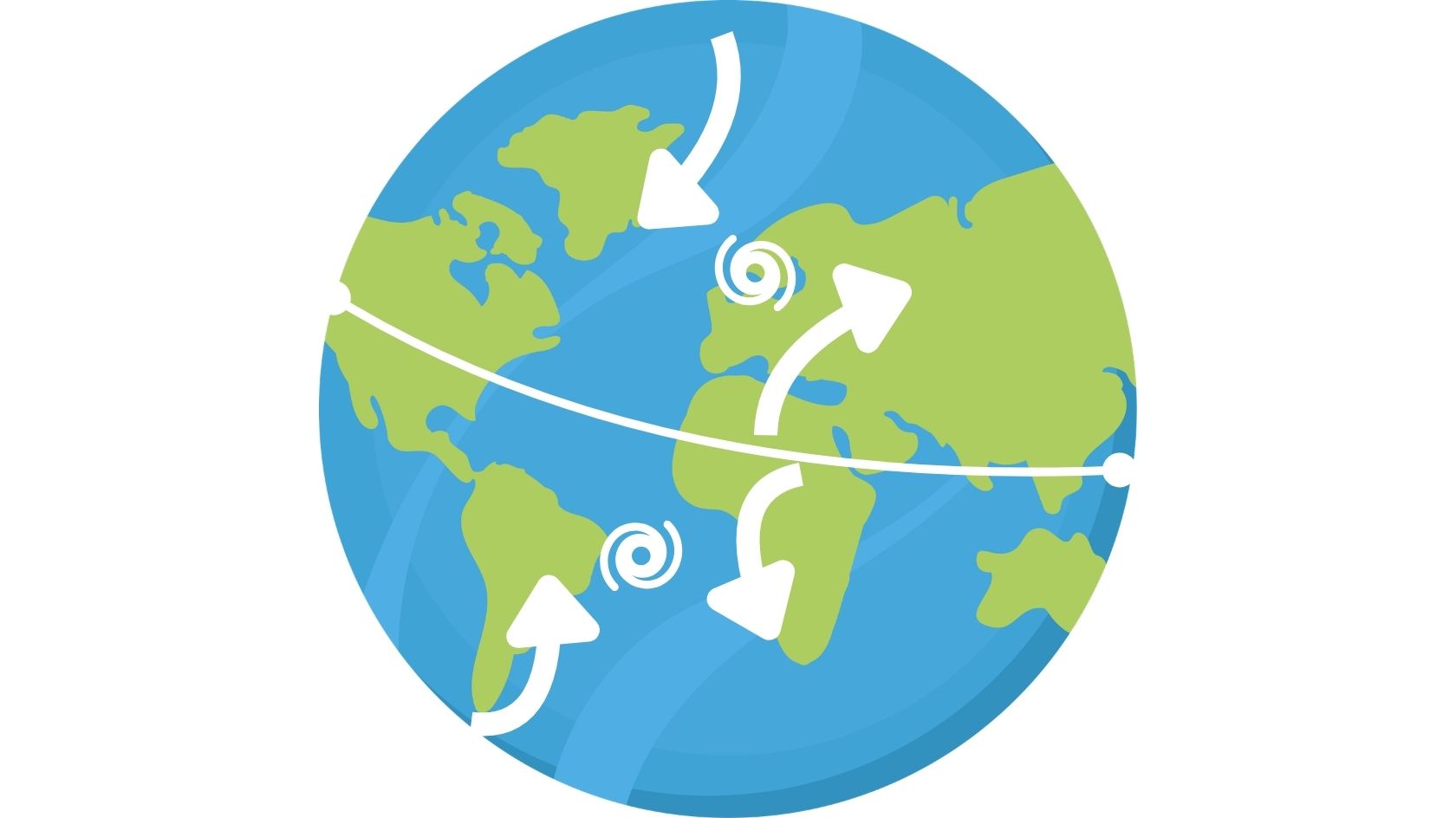 Coriolis force influences wind direction and plays a crucial role in the formation of tropical cyclones: storms in the Northern Hemisphere rotate counterclockwise, while those in the Southern Hemisphere rotate clockwise.
The essence of wind speed arises from pressure differences. When the pressure gradient between two regions becomes steep, air is driven forcefully, rushing forward under the “pressure‑gradient force.” This sets the potential upper limit of wind speed, serving as the primary source of energy in the atmosphere.
In practice, however, wind rarely reaches this theoretical maximum. Surface friction acts like a brake, slowing the flow—especially in environments crowded with buildings or rugged terrain, where resistance is stronger. By contrast, over open seas or at higher altitudes, friction is minimal, allowing winds to sustain greater speeds.
Topography also introduces the “venturi effect”: when broad air masses are funneled through narrow valleys or gaps between buildings, the restricted passage accelerates the flow. Added to this is the Coriolis force, which deflects the wind’s path, further modifying both its direction and velocity.
Taken together, wind speed is not determined by a single factor but by the interplay of “pressure differences providing the driving force” and “friction, terrain, and Coriolis adjustments.” This constant push and pull produces the dynamic balance that shapes the winds we actually experience.
Although winds carry many different names and classifications, their underlying principle is essentially the same: all are driven by pressure differences that set air in motion, then modified by Earth’s rotation, friction, and the influence of terrain, producing diverse forms and behaviors.
| Type of Wind | Formation Mechanism |
|---|---|
| Trade Winds | Near the equator, heated air rises to create low pressure, while subtropical high‑pressure zones push air downward toward these regions. Deflected by the Coriolis force, this flow becomes the steady northeast trade winds in the Northern Hemisphere and southeast trade winds in the Southern Hemisphere. |
| Monsoon | Seasonal differences in heating between land and ocean generate large‑scale pressure contrasts. In summer, winds blow from the ocean toward the land; in winter, the pattern reverses, with winds flowing from land toward the sea. |
| Typhoon / Cyclone | Warm tropical seas heat the air, causing it to rise and form a low‑pressure center. Surrounding air rushes inward and, under the Coriolis effect, begins to rotate, gradually developing into a powerful circulation system. |
| Sea and Land Breeze | During the day, land heats quickly, creating low pressure, so air flows from sea to land. At night, land cools faster, forming high pressure, and air flows from land back toward the sea. |
| Mountain and Valley Breeze | In daytime, slopes warm and air rises, drawing valley air upward to form a valley breeze. At night, slopes cool rapidly, and cold air sinks into the valley, creating a mountain breeze. |
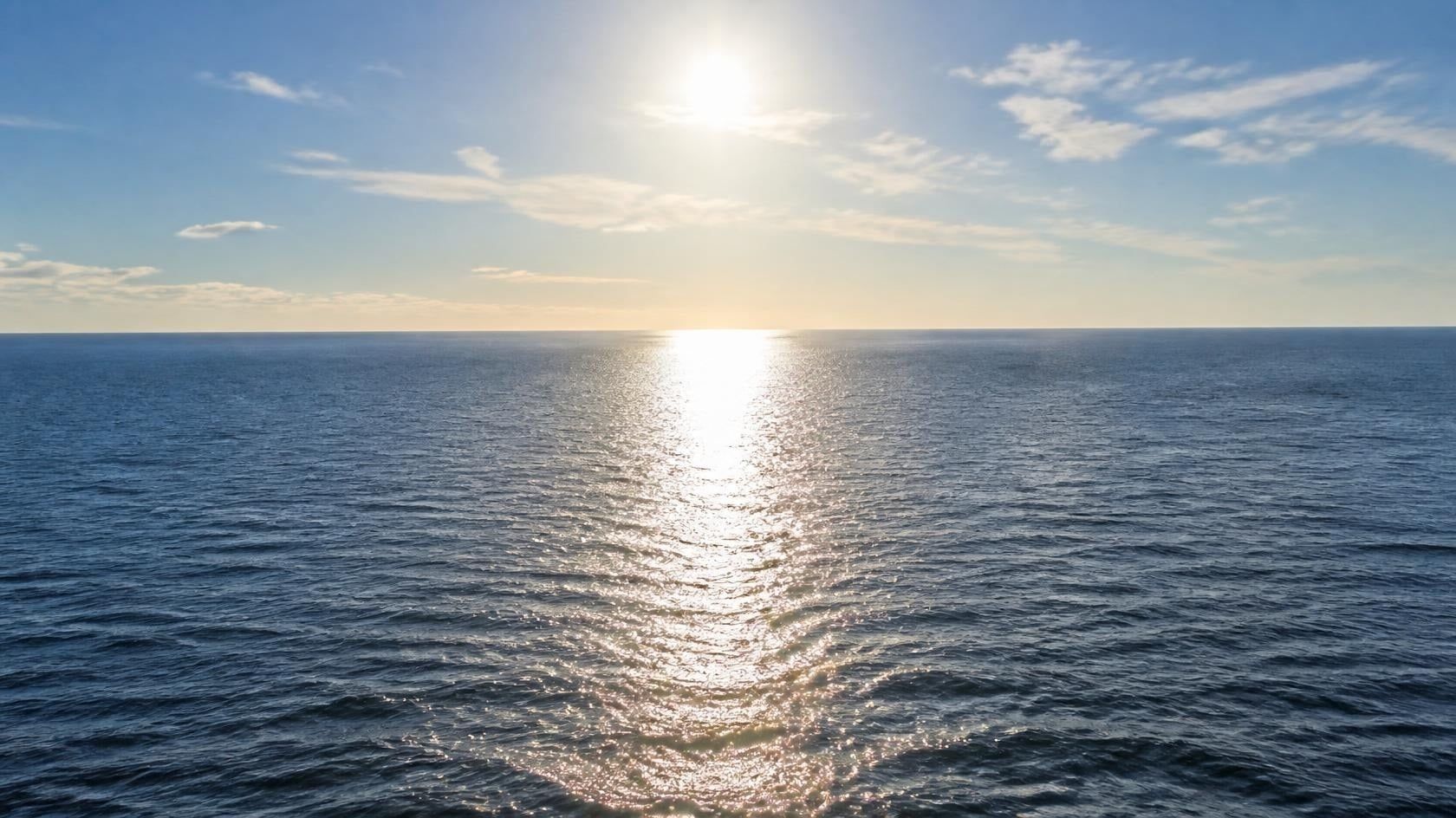 The ocean’s high capacity for storing heat and its ability to provide abundant moisture foster intense thermal convection, which in turn creates the low‑pressure environment favorable for the development of tropical cyclones.
We leverage big data to bring you the most fascinating and mind-blowing trivia. Follow us for regular updates—prepare to be amazed while leveling up your knowledge.


Honey is a natural substance produced by bees, created from the sweet nectar they collect from flowers. Through repeated processing and concentration, the nectar is transformed and stored within the
Earthquakes often exact a heavy toll, not only causing casualties but also destroying houses, roads, and infrastructure, plunging entire communities into chaos and loss. In an instant, people may

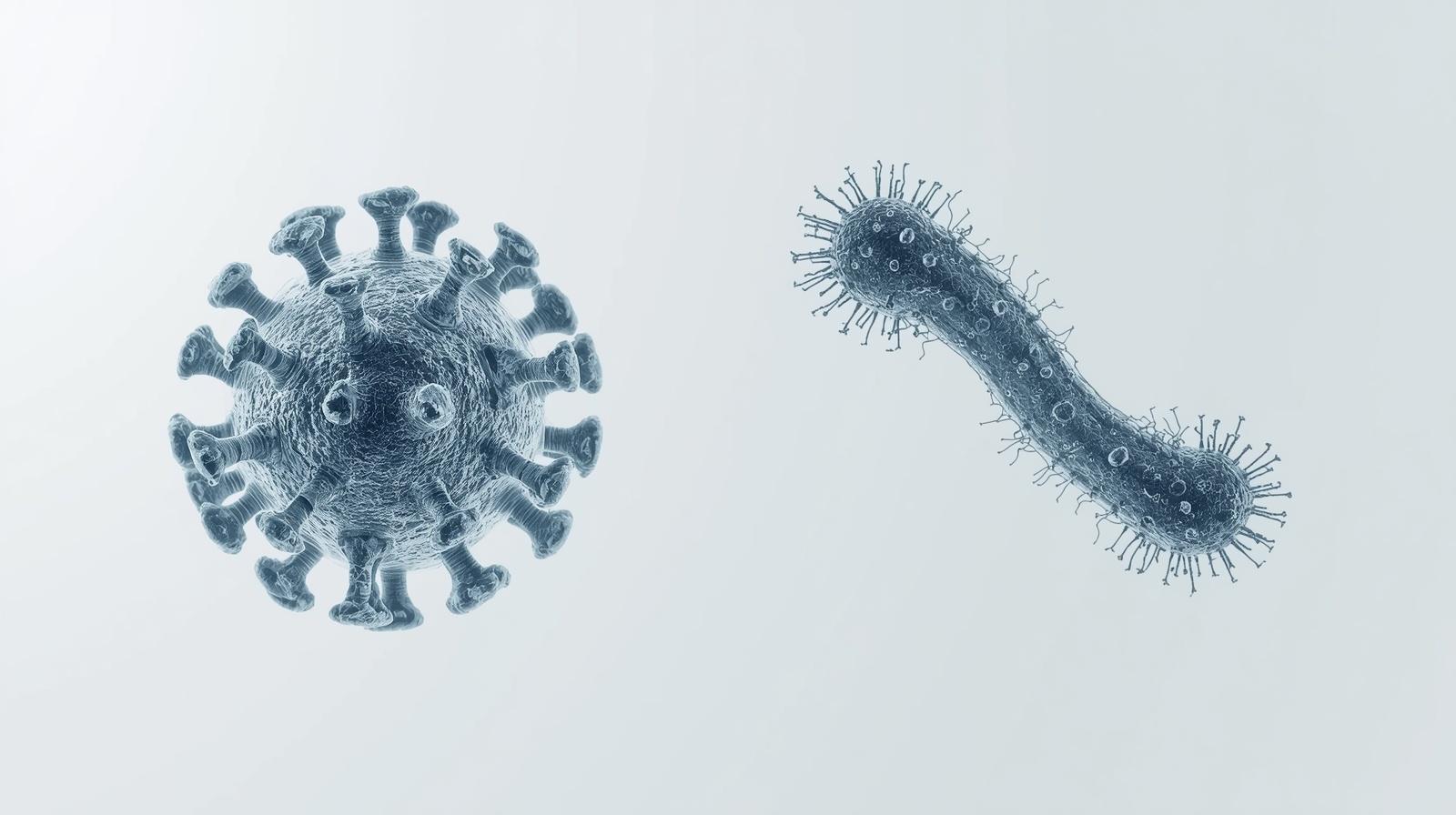
Many people tend to confuse “bacteria” and “viruses” when talking about them. Some believe that a common cold must be caused by a bacterial infection and that taking antibiotics will cure it; others
For many people, losing weight feels like a lifelong mission. In today’s world of abundance, food shortages are no longer a concern. Instead, overnutrition has led to widespread obesity. ###

Eggs are a highly nutritious food. They contain high‑quality protein that provides the essential amino acids required by the human body. The yolk is rich in vitamins A, D, E, and K, as well as

In our daily lives and studies, we often encounter situations where we forget things. It might be that we planned to bring something before leaving home but suddenly forgot, or that a piece of

Acne is often regarded as a troubling condition: it not only affects one’s appearance but can also subtly undermine self‑confidence. Many people, when looking in the mirror, feel anxious at the sight

For many people, trains are part of everyday life. Why is it that when you jump inside a train carriage, you land back in the same place instead of falling backward? And what happens if you jump on


Follow us for quirky updates, fun discoveries, and a front‑row seat to the weird and wonderful world we live in.