

Cocktail therapy is a strategy of combination drug treatment, built on the principle of administering medications with different mechanisms of action at the same time so that they complement one another inside the body. A single drug often loses effectiveness because of viral or cellular mutations, but a multi‑drug regimen can block several stages of pathogen replication simultaneously, greatly reducing the risk of resistance.
This approach was first applied to the treatment of HIV/AIDS, successfully transforming what was once a fatal disease into a chronic condition that can be managed over the long term.
In the mid‑1990s, medical researcher David Ho introduced this therapy. His team demonstrated that combining multiple antiretroviral drugs could effectively suppress viral load and restore immune function. This groundbreaking achievement not only saved countless lives but also fundamentally changed the global fight against AIDS.
Because of the profound impact of cocktail therapy, David Ho was named Time magazine’s Person of the Year in 1996. This honor symbolized how the contributions of medical researchers can reshape the world and underscored the milestone significance of cocktail therapy in the history of public health.
The term “cocktail” is essentially a metaphor. In medicine, cocktail therapy refers to the use of multiple drugs with different mechanisms of action in combination, much like mixing various spirits, juices, or spices in specific proportions to create a cocktail that produces a new, synergistic effect.
A single drug can usually target only one stage of a virus or pathogen’s life cycle, yet pathogens are highly mutable and can quickly develop resistance, rendering monotherapy ineffective. By contrast, when several drugs are administered together, they act on different molecular mechanisms or replication stages, creating multiple layers of blockade that leave the pathogen with virtually no escape route.
The benefits of this combination extend beyond suppressing viral load; it also delays the emergence of drug resistance. Patients are able to maintain stable immune function over the long term, and the disease can shift from being fatal to manageable. Moreover, multi‑drug therapy reduces the risk of treatment failure, since even if the effectiveness of one drug declines, others can compensate to preserve overall efficacy.
 A cocktail is a beverage made by mixing different types of alcohol, juices, or spices in specific proportions, creating a completely new flavor and a synergistic effect.
When AIDS first came to humanity’s attention, it was regarded almost as a death sentence. The immune systems of those infected collapsed rapidly, accompanied by fatal complications, and mortality rates were extremely high. As the disease spread worldwide, it triggered immense social fear and a public health crisis, shattering countless families and placing unprecedented strain on medical systems.
With the advent of cocktail therapy, however, the situation changed dramatically. By combining multiple drugs, the medical community succeeded in suppressing viral replication and allowing patients’ immune function to recover. What had once been unavoidable death gradually became a chronic condition that could be managed over the long term.
The transformation from “fatal disease” to “manageable chronic illness” hinged on how cocktail therapy works. By using a combination of drugs that each target different stages of viral replication—some blocking entry into cells, others inhibiting reverse transcription, and still others interfering with genetic integration or protein production—the virus was left with virtually no chance to escape or mutate successfully.
Clinically, this “multi‑layered blockade” strategy rapidly reduces viral load, enabling the immune system to regain normal function. As immunity rebounds, patients are no longer plagued by deadly infections or complications. With sustained treatment, the virus remains suppressed at extremely low levels, the disease ceases to progress, and patients’ health stabilizes.
In the past, AIDS patients were often surrounded by prejudice and social barriers. With the widespread adoption of cocktail therapy and the accumulation of clinical evidence, the situation has fundamentally changed. When those infected take their medication consistently and maintain an undetectable viral load in the blood for an extended period, they cannot transmit the virus to sexual partners—even in cases of unprotected intercourse. They can also marry and have children, with mother‑to‑child transmission prevention techniques ensuring the birth of healthy babies.
AIDS still cannot be completely cured, because the virus can hide in “reservoirs” within the body, such as lymph nodes or certain immune cells. These latent viruses are not eliminated by current drugs. If treatment stops, the virus can quickly resurge, which is why lifelong medication is required to sustain suppression.
Yet advances in drug development have greatly simplified treatment. Where patients once had to take multiple pills at different times each day, therapy has now been condensed into a single combination tablet. One pill a day is enough to cover multiple mechanisms of action. This reduces the burden on patients, improves adherence, and makes long‑term treatment far more sustainable.
In short, the advent of cocktail therapy has completely reshaped the trajectory of life for AIDS patients. With ongoing research and broader access, both treatment outcomes and quality of life have improved to an unprecedented degree, turning what was once a hopeless disease into a chronic condition that can be managed over the long term.
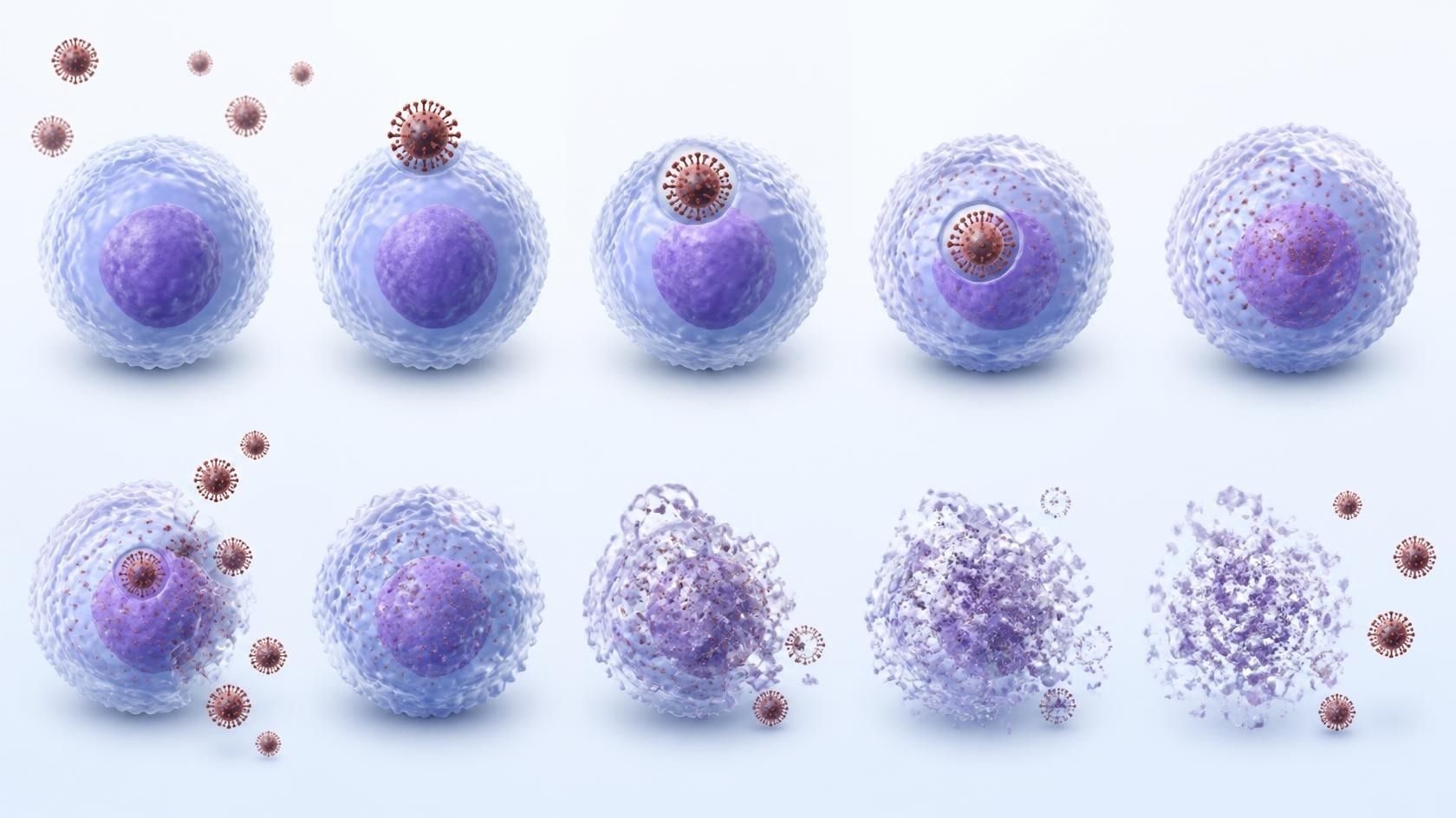 HIV is the virus that causes infection, entering the body and attacking the immune system. In the early stage, symptoms may appear, followed by a latent period during which patients seem healthy but their immune function gradually declines. When the immune system becomes severely damaged, the virus reactivates and triggers life‑threatening complications, marking the progression to AIDS. In short, HIV is the pathogen, while AIDS is the disease state that develops after the infection worsens.
The concept of cocktail therapy has long extended beyond the realm of HIV/AIDS, proving successful in the treatment of other diseases as well. In cancer care, for instance, chemotherapy often takes the form of combination regimens, where different drugs attack tumor cells simultaneously, reducing resistance and enhancing effectiveness—an approach that directly reflects the cocktail therapy mindset.
In the management of chronic and cardiovascular diseases, physicians frequently prescribe combinations of medications such as antihypertensives, lipid‑lowering agents, and anticoagulants. These drugs complement one another, allowing patients to control multiple risk factors at once and significantly lowering the likelihood of heart attacks or strokes. This “multi‑layered defense” strategy is another manifestation of the spirit of cocktail therapy.
Moreover, in combating major infectious diseases like tuberculosis or certain viral infections, multi‑drug regimens are essential to prevent pathogens from developing resistance. These examples highlight the core value of cocktail therapy: synergy—different drugs targeting distinct vulnerabilities of a pathogen or disease, working together to build a more comprehensive line of defense.
Although cocktail therapy has brought revolutionary progress in medicine, it also faces significant challenges. First, the use of multiple drugs can lead to complex interactions, affecting each other’s metabolic pathways or efficacy, and sometimes producing unexpected toxic reactions. This requires clinicians to be extremely cautious in designing dosages and selecting drug combinations, so that therapeutic effects are not compromised and risks are minimized.
Second, the accumulation of side effects is a very real issue. Each drug may cause gastrointestinal discomfort, liver or kidney strain, or neurological effects, and when taken together, the physical burden on patients can be considerable. This not only diminishes quality of life but may also reduce patients’ willingness to remain on therapy.
Adherence is another critical challenge. The effectiveness of cocktail therapy depends on long‑term, consistent use. If patients interrupt treatment or fail to take medication on schedule, the virus can rebound quickly and even develop resistance, rendering previously effective drugs useless. This demands a high level of discipline from patients in both psychological and lifestyle aspects, while medical teams must provide ongoing support.
Finally, the issue of cost cannot be overlooked. Because cocktail therapy involves multiple drugs, expenses are often substantial, posing a heavy burden for low‑income patients or those in regions with limited healthcare resources. Ensuring equitable access and affordability worldwide remains an urgent public health priority.
Cocktail therapy is steadily opening new possibilities as medicine and technology advance. First, in drug development, scientists are working to reduce the number and dosage of medications, aiming to further simplify treatment. Long‑acting injectable formulations or implantable drugs are being explored, allowing patients to maintain therapeutic effects with monthly or even quarterly administration instead of daily pills. This would greatly improve adherence and ease the psychological and lifestyle burden on patients.
Second, research in gene editing and immunotherapy is offering new directions. In the future, it may be possible to engineer immune cells to sustain antiviral activity or even eliminate latent viral reservoirs, breaking through the current limitation of lifelong medication. Such strategies, combining conventional drugs with cutting‑edge biotechnology, could evolve cocktail therapy into a more comprehensive treatment model.
In addition, global public health initiatives are striving to expand access and reduce costs, ensuring that more patients can obtain treatment equitably. As drug prices decline and healthcare resources are distributed more widely, the impact of cocktail therapy will extend beyond affluent regions to benefit populations worldwide.
Overall, the future outlook for cocktail therapy lies in becoming simpler, longer‑lasting, and more widely accessible, with the potential to integrate emerging technologies and move closer to the ultimate goal of a cure.
 Advances in medical technology have brought hope to many people and transformed countless lives.
We leverage big data to bring you the most fascinating and mind-blowing trivia. Follow us for regular updates—prepare to be amazed while leveling up your knowledge.


Volcanoes are breathtakingly majestic, drawing countless visitors to admire their scenery. But what would happen if someone were to slip and fall into one? ### Density The density of lava is

The Sun we see every day brings us warmth, light, and vitality. Yet while we take it for granted, have we ever wondered why the Sun can continuously provide energy without end? Where does its

The supermarket shelves are filled with an overwhelming variety of alcoholic beverages, and as consumers, we are often accustomed to simply purchasing ready-made products. Yet one may wonder: is it

In everyday life we often hear the terms “sugar” and saccharide,” “carbohydrate” and “starch.” These words appear similar, yet they are easily confused. Is sugar the same as carbohydrate? Is

Alcohol has become almost indispensable in many cultures and social settings. Whether at workplace gatherings, dinners with friends, or even business negotiations, it often serves as a social

The polar realms, shrouded in relentless cold and endless mystery, remain territories that most people will never set foot upon in their lifetime. The Antarctic and the Arctic lie at opposite ends of

Stepping into the tropical rainforest, people are often astonished by the sheer size of its creatures: beetles as thick as a thumb, butterflies with wings as wide as a hand, and even frogs and ants

In everyday life, showering is a time for relaxation, cleansing, and even reflection. Yet there is one seemingly trivial question that often sparks debate: should you urinate while showering? Some



Follow us for quirky updates, fun discoveries, and a front‑row seat to the weird and wonderful world we live in.