
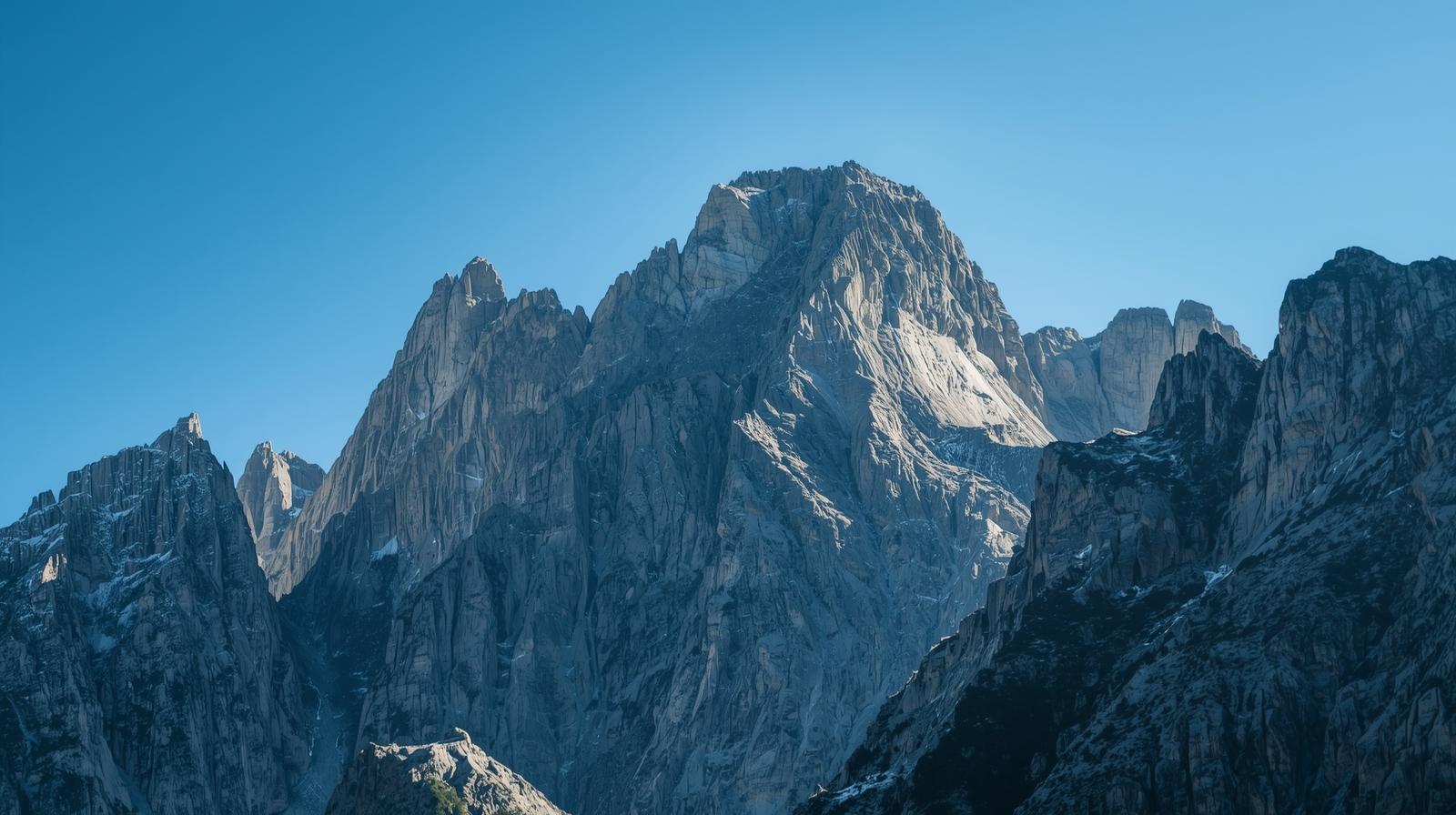
Majestic mountain ranges bring extraordinary landforms to the Earth. From an initial stretch of flat ground to towering peaks that pierce the clouds, how did they rise from beneath the surface and surge skyward?
Tectonic plates are massive rock units that make up the Earth’s surface, often imagined as pieces of a “crustal jigsaw puzzle” fitted together. These plates are not fixed in place; instead, they float atop the relatively pliable asthenosphere beneath them.
Because the Earth’s interior contains immense heat energy, this energy is released outward through mantle convection, gradually driving the plates to move. Although their speed is usually only a few centimeters per year, over geological timescales such motion is sufficient to shift continents, build mountains, and open oceans.
The movement of plates is primarily driven by the Earth’s internal heat. Material within the mantle rises when heated and sinks when cooled, creating continuous convection currents—much like a pot of boiling soup—that carry the plates above them.
Interactions at plate boundaries also shape their motion: some plates collide and compress, forming towering mountains; others pull apart, allowing magma to rise and create new oceanic crust; still others slide past one another along faults, releasing energy in the form of earthquakes.
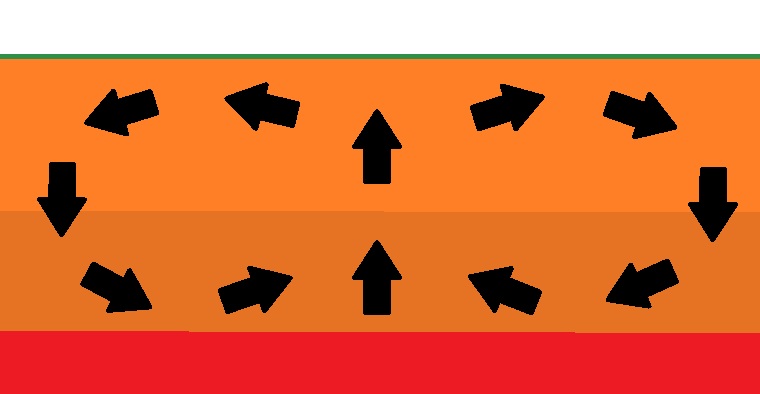 Mantle convection
Orogeny is a large-scale geological phenomenon driven by tectonic activity, essentially the process in which the Earth’s crust is compressed, uplifted, and reshaped into mountain ranges under immense pressure. The Earth’s surface is composed of multiple tectonic plates, which are constantly in motion due to the thermal energy within the mantle. When two plates collide or press against each other at their boundaries, rock layers experience intense compression. Over time, this compression causes crustal material to accumulate, deform, and ultimately rise to form towering mountains.
The operation of orogeny is not instantaneous but unfolds over millions of years, sometimes even longer. Under sustained pressure, rock layers bend and fracture, producing fold mountains or fault-block mountains. Volcanic activity may also accompany orogeny, as magma from the Earth’s interior is pushed to the surface, further reshaping the landscape. Together, these processes sculpt the Earth’s diverse landforms.
Fold Mountains
Fault-block Mountains
Volcanic Mountains
Erosional Mountains
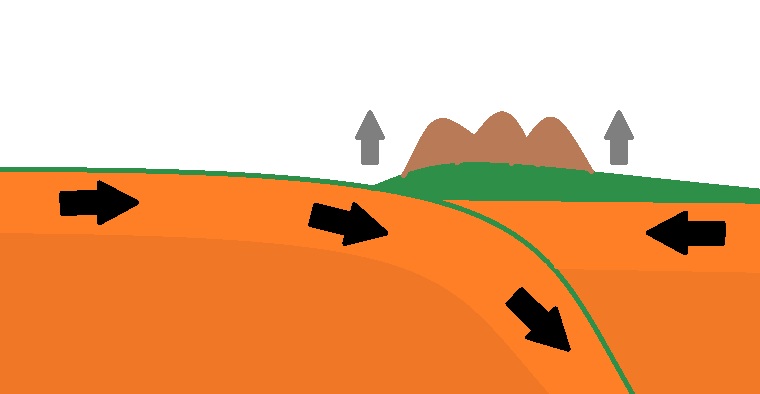 Subduction creates majestic mountain ranges
In today’s world, some mountain ranges are still growing, because tectonic activity has not come to a halt. When two plates continue to collide and compress at their boundaries, the crust is steadily uplifted, causing the mountains to rise higher. Although this process is slow—only a few millimeters to a few centimeters per year—it becomes highly significant on the scale of geological time.
The Himalayas are a classic example. The Indian Plate continues to push northward, colliding with the Eurasian Plate, and this immense force keeps the Himalayas rising, with peaks such as Mount Everest still increasing in height year by year. This ongoing mountain-building not only reshapes the terrain but also influences regional climate and water systems. Similarly, the Andes are still growing as the Nazca Plate presses against the South American Plate.
Orogeny itself is a remarkable geological force, offering humanity not only majestic mountain ranges but also profound insights. First, it reminds us that Earth is not a static planet but a continuously evolving organism. The formation of mountains requires millions of years, making us aware of how fleeting human life and civilization are on the geological scale, and prompting reflection on time and existence.
Second, orogeny demonstrates the power of pressure and transformation. Rocks bend and fracture under immense stress, ultimately rising into lofty peaks. This mirrors challenges in human life: though hardship and pressure are difficult, overcoming them can lead to new heights. Such a metaphor encourages us to see adversity not merely as destruction, but as a potential catalyst for growth.
Furthermore, orogeny shapes diverse environments and resources, influencing human settlement, cultural development, and the distribution of civilizations. It reminds us that human history does not exist in isolation but is deeply embedded in Earth’s dynamic processes. Mountains alter climate, nurture water sources and minerals, and these natural conditions directly shape the character of human societies.
Thus, orogeny is more than a geological phenomenon—it sparks philosophical and cultural reflection: How do humans find their place within nature’s enduring forces? How should we understand the value of pressure, change, and continuous evolution? These are the deeper questions that mountain-building inspires.
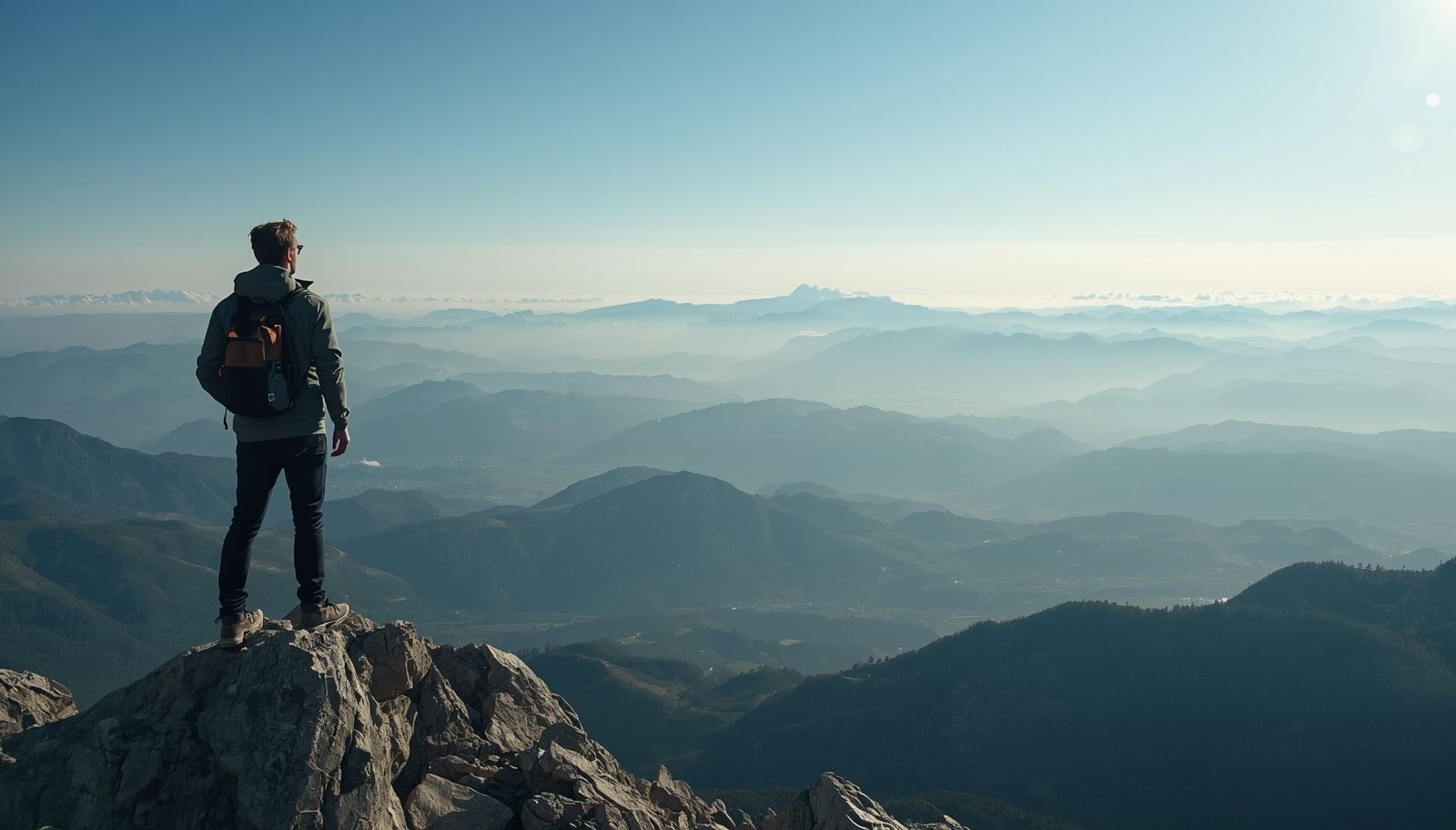 The great challenges one faces in life may well be the very tempering that prepares them for reaching the summit
We leverage big data to bring you the most fascinating and mind-blowing trivia. Follow us for regular updates—prepare to be amazed while leveling up your knowledge.



The Sun we see every day brings us warmth, light, and vitality. Yet while we take it for granted, have we ever wondered why the Sun can continuously provide energy without end? Where does its
Human sex is not only a fundamental biological trait but also a force that profoundly shapes the structure and functioning of society, influencing family roles, cultural norms, and institutional

Eggs are a highly nutritious food. They contain high‑quality protein that provides the essential amino acids required by the human body. The yolk is rich in vitamins A, D, E, and K, as well as

Cancer often strikes fear because it is not merely a disease, but a force that can completely alter the course of a person’s life. Once someone is diagnosed, the focus of daily living shifts

“Cocktail therapy” is currently regarded as one of the most effective treatments for HIV/AIDS. Its core principle is the simultaneous use of multiple types of antiretroviral drugs in combination to

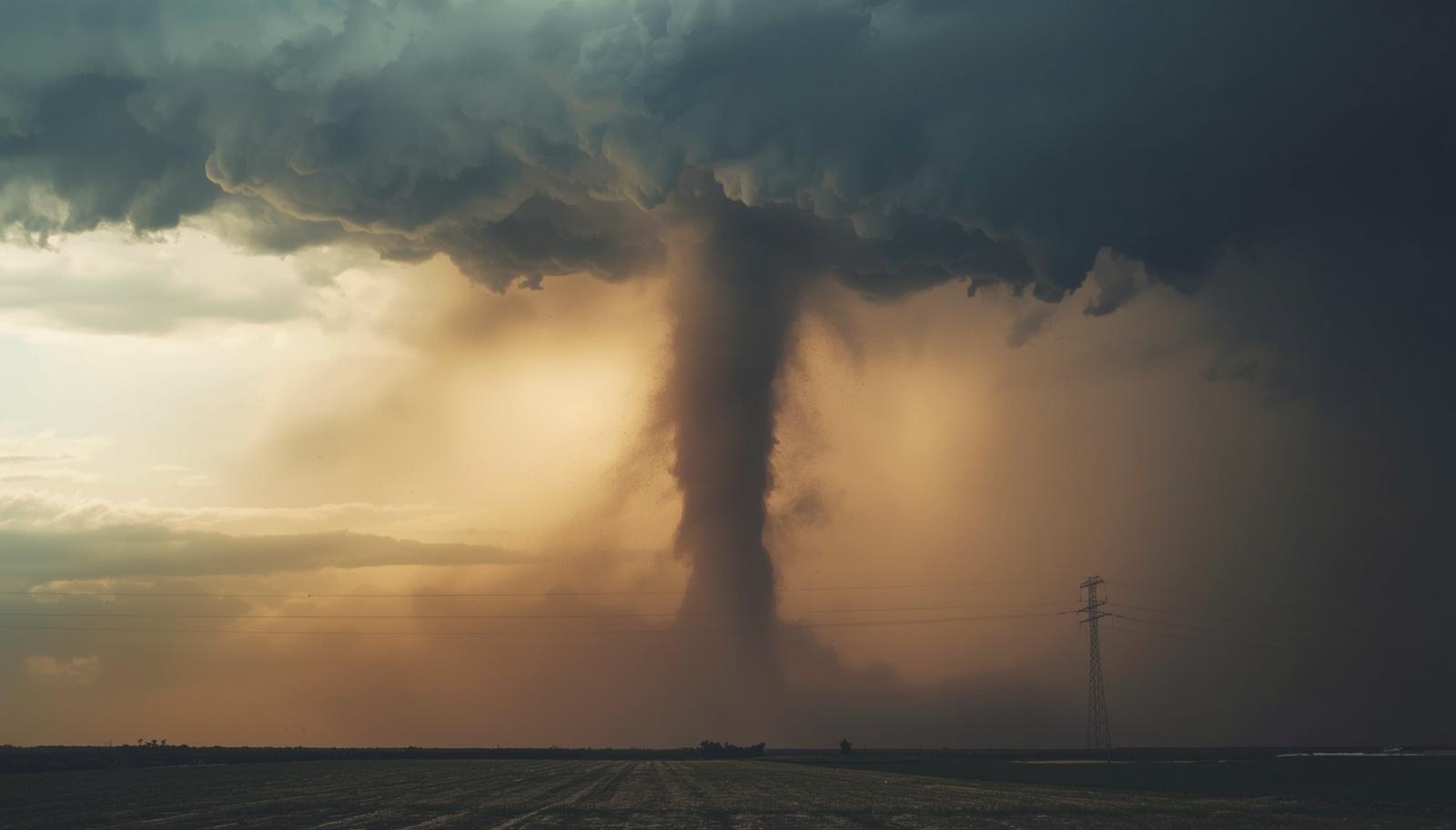
A tornado is an extreme weather phenomenon, essentially a rapidly rotating column of air formed within intense convective thunderstorm clouds. When warm, moist air collides violently with cold, dry
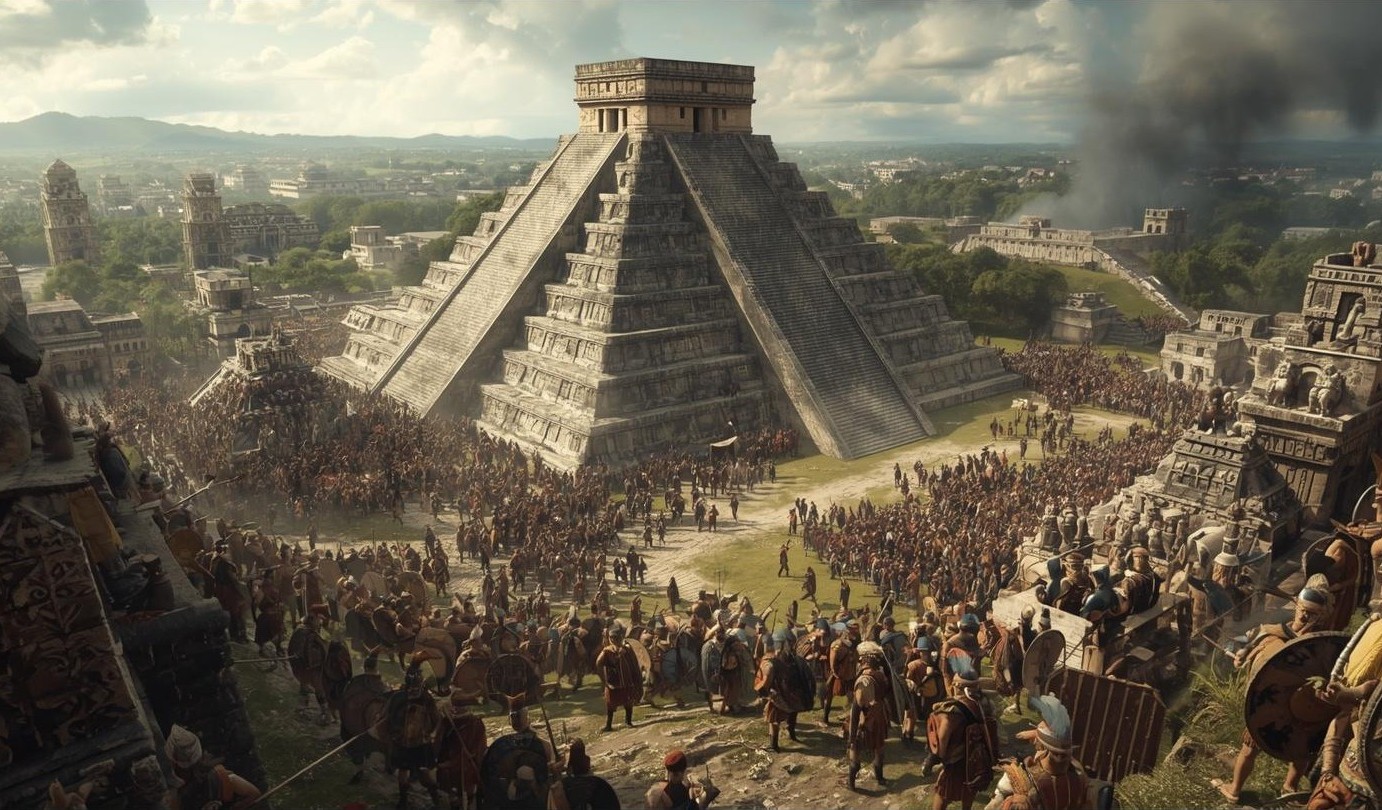
The Maya civilization was once highly advanced, achieving remarkable accomplishments in science and technology that surpassed many contemporary cultures. Yet, why was it still invaded and ultimately
Christianity, Catholicism, Orthodoxy and Protestantism Christianity is a faith centered on Jesus Christ, emphasizing salvation and the relationship with God. It is also one of the religions with


Follow us for quirky updates, fun discoveries, and a front‑row seat to the weird and wonderful world we live in.