
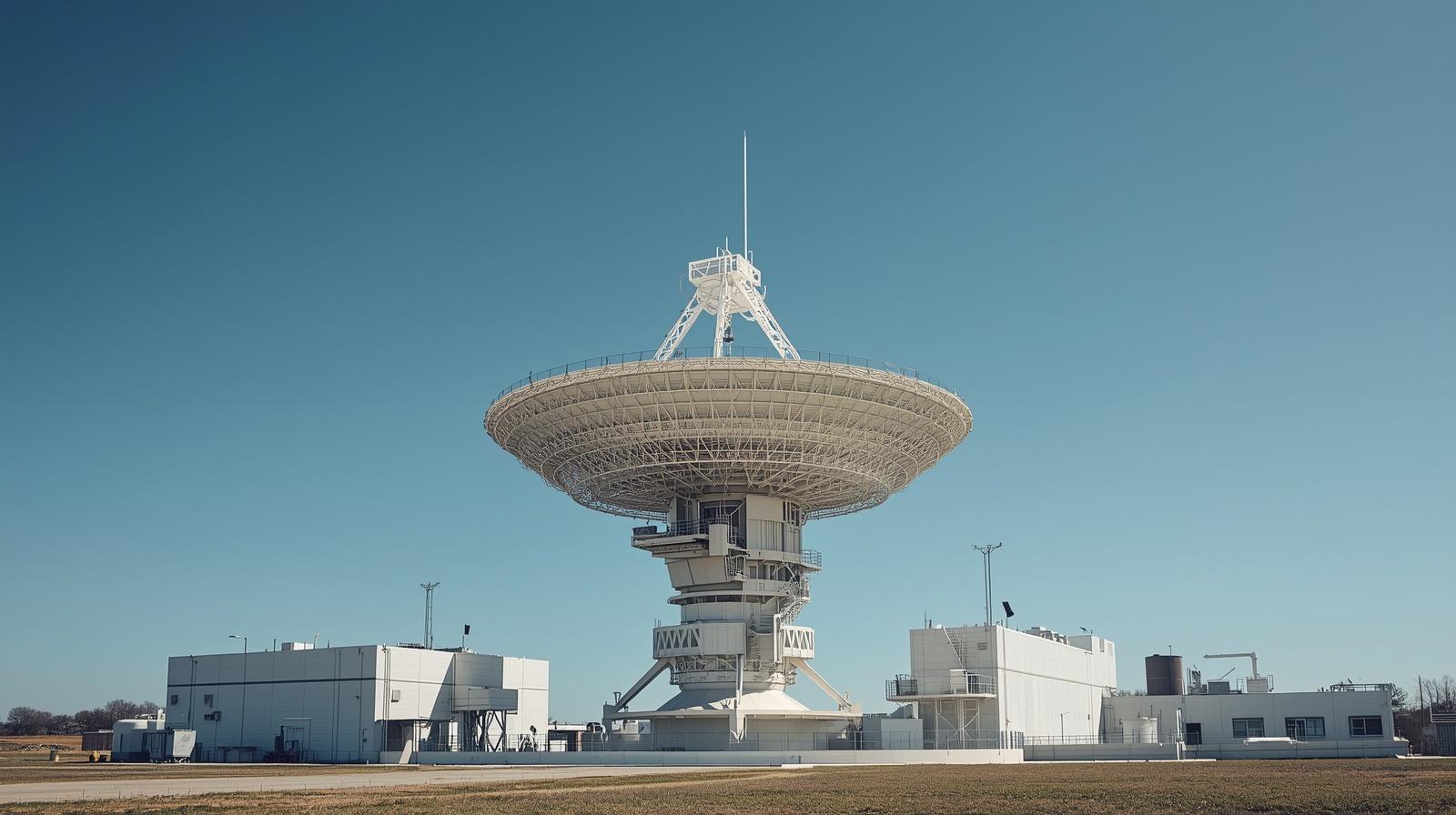
Radar has an exceptionally wide range of applications, capable of precisely determining an object’s position, distance, and velocity. Its powerful effectiveness becomes even more evident under conditions of low visibility or when the line of sight is obstructed. So how, exactly, does radar detect its targets?
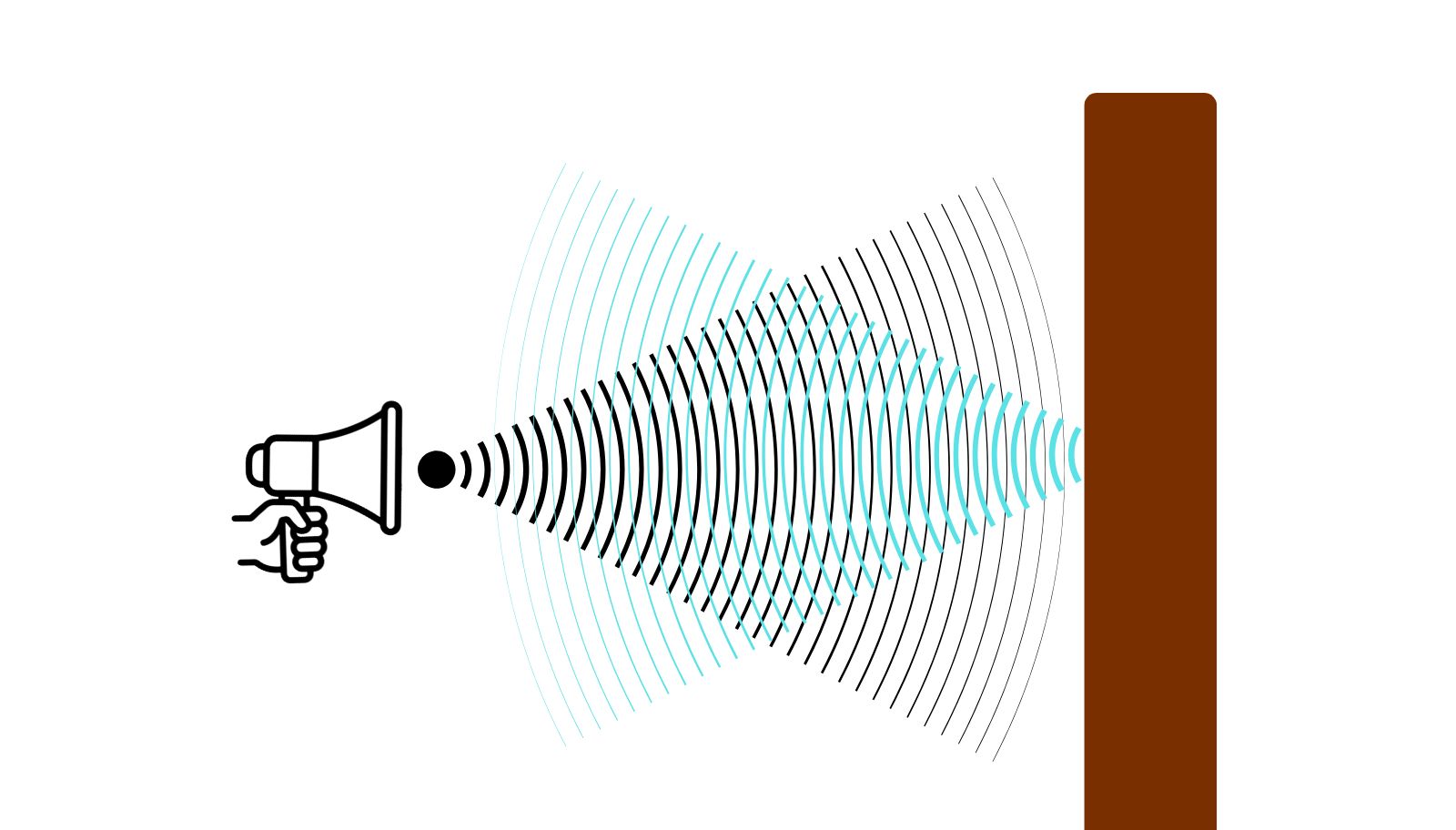
An echo is the phenomenon in which a sound, after being reflected in space, is heard again by the human ear. At its core, it is the “delayed return of a sound wave.” When sound encounters a hard or smooth surface—such as a cliff, a building wall, or the interior of a cave—part of its energy is not absorbed but reflected back. These reflected waves, after traveling an additional path, reach the ear once more, producing what we perceive as an echo.
Its operation depends on the finite speed of sound waves. The original sound reaches the ear directly, while the reflected sound must travel a longer route, creating a slight delay. If this delay exceeds the threshold of human auditory distinction (about 0.1 seconds), we can clearly separate the “original sound” from the “echo.” This explains why shouting in a valley or an open field often produces repeated sounds.
When applied with precision, echoes can serve as an effective tool for measuring distance. The principle rests on the constancy of sound speed and the measurement of time differences. When a person or an instrument emits a sound wave, it propagates outward and reflects off an obstacle. By measuring the time gap between emission and return, one can calculate the distance the wave has traveled.
However, sound waves as a medium for detection or transmission have notable drawbacks. First, their speed is relatively slow. In air, sound travels at about 340 meters per second, which makes them inefficient in situations requiring rapid response or highly accurate measurement. Compared with other forms of energy, the inherent delay of sound limits its usefulness.
Second, the propagation range of sound is restricted. As distance increases, sound energy diminishes quickly, especially in air where absorption and scattering are significant, making long-distance transmission unstable. This is why shouting in an open area only carries so far before fading.
Third, sound waves are highly susceptible to environmental interference. Factors such as temperature, humidity, wind speed, and terrain can alter sound velocity and propagation, introducing errors in measurement or signal transmission. This instability reduces their reliability in precise detection.
Finally, wavelength poses another limitation. Sound waves generally have long wavelengths, which means they are poor at resolving small objects or producing high-resolution imaging. Excessive wavelength leads to insufficient resolution, resulting in blurred detection outcomes.
Electromagnetic waves are a form of energy produced by the oscillation of electric and magnetic fields, propagating outward without the need for any material medium. This allows them to travel through a vacuum at nearly the speed of light, far surpassing the transmission speed of sound in air or water.
Their spectrum is remarkably broad, encompassing radio waves, microwaves, infrared radiation, visible light, ultraviolet radiation, X‑rays, and gamma rays—each representing different frequency bands of the same fundamental phenomenon.
Compared with sound waves, electromagnetic waves possess several distinct advantages. Their velocity is extraordinarily high, enabling near‑instantaneous transmission over long distances, which is crucial for technologies requiring rapid response or precise measurement.
Their propagation range is extensive, remaining stable not only within the atmosphere but also across outer space, unlike sound waves that quickly attenuate.
They are also far less susceptible to environmental interference. Variations in temperature, humidity, or wind have negligible effects on electromagnetic waves, ensuring high reliability. Finally, their wide range of wavelengths allows for flexible selection of frequency bands tailored to specific needs, making possible high‑resolution detection and imaging.
These characteristics make electromagnetic waves indispensable in communication, detection, navigation, and scientific research. By overcoming the limitations of sound waves—such as slower speed, shorter range, and greater vulnerability to interference—electromagnetic waves provide stable and precise performance even in complex environments, demonstrating advantages far beyond those of acoustic methods.
The process of radar detection can be envisioned as a complete cycle of “signal transmission, waiting for a response, and subsequent analysis.”
When the radar system is activated, its transmitter releases pulses of high‑frequency electromagnetic waves. These waves spread outward at nearly the speed of light, functioning like invisible probing beams sweeping across the surrounding space. When the waves encounter the surface of an object, part of their energy is reflected back, producing what is known as an echo.
The receiver’s antenna immediately captures these echoes and converts them into electrical signals. Because the speed of electromagnetic waves is constant, the system can calculate the distance to the object by measuring the time difference between transmission and reception. Variations in the strength of the returned signal can also reveal information about the object’s size, shape, or material properties.
During the signal‑processing stage, the radar filters, amplifies, and analyzes the incoming data, ultimately transforming it into images or coordinates displayed on a screen. This enables operators to clearly determine the target’s position, distance, and even its motion.
The entire detection process is both rapid and precise, maintaining stability even in complex environments. These qualities explain why radar has become indispensable in aviation, maritime navigation, meteorology, and military surveillance.
The Doppler effect is a phenomenon in which the frequency and wavelength of a wave change due to relative motion between the source and the observer.When such motion exists, the spacing of the wavefronts is altered. If the source moves toward the observer, the wavefronts are compressed, the frequency rises, and the sound or signal appears sharper; if the source moves away, the wavefronts are stretched, the frequency decreases, and the sound or signal seems lower.
This effect is most intuitively experienced with sound waves—for example, the change in pitch of a siren as an ambulance approaches and then recedes—but it applies equally to electromagnetic waves.
In radar operations, the Doppler effect is ingeniously employed to determine the motion of a target. When radar transmits electromagnetic waves and receives the echoes, any movement of the target produces a frequency shift in the reflected signal. The direction and magnitude of this shift reveal the target’s motion: if the target is approaching the radar, the echo frequency is slightly higher; if it is receding, the frequency is slightly lower.
The advantage of using the Doppler effect in radar lies in its ability to provide immediate information about a target’s velocity and direction, without relying on repeated distance measurements. A radar that only compares successive echoes can indeed detect changes in position, but it requires accumulating data over time, which is slower and more prone to error.
By contrast, the Doppler effect manifests within a single echo, directly encoding the target’s relative speed. This allows radar to instantly determine whether an object is moving closer or farther away, greatly improving detection efficiency and responsiveness. Such immediacy is vital in contexts like air traffic control or missile defense, where rapid and accurate assessment of motion is critical.
Moreover, velocity data derived from Doppler shifts are often more precise than those obtained through distance comparisons, since frequency shifts can be measured with high sensitivity using advanced signal‑processing techniques. As a result, radar systems can deliver both distance and velocity information simultaneously, creating a more comprehensive and reliable detection capability.
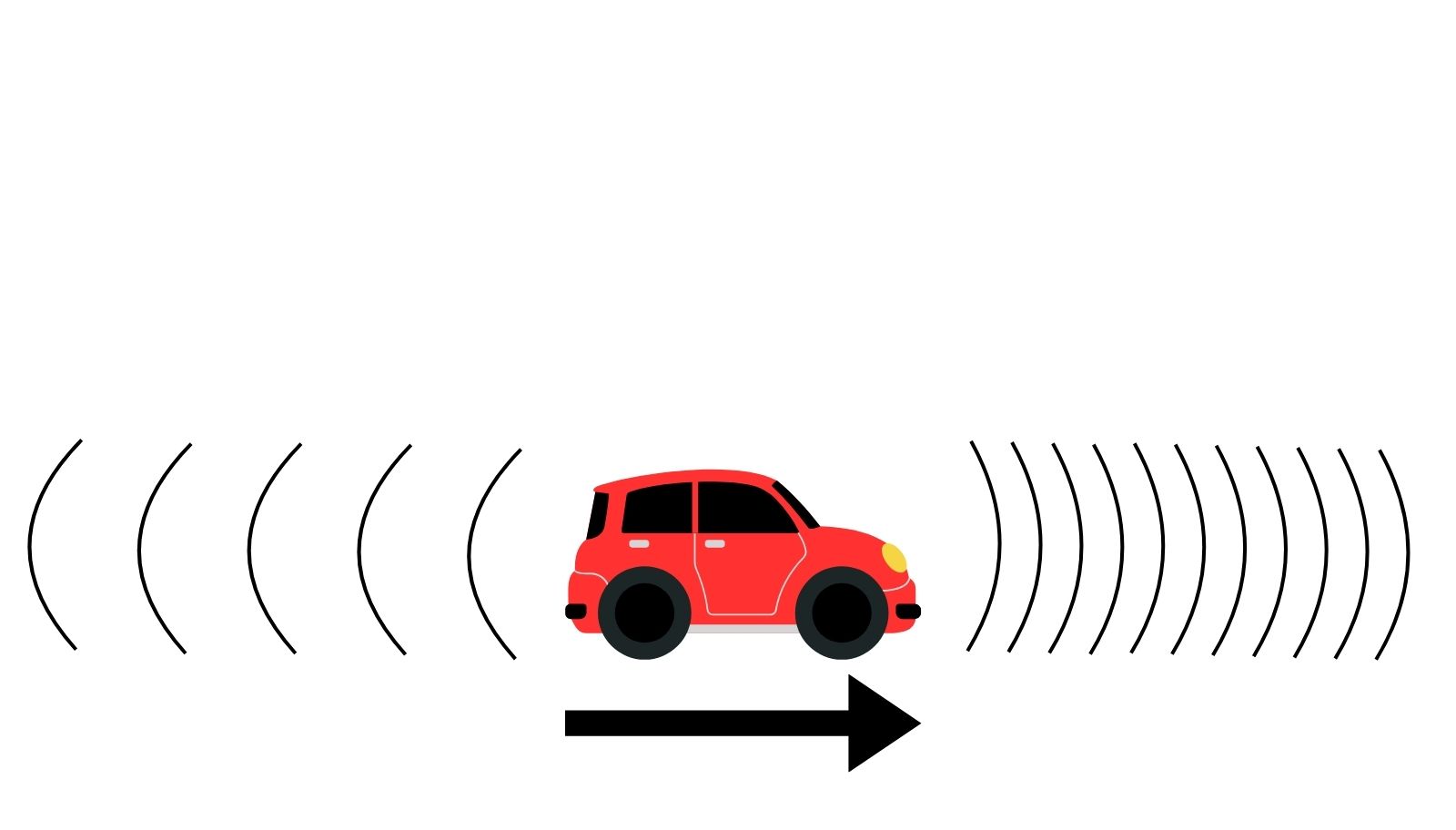 When the source of a wave is in motion, the sound waves in front of it are compressed, causing the frequency to rise, while the waves behind it are stretched, causing the frequency to drop; this difference clearly reveals whether the object is approaching or moving away from the observer.
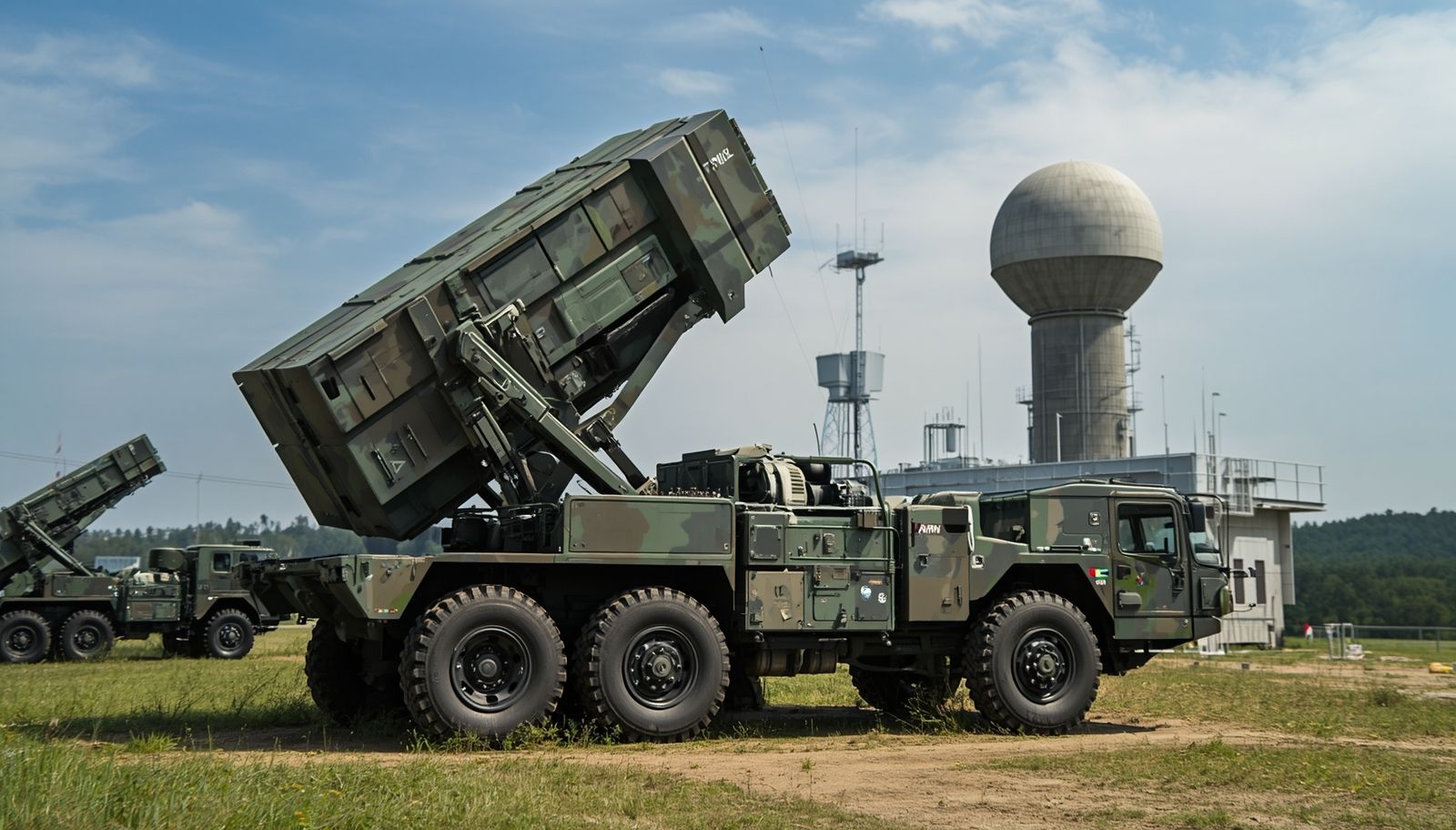 Radar holds a position of paramount importance in military applications
We leverage big data to bring you the most fascinating and mind-blowing trivia. Follow us for regular updates—prepare to be amazed while leveling up your knowledge.


Whether bizarre and fantastical events or ordinary, trivial matters, they all appear in our dreams. Some dreams are so vivid that we remember them clearly after waking, while others vanish instantly

On an airplane, flight attendants are constantly reminding us of various instructions: fasten your seatbelt, stow your tray table, adjust your seatback, and even raise the window shades. What is the

Bees are among the most familiar insects to humans. They flutter among flowers, collecting nectar, and often appear to embody diligence and charm. Yet behind this gentle exterior lies a harsh law of

There are many different kinds of vinegar in the world, ranging from fruit vinegar and rice vinegar to wine vinegar and white vinegar, each with its own distinctive flavor and use. Fruit vinegar

In everyday life we often hear the terms “sugar” and saccharide,” “carbohydrate” and “starch.” These words appear similar, yet they are easily confused. Is sugar the same as carbohydrate? Is

The current global situation of myopia has become a significant public health issue. With the advance of urbanization and the widespread use of technology, human lifestyles have undergone profound

In our daily lives and studies, we often encounter situations where we forget things. It might be that we planned to bring something before leaving home but suddenly forgot, or that a piece of

A tornado is an extreme weather phenomenon, essentially a rapidly rotating column of air formed within intense convective thunderstorm clouds. When warm, moist air collides violently with cold, dry



Follow us for quirky updates, fun discoveries, and a front‑row seat to the weird and wonderful world we live in.