
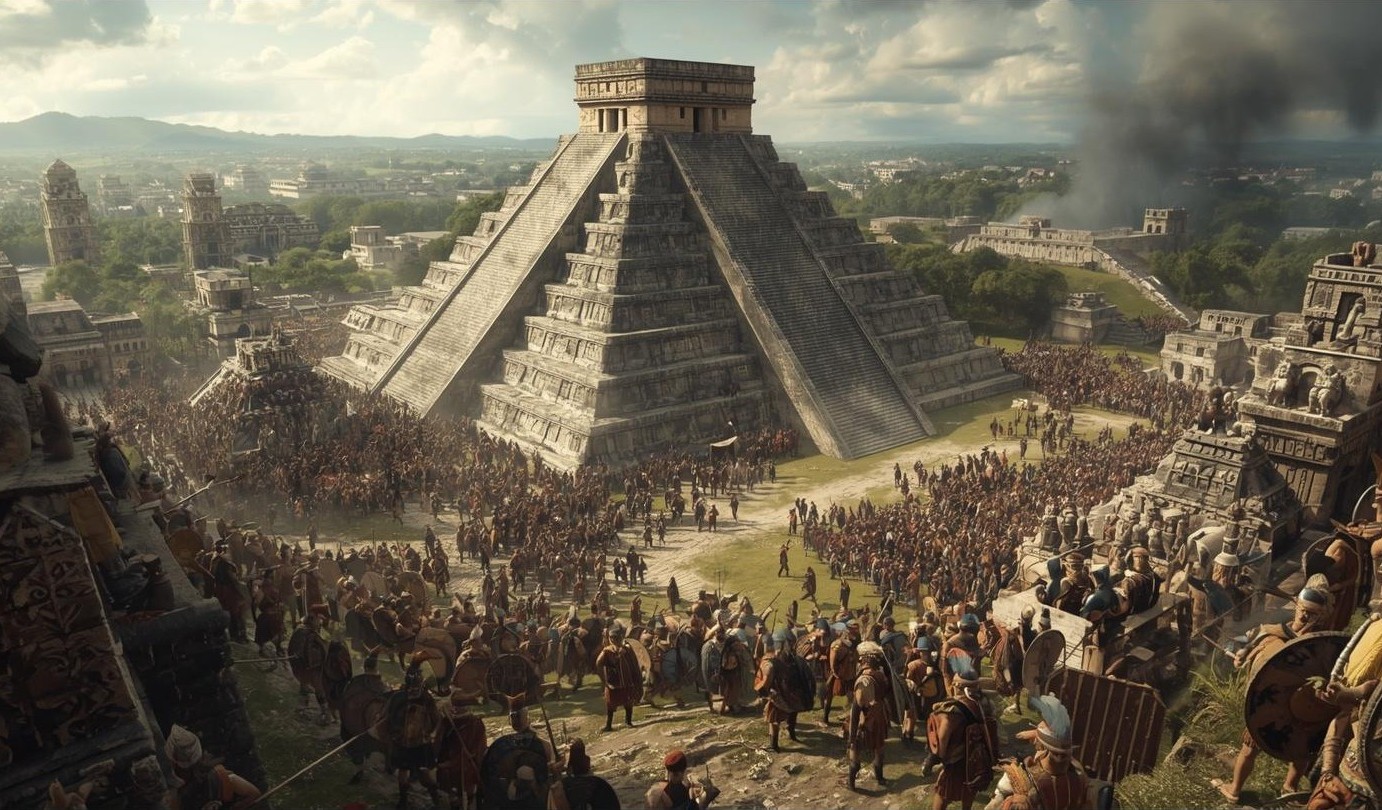
The Maya civilization was once highly advanced, achieving remarkable accomplishments in science and technology that surpassed many contemporary cultures. Yet, why was it still invaded and ultimately subdued?
The Maya primarily inhabited present-day southern Mexico (Yucatán Peninsula, Chiapas), Guatemala, Belize, western Honduras, and parts of El Salvador. This vast region encompassed tropical lowlands, mountainous highlands, and coastal plains. Its diverse environments encouraged the development of varied agricultural practices and urban forms.
True prosperity began around A.D. 250, during the Classic Period. Before this, the Maya had already established agricultural settlements and early city-states, but it was in the Classic era that their culture and technology flourished fully.
During this age of prosperity, the Maya expanded their city-states, built monumental pyramids, palaces, and observatories, and achieved excellence in multiple fields of knowledge:
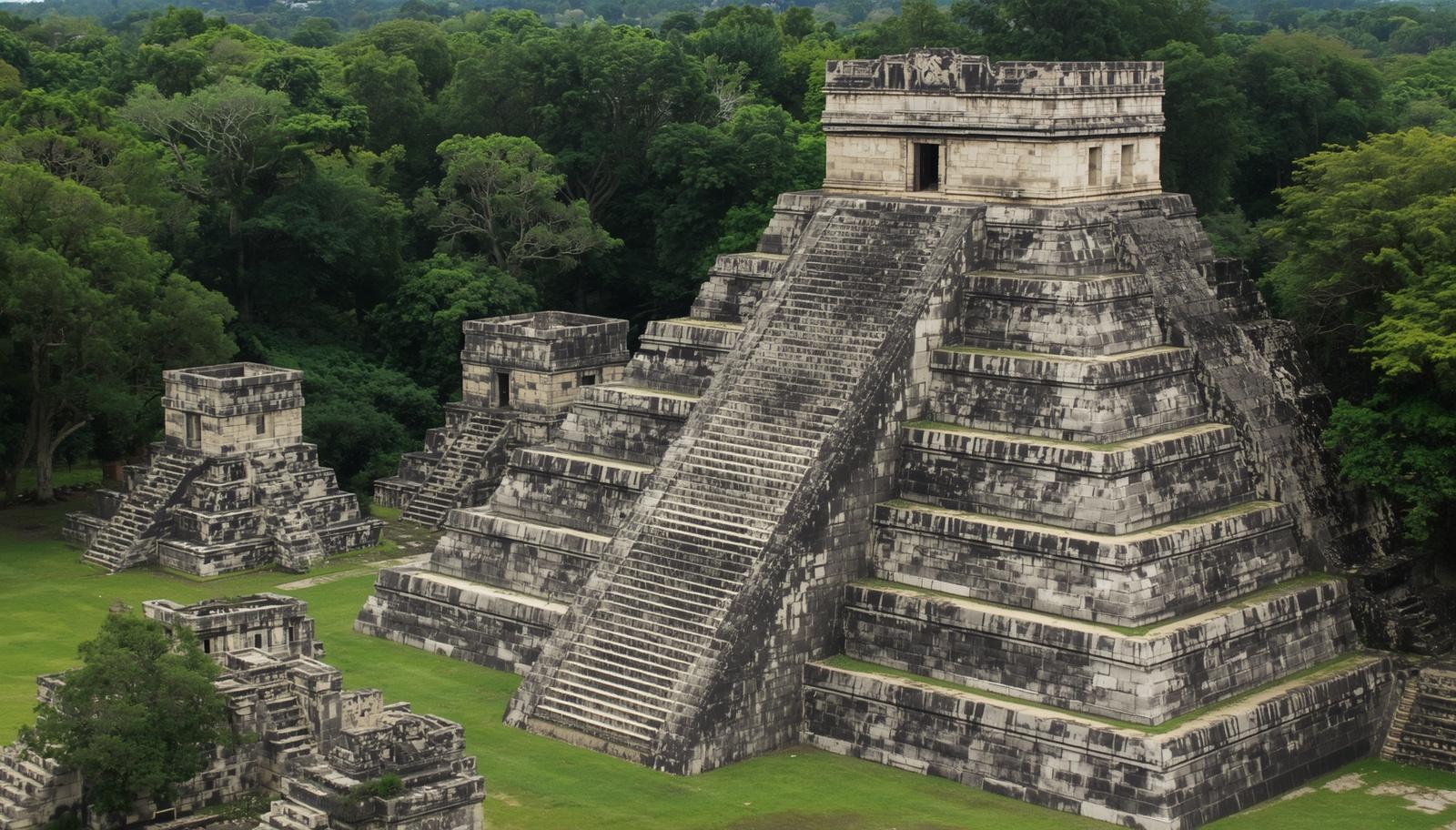
The Maya Civilization Was Once Very Powerful
In the Postclassic Period (c. 900–1500), the Maya shifted from the southern lowlands to the Yucatán and northern regions. Society remained active, but politics, culture, and urban scale changed significantly.
Politically, great Classic centers such as Tikal and Copán declined, while new hubs like Chichén Itzá, Uxmal, and Mayapán rose. These cities displayed stronger military features, with rulers relying on force and alliances to maintain power, making society more unstable than before.
Culturally and technologically, astronomy and calendrical traditions continued, but architecture emphasized defense, with fortifications and walls. Religious practices persisted, yet blended with external influences such as the Toltecs—seen in Chichén Itzá’s Temple of the Warriors and the cult of the Feathered Serpent.
Economically, Postclassic Maya relied more heavily on trade. The Yucatán’s location made it a major hub, exchanging obsidian, salt, cacao, and textiles with other Mesoamerican cultures.
| Classic Period (c. 250–900) | Postclassic Period (c. 900–1500) | |
|---|---|---|
| Politics | Flourishing city-states, stable kingship, mature aristocracy | Fragmented states, militarization, power through force and alliances |
| Science | Astronomy, mathematics, and calendars at their peak; invention of zero | Continued traditions but less innovation; greater external influence |
| Architecture | Monumental pyramids, palaces, observatories; advanced engineering | Defensive structures, fortifications, walled cities |
| Writing | Sophisticated hieroglyphic system; stelae recording dynasties and rituals | Decline in use; records less complete |
| Religion | Polytheism, rituals tied closely to astronomy and calendars | Syncretism with Toltec culture; Feathered Serpent worship prominent |
| Economy | Agriculture-based: maize, beans, squash | Trade-centered; Yucatán as a commercial hub |
| Core Development | Intellectual and religious flourishing; civilization at its peak | Militarization, commerce, cultural blending; scholarly brilliance waning |
The Maya civilization first came into contact with the Spaniards in the early sixteenth century. During Spain’s conquest of the Caribbean and Mexico, explorers gradually “discovered” the existence of the Maya.
The earliest encounter occurred around 1511, when a Spanish ship was wrecked near the Yucatán Peninsula. Survivors were either captured or assimilated by the Maya, marking the first direct contact between Europeans and the Maya civilization. Later, in 1517, Spanish explorer Francisco de Córdoba led an expedition to Yucatán, formally “discovering” and recording the presence of Maya city-states.
Initially, the Spaniards encountered the Maya through maritime exploration and accidental shipwrecks. Only afterward did they begin more organized expeditions and campaigns of conquest. What began as encounters marked by curiosity and trade soon shifted toward military conflict and colonial ambition.
The Spanish invasion of the Maya was a long and complex historical transformation. It was not accomplished in a single stroke, but unfolded intermittently over the course of more than a century.
Early Contact and Exploration (1517–1520s)After conquering the Aztec Empire, the Spaniards gradually turned their attention to the Yucatán Peninsula and the Maya city-states of Central America. The earliest expeditions were presented as missions of exploration and trade, but they quickly escalated into military clashes. With firearms, steel weapons, and cavalry, the Spaniards gained swift advantages in local battles.
The Gradual Collapse of Divided City-States (1520–1600s)Unlike the Aztecs, the Maya did not form a unified empire but were instead organized into numerous independent city-states. This political fragmentation allowed the Spaniards to defeat them one by one, exploiting rivalries and forging alliances to weaken collective resistance. The spread of European diseases accelerated demographic collapse, leaving many city-states defenseless even before direct military conquest.
Final Resistance and Complete Conquest (17th Century)Although most Maya regions had fallen under Spanish control by the mid-sixteenth century, some city-states continued to resist. The most notable was Nojpetén, the capital of the Itza Maya, located in today’s Petén Lake region of Guatemala. Long isolated, it remained independent until 1697, when the Spaniards launched a decisive assault using cannons and ships against the island city. Its fall marked the definitive end of Maya political autonomy.
The Impact of the Spanish Conquest of the Maya:
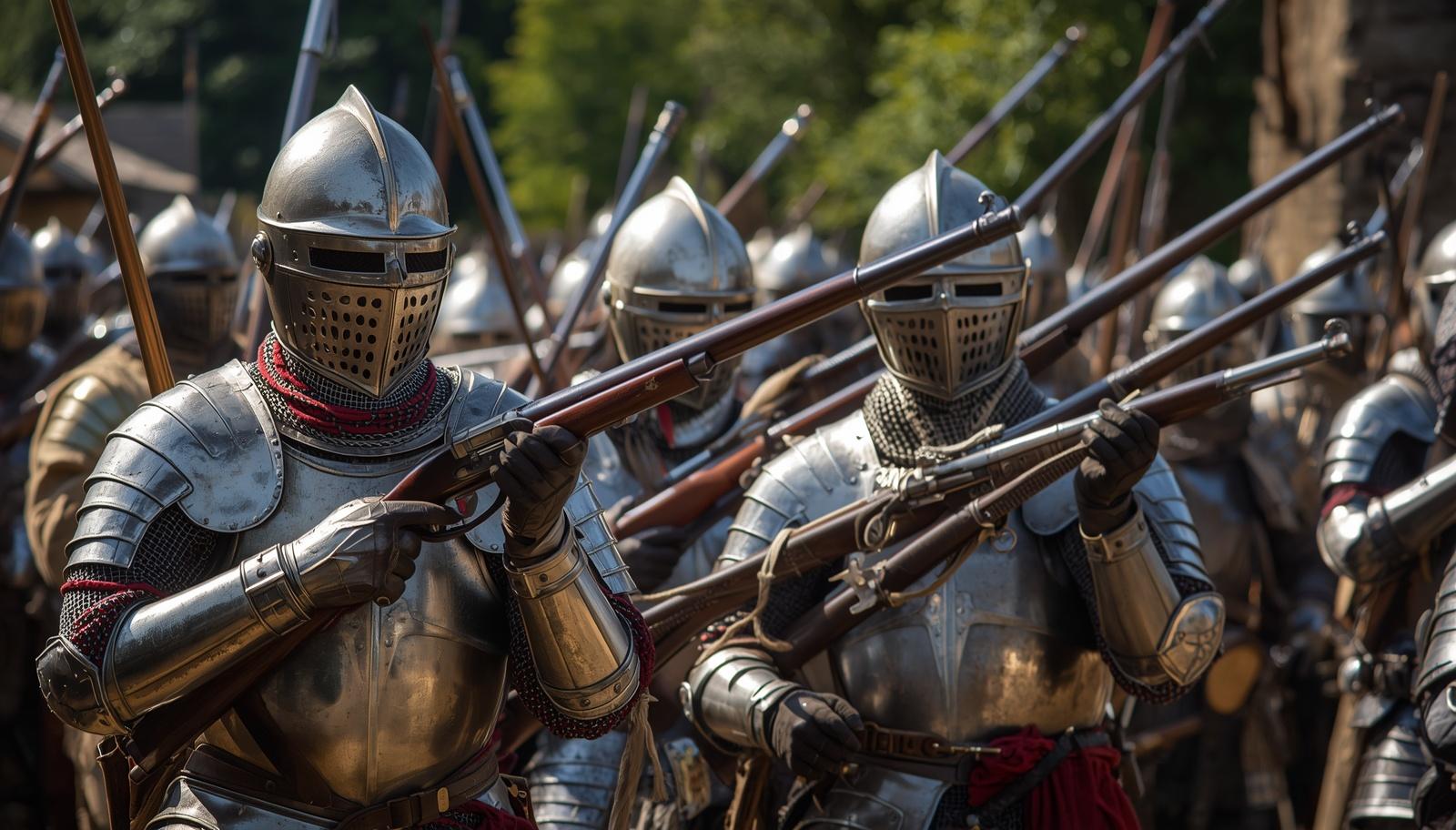 Spanish Conquistadors
Although the Maya civilization achieved remarkable accomplishments in astronomy, mathematics, calendrical systems, and architecture, it was nevertheless conquered by Spain. The reason lay in the vast disparity between the nature of their technology and the realities of military power.
First, the difference in technological orientationMaya knowledge was directed primarily toward scholarly and religious purposes. Their precise calendars served ritual and agricultural planning, their monumental architecture expressed religious and political authority, and their mathematics and astronomy supported cosmological understanding. Yet these achievements did not translate into military strength. By contrast, Spanish technology was concentrated in weaponry, metallurgy, and navigation—fields that directly enhanced warfare and conquest.
Second, the imbalance in military technologySpain possessed firearms, cannons, steel swords, and cavalry, while the Maya relied on obsidian blades, wooden swords, and bows. This disparity meant the Maya could not match Spain on the battlefield. The psychological shock of horses and gunpowder weapons further undermined Maya resistance.
Third, political fragmentationThe Maya were not a unified empire but a constellation of city-states. The Spaniards exploited this division, inciting rivalries and dismantling resistance piece by piece. Without a centralized defense, the Maya struggled to mount a coordinated opposition.
Fourth, the impact of disease and demographic collapseEuropean diseases such as smallpox and measles spread rapidly, causing mass mortality. Even without direct combat, Maya society was weakened as its population declined sharply, eroding its capacity to sustain resistance.
| Field | Maya Civilization Strengths | Spanish Strengths |
|---|---|---|
| Military | Stone weapons, wooden swords, bows, cotton armor | Firearms, cannons, steel swords, cavalry, horses |
| Materials | Obsidian, stone | Iron and steel metallurgy, use of gunpowder |
| Astronomy | Precise observation of celestial bodies, accurate calendars | Basic astronomical knowledge, applied to navigation and positioning, more practical for warfare |
| Mathematics | Vigesimal (base-20) system, concept of zero | Decimal (base-10) system, mathematics applied to navigation, engineering, and military strategy |
| Architecture | Pyramids, palaces, astronomical observatories | Castles, artillery defense |
| Writing | Hieroglyphic script, inscriptions on stelae | Latin alphabet, paper, and printing technology |
The Maya civilization has not disappeared; rather, it continues today in another form. Although they lost political independence in the sixteenth and seventeenth centuries, Maya communities still live in southern Mexico, Guatemala, Belize, Honduras, and El Salvador.
Though conquered in history, the Maya civilization never vanished. Today, the Maya people sustain their languages, traditions, and cultural identity while seeking new roles within modern society. Their endurance stands as proof of the resilience and continuity of their civilization.
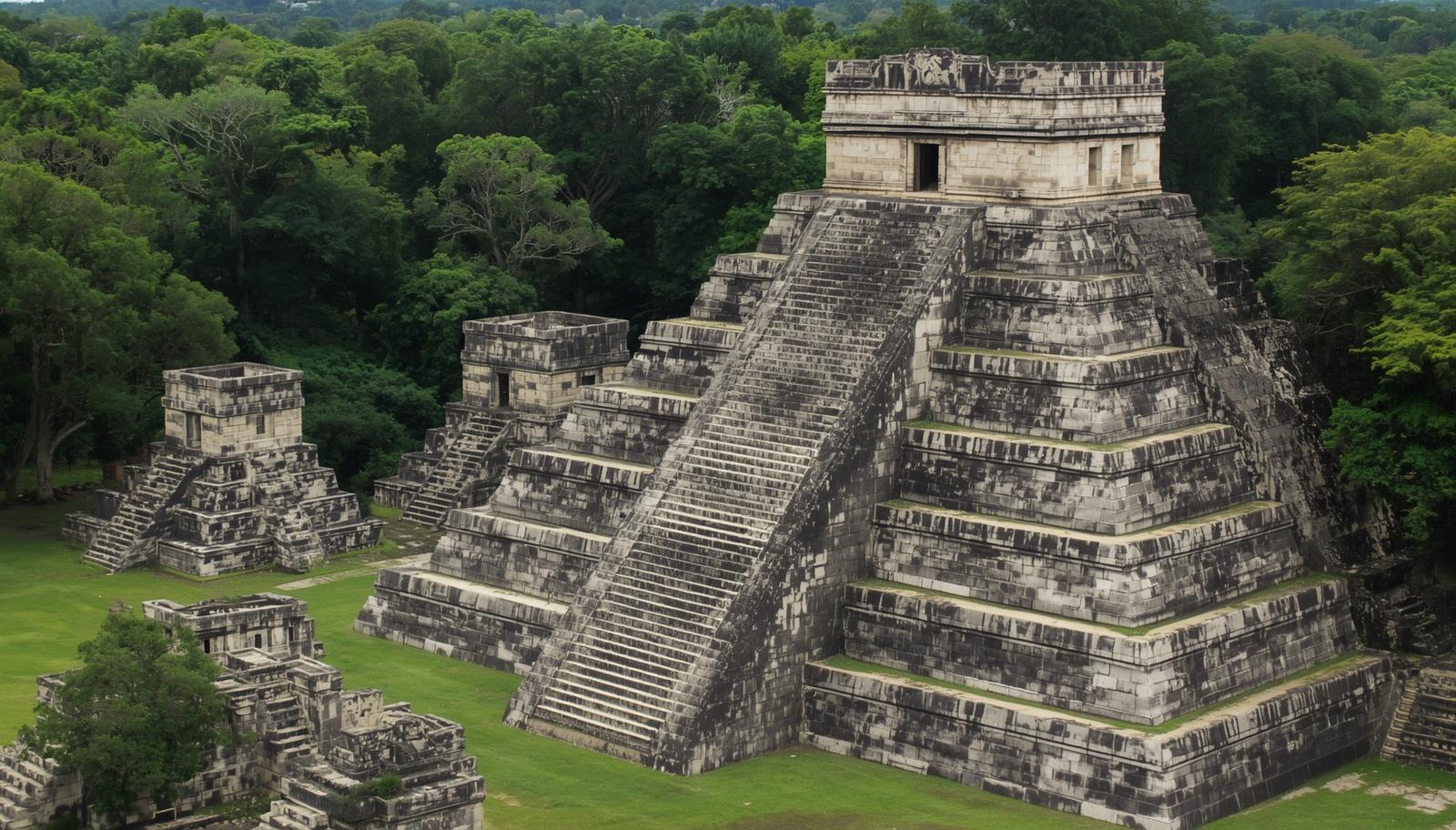 Many Architectural Structures from the Maya Civilization Can Still Be Found Today
We leverage big data to bring you the most fascinating and mind-blowing trivia. Follow us for regular updates—prepare to be amazed while leveling up your knowledge.


Many people have experienced hiccups—those sudden spasms that come in bursts and make us feel uncomfortable. If hiccups occur at the wrong moment, they can be quite embarrassing. So why do hiccups

Majestic mountain ranges bring extraordinary landforms to the Earth. From an initial stretch of flat ground to towering peaks that pierce the clouds, how did they rise from beneath the surface and
Bees are among the most familiar insects to humans. They flutter among flowers, collecting nectar, and often appear to embody diligence and charm. Yet behind this gentle exterior lies a harsh law of
Human sex is not only a fundamental biological trait but also a force that profoundly shapes the structure and functioning of society, influencing family roles, cultural norms, and institutional

A well is one of humanity’s earliest water‑drawing facilities. Its primary function is to bring groundwater to the surface, supplying people with drinking water, irrigation, and everyday use. Because
In everyday life we often hear the terms “sugar” and saccharide,” “carbohydrate” and “starch.” These words appear similar, yet they are easily confused. Is sugar the same as carbohydrate? Is

Alcohol has become almost indispensable in many cultures and social settings. Whether at workplace gatherings, dinners with friends, or even business negotiations, it often serves as a social

Cocktail therapy is a strategy of combination drug treatment, built on the principle of administering medications with different mechanisms of action at the same time so that they complement one



Follow us for quirky updates, fun discoveries, and a front‑row seat to the weird and wonderful world we live in.