

Cancer often strikes fear because it is not merely a disease, but a force that can completely alter the course of a person’s life. Once someone is diagnosed, the focus of daily living shifts instantly—plans, work, family, and even future dreams may be disrupted.
The treatment journey is long and arduous, accompanied by physical suffering and psychological stress, forcing both patients and their families to confront the fragility and uncertainty of life anew.
Yet the question remains: how does cancer actually develop? Why do cancer cells emerge, and what methods are available today to treat this disease?
In the human body, cell division is a fundamental mechanism for sustaining life. It allows old cells to be replaced, damaged tissues to be repaired, and ensures that organs continue to function properly. For rapidly renewing tissues such as the skin and intestines, division is indispensable, as these areas constantly require new cells to maintain their barrier and function. At the same time, division is the basis of growth and development, enabling the body during childhood and adolescence to increase cell numbers, supporting overall growth and metabolism.
However, the process of division is not flawless. Genetic mutations may introduce errors, arising from both internal and external factors. Internally, DNA replication is an extremely complex chemical process. Even with multiple checkpoints and repair mechanisms, random replication errors can still occur—for example, a base may be incorrectly substituted, omitted, or an extra sequence added. If these small errors are not corrected, they can alter genetic information, causing cells to lose precise control during division.
External factors include the influence of carcinogens. Ultraviolet radiation can directly damage DNA structure; chemicals in tobacco can cause base mismatches or breaks; certain industrial pollutants or viruses may insert themselves into or disrupt genes. These carcinogens create persistent molecular damage, forcing cells to continue dividing with faulty genetic information. When such errors accumulate to a critical level, cells may cease to follow normal rules of division, leading to abnormal proliferation.
Normal cells are subject to strict limits when dividing. Once they have completed sufficient renewal and repair, they stop proliferating, maintaining the balance and stability of tissues. This “stop when enough” mechanism ensures that organs do not lose function due to excessive cell growth.
Cancer cells, however, break this rule. They no longer respond to signals that tell them to stop, but instead replicate themselves endlessly, forming tumors that continue to enlarge. As tumors expand, they compress surrounding tissues and interfere with the normal functioning of organs.
More critically, cancer cells consume vast amounts of resources and nutrients during proliferation. They can even stimulate the growth of new blood vessels, channeling more oxygen and nutrients toward the tumor. As a result, healthy cells are forced to struggle in an environment of scarcity.
This relentless resource drain has profound effects on the entire body. Cancer patients often experience unexplained weight loss, as tumors consume enormous amounts of energy and nutrients, leaving the body unable to sustain normal metabolism. At the same time, prolonged deprivation and the constant strain on the immune system lead to deep fatigue, making recovery difficult even with rest.
One of the most dangerous features of cancer cells is their ability to “disguise” themselves to escape attacks from the immune system. Normally, the immune system identifies molecular markers on the surface of cells to determine which are abnormal or threatening, and eliminates them. Cancer cells, however, can alter these surface markers to resemble normal cells, or even conceal signals that should reveal their abnormalities.
Beyond disguise, cancer cells can release certain molecules that suppress immune cell activity, or create an “immunosuppressive microenvironment” that weakens the surrounding immune response.
In other words, they do not merely passively hide, but actively interfere with the immune system’s judgment. This ability allows cancer cells to survive and proliferate within the body, and even spread to other organs, while the immune system mistakenly treats them as “self” and refrains from destroying them.
For this reason, the capacity of cancer cells to evade immune detection becomes one of their most lethal weapons. They can grow unchecked under the nose of the body’s defenses, consume resources, and ultimately disrupt the balance of the entire system—making cancer so difficult to overcome.
 Tobacco and alcohol are classified as Group 1 carcinogens, continuously inducing abnormal cell proliferation and cancer development in multiple ways.
Another of the most dreaded characteristics of cancer cells is their capacity to spread. As a tumor gradually enlarges at its original site, some cancer cells break through tissue boundaries and enter the bloodstream or lymphatic system, traveling with circulation to other organs. Through this process of “metastasis,” cancer ceases to be confined to a single location and becomes a systemic threat.
Cancer cells can spread because they possess multiple abilities: they secrete enzymes that break down surrounding tissue barriers, alter their surface molecules to facilitate entry into blood vessels, and even survive within the bloodstream until they find a new site to settle. Once they reach distant organs, they establish new tumors, consume resources, and disrupt normal functions.
When cancer spreads to distant organs, treatment becomes extremely difficult. Local surgery or radiation therapy can no longer eliminate it, as cancer cells are already dispersed throughout the body. Even with medication, it is hard to target all metastatic sites simultaneously, and cancer cells often develop drug resistance.
Thus, when cancer has metastasized to distant organs, it usually signifies that the disease has entered an advanced stage, with treatment effectiveness greatly reduced and cure often impossible. This systemic spreading ability is one of the most lethal traits of cancer cells, and the very reason cancer inspires such fear.
When cancer cells begin to appear in the body, they often gradually bring about certain symptoms. These signs may not be obvious at first, but as cancer cells continue to multiply and consume resources, patients start to sense abnormalities. If such symptoms persist without a clear cause, it is important to seek medical attention promptly, since early diagnosis often increases the chances of successful treatment.
| Warning Symptom | Why It Appears |
|---|---|
| Unexplained weight loss | Cancer cells continuously consume energy and nutrients, causing the body to waste away too quickly, even with normal eating. |
| Profound fatigue | Constant proliferation of cancer cells drains resources, leaving the body energy‑deficient and the immune system chronically burdened. |
| Persistent or recurring pain | Tumors press against surrounding tissues or nerves, leading to chronic pain. |
| Non‑resolving lump | Cancer cells cluster into a tumor that keeps enlarging, forming a hard mass. |
| Abnormal bleeding or discharge | Tumors damage blood vessels or tissue structures, resulting in bleeding or unusual secretions. |
| Changes in digestion or bowel habits | Tumors affect the stomach or intestines, causing constipation, diarrhea, or difficulty passing stool. |
| Ongoing cough or voice changes | Tumors in the airway or throat disrupt normal function, leading to coughing, blood‑tinged sputum, or hoarseness. |
| Skin abnormalities (non‑healing wounds, mole changes) | Cancer cells interfere with skin repair or cause abnormal growth in moles and spots. |
 Nitrites in processed meat, once inside the human body, can be converted into Nitrosamines as Group 1 carcinogens.
Surgical removal is the most direct approach, in which doctors excise the tumor along with surrounding tissue that may be affected, thereby preventing further spread of cancer cells. The advantage is that it can quickly reduce the tumor burden and, if the cancer has not metastasized, may even achieve a cure. The drawback is that surgery carries inherent risks, and once cancer cells have spread, excision alone is rarely sufficient for complete elimination.
Chemotherapy uses drugs to attack rapidly dividing cells, thereby disrupting the ability of cancer cells to proliferate. Its advantage lies in its systemic effect, making it useful against cancers that have already spread. The disadvantage is that the drugs also affect normal rapidly dividing cells, such as those in hair follicles or the intestinal lining, leading to pronounced side effects including hair loss, nausea, and weakened immunity.
Radiation therapy employs high‑energy beams to damage the DNA of cancer cells, rendering them unable to divide. Its advantage is precision, as radiation can be focused on the tumor site to minimize harm to surrounding healthy tissue. The drawback is that it can still cause localized side effects, such as skin burns or fatigue, and it is primarily effective for local control rather than widespread metastatic disease.
Traditional cancer treatments laid the foundation for modern care, but they also have significant limitations. Surgery can only target localized tumors; once cancer cells have spread, complete removal becomes difficult. Radiation therapy can focus on destroying tumors, yet it may still damage surrounding healthy tissue. Chemotherapy, in particular, has pronounced side effects because its drugs attack not only cancer cells but all rapidly dividing cells, leading to hair loss, weakened immunity, gastrointestinal distress, and considerable suffering for patients.
To overcome these shortcomings, next‑generation therapies have emerged—namely, targeted therapy and immunotherapy.
Targeted Therapy is a precise form of cancer treatment built on the principle of “attacking only the abnormal, not the normal.” Cancer cells often carry specific genetic mutations or abnormal proteins, which serve as their vulnerabilities. Targeted therapy employs specially designed drugs or antibodies to lock onto these abnormal molecules, blocking the signals that drive cancer cell growth or disrupting the mechanisms that sustain their survival.
The human immune system itself is the body’s most powerful therapeutic force. Immunotherapy is founded on the idea of returning to this natural defense, by activating or strengthening the immune system so that immune cells can once again recognize and attack cancer cells.
Immunotherapy enables the immune system to re‑identify cancer cells by dismantling their “disguise.” Cancer cells often alter surface molecules or release inhibitory signals that trick the immune system into perceiving them as normal. Immunotherapy uses drugs or antibodies to block these inhibitory signals, releasing the “brakes” on immune cells and restoring their ability to detect and destroy malignant cells.
These two approaches are regarded as the future direction of cancer treatment because they embody more precise and personalized medical strategies. Unlike traditional therapies that indiscriminately destroy all rapidly dividing cells, they either exploit the specific weaknesses of cancer cells or harness the intelligence of the immune system to fight disease. This shift means cancer treatment is no longer merely about prolonging life, but about potentially altering the course of the illness itself—bringing patients new hope.
| Treatment Method | Principle | Characteristics |
|---|---|---|
| Surgery | Direct removal of the tumor and surrounding tissue that may be affected, preventing further spread of cancer cells. | Quickly reduces tumor burden; if cancer has not metastasized, there is a chance of cure. However, surgery carries risks and is less effective once cancer has spread. |
| Chemotherapy | Drugs attack rapidly dividing cells, disrupting the ability of cancer cells to proliferate. | Acts systemically, effective against metastatic cancer; side effects are significant because normal rapidly dividing cells are also affected. |
| Radiotherapy | High‑energy radiation damages cancer cell DNA, preventing further division. | Precisely targets the tumor site, minimizing harm to surrounding tissue; may still cause local side effects, mainly suitable for localized control. |
| Targeted Therapy | Specially designed drugs or molecules lock onto specific genetic mutations or abnormal proteins in cancer cells. | High precision with fewer side effects; not all cancers have clear targets, and resistance may develop over time. |
| Immunotherapy | Activates or enhances the immune system, enabling immune cells to recognize and attack cancer cells. | Breaks through cancer cell disguise, offers hope for advanced cancers; may cause immune overactivation and immune‑related side effects. |
Even though cancer treatment technologies have advanced, extending life and even curing some patients, the process often comes at a tremendous cost. Surgery, chemotherapy, radiotherapy, or newer targeted and immunotherapies may demand vast amounts of time and money, while bringing painful side effects. Patients must endure not only physical suffering but also psychological stress and a decline in quality of life. In other words, even when treatment succeeds, the journey itself is a difficult ordeal.
Therefore, the most important principle remains: prevention is better than cure. By adopting a healthy lifestyle, avoiding exposure to carcinogens, undergoing regular check‑ups, and participating in early screening, people can significantly reduce their risk of cancer. Compared with investing enormous resources to fight the disease after it arises, prevention spares individuals from the pain and burden of treatment and truly safeguards both life and quality of living.
 Cultivating healthy dietary and lifestyle habits, together with regular exercise, is the best prescription for cancer prevention. An estimated 30% to 50% of cancers are preventable.
We leverage big data to bring you the most fascinating and mind-blowing trivia. Follow us for regular updates—prepare to be amazed while leveling up your knowledge.


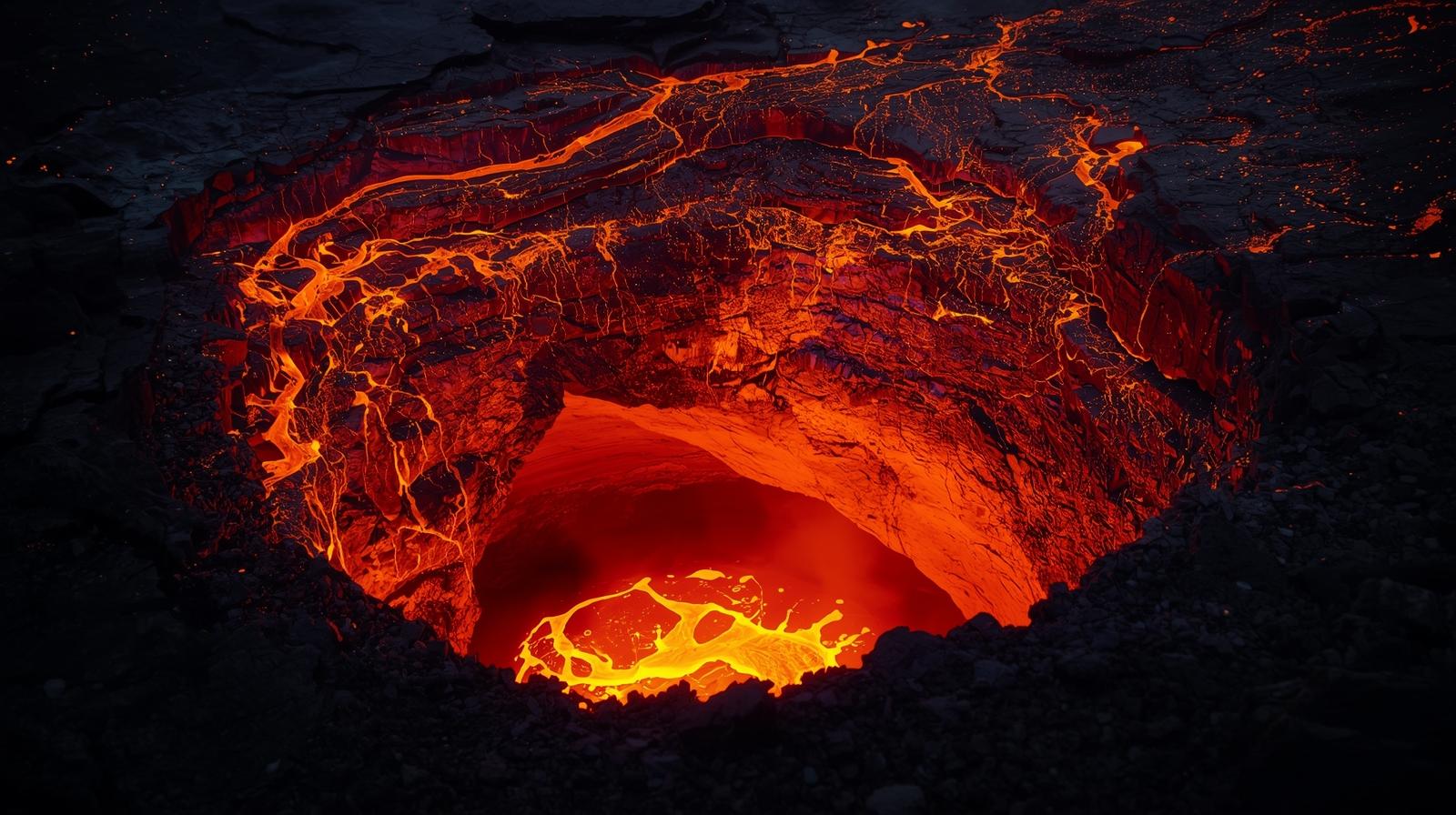
Volcanoes are breathtakingly majestic, drawing countless visitors to admire their scenery. But what would happen if someone were to slip and fall into one? ### Density The density of lava is
The Sun we see every day brings us warmth, light, and vitality. Yet while we take it for granted, have we ever wondered why the Sun can continuously provide energy without end? Where does its

The supermarket shelves are filled with an overwhelming variety of alcoholic beverages, and as consumers, we are often accustomed to simply purchasing ready-made products. Yet one may wonder: is it

Bees are among the most familiar insects to humans. They flutter among flowers, collecting nectar, and often appear to embody diligence and charm. Yet behind this gentle exterior lies a harsh law of
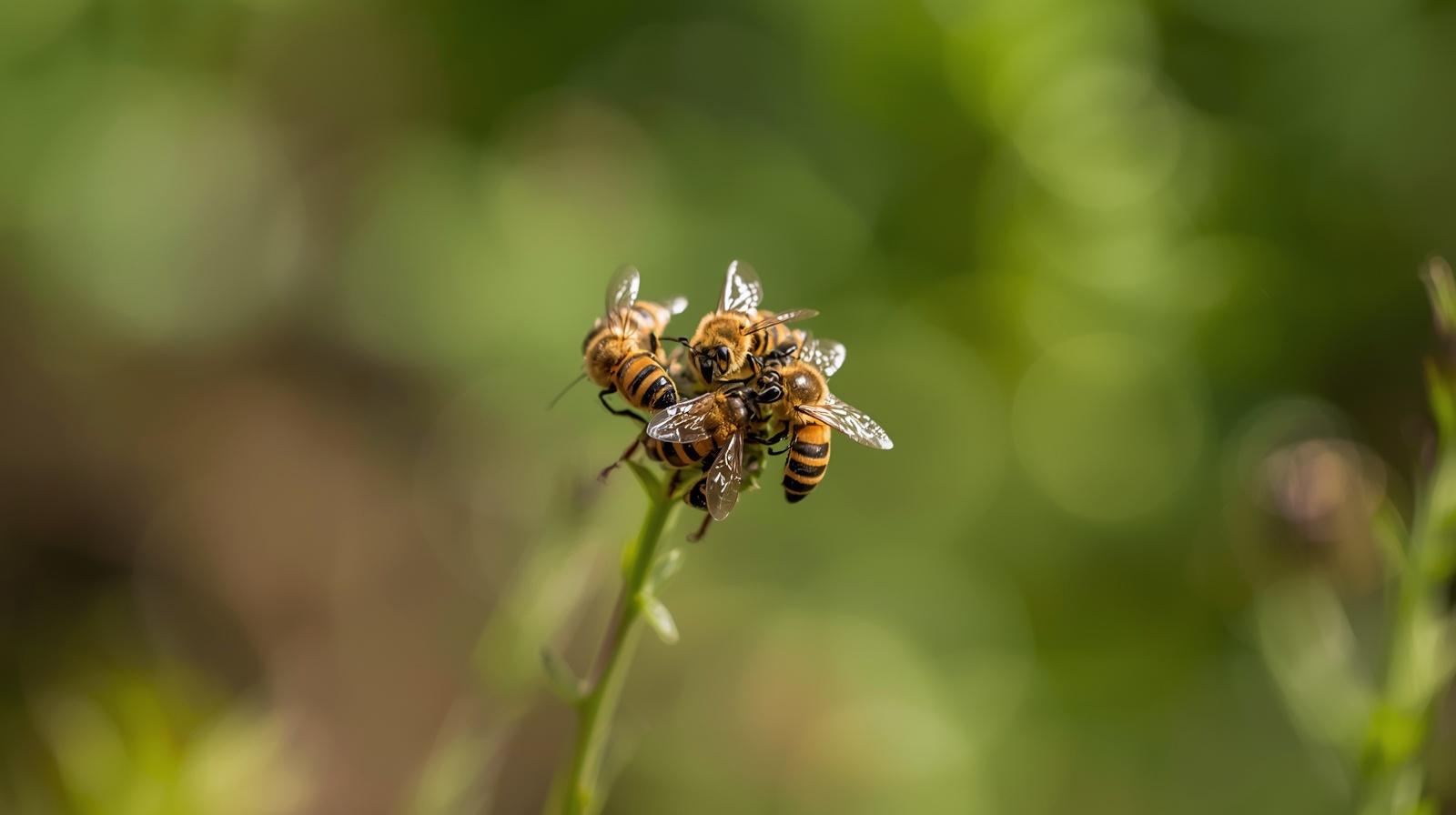
Honey is a natural substance produced by bees, created from the sweet nectar they collect from flowers. Through repeated processing and concentration, the nectar is transformed and stored within the

Human sex is not only a fundamental biological trait but also a force that profoundly shapes the structure and functioning of society, influencing family roles, cultural norms, and institutional

The chicken’s body is likewise covered with feathers and equipped with wings, giving the outward impression of being suited for flight. Yet why is it that they cannot soar into the sky like other

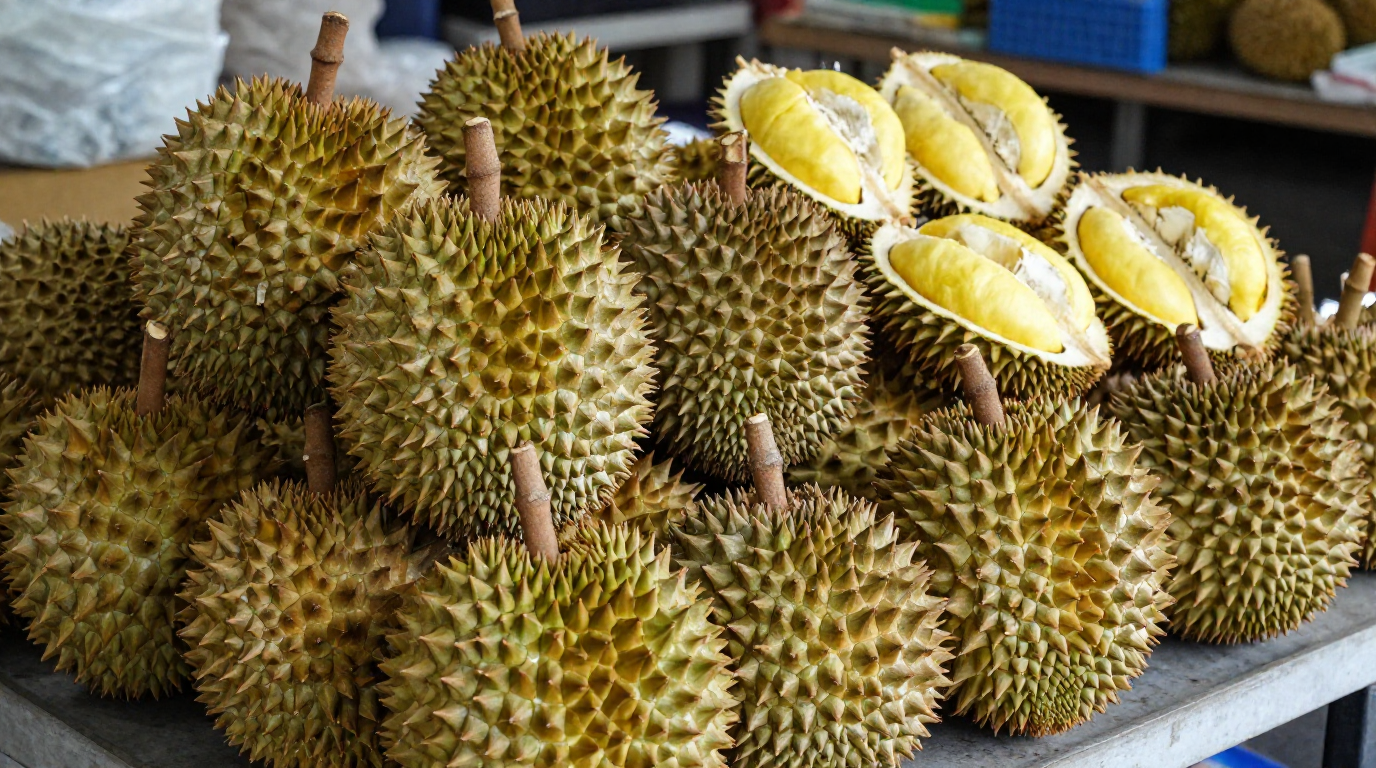
Durian, hailed as the “King of Fruits,” is renowned for its thick, spiky shell and its powerful aroma. Its appearance serves both as a natural defense and a sign of ripeness, while its distinctive

Follow us for quirky updates, fun discoveries, and a front‑row seat to the weird and wonderful world we live in.