
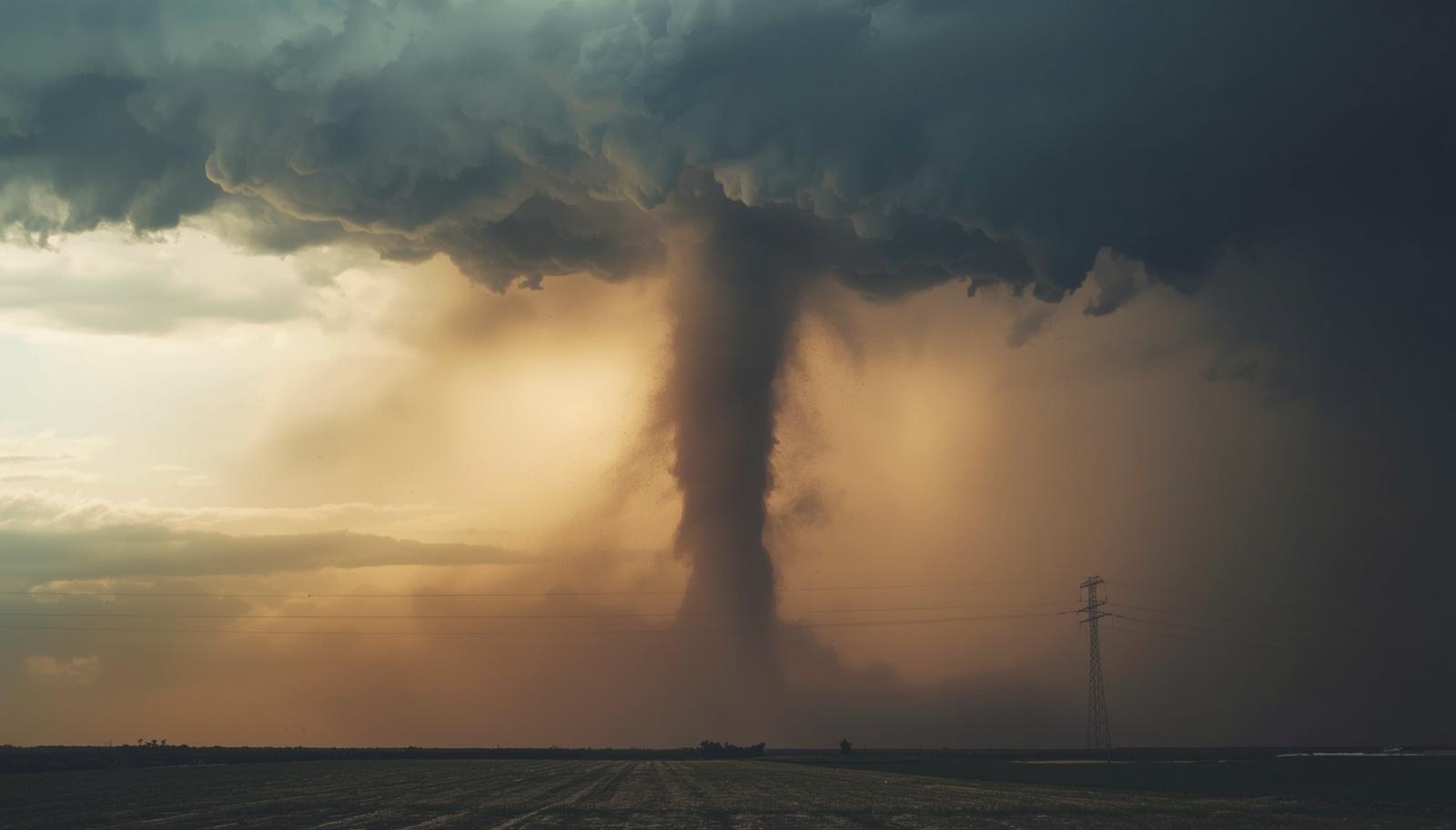
A tornado is an extreme weather phenomenon, essentially a rapidly rotating column of air formed within intense convective thunderstorm clouds. When warm, moist air collides violently with cold, dry air in the atmosphere, powerful updrafts are generated. Combined with strong vertical wind shear, these updrafts can cause the airflow to begin rotating and gradually contract into a narrow vortex.
If a massive, dark funnel cloud sweeps toward you and you are unfortunate enough to be lifted off the ground by its terrifying updraft, what would happen next? Is survival even possible?
The moment a person is sucked into a tornado, the most immediate sensation is an overwhelming pull. The body feels as if seized by a colossal force and dragged upward, limbs flailing out of control as the ground vanishes beneath. This pull is not in a single direction; it is entwined with rotational forces, producing a chaotic mix of being yanked, flung, and twisted all at once.
As the airflow spins at tremendous speed, the body is swept into a relentless vortex. The rotation is not a smooth circular motion but a turbulent, multi‑directional twisting, as though hurled into a gigantic turbine and kept in constant motion. The head, chest, and limbs are all subjected to forces from different angles, stripping away any sense of balance.
Within this violent rotation, the body is repeatedly tossed about with no chance of escape. The combination of intense pulling and rapid spinning becomes a form of extreme torment, causing immediate loss of equilibrium and control, and in some cases may even lead to brief oxygen deprivation in the brain, resulting in unconsciousness.
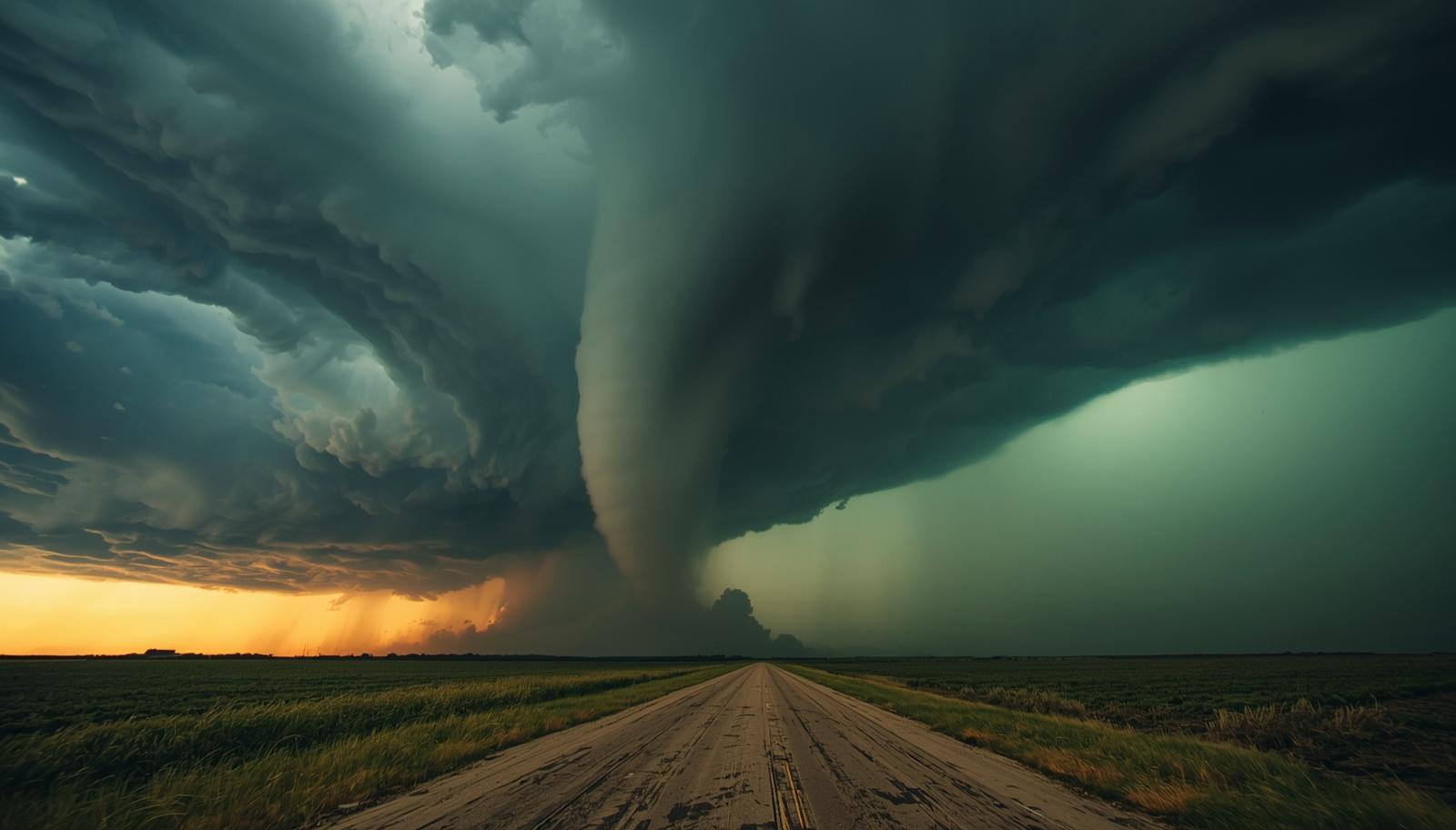 Inside a tornado, one must endure relentless pulling both vertically and rotationally.
When a person is sucked into a tornado, the ultra‑low pressure at its center exerts extreme effects. The air pressure in this zone is far below that of the surrounding environment, instantly creating a sharp imbalance between internal and external pressures. The eardrums may ache violently or even rupture, while the chest and lungs experience intense discomfort, making breathing difficult.
As the external pressure drops rapidly, gases within the body expand, causing sensations of the chest being forced open or the stomach bloating. This imbalance not only disrupts the respiratory system but can also briefly disturb blood circulation. In such conditions, dizziness, tinnitus, and disorientation quickly set in.
Within this ultra‑low pressure environment, breathing difficulties intensify. The airflow rushes violently, carrying dust and debris into the nose and throat, clogging the airways. The chest tightens, the throat burns, and each breath feels like inhaling thick smoke, with oxygen supply falling short. As oxygen deprivation deepens, dizziness, ringing in the ears, and blurred consciousness worsen, leaving the body progressively weakened.
When a person is sucked into a tornado, the greatest danger lies not only in the violent winds themselves but in the injuries caused by debris swept up into the vortex. The tornado’s rotating currents lift stones, timber, metal fragments, glass, and even entire structural wreckage into the air, transforming them into deadly “bullets” as they spin at tremendous speed.
Within moments, the victim is struck from multiple directions. Debris may collide with the body at extreme velocity, inflicting lacerations, fractures, or even fatal penetrating wounds. Shards of glass can slice through skin and blood vessels, while metal or wood fragments may drive directly into the body. Even seemingly minor particles such as gravel or small objects, under the tornado’s force, strike with bullet‑like impact, causing severe bruising or internal trauma.
The sheer volume and chaotic origin of debris make evasion nearly impossible. As the body is hurled within the rotating currents, it is subjected to repeated impacts, producing continuous injury. In such an environment, one must endure not only the violent pull of the winds but also the relentless assault of high‑velocity projectiles from every direction, with virtually no means of protection.
When a person is sucked into a tornado, the eventual outcome is often being hurled out or dropped as the tornado moves or its force diminishes. As the tornado travels across the ground, the structure of its airflow constantly shifts. The powerful updraft that once held a person aloft may suddenly collapse, causing them to be flung outward while still caught in violent rotation, and cast into the open sky. Such ejection is highly erratic, potentially throwing a person hundreds of meters—or even farther—before they strike the ground.
Another scenario occurs when the tornado gradually weakens. As the rotational currents lose speed, the suspended person or debris can no longer be supported, beginning a slow descent that ultimately gives way to gravity. The fall is typically unbroken, resembling a rapid plunge from great height, with impacts severe enough to be fatal.
In simple terms, the final stage of a tornado is equally deadly for those caught within it: either being hurled from great heights and cast far away, or plunging directly back to the ground as the airflow slows. Both outcomes mean violent impact and an extremely high risk to survival.
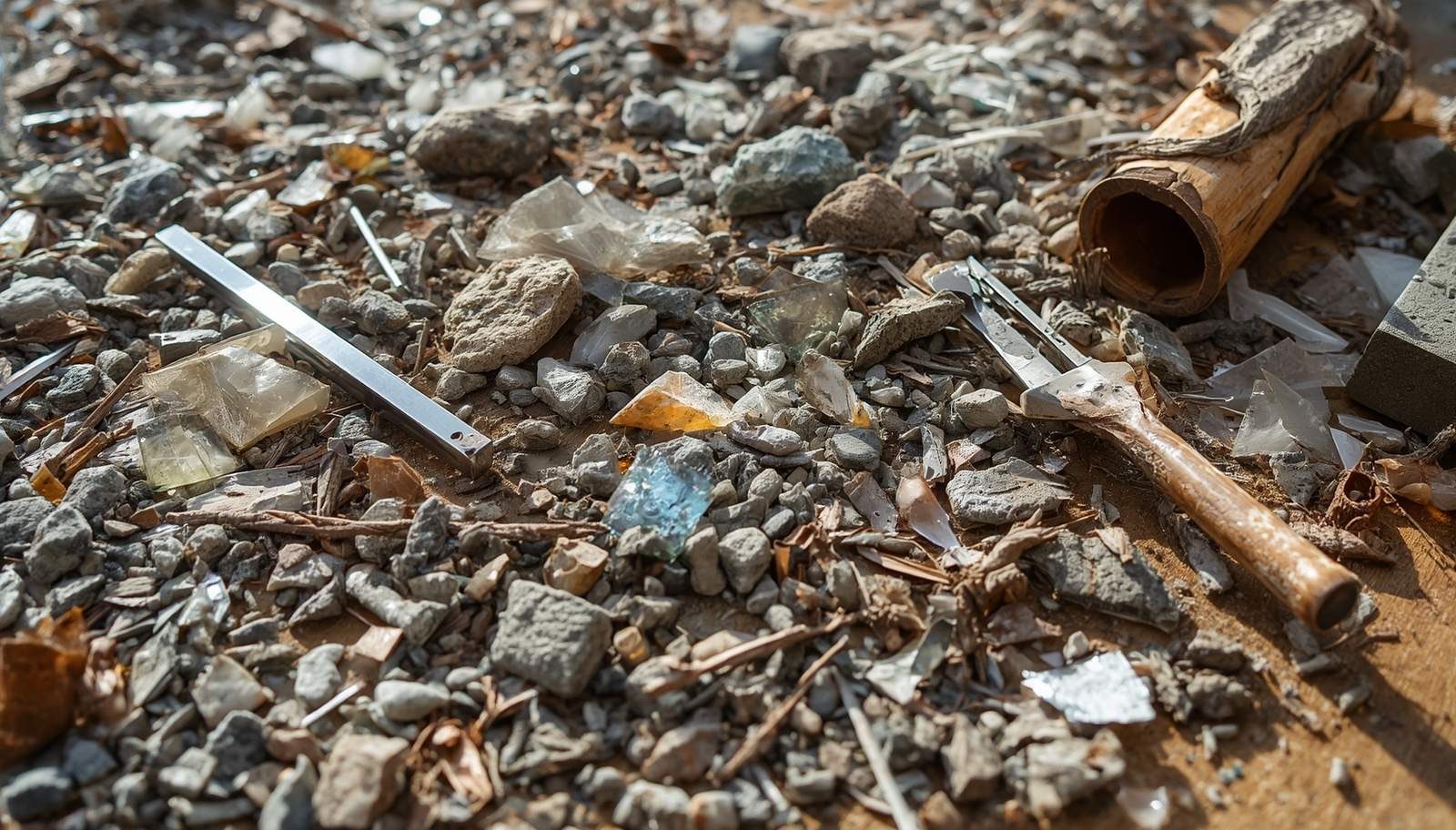 Any debris at high speed becomes a bullet
Being sucked into a tornado almost always means facing multiple fatal threats. History records many deaths caused by tornadoes, though in rare cases, some individuals have miraculously survived.
One of the most remarkable survival stories is that of Matt Suter, a 19-year-old from Missouri, USA, in the spring of 2006. During a severe thunderstorm, an F2 tornado struck his grandmother’s trailer home. As he tried to close a window, the tornado tore the structure apart and pulled him into its swirling winds.
Matt was lifted and violently spun through the air, surrounded by flying wood and metal fragments. Astonishingly, he was thrown nearly 400 meters (about 1,300 feet)—one of the farthest distances a human has ever been hurled by a tornado and lived to tell the tale. He landed in a field with only minor injuries, a few bruises and scrapes, but no life-threatening harm.
He later recalled the experience as being suddenly engulfed in chaos, unable to breathe or see, completely at the mercy of the storm. Surviving, he admitted, felt nothing short of a miracle.
Yet such outcomes are exceedingly rare. Tornadoes remain among the most dangerous natural disasters, combining violent winds, suction forces, and lethal debris. While a handful of people have survived against all odds, the vast majority of those caught in tornadoes face deadly consequences, underscoring their reputation as one of nature’s most destructive forces.
 The power of a tornado is overwhelmingly destructive; once drawn into it, survival is scarcely possible.
We leverage big data to bring you the most fascinating and mind-blowing trivia. Follow us for regular updates—prepare to be amazed while leveling up your knowledge.


People often think the birds are stupid, yet parrots completely overturn this stereotype. They are not only capable of learning sounds but can also reproduce human speech with striking clarity,

Throughout the course of human history, the spread of electricity has symbolized a leap in civilization. Its emergence not only provided an entirely new source of energy but also fundamentally
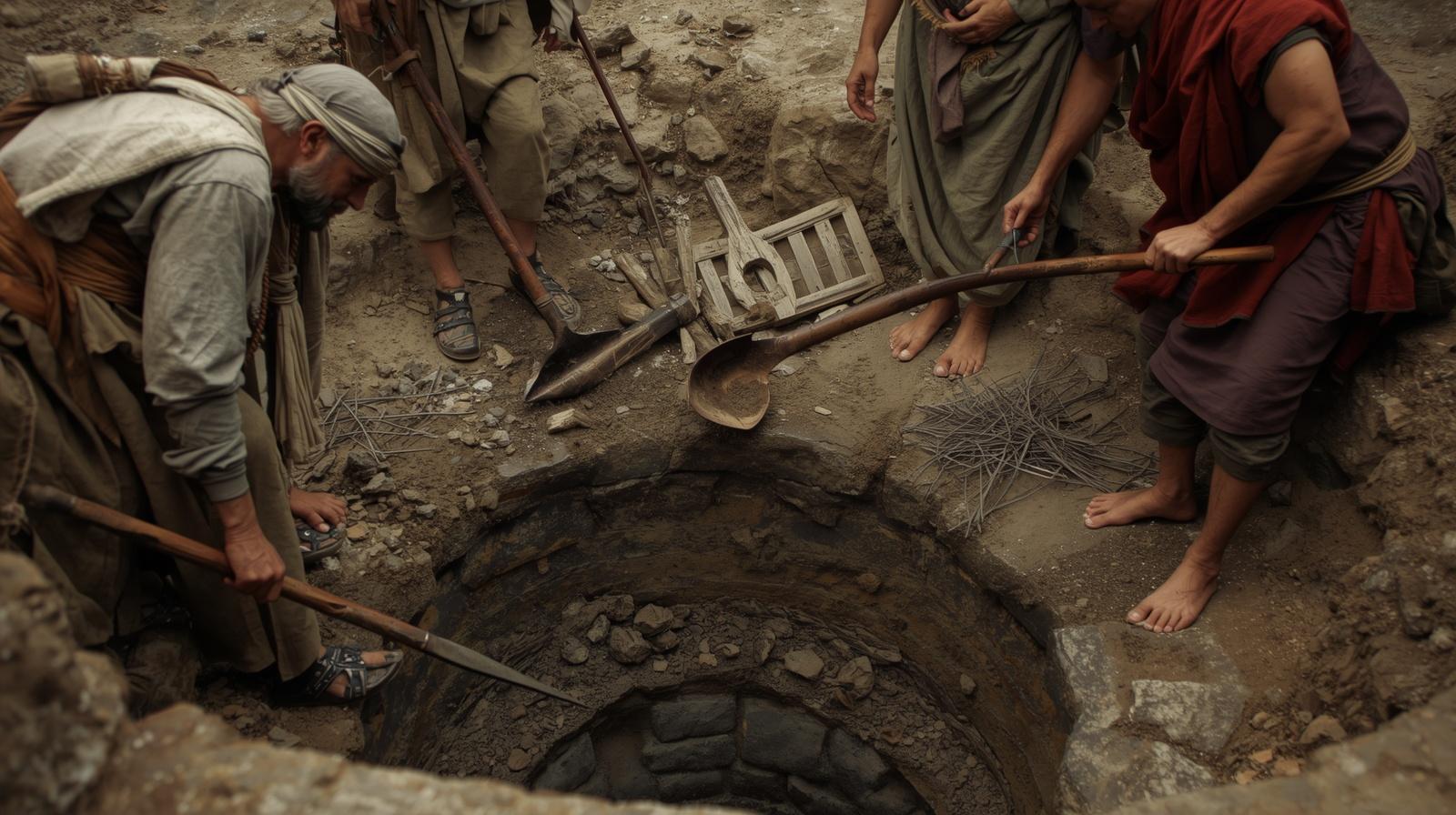
A well is one of humanity’s earliest water‑drawing facilities. Its primary function is to bring groundwater to the surface, supplying people with drinking water, irrigation, and everyday use. Because
Exfoliation, as the term suggests, refers to the process of treating the outermost layer of the skin—the stratum corneum. But what exactly is keratinized skin? What role does it play in maintaining

A hot air balloon is a large and graceful aircraft, symbolizing humanity’s earliest attempts to explore the sky. In eighteenth‑century France, the Montgolfier brothers first launched such a fabric
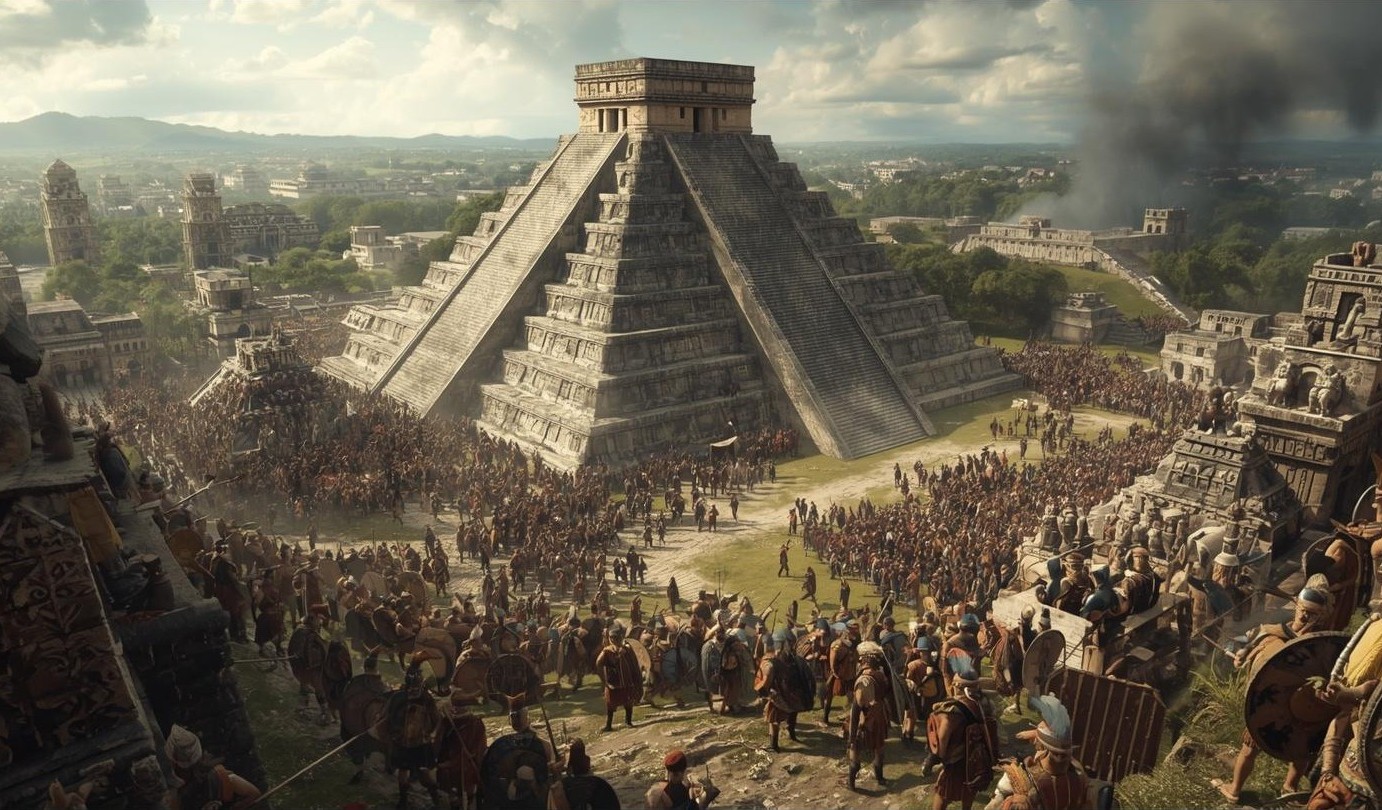
The Maya civilization was once highly advanced, achieving remarkable accomplishments in science and technology that surpassed many contemporary cultures. Yet, why was it still invaded and ultimately
The droplets that fall from the sky are not always the same. At times they are raindrops, striking eaves and streets; at other times they are snowflakes, gently covering rooftops and fields. Both

In everyday life, showering is a time for relaxation, cleansing, and even reflection. Yet there is one seemingly trivial question that often sparks debate: should you urinate while showering? Some


Follow us for quirky updates, fun discoveries, and a front‑row seat to the weird and wonderful world we live in.