
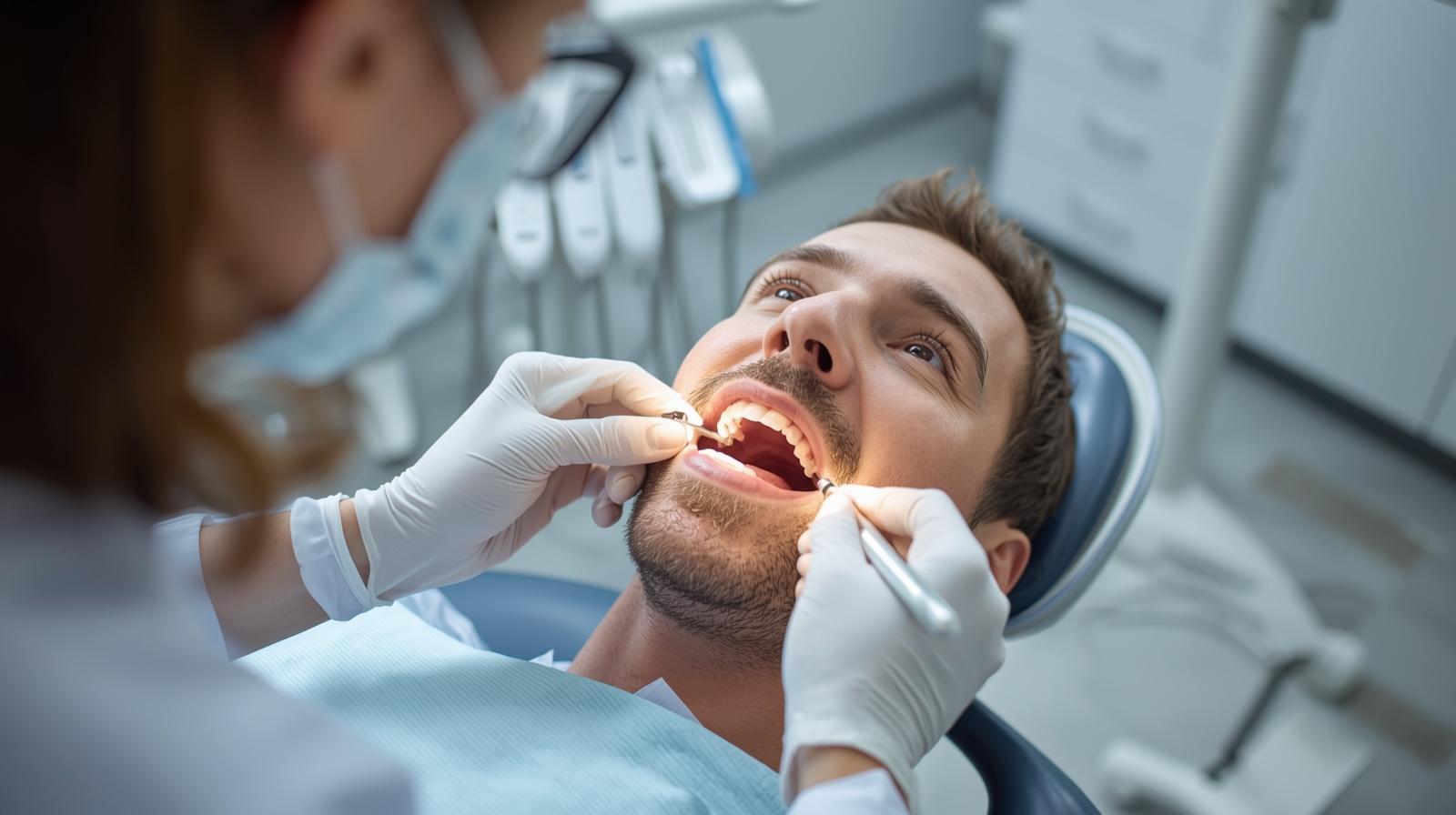
Teeth are among the hardest tissues in the human body, capable of withstanding immense pressure during chewing and resisting everyday wear. Yet within such a resilient structure, why does corrosion still occur, leading to cavities?
What force is able to gradually erode this tough tissue, stripping it of its protective strength? And if tooth decay is ignored, what consequences might follow?
The structure of a tooth is remarkably intricate; it is far more than just a white, hard shell on the surface. The outermost layer is the enamel, a highly mineralized tissue and the hardest substance in the human body, responsible for protecting teeth against external wear and acid erosion.
Beneath the enamel lies the dentin, which is slightly softer and filled with microscopic tubules that transmit stimuli and sensations. Deeper still is the pulp, containing blood vessels and nerves—the “vital core” of the tooth—supplying nutrients and perceiving pain.
The root of the tooth is anchored within the alveolar bone, connected by periodontal ligaments that keep the tooth stable while allowing a degree of flexibility during chewing.
The formation of dental plaque is a gradual, cumulative process. After eating, proteins in saliva first create a thin “film” on the tooth surface. This film acts as a foundation, allowing bacteria to adhere. Over time, oral bacteria begin attaching to this layer and reproduce by consuming sugars and nutrients from food debris. These bacteria secrete sticky substances that strengthen their grip, eventually forming a stable biofilm—known as dental plaque.
Once plaque is firmly established, bacteria can continuously metabolize sugars, producing acids that linger on the tooth surface and slowly erode the outer enamel. Because plaque itself is viscous, it blocks saliva’s natural buffering and neutralizing effects, prolonging the acidic environment. As enamel is destroyed, the erosion penetrates deeper into the dentin, ultimately resulting in cavities.
In other words, the formation of dental plaque is like building a bacterial “stronghold” on the tooth surface. It not only provides a stable habitat for bacteria but also enables them to keep releasing destructive acids. This structural advantage makes plaque the primary cause of tooth decay and one of the most insidious threats to oral health.
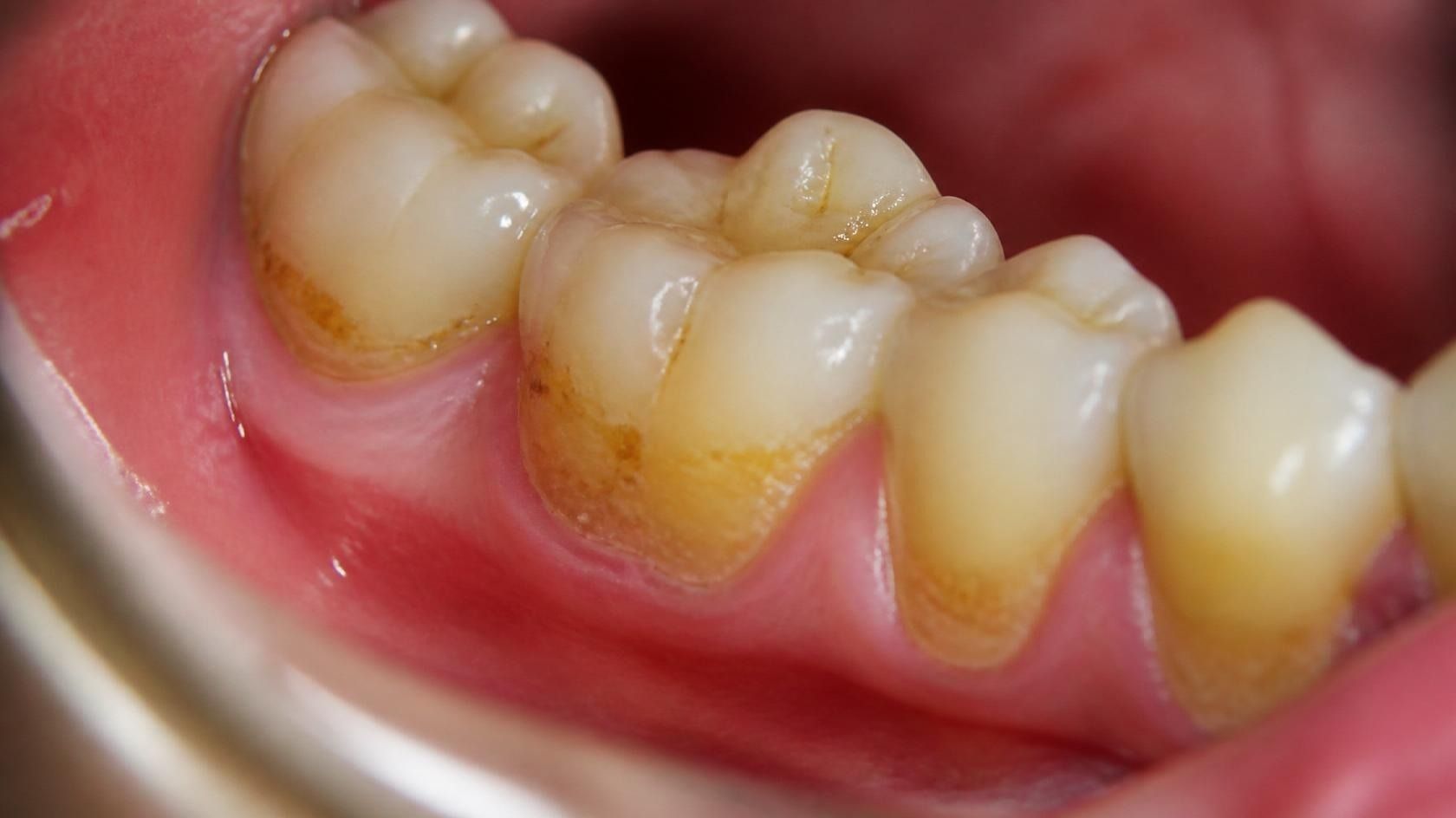 Bacteria within dental plaque use sugars from food to produce acidic substances. These acids dissolve and erode the teeth, ultimately leading to cavities.
Enamel demineralization is a process in which the tooth surface gradually loses minerals, primarily caused by acids produced when bacteria in dental plaque metabolize sugars. When this acidic environment lingers on the tooth surface, calcium and phosphate in the enamel slowly dissolve, weakening the tooth’s natural strength. In its early stage, this change may appear as white spots on the enamel, but if left untreated, it can progress into cavities.
The key to improving enamel demineralization lies in the process of remineralization. Saliva plays a crucial role here: it neutralizes acidity and supplies calcium and phosphate to help repair damaged enamel. Brushing with fluoride toothpaste is also highly effective. Fluoride promotes remineralization, allowing lost minerals to redeposit into the enamel and strengthening the tooth’s resistance to acid erosion.
Enamel demineralization is not irreversible. With consistent brushing, the use of fluoride toothpaste, and reliance on saliva’s natural repair mechanisms, teeth can regain part of their protective capacity and prevent the further development of cavities.
If enamel demineralization is left untreated for a prolonged period, it gradually worsens and eventually develops into enamel caries. In its early stage, caries usually appear as shallow cavities, since only the outer enamel layer is damaged. The decay has not yet penetrated into the dentin or affected the dental pulp nerves, which is why it often does not cause noticeable pain. This explains why many people fail to detect cavities at an early stage, only realizing the problem once the lesion has expanded.
The primary way to treat enamel caries is through dental fillings. A dentist will carefully clean out the decayed area, remove the damaged tissue, and then restore the tooth with filling material. This repair not only restores the tooth’s integrity and function but also prevents the cavity from enlarging and protects against further acid erosion or bacterial invasion.
In short, early detection and timely filling can stop cavities from progressing deeper into the dentin, reducing the risk of sensitivity, pain, and more serious oral health issues.
If enamel caries is left untreated, the decay gradually penetrates deeper into the tooth, eventually reaching the dentin and forming dentin caries. At this stage, the cavity has breached the tooth’s outer defense and begun to affect the softer dentin beneath.
Because dentin is filled with microscopic tubules that connect directly to the dental pulp, external stimuli can easily be transmitted to the nerves. As a result, the tooth becomes highly sensitive to cold, heat, sweet foods, or acidic substances, and discomfort may even occur during normal chewing. This heightened sensitivity is the tooth’s warning signal, indicating that the problem is no longer confined to the surface.
Treating dentin caries typically requires a more extensive approach. The dentist will perform a deep filling, carefully removing the decayed tissue within the cavity and restoring the tooth with suitable filling material. This not only halts the progression of decay but also reduces sensitivity and protects the tooth from further damage.
In short, dentin caries represents the advanced stage of enamel decay. Timely intervention with deep fillings can prevent the cavity from reaching the pulp, sparing the patient from severe pain and more serious oral health complications.
When dentin caries is left untreated, the decay continues to deepen until it reaches the pulp, resulting in pulpitis. The pulp is the core of the tooth, containing blood vessels and nerves. Once bacteria invade this area, they trigger an intense inflammatory reaction. At this stage, the tooth is no longer merely sensitive—it produces severe pain, often erupting suddenly at night or during meals, and can become unbearable.
The primary treatment for pulpitis is root canal therapy. This procedure specifically addresses pulp infection: the dentist removes the infected tissue within the pulp chamber, thoroughly disinfects the area, and then seals the root canals with filling material to prevent further bacterial spread. The goal of root canal therapy is to preserve the tooth’s structure and function, avoiding extraction whenever possible.
If pulp infection is still ignored, the situation becomes much more serious. Continuous bacterial invasion can cause the pulp to inflame and eventually die. This not only leads to excruciating pain but may also cause swelling, abscess formation, and damage to surrounding gums and jawbone.
Even more dangerous, bacteria are not confined to the tooth itself. Once the infection breaches the root tip, bacteria can enter the bloodstream and circulate throughout the body. Such systemic spread may lead to severe complications, including heart infections (endocarditis), brain infections, or damage to other vital organs. In other words, a seemingly minor cavity, if neglected, can escalate into a life‑threatening systemic disease.
In short, pulpitis represents an advanced stage of tooth decay. Timely root canal treatment can relieve pain, halt bacterial progression, and safeguard both oral and overall health.
The root cause of cavities lies in dental plaque and the acids produced by bacterial metabolism, so the essence of prevention is to reduce plaque formation, shorten the duration of acidic conditions, and strengthen the tooth’s own defenses.
First and foremost, the most basic and effective method is regular brushing, especially with fluoride toothpaste. Fluoride promotes remineralization, allowing lost calcium and phosphate to redeposit into the enamel and enhancing the tooth’s resistance to acid erosion. Brushing every morning and evening, and cleaning appropriately after meals, can greatly reduce plaque buildup.
Secondly, dietary habits play a major role in cavity prevention. Limiting sugary foods and drinks prevents bacteria from having an excess supply of fermentable sugars. Rinsing or drinking water after meals helps clear food debris and shortens the time teeth are exposed to acids. A balanced diet not only supports overall health but also provides better protection for teeth.
In addition, regular professional cleaning is an important measure. Even with daily brushing, plaque and tartar can accumulate in hard‑to‑reach areas. Professional scaling removes these deposits thoroughly, reducing bacterial breeding grounds.
Finally, routine dental check‑ups are indispensable. Many cavities in their early stages cause no pain and are easily overlooked. Regular examinations allow dentists to detect problems early and intervene before minor decay develops into major complications.
 Many countries add fluoride to tap water so that citizens automatically receive a basic level of cavity protection in their daily drinking and rinsing.
We leverage big data to bring you the most fascinating and mind-blowing trivia. Follow us for regular updates—prepare to be amazed while leveling up your knowledge.


The Sun we see every day brings us warmth, light, and vitality. Yet while we take it for granted, have we ever wondered why the Sun can continuously provide energy without end? Where does its

During the Second World War, the Manhattan Project, led by American theoretical physicist Robert Oppenheimer, successfully produced the world’s first atomic bomb. The first test was conducted on July

Many people tend to confuse “bacteria” and “viruses” when talking about them. Some believe that a common cold must be caused by a bacterial infection and that taking antibiotics will cure it; others

Antibiotics are a class of drugs specifically designed to combat bacteria. They interfere with vital bacterial processes, such as damaging the cell wall, blocking protein synthesis, or disrupting DNA

Magnetic Levitation (Maglev) trains are famous for their high speed, but how can such heavy trains float? And why do they need to float at all? ### Operating Principle A maglev train is a

The Renaissance was a cultural and intellectual movement that arose in Europe between the fourteenth and sixteenth centuries. It first unfolded in Italian cities such as Florence, Venice, and Milan,

In everyday life, showering is a time for relaxation, cleansing, and even reflection. Yet there is one seemingly trivial question that often sparks debate: should you urinate while showering? Some

Why does the skin tend to break out after staying up late? Is it because sleep deprivation disrupts some hidden rhythm, or is there an unseen signal manipulating the sebaceous glands? And why does



Follow us for quirky updates, fun discoveries, and a front‑row seat to the weird and wonderful world we live in.