
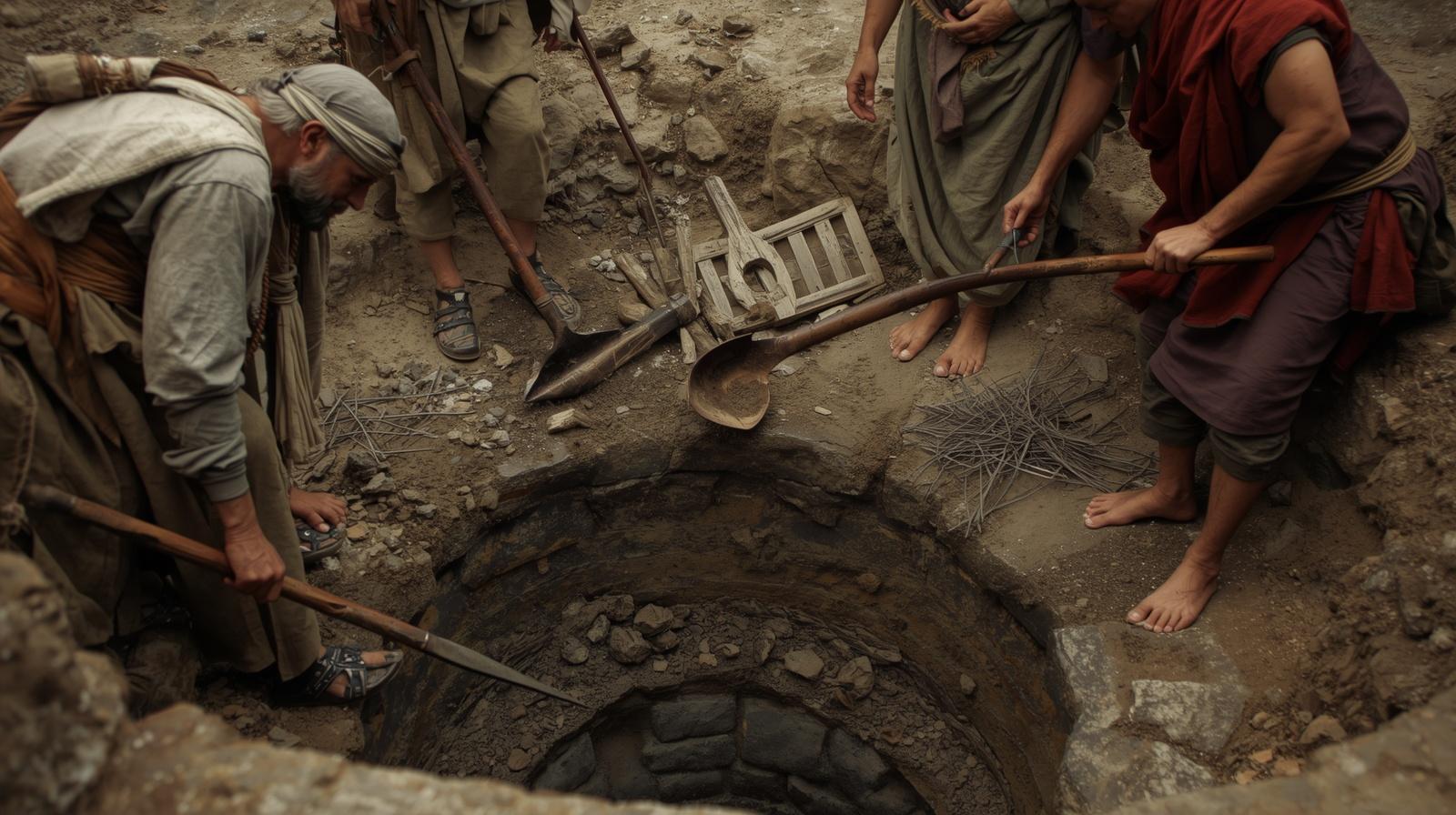
A well is one of humanity’s earliest water‑drawing facilities. Its primary function is to bring groundwater to the surface, supplying people with drinking water, irrigation, and everyday use. Because surface water is often unstable and easily affected by seasonal or environmental changes, the well became an essential means by which ancient communities secured a reliable source of water. Many villages even formed around wells, since access to water was the foundation of life.
The uses of a well extended beyond drinking. It also supported agricultural irrigation, livestock raising, and in certain cultures carried social or religious significance. A well was not only a necessity of daily life but also a safeguard for the continuity of settlements.
Yet ancient people lacked modern technology and specialized instruments. How, then, could they determine the location of groundwater and complete the excavation of a well without measuring tools or mechanical equipment?
In seeking groundwater, ancient people often relied on close observation of the natural environment. Vegetation was an important clue: certain plants thrive in moist soil—such as reeds, willows, or particular grasses—and their growth often indicated abundant moisture beneath the surface. If such plants flourished even in arid regions, people would infer that groundwater lay below.
Animal behavior provided another guide. Wild animals in dry seasons tended to gather in specific areas, sensing or smelling the presence of underground water. Birds circling repeatedly over a spot, or livestock lingering in a particular patch of land, could both suggest that water was nearby.
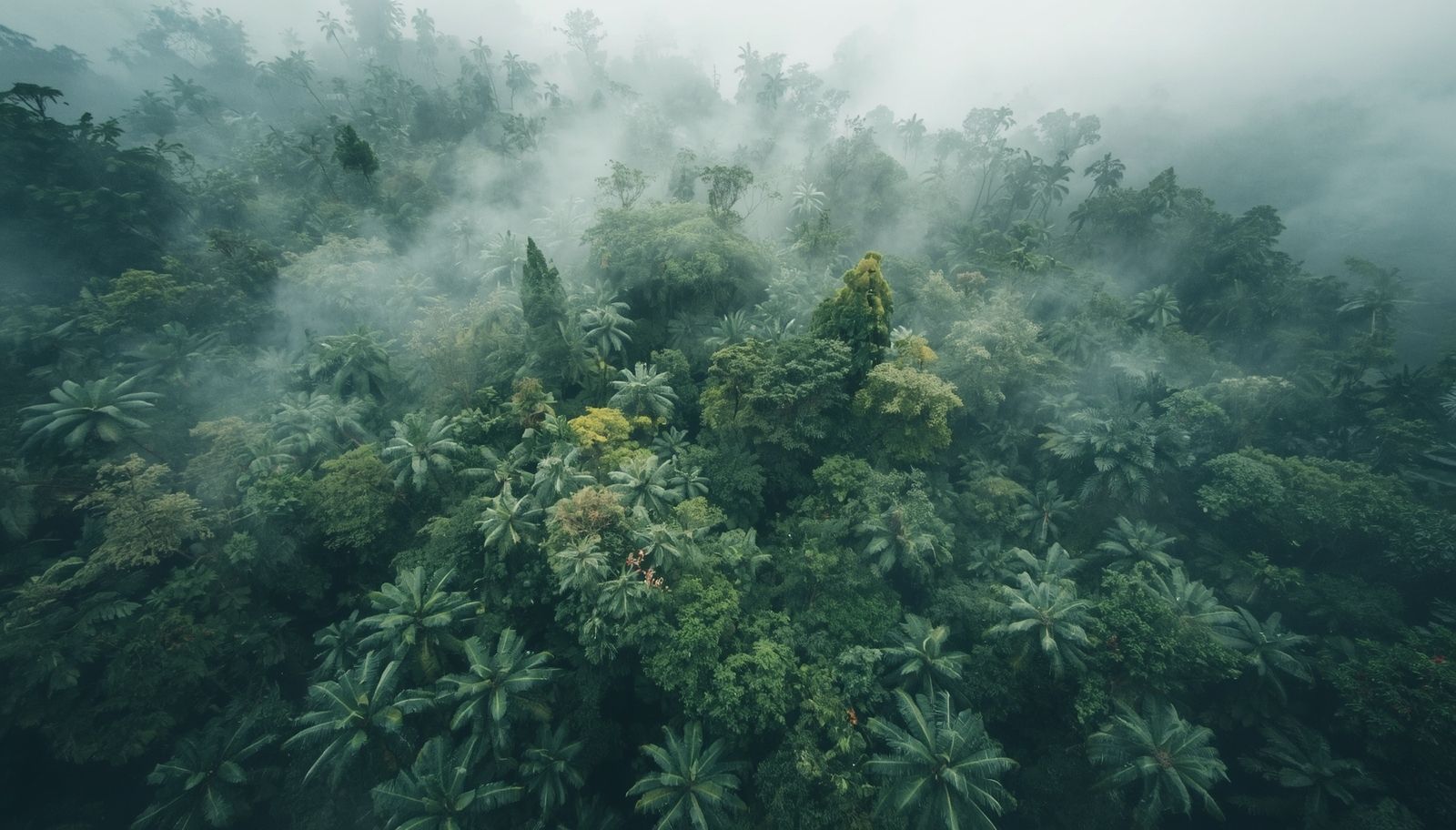
Beyond plants and animals, ancient people also paid attention to rising vapors or fog from the ground. In some places, if mist formed easily at dawn or dusk, it often meant the soil was saturated and groundwater was present. Moist layers release vapor more readily with temperature changes, producing fog or steam.
Similarly, in hot weather, if certain patches of ground showed rising heat or vapor more frequently than surrounding areas, people might conclude that groundwater lay closer to the surface there. Such natural phenomena became important signs for locating water.
When a site was judged promising—whether by vegetation, animal activity, or mist—they would not immediately commit large labor to digging a full well. Instead, they carried out a trial excavation. This exploratory digging served both as a test and a precaution.
Through trial digging, they could observe soil dampness or whether water seeped out at shallow depths. If water appeared, they would mobilize more workers to construct a permanent well. If the soil proved dry, they could stop early, avoiding wasted effort and time.
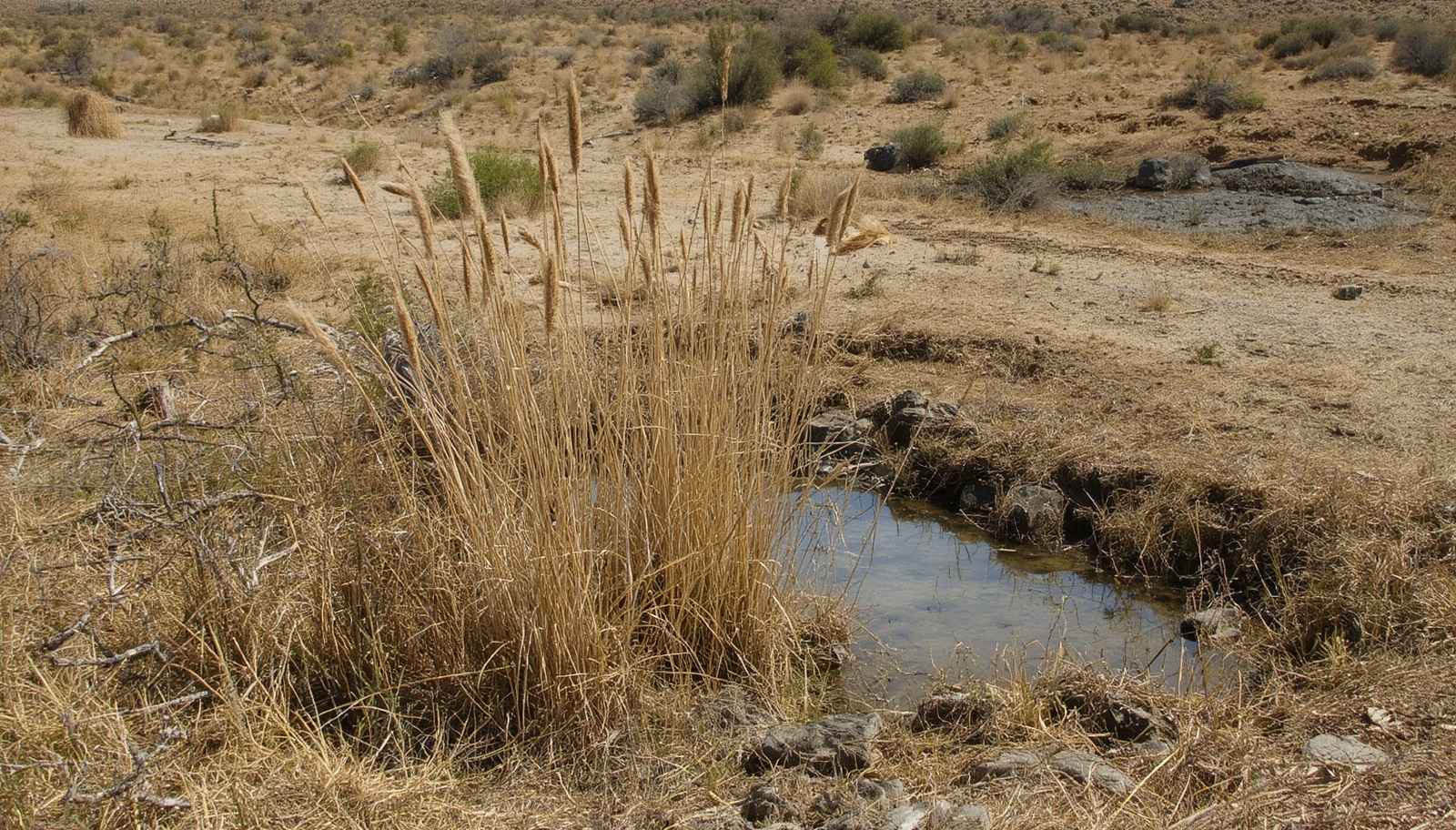 Some plants require moist soil to grow, and therefore their presence can be used to infer the existence of groundwater.
The process of well‑digging in antiquity began with careful preparation and observation. Once a site was chosen, workers would mark the ground and carry out small trial digs or shallow pits to test soil texture and moisture. This step revealed whether the layers were loose or showed signs of seepage, and allowed craftsmen to judge what tools and manpower would be required. Only if trial digging indicated traces of water or damp soil would they expand the work area, avoiding wasted effort in places without groundwater.
During full excavation, laborers dug downward in stages and layers, removing earth as they went. In the early period, simple tools such as wooden spades, stone shovels, and chisels were used. Workers took turns digging and hoisting soil to the surface with baskets or buckets attached to ropes.
As wells grew deeper, manual hauling became exhausting, so simple pulley or lever systems were introduced, using ropes and wheels to ease the burden and improve efficiency. Excavation often followed circular or square working faces, enabling multiple workers to operate simultaneously without interference.
Treating the well walls was a critical step. Shallow wells might only require smoothing of the soil walls, but to prevent collapse or sand infiltration, ancient builders gradually lined them with stone, brick, or wooden planks, sealing gaps with mud or mortar. In sandy or loose layers, temporary supports or sectional linings were installed to ensure worker safety and long‑term stability. In harder strata, chisels and hammers were used to break rock, followed by shovels to clear debris.
As the excavation neared the aquifer, the pace slowed. Craftsmen closely observed soil color, moisture, and seepage, draining or channeling water as needed to prevent flooding of the work site.
Once the water source was confirmed, they cleaned the well bottom, measured the water level, and began finishing the mouth and water‑drawing facilities—such as lining the rim, installing ropes and buckets, or building a protective curb. Finally, coverings or small well houses were added to guard against contamination and protect the opening.
When digging wells, ancient people faced not only the challenges of soil and water but also the danger of harmful gases accumulating inside. Because the well shaft was narrow and poorly ventilated, seepage of marsh gas or other toxic vapors could put workers at risk of suffocation or poisoning. To guard against this, they devised simple yet effective methods of detection.
Before descending, they often tested with a flame or candle. If the flame quickly extinguished at the mouth or inside the shaft, it signaled insufficient oxygen or the presence of noxious gases. Though rudimentary, this method provided a direct warning.
Another approach was to use small animals—placing birds or livestock into the well and observing their reactions. If the animals became restless or collapsed, it indicated that the air was unsafe for humans.
As techniques evolved, ancient builders also sought to improve ventilation during excavation. They might suspend bundles of grass or cloth on ropes to observe how they burned or moved, or install simple ducts at the well mouth to channel airflow. These measures, though basic, were vital safeguards in an age without modern instruments, helping to protect workers from hidden dangers beneath the earth.
For ancient people, digging a well was not merely the completion of a water‑drawing project; it required long‑term upkeep to ensure the water remained clear and did not run dry. They reinforced the walls with stone or brick, sealing the joints to prevent silt from seeping in and contaminating the supply. At the mouth of the well, protective railings or covers were often installed to keep out leaves, dust, or animals—an essential measure for maintaining cleanliness.
Routine care included periodically clearing the bottom of the well, removing accumulated silt or decayed matter to prevent deterioration of water quality. If the water grew turbid after prolonged use, the well might be rested to allow natural replenishment, or lime and other natural substances could be added to purify it.
In addition, after digging a well, in order to ensure that the water remained clear for a long time, ancient people would set up a kind of natural filtration system at the bottom of the well. This system was usually composed of multiple layers of materials: the lowest layer was laid with larger stones to support the bottom of the well and create gaps, allowing water to flow smoothly without accumulating silt.
Above that, fine sand was spread, and the sand layer could effectively intercept small particles of silt, so that the seeping water gradually became clear.Furthermore, ancient people would add a layer of charcoal, because charcoal has the function of absorbing odors and impurities, which could improve the quality of the water and keep it fresh.
This design made use of the principle of natural percolation: groundwater passed through multiple layers of stones, sand, and charcoal before gathering at the bottom of the well, so the water drawn up was not easily turbid. As time went on, ancient people also knew to regularly replace or clean these filtering layers to maintain the filtering effect.
Although simple, this filtration system at the bottom of the well was already a highly ingenious project in an age lacking modern technology, allowing well water to remain clean for a long time and become a stable source of water for settlements.
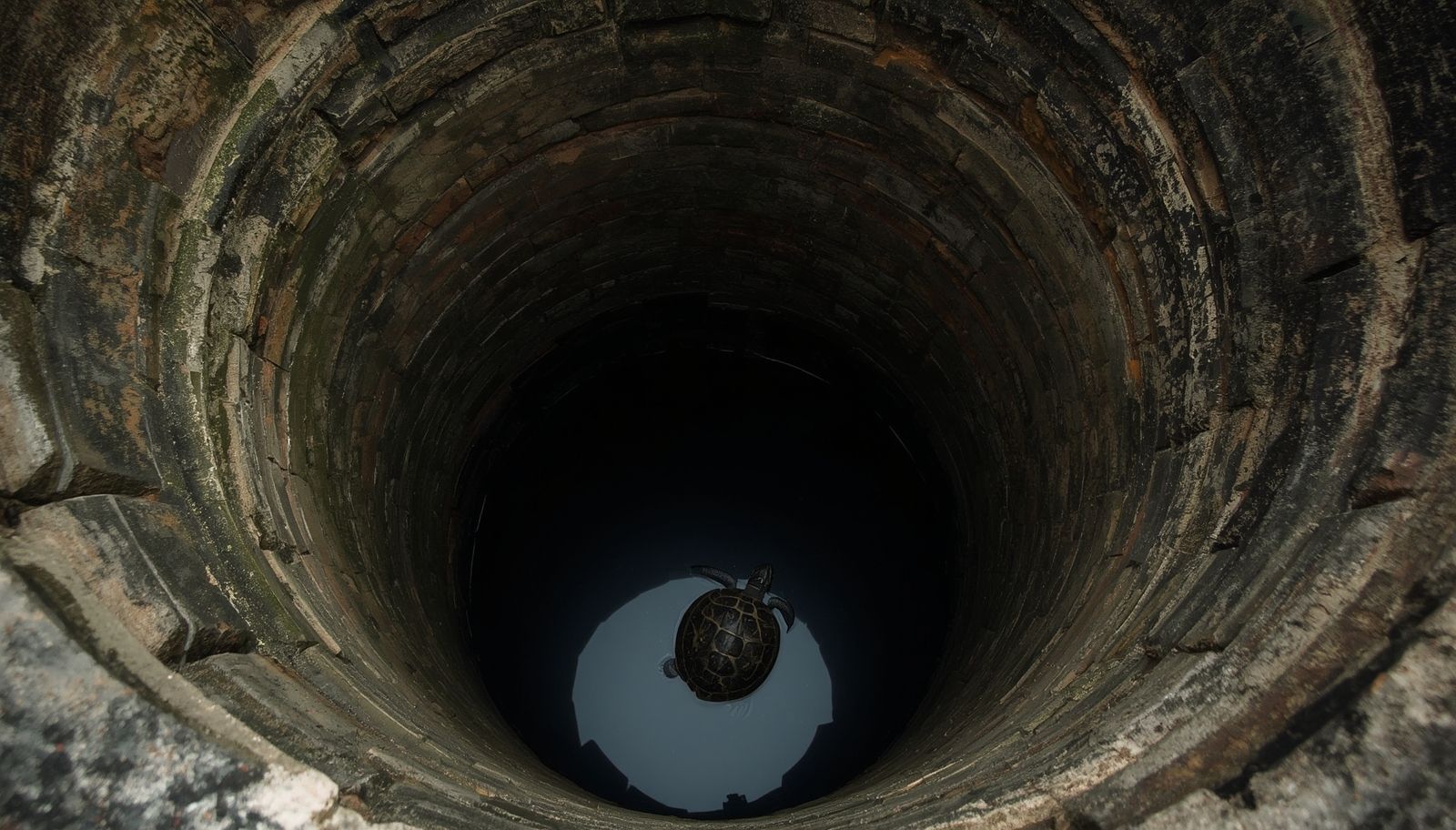 Some ancient people would place a turtle into the well, monitoring its health over time to test the water quality, while the turtle also consumed insects living in the water.
The common thread among these civilizations is that wells were more than sources of drinking water—they were foundational infrastructure for agriculture, urban life, and even religious practices. Despite differing environments, humanity consistently turned to well‑digging as the most direct and reliable solution to the need for water.
We leverage big data to bring you the most fascinating and mind-blowing trivia. Follow us for regular updates—prepare to be amazed while leveling up your knowledge.


Majestic mountain ranges bring extraordinary landforms to the Earth. From an initial stretch of flat ground to towering peaks that pierce the clouds, how did they rise from beneath the surface and
The supermarket shelves are filled with an overwhelming variety of alcoholic beverages, and as consumers, we are often accustomed to simply purchasing ready-made products. Yet one may wonder: is it

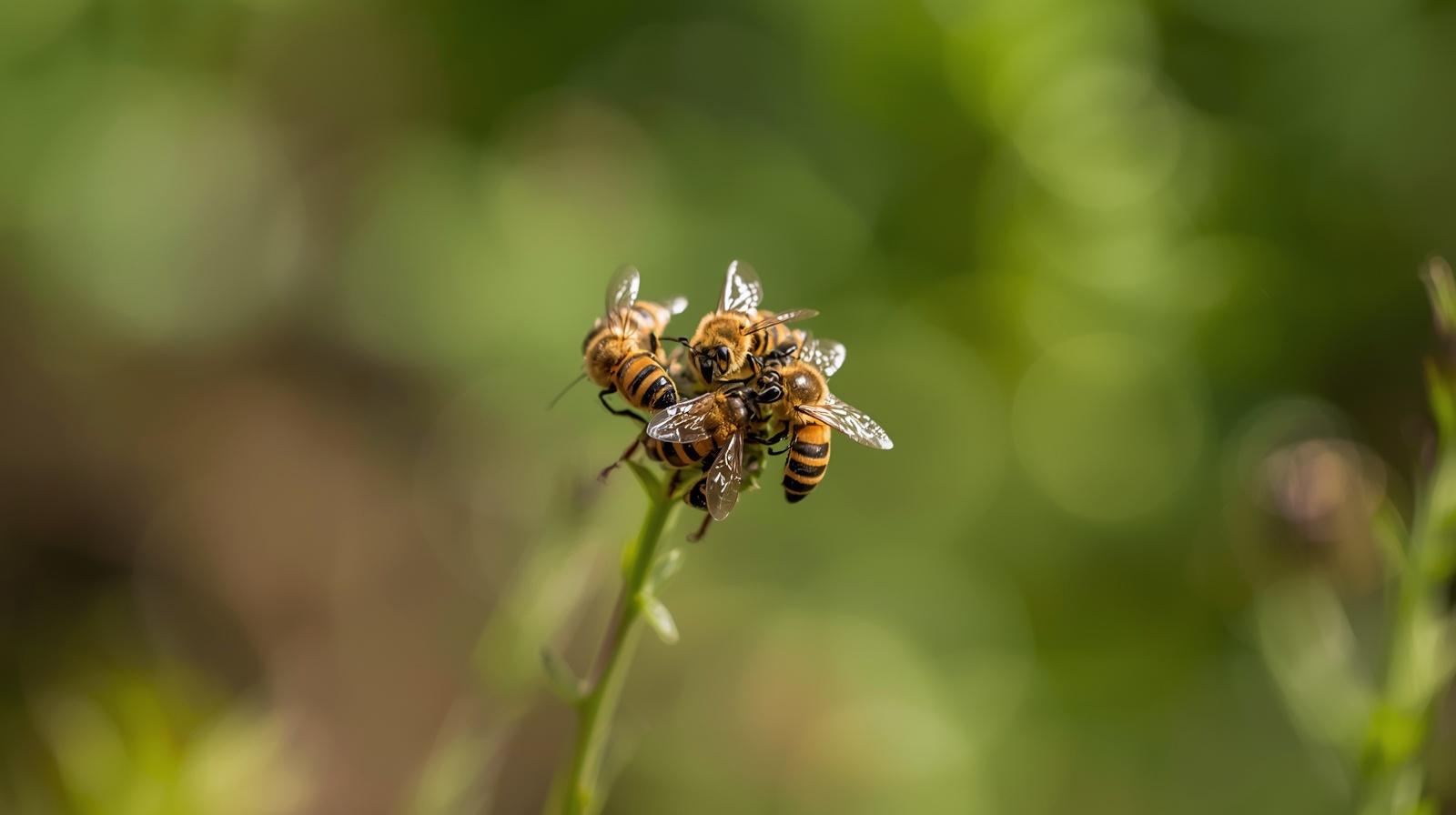
Bees are among the most familiar insects to humans. They flutter among flowers, collecting nectar, and often appear to embody diligence and charm. Yet behind this gentle exterior lies a harsh law of
There are many different kinds of vinegar in the world, ranging from fruit vinegar and rice vinegar to wine vinegar and white vinegar, each with its own distinctive flavor and use. Fruit vinegar

Teeth are among the hardest tissues in the human body, capable of withstanding immense pressure during chewing and resisting everyday wear. Yet within such a resilient structure, why does corrosion

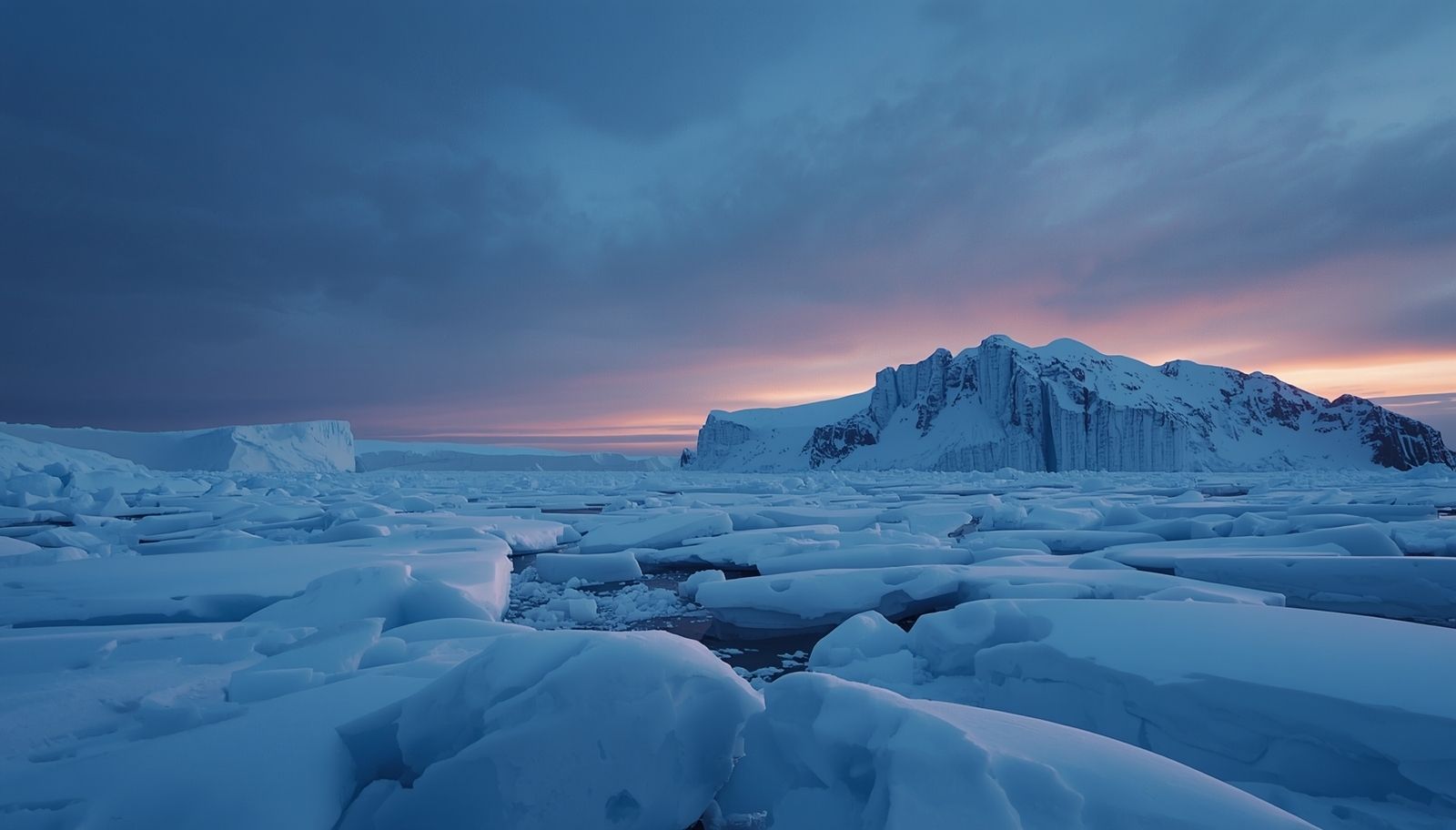
The polar realms, shrouded in relentless cold and endless mystery, remain territories that most people will never set foot upon in their lifetime. The Antarctic and the Arctic lie at opposite ends of
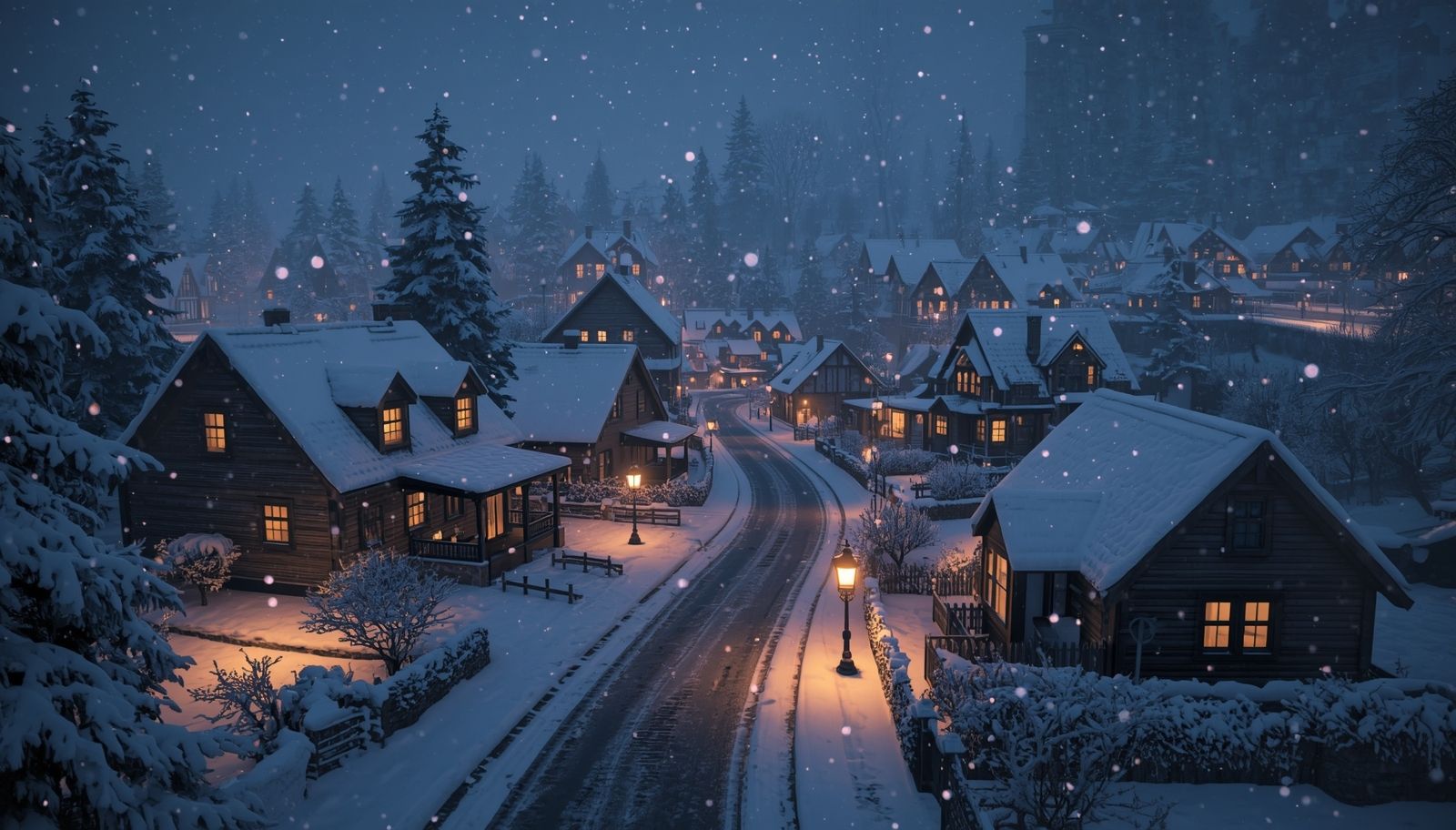
The droplets that fall from the sky are not always the same. At times they are raindrops, striking eaves and streets; at other times they are snowflakes, gently covering rooftops and fields. Both
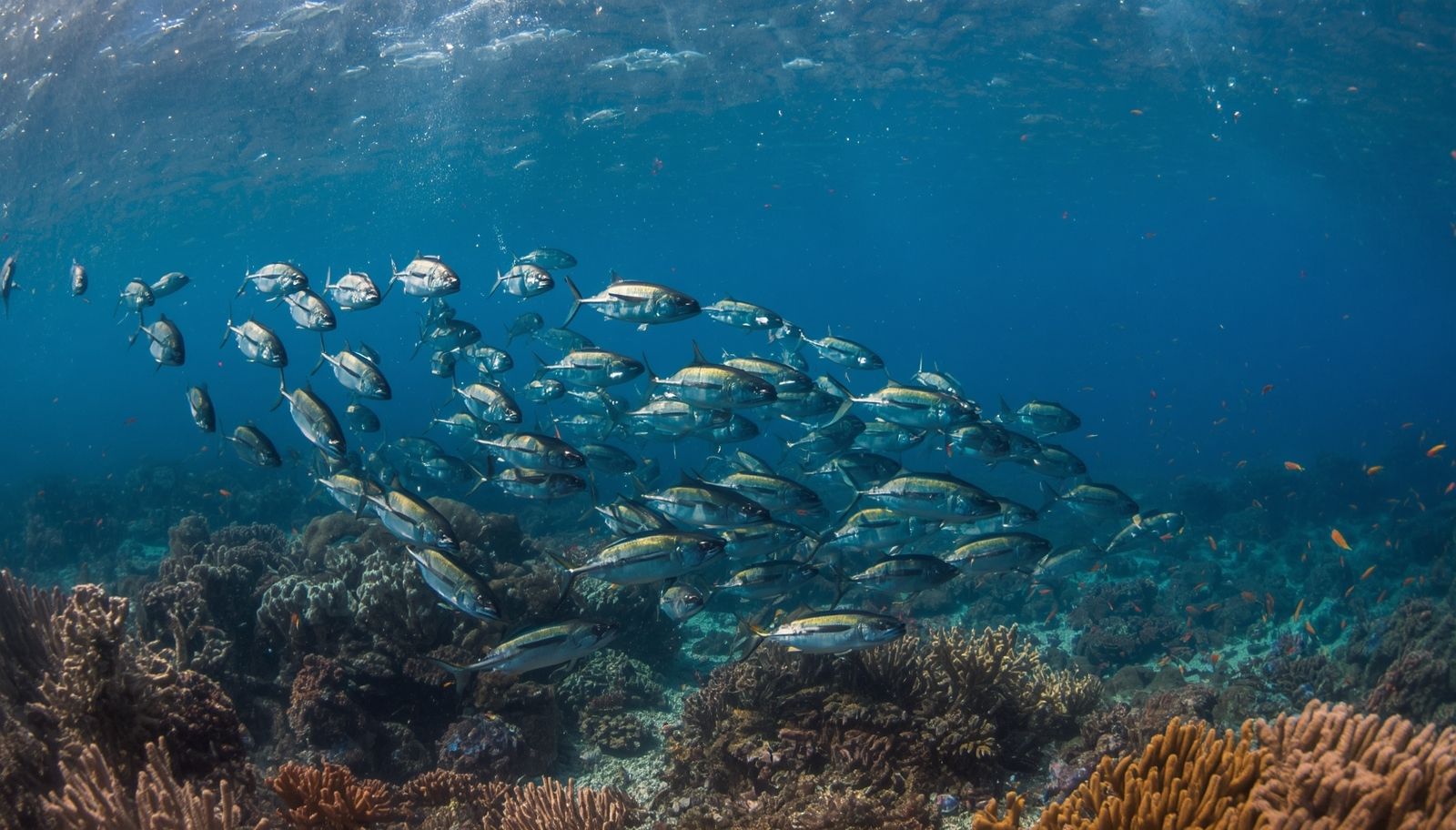
In the human world, rest and sleep are essential to life. Humans, mammals, and even most fish can conserve energy by remaining still. Yet in the vast ocean, there exists a group of creatures that can

Follow us for quirky updates, fun discoveries, and a front‑row seat to the weird and wonderful world we live in.