

The supermarket shelves are filled with an overwhelming variety of alcoholic beverages, and as consumers, we are often accustomed to simply purchasing ready-made products. Yet one may wonder: is it possible to brew one’s own alcohol at home?
The appeal of homebrewing lies not only in the enjoyment of crafting something by hand, but also in the freedom and control it provides. When brewing on your own, you can adjust the alcohol content, sweetness, and aroma to suit personal taste, or even experiment with adding different fruits or spices to create a truly unique flavor. In this way, brewing becomes more than just producing a drink—it becomes an act of creativity.
Moreover, homebrewing is often more economical than buying commercial products. The cost of raw ingredients is relatively low, while the yield can be substantial, leading to significant savings over time. More importantly, the brewing process offers insight into how alcohol is formed: from fermentation to maturation, each step embodies a fusion of science and craftsmanship. This accumulation of knowledge not only enriches everyday life but also deepens one’s appreciation of culinary culture.
The principle and essence of brewing lie in “harnessing the metabolic power of microorganisms to convert sugars into alcohol.” At the core is the fermentation carried out by yeast: once sugars enter the yeast cell, they are broken down through enzyme‑catalyzed reactions.
In the absence of oxygen, yeast performs anaerobic respiration, ultimately producing ethanol and carbon dioxide. Ethanol is the primary component of alcohol, while carbon dioxide may form bubbles or simply escape into the air.
In essence, brewing is both an energy transformation and a material conversion. For yeast, fermentation is a way of sustaining life—it extracts energy from sugars, and in doing so generates alcohol as a by‑product. Alcohol, in turn, becomes the defining element of the beverage.
Different raw materials (such as grapes, malt, or rice) provide distinct sugar sources, while variations in yeast strains and environmental conditions shape the diversity of flavors.
The practical process of brewing is a fusion of science and craftsmanship, where every step—from preparing the raw materials to preserving the finished product—has a direct impact on the quality and flavor of the wine.
In summary, the brewing process involves raw material preparation, saccharification or juicing, yeast fermentation, maturation and clarification, and finally preservation. What has been described above is only the basic procedure; in practice, even small differences in detail can lead to failure or unexpected outcomes. For this reason, it is best to seek guidance from professionals when attempting to brew, so that the process remains safe and produces the desired results.
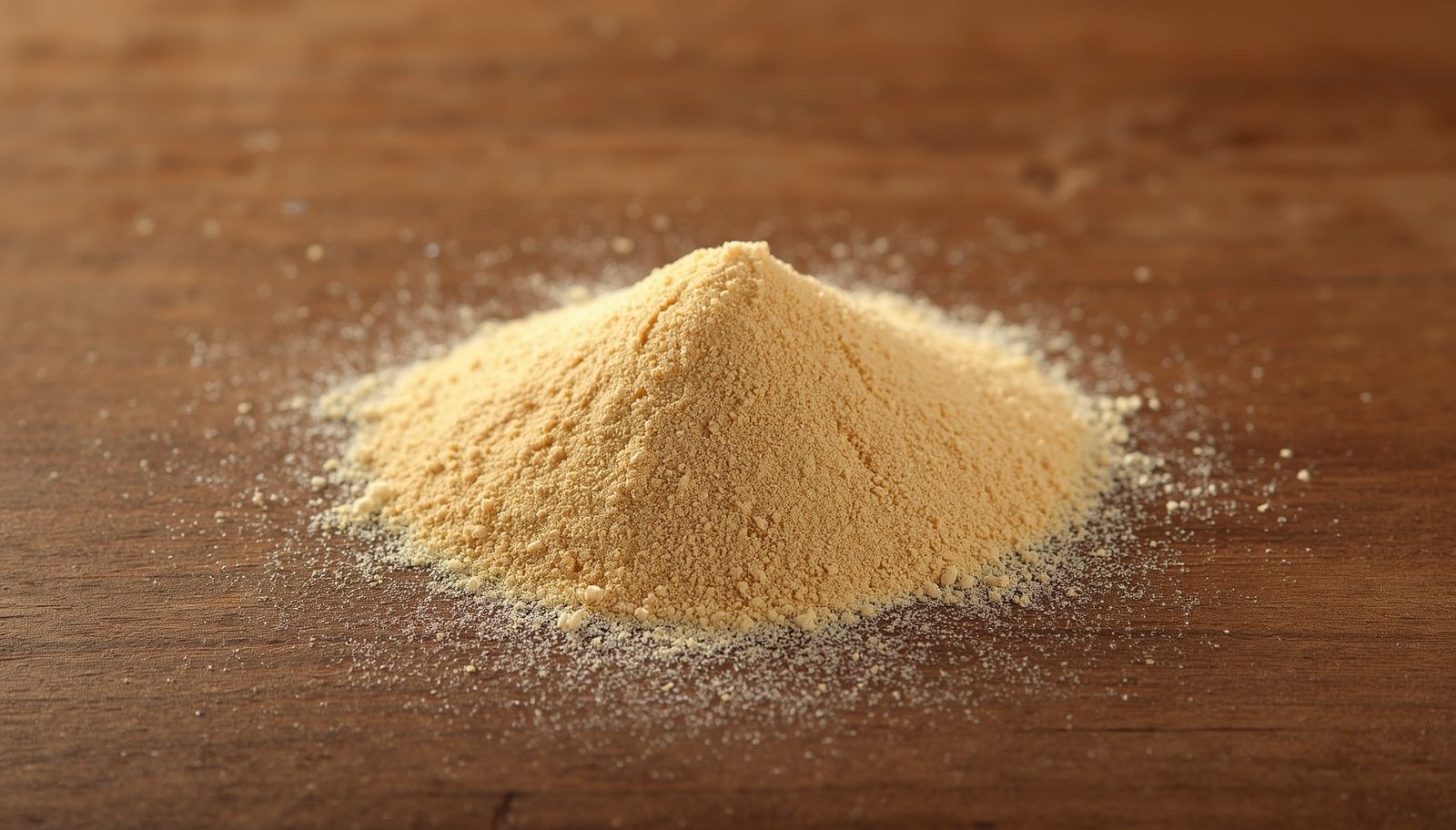 Brewing yeast
When it comes to distilled spirits such as whiskey, brandy, or vodka, their production involves certain distinctive steps, most notably the additional process of distillation. Ordinary brewing relies solely on yeast fermentation to convert sugars into alcohol, but distilled spirits require further distillation after fermentation to raise the alcohol concentration and refine the flavor.
The principle of distillation lies in the difference between the boiling points of alcohol and water. Because alcohol vaporizes at a lower temperature, heating the fermented liquid causes alcohol vapor to rise first. This vapor is then condensed back into liquid, effectively separating out the portion with higher alcohol content. The process not only increases alcohol concentration but also removes some unwanted impurities.
Different distillation methods impart unique characteristics to the spirit. Whiskey is often distilled in copper stills, which react with sulfur compounds in the liquid to reduce off‑flavors and enhance aroma. Brandy, distilled from wine, retains its fruity notes. Vodka, by contrast, aims for exceptional purity, typically undergoing multiple distillations and filtrations to achieve a clean, neutral taste.
After distillation, further steps are often required. Whiskey and brandy are commonly matured in oak barrels, where tannins and aromatic compounds from the wood enrich the flavor profile. Vodka, however, usually skips long maturation and instead relies on filtration to achieve clarity and purity.
In short, the defining feature of distilled spirits is that they go beyond fermentation: distillation elevates both strength and flavor, and subsequent maturation or filtration crafts their distinctive character and quality.
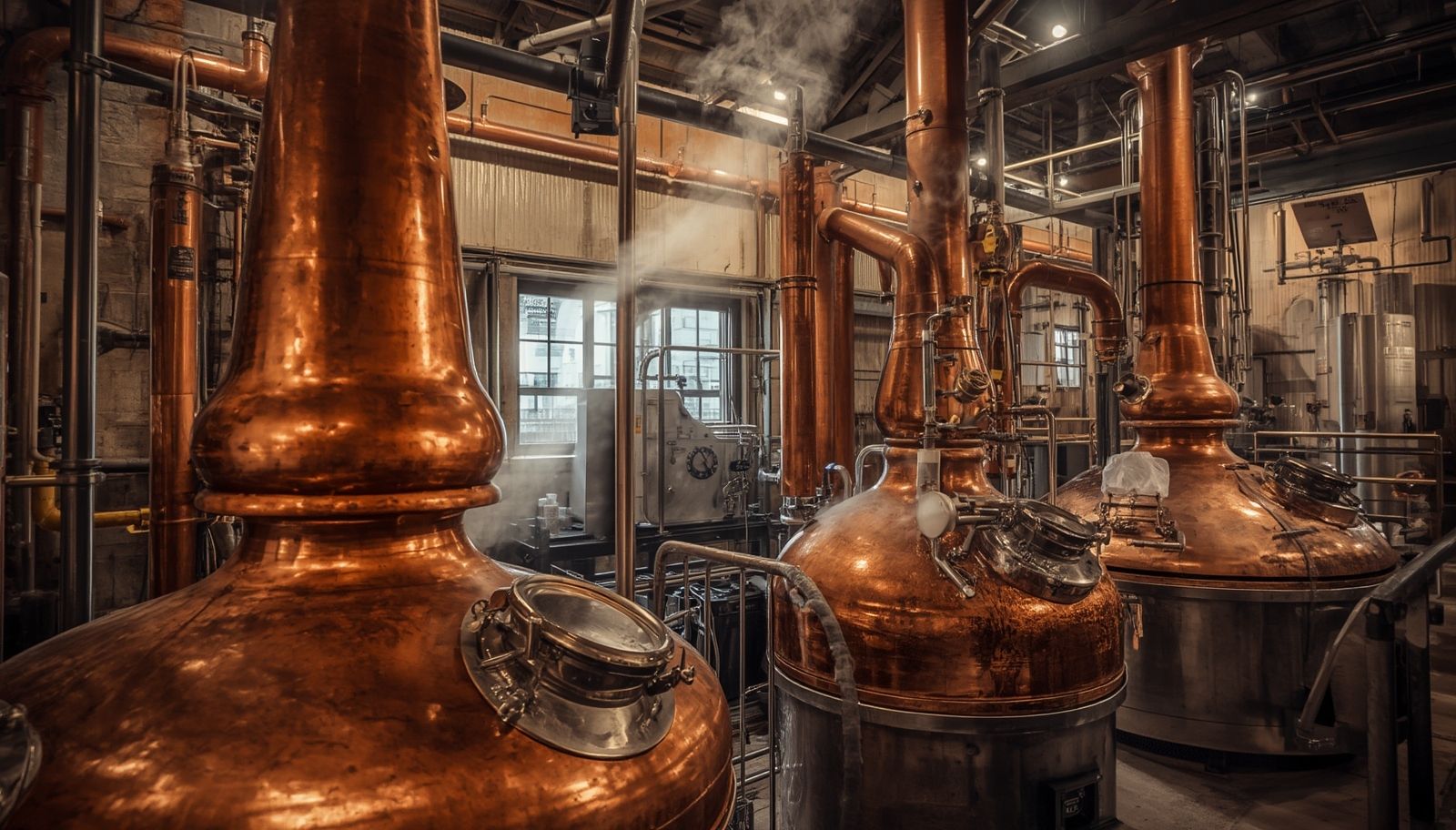 The distillation of spirits often requires specialized professional equipment
Beyond the technical aspects and enjoyment of homebrewing, one must also take local regulations into account. Many regions impose clear restrictions on home production, such as the types of alcohol permitted, the maximum quantities allowed, and whether registration or licensing is required.
In some places, only beer or wine may be brewed, and even then solely for personal consumption, not for sale; distilled spirits are usually subject to stricter controls and often require special licenses.
In addition, regulations may cover safety and hygiene standards—for example, whether the equipment used in brewing meets official requirements, or whether the finished product must be labeled or tested.
These rules are designed to safeguard public health and prevent risks or illegal trade arising from improper brewing. Therefore, before attempting to produce any kind of alcohol, it is essential to understand the laws and regulations in your area.
The charm of homebrewing lies in the chance to personally engage in a process that blends science with creativity. From preparing raw materials and fermenting with yeast to the maturation of the liquid, each step resembles a small‑scale “biochemical experiment.” Not only does it allow close observation of microbial activity, but it also offers the freedom to adjust flavors according to individual taste.
The sense of accomplishment from crafting something by hand, combined with the joy of sharing it with family and friends, often proves more rewarding than the drink itself.
Although brewing is enjoyable, it is also a craft that demands knowledge and experience. Choices of raw materials, control of saccharification, yeast management, and maturation conditions all influence the final quality. Without sufficient understanding and skill, problems such as contamination, failed fermentation, or poor flavor are likely to arise.
For beginners, while homebrewing can be an exciting exploration, those who simply wish to enjoy a good drink may find that purchasing ready‑made products is faster and safer. Professional brewers not only master the scientific principles but also accumulate extensive practical expertise, ensuring consistent quality and diverse flavors.
In short, the true pleasure of brewing lies in learning and experimentation, whereas for straightforward enjoyment, buying a bottle is the most effortless choice.
 In many cases, simply purchasing a finished product or enjoying it at a bar is more effortless, quicker, and more convenient.
We leverage big data to bring you the most fascinating and mind-blowing trivia. Follow us for regular updates—prepare to be amazed while leveling up your knowledge.


Giant cruise ships, cargo vessels, and oil tankers may weigh hundreds of thousands of tons, yet they can still travel freely across the sea. By contrast, a stone with a volume and weight far smaller

A well is one of humanity’s earliest water‑drawing facilities. Its primary function is to bring groundwater to the surface, supplying people with drinking water, irrigation, and everyday use. Because
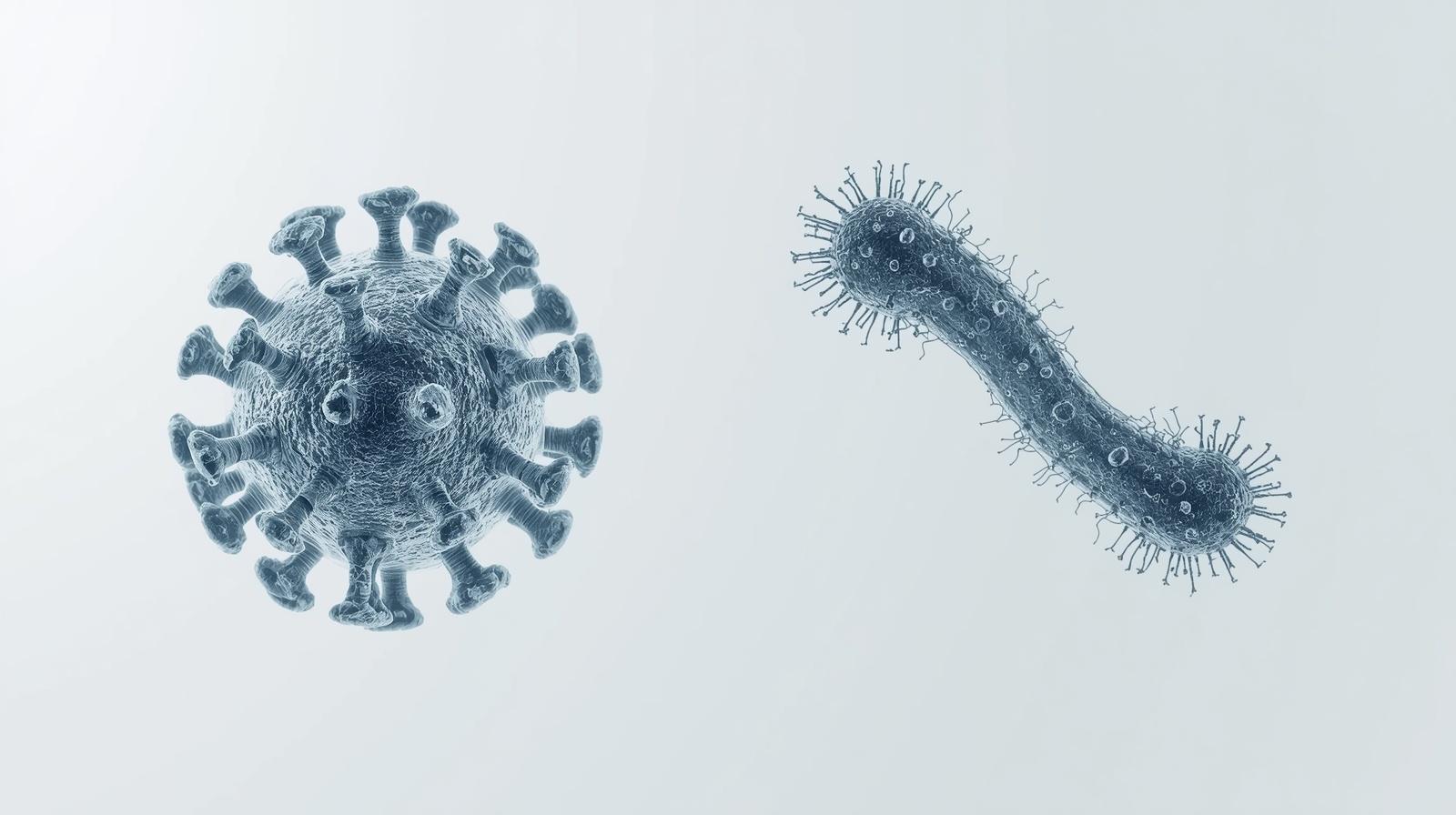
Many people tend to confuse “bacteria” and “viruses” when talking about them. Some believe that a common cold must be caused by a bacterial infection and that taking antibiotics will cure it; others
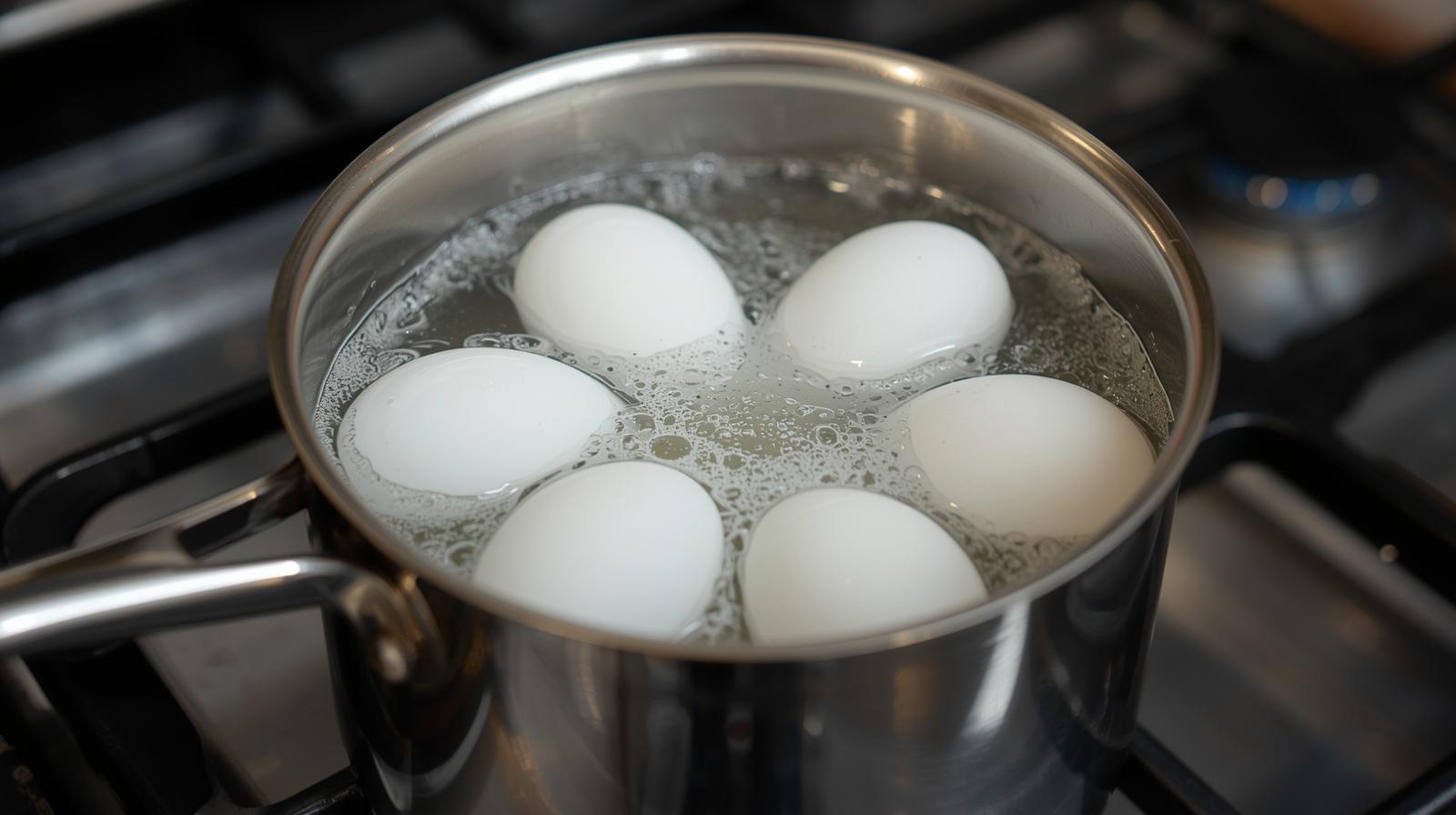
Eggs are a highly nutritious food. They contain high‑quality protein that provides the essential amino acids required by the human body. The yolk is rich in vitamins A, D, E, and K, as well as
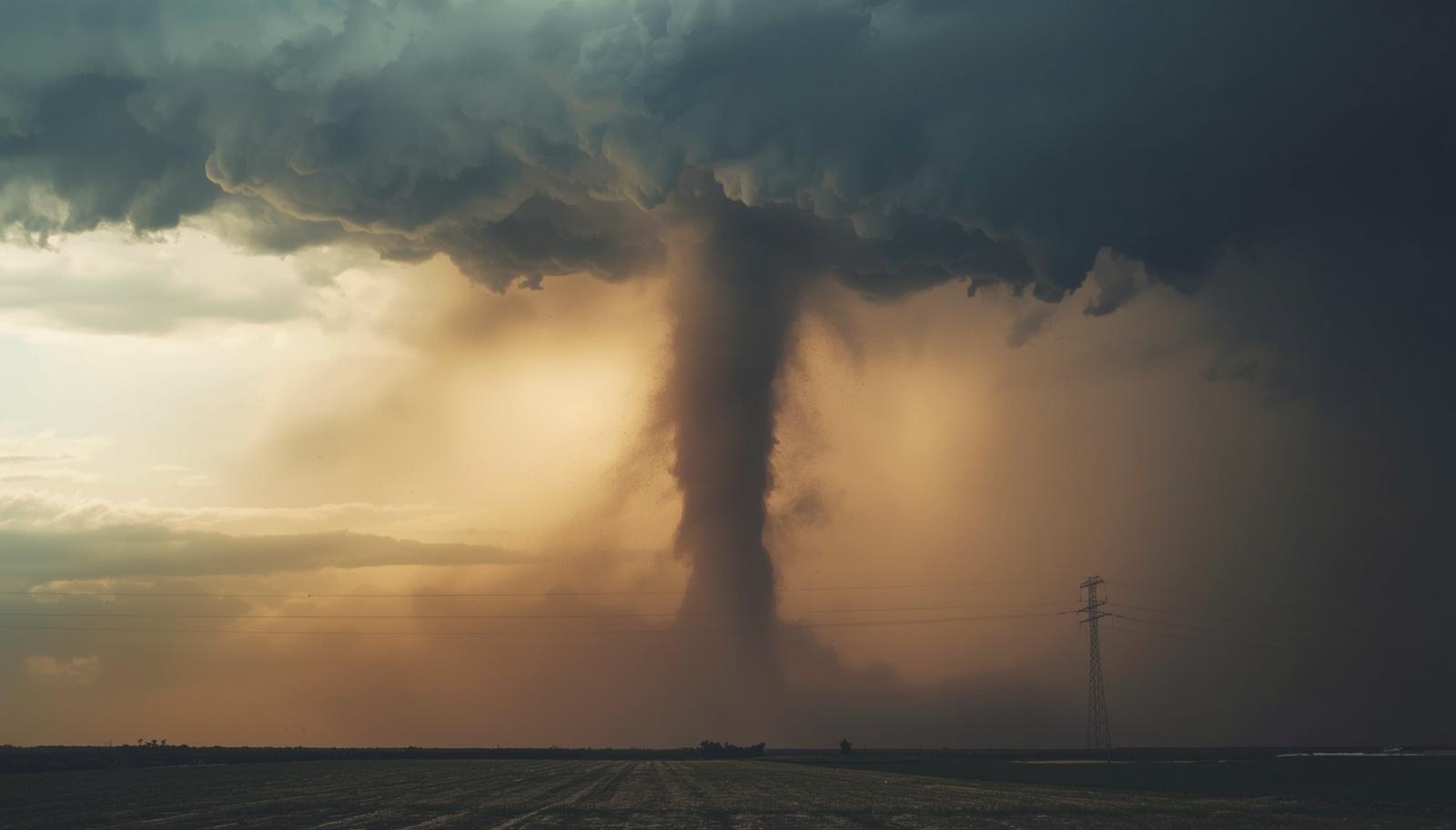
A tornado is an extreme weather phenomenon, essentially a rapidly rotating column of air formed within intense convective thunderstorm clouds. When warm, moist air collides violently with cold, dry
The Maya civilization was once highly advanced, achieving remarkable accomplishments in science and technology that surpassed many contemporary cultures. Yet, why was it still invaded and ultimately

The polar realms, shrouded in relentless cold and endless mystery, remain territories that most people will never set foot upon in their lifetime. The Antarctic and the Arctic lie at opposite ends of

In human society, the most immediate differences often arise from appearance. Walking down the street or browsing through historical images, we find that human looks display astonishing diversity.


Follow us for quirky updates, fun discoveries, and a front‑row seat to the weird and wonderful world we live in.