
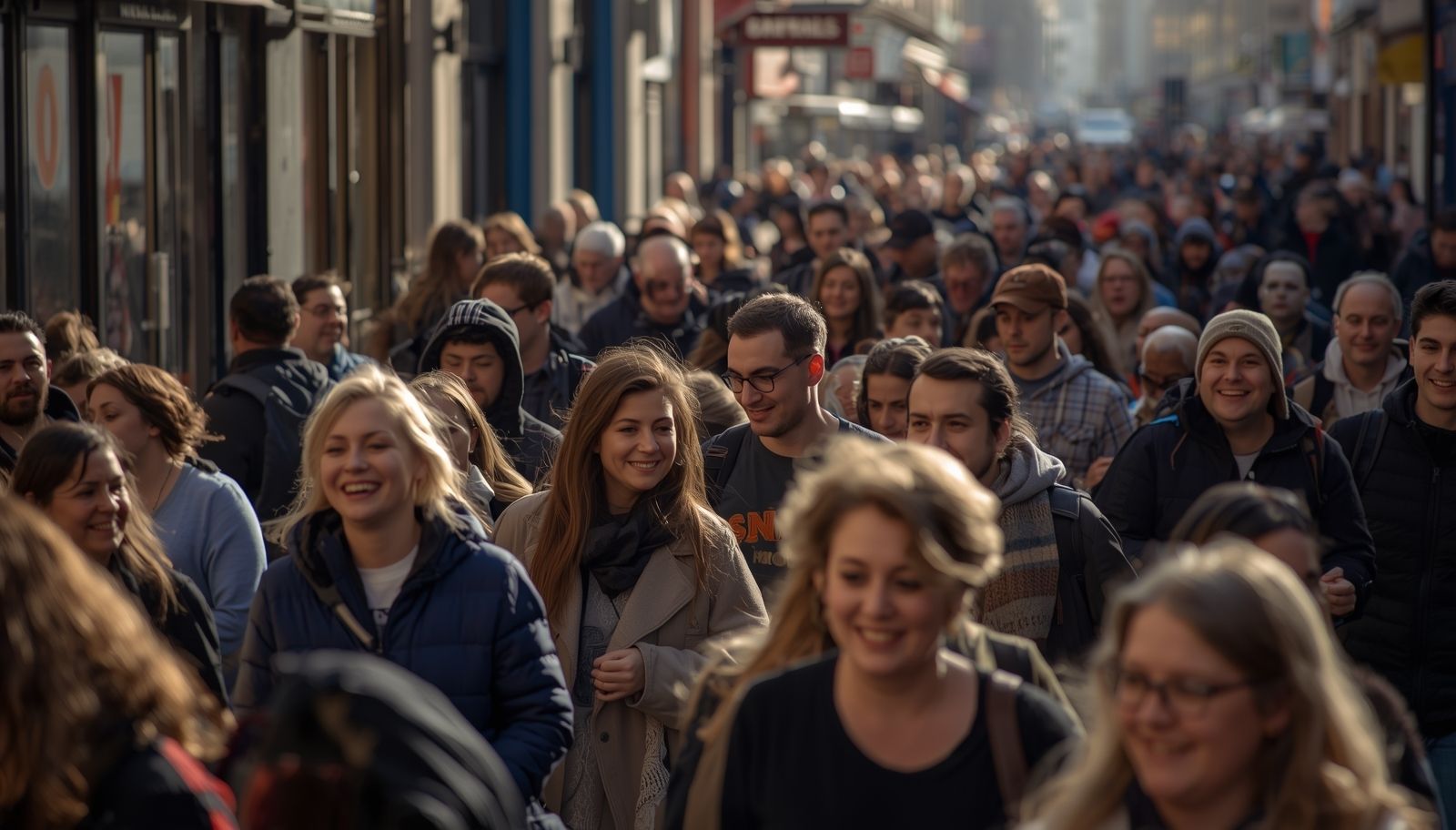
In human society, the most immediate differences often arise from appearance. Walking down the street or browsing through historical images, we find that human looks display astonishing diversity. These variations not only allow us to recognize one another but also form the rich tapestry of human civilization.
Yet how does such diversity come about? Is our appearance determined solely by the genes we inherit at birth, or do environment, culture, and lifestyle gradually shape these differences over time? When we gaze at one another’s faces, what we see is not merely individual traits, but a scientific puzzle worth exploring—the question of why human appearance can manifest in such remarkable variety.
The fundamental source of human variation in appearance lies in genetics. Each individual carries roughly twenty thousand genes, a significant portion of which are related to physical traits—for example, genes that regulate skin pigmentation, influence eye shape, determine nasal bridge height, or affect hair thickness and curliness. These genes do not act in isolation; rather, they operate in combination. Each parent contributes a set of genes, and during fertilization the child randomly inherits half of them, resulting in a unique genetic mosaic.
Crucially, many physical features are not determined by a single gene but by the combined influence of multiple genes. Skin color, for instance, involves several genes associated with melanin production, while eye color depends on multiple genes governing pigment deposition in the iris. This phenomenon of polygenic control means that even if parents share similar appearances, their children may display new traits due to different genetic combinations.
In addition, gene expression is shaped by the distinction between dominant and recessive alleles. Some traits manifest with just one dominant allele, whereas recessive traits require contributions from both parents to be expressed. This interplay between dominance and recessiveness further expands the diversity of human appearance. When mutations or subtle variations are added to the equation, the likelihood of two individuals looking exactly alike becomes virtually impossible.
From a mathematical perspective, the diversity of human appearance is inevitable. The sheer number of possible genetic combinations makes it extraordinarily unlikely for two individuals to be identical. Suppose we consider only a few hundred genes related to appearance, each with at least two or three variants. The number of possible combinations grows exponentially. For example, if 600 genes each have an average of five variants, the total number of combinations would be 5^600. This figure is so vast that it surpasses the estimated number of atoms in the universe, rendering exact duplication inconceivable.
Moreover, genes do not function independently. Many traits are determined by interactions among multiple genes, a phenomenon known as epistasis. These interactions mean that genetic outcomes are not simply additive but can produce complex variations. In other words, even when parents share similar genetic profiles, their children may exhibit novel features due to differences in gene interactions.
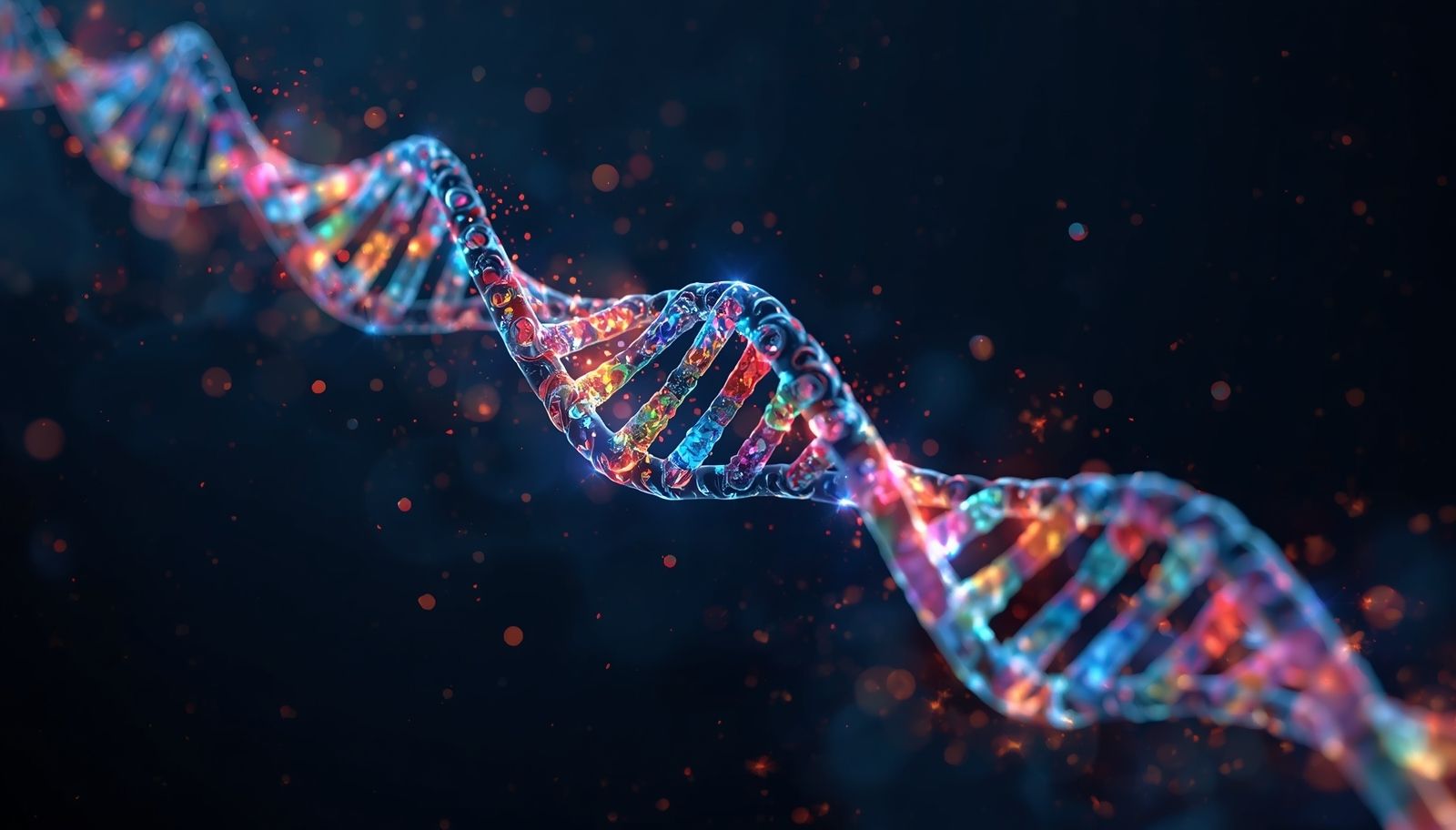 Genetics are a crucial determinant of physical appearance
Beyond genetic differences, environmental factors have also played a long-term role in shaping human appearance. Climate adaptation is a prominent example. Populations living in cold regions over many generations often develop thicker layers of subcutaneous fat and shorter limb proportions to reduce heat loss; in contrast, those in hot climates tend to exhibit taller, leaner physiques with longer limbs, which facilitate heat dissipation. These differences do not emerge within a single generation but are gradually fixed through natural selection across centuries.
Dietary habits likewise leave a lasting imprint. A diet rich in protein or dairy products can promote skeletal growth and greater stature, whereas grain-based diets may result in slimmer average body builds. In some regions, the presence of specific elements in food—such as fluoride or iodine—can even affect dental and thyroid development, indirectly altering physical features.
Lifestyle factors are equally significant. Populations in agrarian or labor-intensive societies often display more robust physiques with pronounced muscular definition, while those in urban, sedentary settings may develop different body proportions. Even facial features can be influenced: groups accustomed to chewing tougher foods tend to have broader, stronger jawbones, whereas populations consuming softer diets often exhibit narrower jaw structures.
In shaping human appearance, the influence of culture and aesthetics is often deeper than we might imagine. Different societies hold distinct conceptions of beauty, and these preferences directly affect patterns of mate selection, which in turn alter the physical traits of populations over generations. For example, in cultures that favor high nasal bridges or large eyes, such features are more likely to be chosen in marriage and gradually become more common within the group.
Cultural practices also leave their mark on appearance. Some societies value particular body proportions, prompting individuals to maintain them through diet, exercise, or even traditional customs. While cultures that emphasize physique may encourage populations to develop leaner or more muscular builds.
Aesthetic ideals shift over time as well. Throughout history, definitions of beauty have varied dramatically: certain eras prized fuller figures as symbols of abundance, while others celebrated slender physiques as emblems of elegance. These shifting trends not only shaped individual choices but also left enduring imprints on the collective appearance of populations.
Thus, human appearance is not solely the product of genetics and environment; it is also a reflection of the long-term influence of cultural aesthetics. In many ways, the diversity of physical features mirrors the diversity of human civilization itself.
The remarkable diversity of human appearance is not the result of a single factor, but rather the long-term interplay of genetics, environment, and culture. Genetics provide the fundamental source of variation, with each population accumulating distinctive genetic combinations over generations. Environment, through influences such as climate, diet, and lifestyle, gradually shapes body types and facial features. Culture and aesthetic preferences act as selective forces in mate choice, reinforcing or perpetuating certain traits within a community.
When these differences become fixed across regions over long periods, they give rise to what we now call the concept of “race.” Race is not a strict biological classification, but rather a collection of shared physical traits within a group. It reflects both human adaptation to diverse geographic environments and the enduring impact of cultural preferences and social choices. In other words, the formation of race is a historical process: genetic diversity provides the possibilities, environmental pressures shape the direction, and cultural preferences deepen distinctions among groups.
Thus, the variability of human appearance is inseparable from the existence of race. Diversity in physical traits forms the foundation of racial categories, while the concept of race itself is a human construct developed to classify these differences. From a scientific perspective, humanity remains a single species, yet within this species the interwoven effects of genetics, environment, and culture produce an extraordinary richness of variation.
Even within the same race, the potential for genetic combinations is vast, approaching infinity. Each individual inherits thousands of genes from their parents, which recombine in unique ways. Even if we consider only a few hundred genes related to appearance, each with two or three variants, the number of possible combinations already reaches astronomical levels. This means that even among people of the same race, facial diversity remains immense, making it virtually impossible for two faces to be exactly alike.
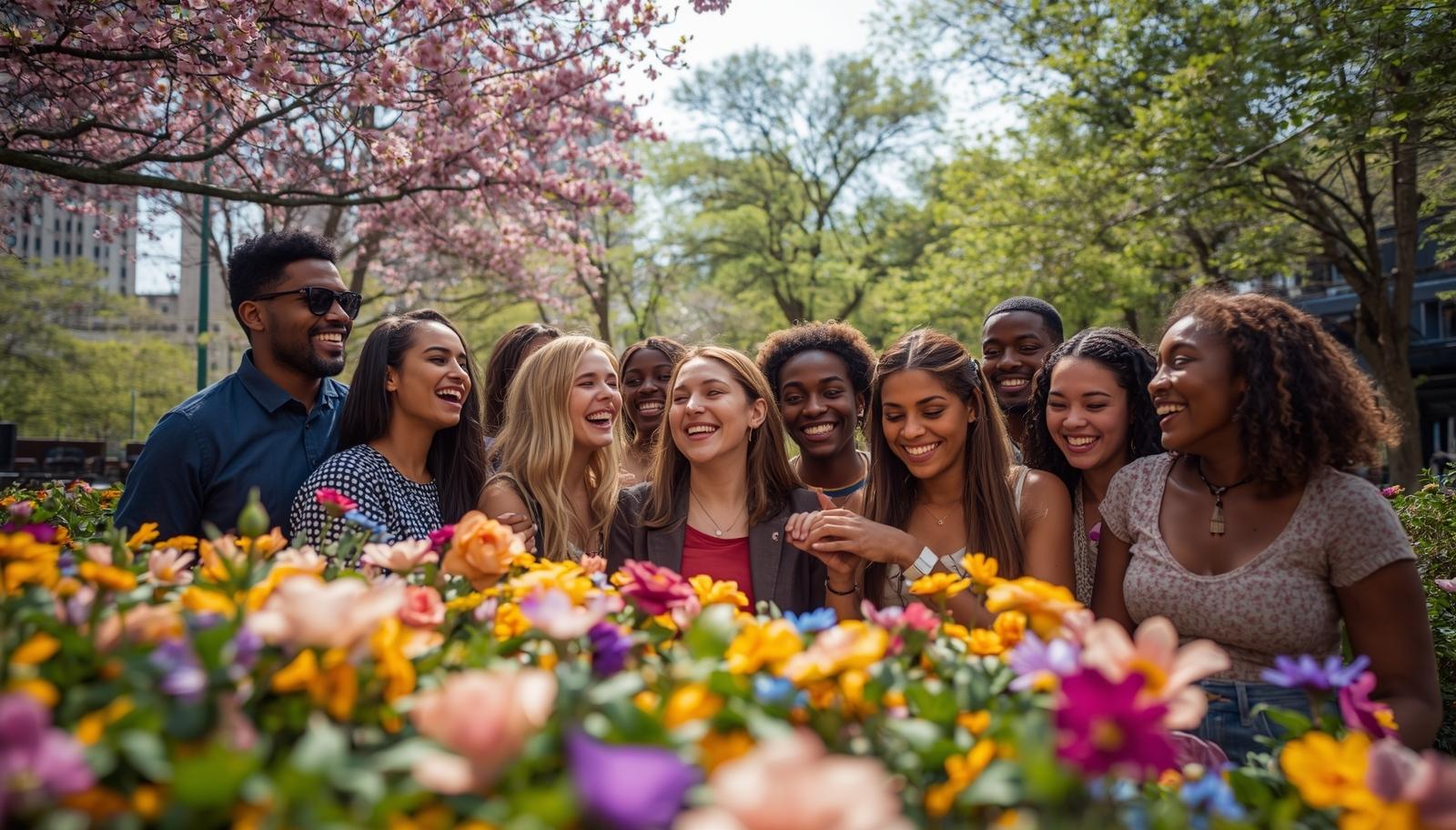 The diversity of races is closely linked to the diversity of human appearance
We leverage big data to bring you the most fascinating and mind-blowing trivia. Follow us for regular updates—prepare to be amazed while leveling up your knowledge.


On an airplane, flight attendants are constantly reminding us of various instructions: fasten your seatbelt, stow your tray table, adjust your seatback, and even raise the window shades. What is the

Volcanoes are breathtakingly majestic, drawing countless visitors to admire their scenery. But what would happen if someone were to slip and fall into one? ### Density The density of lava is
Throughout the course of human history, the spread of electricity has symbolized a leap in civilization. Its emergence not only provided an entirely new source of energy but also fundamentally

Human sex is not only a fundamental biological trait but also a force that profoundly shapes the structure and functioning of society, influencing family roles, cultural norms, and institutional

There are many different kinds of vinegar in the world, ranging from fruit vinegar and rice vinegar to wine vinegar and white vinegar, each with its own distinctive flavor and use. Fruit vinegar

Teeth are among the hardest tissues in the human body, capable of withstanding immense pressure during chewing and resisting everyday wear. Yet within such a resilient structure, why does corrosion

A hot air balloon is a large and graceful aircraft, symbolizing humanity’s earliest attempts to explore the sky. In eighteenth‑century France, the Montgolfier brothers first launched such a fabric

A tornado is an extreme weather phenomenon, essentially a rapidly rotating column of air formed within intense convective thunderstorm clouds. When warm, moist air collides violently with cold, dry



Follow us for quirky updates, fun discoveries, and a front‑row seat to the weird and wonderful world we live in.