
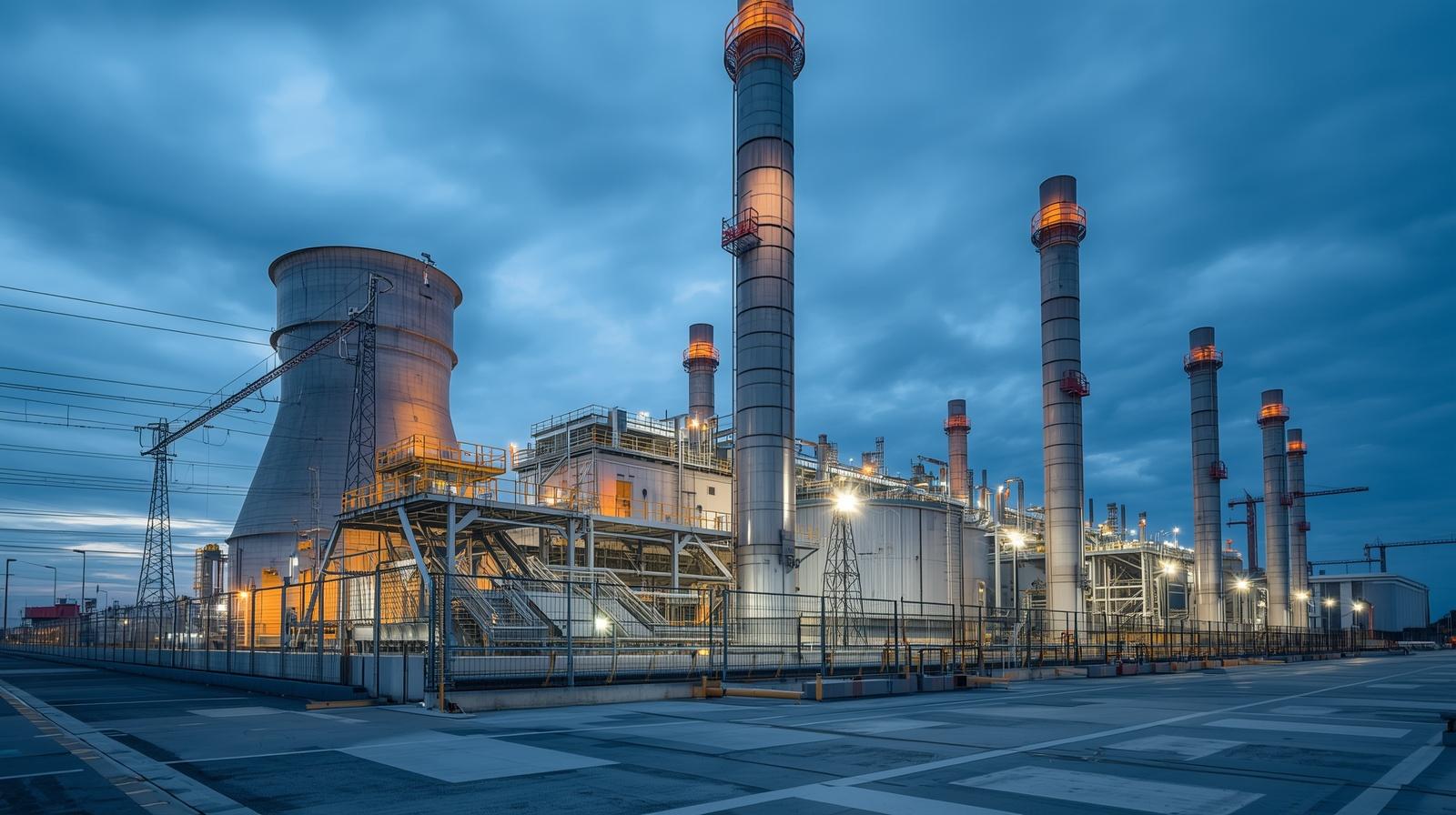
Throughout the course of human history, the spread of electricity has symbolized a leap in civilization. Its emergence not only provided an entirely new source of energy but also fundamentally transformed human lifestyles and social structures.
Electricity illuminated cities at night, enabled continuous industrial production, and opened unprecedented possibilities in medicine, transportation, and communication. It became the infrastructure of modern civilization, supporting the advancement of science and culture.
When humanity first truly understood and mastered electricity, the world was astonished. Electricity was not magic, but a fundamental physical phenomenon of nature. What, then, is electricity? How does it operate?
An electron is a fundamental particle carrying a negative charge and an indispensable component of atomic structure. Its mass is extremely small—far less than that of protons and neutrons—making it highly mobile within the atom.
Electrons are primarily distributed in energy levels or orbitals surrounding the nucleus, forming what is often described as an “electron cloud.” These electrons are not stationary; instead, they exist in rapid motion, with their positions defined probabilistically rather than by fixed paths.
The behavior of electrons is closely tied to the atom itself. Protons in the nucleus carry positive charge and attract the negatively charged electrons, keeping them bound within the outer energy levels. The arrangement of electrons determines the chemical properties of the atom: which atoms can bond to form molecules, and how stable or reactive a substance may be.
When electrons transition between different energy levels, they release or absorb energy—this process is the origin of light and many electromagnetic phenomena.
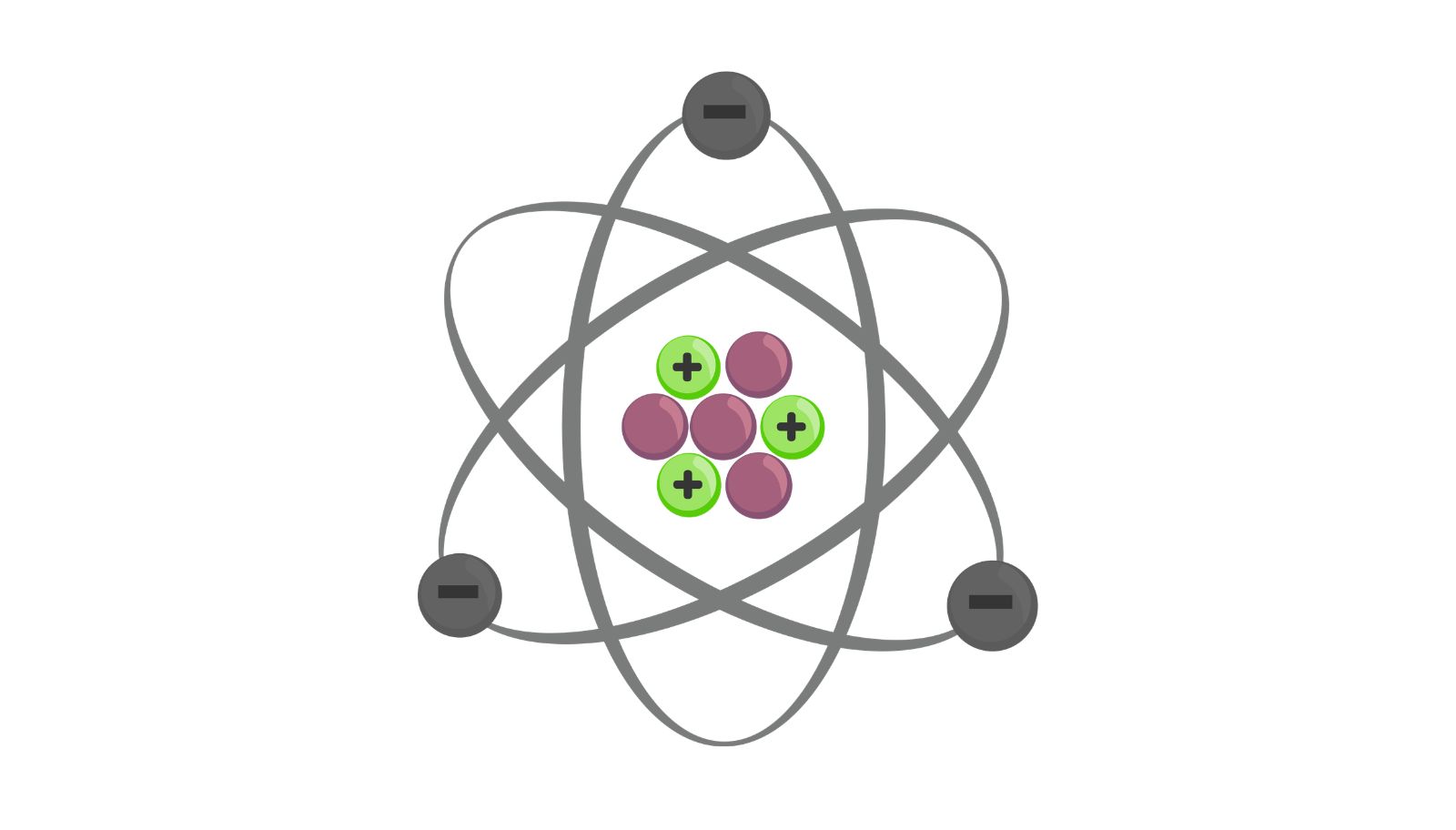 Protons, which carry a positive charge, and neutrons, which are electrically neutral, together form the atomic nucleus, while negatively charged electrons spread around it.
Electric current can be understood as the continuous, orderly flow of electrons through a conductor. When a large number of electrons move in the same direction, an electric current is formed. This flow carries energy and transmits it through circuits, enabling various devices to operate. In essence, current is a dynamic phenomenon—it is not a substance in itself, but rather the collective behavior of electrons under specific conditions.
Voltage is the key factor that drives current. It can be regarded as a “potential difference,” much like water flowing downhill due to a difference in elevation. Electrons are propelled by this voltage difference, moving from the higher potential end toward the lower potential end. Voltage provides the driving force for electron motion, allowing current to persist and flow steadily.
The relationship between current and voltage is inseparable: without voltage, electrons lack the force to move and current cannot form; with voltage present, electrons are driven into motion, producing current.
The interaction between electric current and magnetism is a two‑way influence. When electrons flow through a conductor to form a current, their motion generates a magnetic field in the surrounding space. This magnetic field is not an added effect but a natural extension of the current itself—like electrons “stirring” the space around them and leaving traces of magnetism. This is why wherever current exists, a magnetic field can be detected nearby.
Conversely, magnetism can also affect current. When a magnetic field changes around a conductor, electrons are pushed into motion, beginning to flow along the wire and forming a new current. This phenomenon is the foundation of electromagnetic induction. One may picture the magnetic field as an invisible hand that pulls or drives electrons, preventing them from remaining still and instead guiding them into an orderly flow.
When a conductor, such as a coil, is placed within a magnetic field and undergoes relative motion, the changing field induces an electromotive force inside the conductor. This electromotive force drives electrons to move along the conductor, creating an organized flow—that is, electric current.
At the heart of this process lies the “cutting of magnetic field lines.” As the coil rotates or shifts, it continually alters its relative position to the magnetic field, thereby pushing electrons into motion. As long as the magnetic field persists and the conductor continues to move, current will be continuously generated.
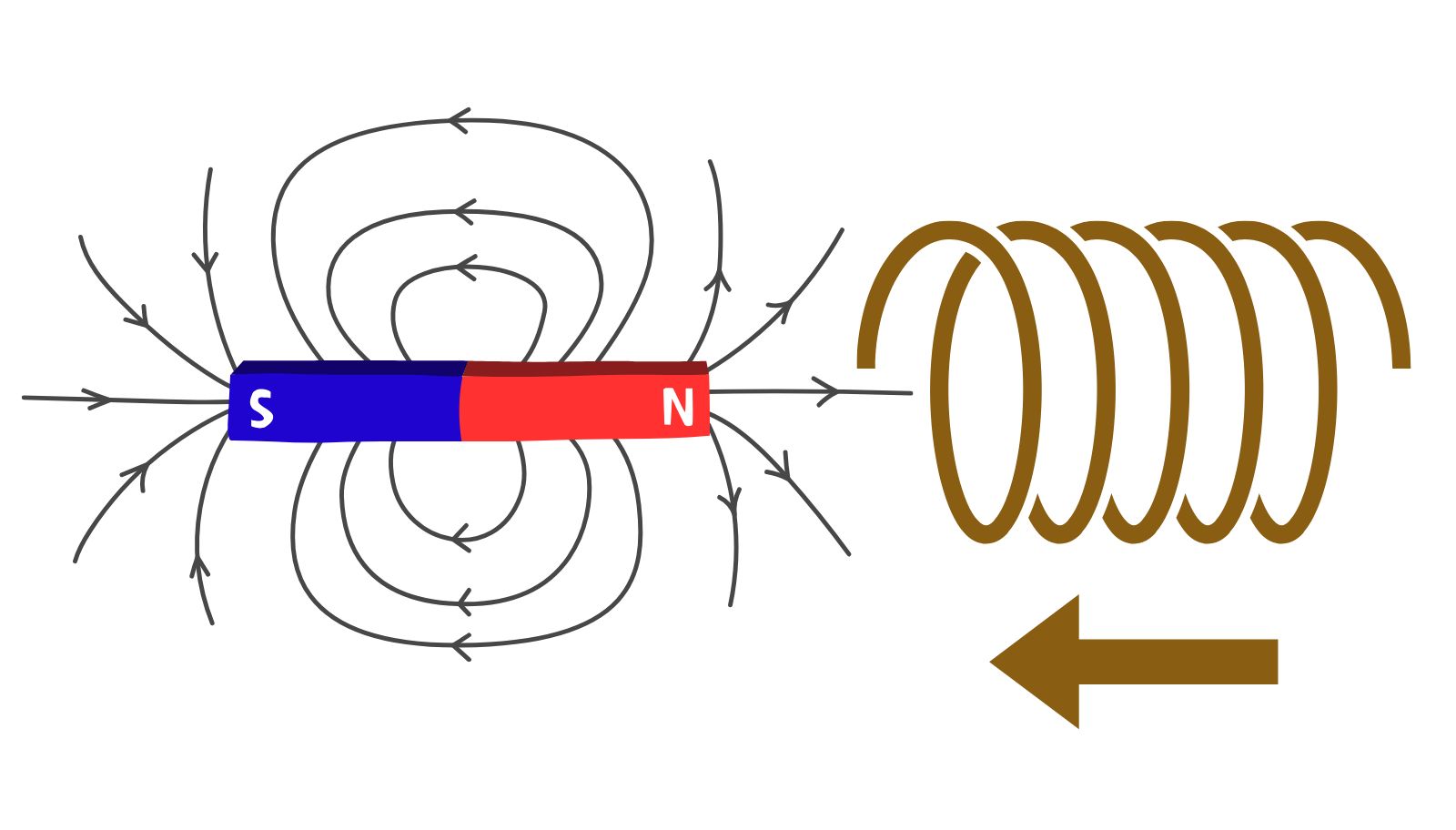 When a coil cuts through magnetic field lines, the electrons inside the coil are driven into motion.
A generator produces electricity by means of electromagnetic induction, a process that can be understood as a continuous chain of energy conversion. When an external energy source—such as a steam‑driven turbine, flowing water, or wind—causes the rotor of the generator to spin, the conductor coils attached to the rotor begin to move within a magnetic field. This motion constantly changes the relative position of the coils and the field, causing the magnetic force to act upon the electrons.
Once pushed by the magnetic field, the electrons in the conductor create a potential difference, known as electromotive force. This force compels the electrons to flow in an orderly manner along the wire, thereby forming an electric current. As long as the coils continue to rotate, the electromotive force is continually generated, and the current remains stable. In other words, mechanical energy is converted into electrical energy through the rotation of the coils.
In this process, the magnetic field serves as the “driving”, while the rotation of the coils acts as the “medium of conversion.” Together, they enable the generator to deliver a sustained output of current. Finally, this current is adjusted by transformers to the appropriate voltage and then transmitted through the power grid to different destinations.
When you insert an appliance’s plug into a socket, you are in fact completing a closed circuit. The socket is connected to the building’s electrical system, where voltage is continuously present, ready to drive the flow of electrons. Once the plug is inserted, the appliance’s wires make firm contact with the socket’s metal terminals, allowing electrons to enter the appliance’s internal circuitry from the power grid.
After current enters the appliance, it follows the designed pathways to drive electron flow. For example, in a light bulb, current passes through the filament; electrons encounter resistance in the conductor, and their energy is converted into heat and light, causing the bulb to glow.
In a fan, current flows into the coil, generating a magnetic field that interacts with fixed magnets, pushing the rotor to spin—thus electrical energy is converted into mechanical energy. In more complex devices such as computers or smartphones, current flows into circuit boards, activating transistor switches, enabling signals to be processed and displayed as images or programs.
Voltage plays the role of the “driving force” in this process. It provides the pressure that propels electrons, ensuring that current can enter and pass through every part of the appliance. Since different appliances require different levels of voltage and current, building power systems are standardized and use sockets or transformers to adjust the supply accordingly.
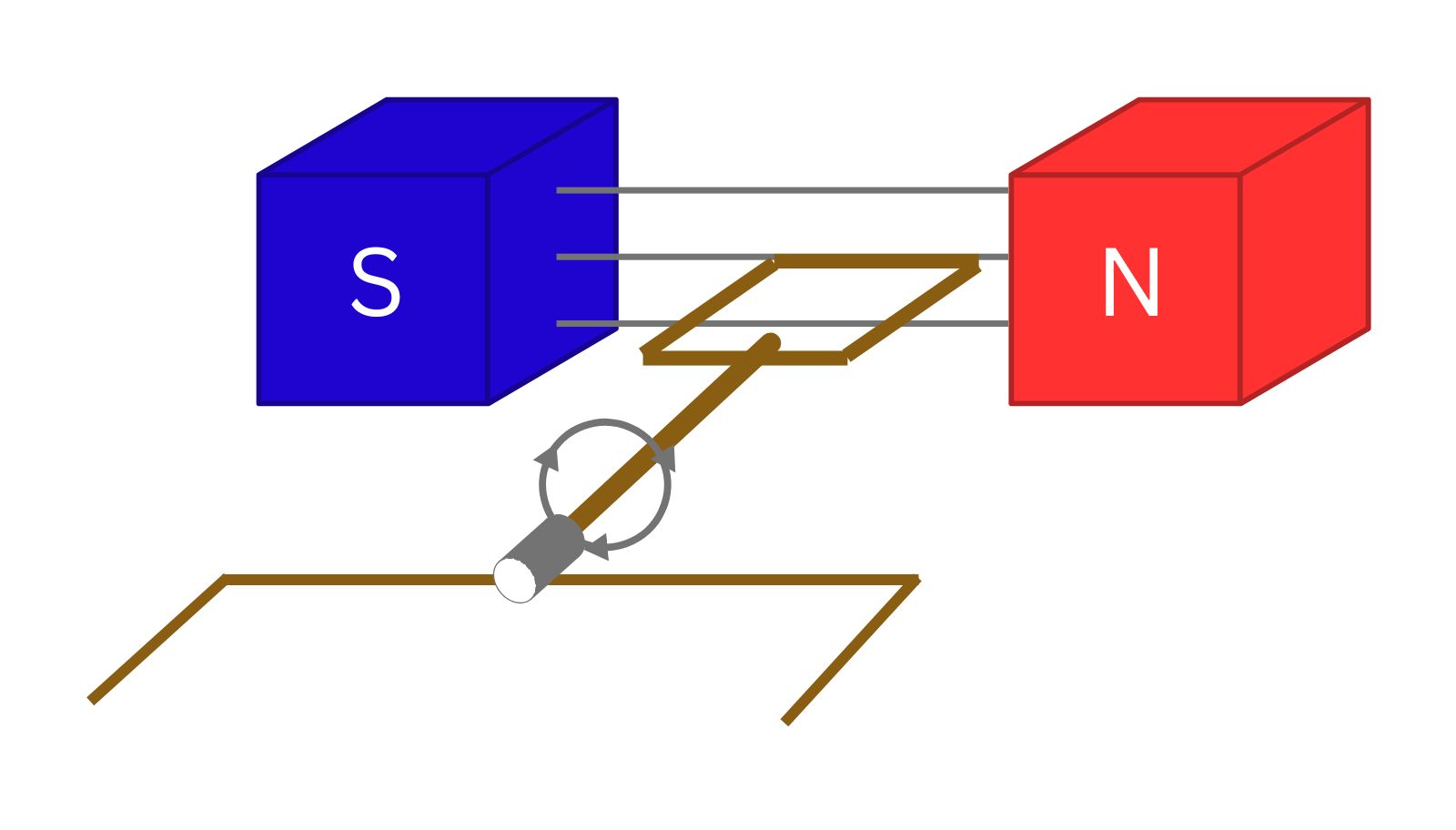 A traditional generator works by harnessing the principle of electromagnetic induction to continuously supply electricity.
The existence of direct current (DC) and alternating current (AC) stems from humanity’s differing energy needs and technological developments in various contexts. Direct current refers to the steady flow of electrons in a fixed direction, always moving from a higher potential to a lower potential—much like water continuously flowing in one direction.
This type of current was first supplied by batteries, whose internal chemical reactions maintain a stable potential difference. Because of this, DC is well suited for devices that require a constant voltage, such as electronic circuits, mobile phones, and computers. Its advantages lie in stability and ease of control, though it suffers greater energy loss over long‑distance transmission.
Alternating current, by contrast, is characterized by electrons reversing direction periodically, with voltage rising and falling in cycles. AC is primarily generated by coils rotating within a magnetic field inside generators; since rotational motion is inherently cyclical, the current naturally alternates.
The greatest advantage of AC is that its voltage can be easily transformed using transformers. Electricity can be transmitted at high voltage to reduce energy loss, then stepped down to safe levels for local use. For this reason, AC became the dominant form of power in global grids, supporting the demands of cities and industry.
In practice, the two forms complement rather than exclude each other. AC is ideal for large‑scale generation, long‑distance transmission, and driving AC motors (such as industrial machinery and household appliances), while DC is better suited to electronic devices, battery‑powered systems, and circuits requiring stable voltage.
Modern power systems have also introduced extensive conversion technologies: rectifiers can turn AC into DC for electronic equipment or energy storage, while inverters convert DC into AC, allowing solar panels or batteries to feed into the grid or power AC loads.
The emergence of the smart grid stems from the inadequacies of traditional power systems in meeting modern energy demands. Conventional grids are largely one‑way: electricity flows from large power plants through transmission lines to users, with little capacity for real‑time monitoring or flexible adjustment. When demand suddenly spikes or a fault occurs, traditional grids often respond slowly, leading to outages or wasted energy.
Moreover, with the growing adoption of renewable energy sources such as solar and wind, conventional grids struggle to integrate distributed generation, since they were not designed to accommodate users acting simultaneously as “producers.”
The concept of the smart grid was developed to address these challenges. By combining information technology, communication systems, and energy management, it enables real‑time monitoring of electricity flows and uses data analysis to forecast demand and automatically adjust supply.
Its defining feature is two‑way interaction: electricity no longer flows solely from power plants to consumers; users can also feed power from home solar panels or storage systems back into the grid. This design makes energy distribution more flexible, improving overall efficiency and stability.
Looking ahead, smart grids will be closely integrated with renewable energy, electric vehicles, and advanced storage technologies, forming a highly intelligent energy ecosystem. They can reduce carbon emissions, enhance energy utilization, and provide greater resilience against extreme weather or unexpected events.
In short, the rise of the smart grid marks humanity’s transition from “simple power delivery” to “intelligent energy management,” ushering in a new era of sustainability, efficiency, and security in energy systems.
Electric power is immensely precious. From lighting, transportation, and healthcare to information technology, nearly all aspects of daily life and industrial activity rely on a stable electricity supply.
Yet traditional sources of electricity are largely derived from fossil fuels, which are finite and whose extraction and combustion cause environmental pollution and significant carbon emissions. As global population grows and energy demand continues to rise, the scarcity of electricity resources and their environmental costs have become increasingly evident, prompting humanity to recognize the need to conserve and use electricity wisely.
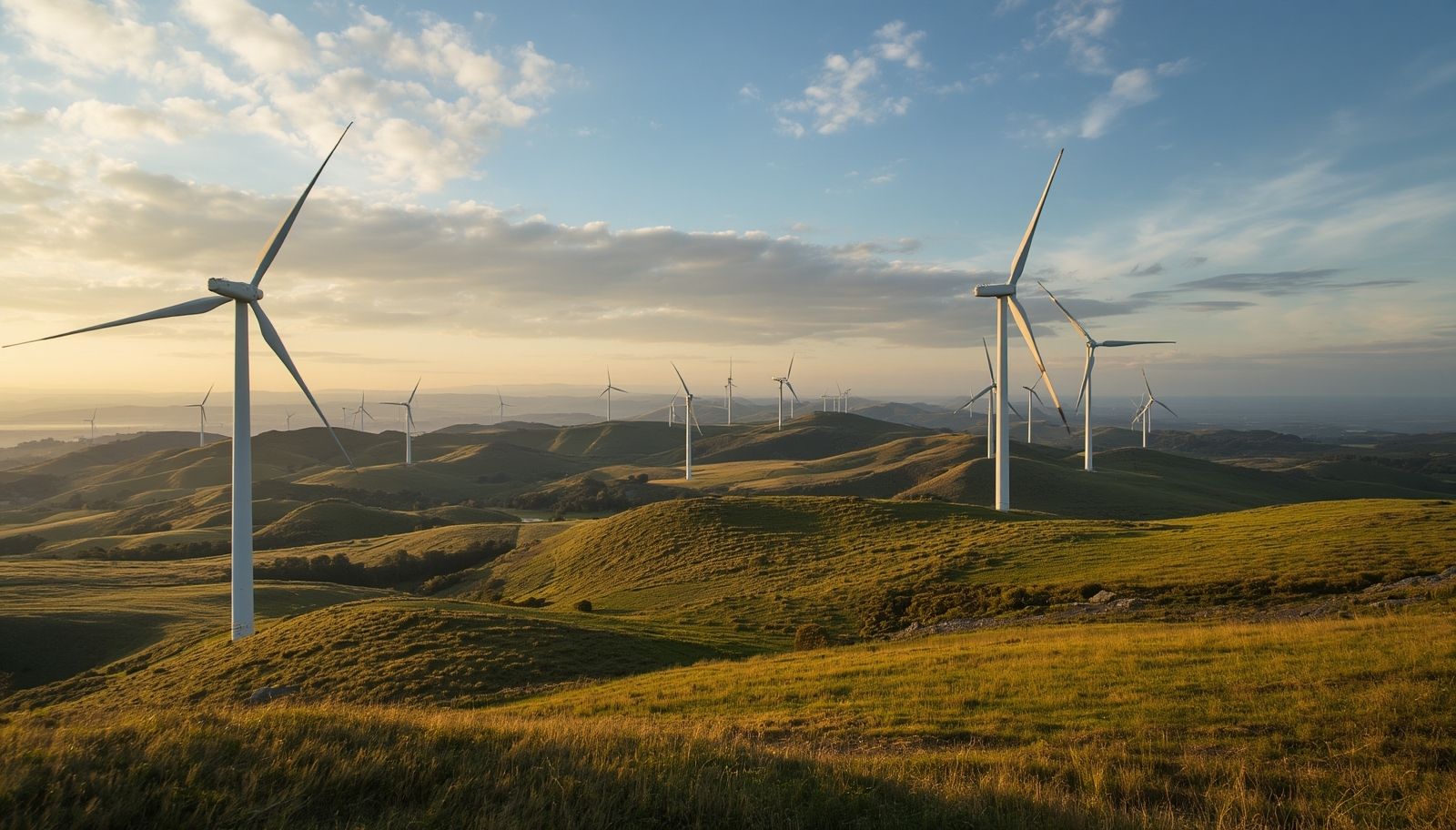
The trend toward renewable energy has emerged in this context. Solar, wind, hydro, and geothermal energy are drawn from natural cycles and, in principle, can provide a continuous supply without the risk of depletion faced by fossil fuels. More importantly, renewable energy generates little to no carbon emissions during power production, significantly easing the burden of climate change.
With technological advances—higher efficiency in solar panels, more refined designs for wind turbines, and declining costs of storage systems—renewable energy has moved beyond being a mere ideal and is steadily becoming a mainstream choice.
Looking ahead, renewable energy will be integrated with smart grids, storage technologies, and electric vehicles to form a highly interconnected energy ecosystem. Such a system not only ensures stable supply but also allows for more flexible use of energy, reducing waste.
In essence, the precious nature of electricity reminds us to value and manage it responsibly, while the rise of renewable energy signals humanity’s transition toward a more sustainable and environmentally conscious era.
We leverage big data to bring you the most fascinating and mind-blowing trivia. Follow us for regular updates—prepare to be amazed while leveling up your knowledge.


On an airplane, flight attendants are constantly reminding us of various instructions: fasten your seatbelt, stow your tray table, adjust your seatback, and even raise the window shades. What is the

The supermarket shelves are filled with an overwhelming variety of alcoholic beverages, and as consumers, we are often accustomed to simply purchasing ready-made products. Yet one may wonder: is it

A breeze drifts by, as if pushing away the stifling air and bringing with it a refreshing coolness. The leaves sway in response, a gentle touch brushes the cheeks, invigorating the spirit and easing

The chicken’s body is likewise covered with feathers and equipped with wings, giving the outward impression of being suited for flight. Yet why is it that they cannot soar into the sky like other

For many people, losing weight feels like a lifelong mission. In today’s world of abundance, food shortages are no longer a concern. Instead, overnutrition has led to widespread obesity. ###

The tender green of spring, the heat of summer, the golden hues of autumn, and the chill of winter—people have long grown accustomed to this cycle. Yet how many have paused to wonder: what force lies

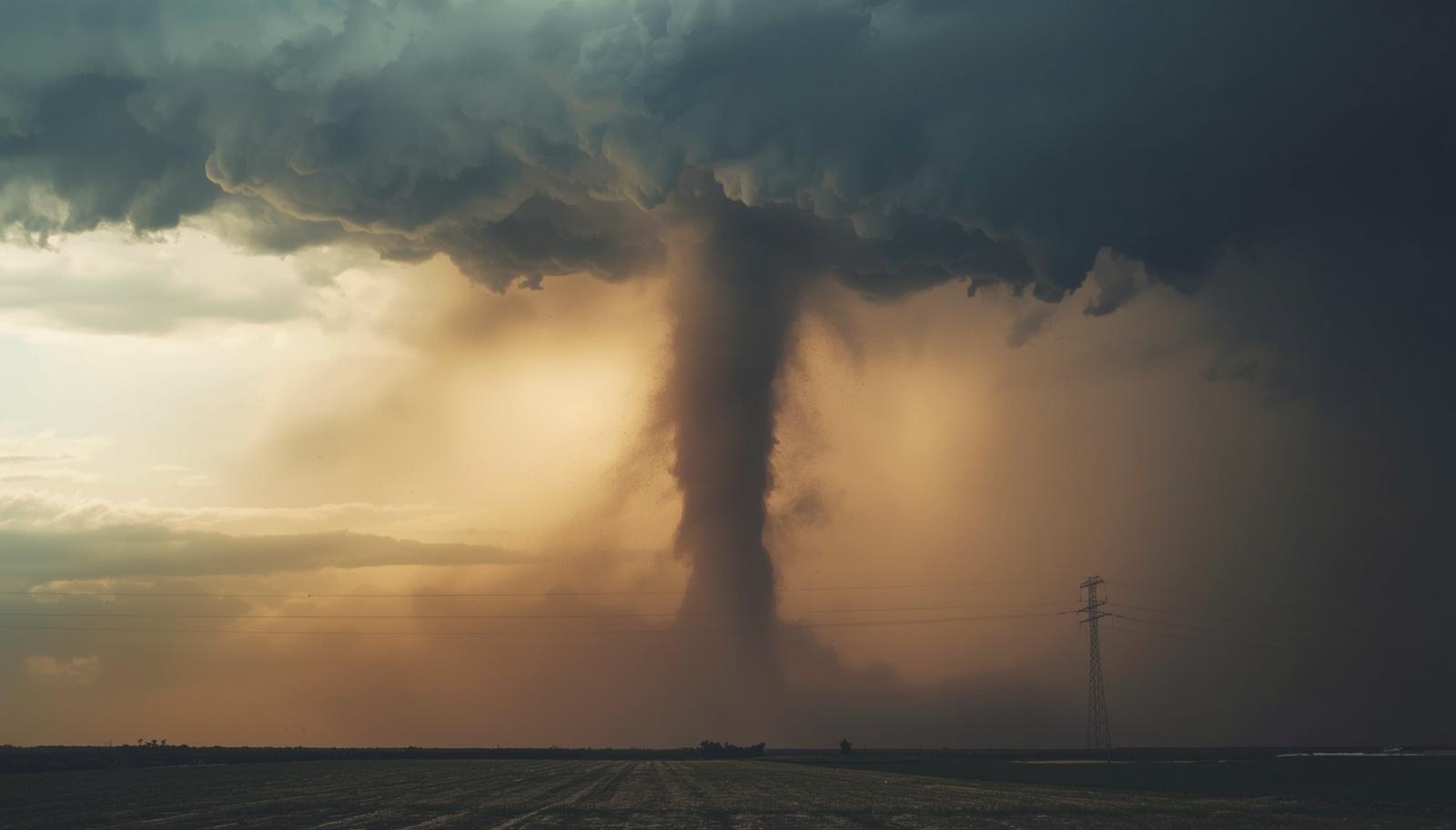
A tornado is an extreme weather phenomenon, essentially a rapidly rotating column of air formed within intense convective thunderstorm clouds. When warm, moist air collides violently with cold, dry
Venice is a city in northeastern Italy, lying close to the Adriatic Sea. What makes it unique is that the entire city is composed of numerous small islands, separated by canals, linked by bridges,


Follow us for quirky updates, fun discoveries, and a front‑row seat to the weird and wonderful world we live in.