
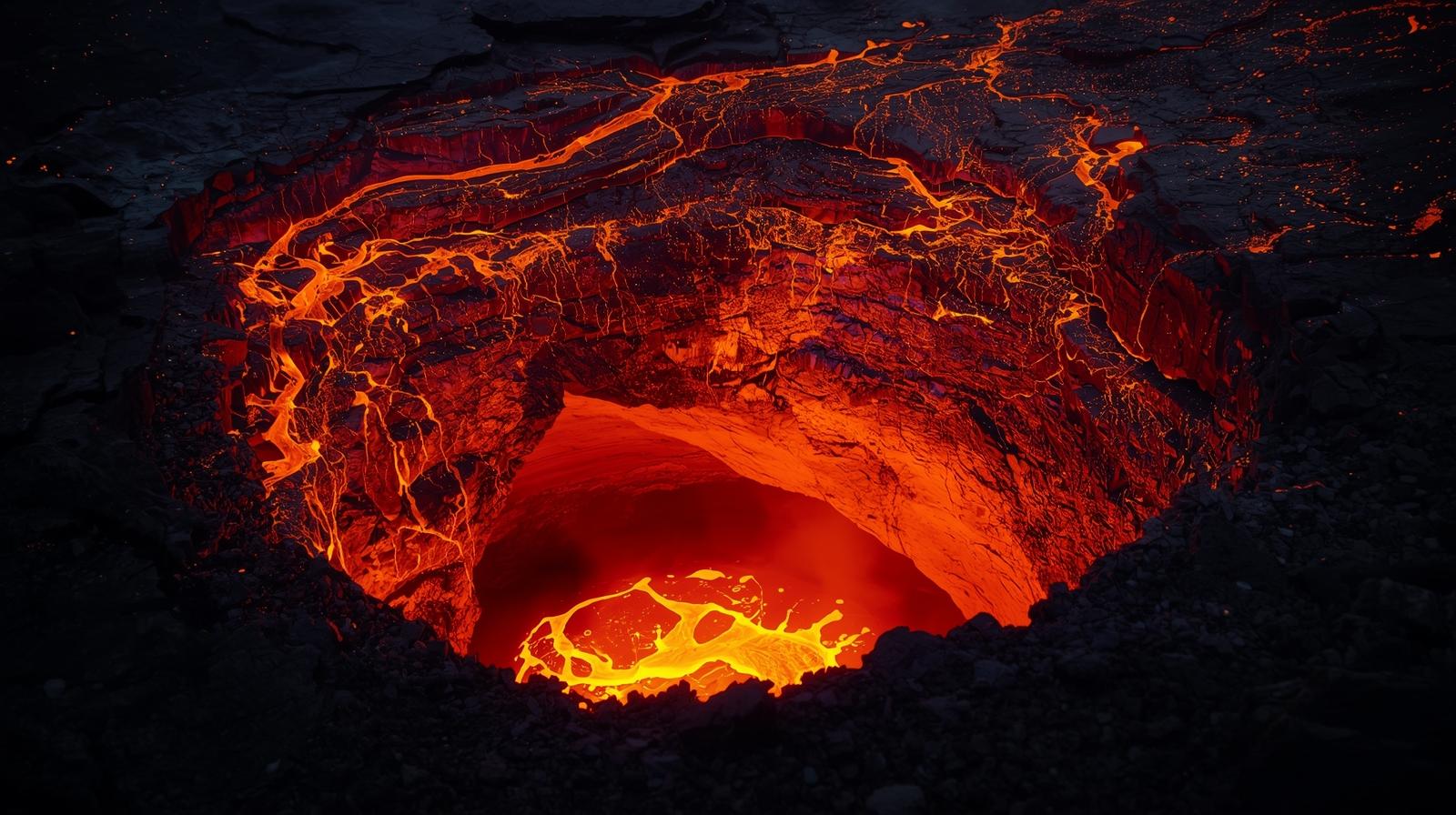
Volcanoes are breathtakingly majestic, drawing countless visitors to admire their scenery. But what would happen if someone were to slip and fall into one?
The density of lava is much higher than that of water, which makes falling onto lava a completely different situation from falling into water. Water has a density of about 1 g/cm³, whereas lava typically ranges between 2.5 and 3 g/cm³, or even higher. Since the human body’s density is close to that of water, a person will gradually sink in water; but in lava, the body’s density is lower than the lava’s, meaning a person would not sink as in water, but instead remain on the surface.
If someone were to fall from a height onto lava, the experience would be closer to hitting solid ground. Although lava is liquid, its viscosity is extremely high, making it far less fluid than water and giving its surface the consistency of a heavy, semi-solid mass. During a high-speed fall, lava’s density and viscosity provide immense resistance, preventing the body from being enveloped as in water, and instead producing an impact effect similar to striking the ground.
Thus, falling from a height onto lava is essentially like crashing directly onto solid terrain, with a high likelihood of fractures, internal organ rupture, or instant death. In other words, lava does not “receive” the human body as water does, but with its high density and viscosity, it inflicts the same lethal impact as the ground itself.
Volcanoes and lava release toxic gases, a danger that is often overlooked. These gases tend to accumulate around volcanic craters or lava flows, meaning that even before a person comes close to the lava itself, inhalation can cause poisoning or unconsciousness.
Common volcanic gases include sulfur dioxide, carbon dioxide, carbon monoxide, and hydrogen chloride. Sulfur dioxide irritates the respiratory tract, leading to coughing and breathing difficulties; carbon dioxide can collect in low-lying areas, creating “asphyxiation traps” that deprive people of oxygen and cause fainting; carbon monoxide, being colorless and odorless, binds to hemoglobin in the blood, blocking oxygen transport and resulting in dizziness or even death. Hydrogen chloride corrodes mucous membranes and eyes, producing severe irritation.
The danger of these gases lies in their invisibility and subtlety: they can affect the human body without warning. A person may lose consciousness from excessive inhalation even before reaching the lava. In volcanic zones, wind patterns and terrain often concentrate gases, forming invisible hazardous areas. In other words, the threat of a volcano is not limited to lava itself—its toxic gases already constitute a deadly barrier.
The extreme heat of lava is one of its most lethal characteristics. Lava temperatures typically range from 700 to 1200 degrees Celsius, far exceeding the melting points of many metals and any level of heat tolerable in daily life. Such temperatures destroy organic matter instantly upon contact.
At first, because lava is so hot, the Leidenfrost effect occurs when the body touches its surface. This effect refers to the rapid formation of a thin vapor layer when liquid meets an extremely hot surface, briefly preventing direct contact. For the human body, skin and bodily fluids vaporize almost immediately, creating a steam layer that allows the body to “float” momentarily on the surface—but only for a very short time.
As the vapor layer dissipates, lava’s heat acts directly on tissues, causing carbonization. Skin and muscle lose water instantly, turning into a charred, blackened crust. This process is extremely rapid, leaving virtually no buffer.
Next, fluids and water within organs continue to vaporize, producing large amounts of steam and bubbles. This not only breaks down tissue structures but also causes the body’s surface to swell and rupture violently.
As lava continues to release extreme heat, the carbonized crust gradually fractures, while remaining tissues and bones are further heated. The organic components of bone burn away first, leaving fragile mineral remnants that eventually crumble under the heat. Residual water and fat inside the body continue to vaporize, releasing more gases and driving further expansion and rupture.
Ultimately, the body is reduced to charred fragments and vapor, merging with the lava’s surface. In other words, falling into lava does not mean sinking or vanishing; rather, it involves a rapid sequence of physical and chemical destruction, leaving only carbonized remains and gases that are gradually consumed at the surface.
This is an extremely short and violent process: from initial contact to complete disintegration takes only moments, demonstrating how lava’s extreme heat and density can obliterate the human body almost instantly.
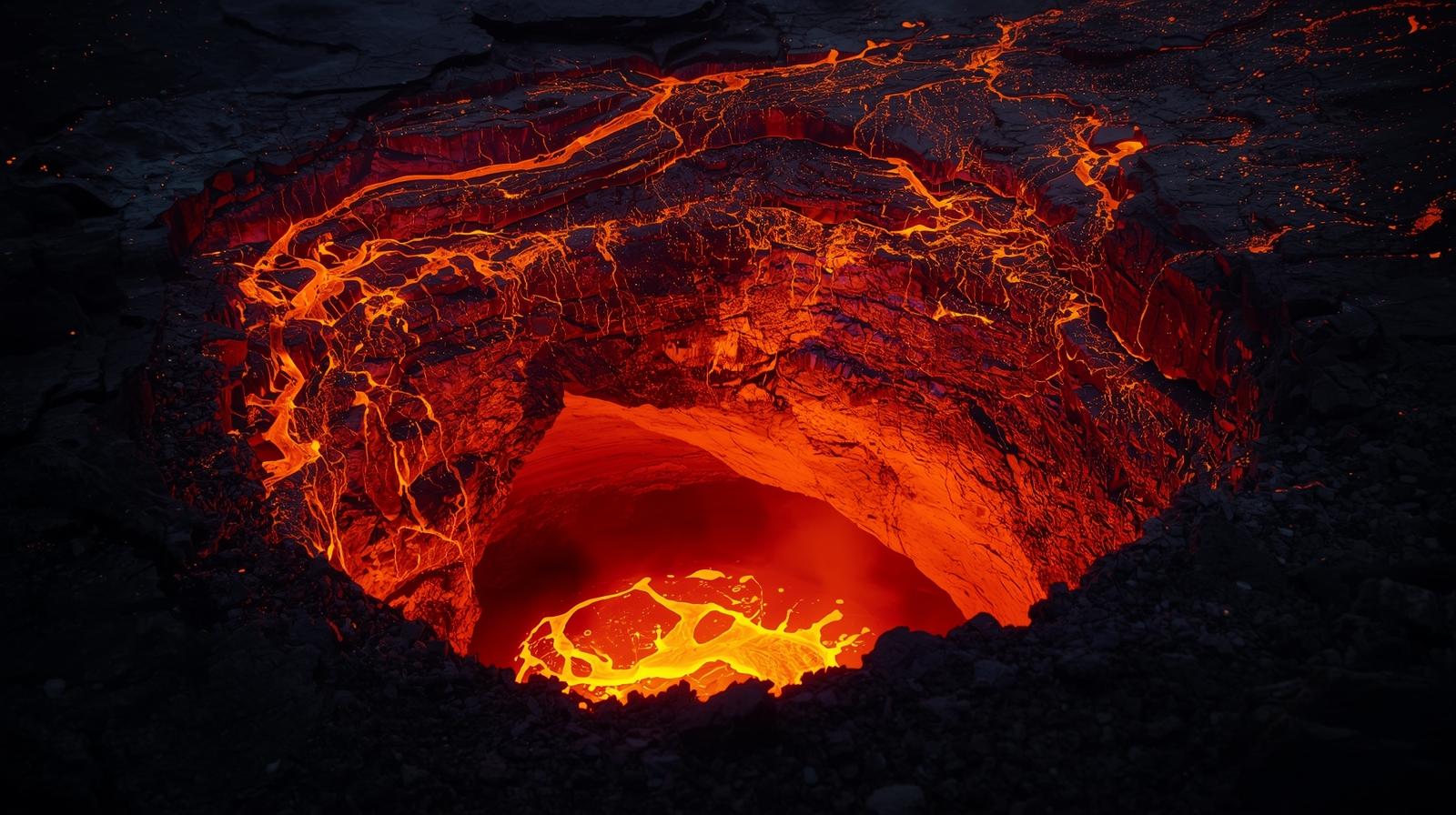 Lava possesses a devastatingly high temperature
When lava is touched under extreme heat, the timescale of perception is compressed to mere milliseconds or a few seconds. In the initial instant, the skin surface and bodily fluids are rapidly superheated, and nerve endings are subjected to intense thermal stimulation, producing an overwhelming burning sensation and instinctive reflexes such as convulsions or attempts to withdraw. This initial feeling is extremely violent, but it lasts only briefly, because the heat simultaneously destroys the tissue structures responsible for transmitting pain.
As the heat penetrates further, the nerve fibers that carry pain signals quickly lose function. High temperatures denature cell membranes and proteins, preventing electrical potentials from being maintained, so pain signals can no longer reach the central nervous system. In other words, the transition from “feeling severe pain” to “no longer able to feel” may occur within an extremely short span, as the victim shifts from intense pain to numbness or complete sensory loss.
At the same time, extreme thermal stimulation triggers systemic physiological reactions: sharp fluctuations in blood pressure, accelerated or reflexively halted heartbeat, and loss of consciousness due to heat shock and impaired respiration. If toxic gases or oxygen deprivation are present, these factors accelerate the onset of coma. Taken together, although contact with lava may produce a momentary burst of excruciating pain, the rapid destruction of nerves and physiological systems under such heat means that victims rarely experience prolonged suffering—consciousness typically vanishes within a very short time.
In volcanic environments, the lethal factors come not only from lava’s extreme heat but often from the dangers of the terrain itself. Steep slopes and rock walls mean that a person falling toward lava may already have lost the chance of survival before reaching it. When someone falls from a height, gravitational acceleration rapidly increases their speed, and they typically strike the volcano’s cliffs or slopes before ever making contact with the lava. These rock faces are hard and jagged, and the force of impact is immense—sufficient to cause fractures, skull shattering, or rupture of internal organs.
Because volcanic landscapes are usually towering and uneven, a falling person may collide multiple times while descending, sustaining repeated trauma in a very short span. Such impacts often claim life more quickly than lava’s heat, since even without direct contact with molten rock, the fall itself can be fatal.
Although volcanoes and lava are extremely dangerous to humans upon direct contact, they play an indispensable role in the long-term functioning of the Earth.
First, volcanoes serve as outlets for the release of the planet’s internal energy. Magma rises and erupts onto the surface, cooling to form new rock. This process not only renews the crust but also shapes new landforms such as islands, mountains, and volcanic plateaus. Many landmasses owe their very existence to the gradual accumulation of volcanic activity.
Second, the gases released by volcanoes were crucial in the formation of Earth’s early atmosphere. Water vapor, carbon dioxide, and other volatile substances entered the atmosphere through eruptions, later cooling and condensing into rainfall that gradually formed oceans—providing the essential environment for life to emerge.
Third, volcanic ash and minerals produced by the weathering of lava significantly enhance soil fertility. While volcanic regions may appear barren immediately after an eruption, over time they become rich agricultural and ecological zones, supporting lush vegetation and diverse ecosystems.
Finally, volcanic activity acts as a “safety valve” for Earth’s energy and chemical balance. If internal pressure were not released, far more violent tectonic upheavals could occur. Though eruptions are hazardous, they are also a mechanism by which the Earth regulates itself and maintains overall stability.
In summary, volcanoes and lava are both creators and regulators of the planet: they shape landscapes, nurture ecosystems, and influence climate. Despite their threat to human life, they are vital forces driving Earth’s ongoing evolution and the continuation of life.
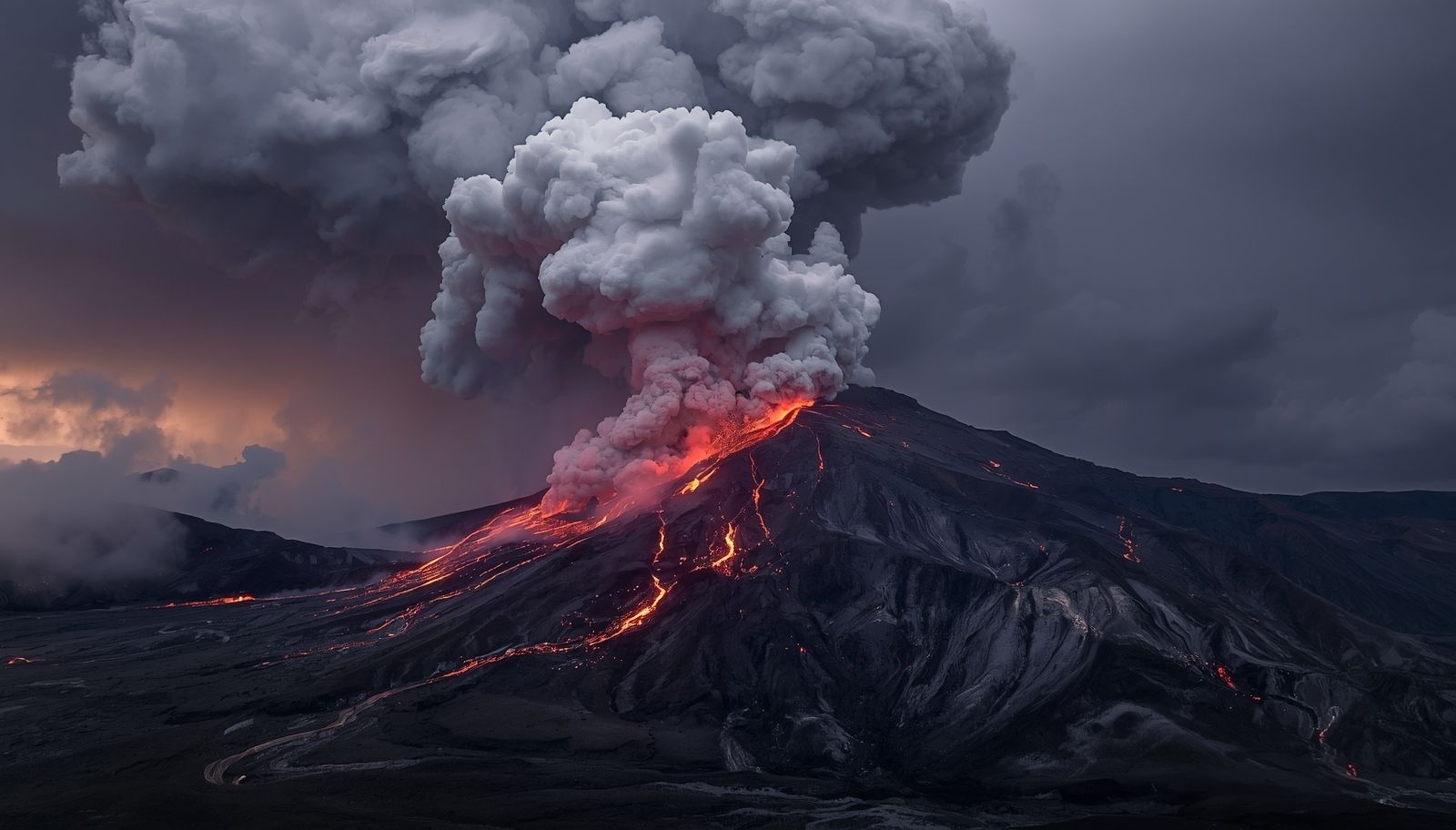 Volcanic eruptions bring vitality to the Earth
We leverage big data to bring you the most fascinating and mind-blowing trivia. Follow us for regular updates—prepare to be amazed while leveling up your knowledge.


A breeze drifts by, as if pushing away the stifling air and bringing with it a refreshing coolness. The leaves sway in response, a gentle touch brushes the cheeks, invigorating the spirit and easing

Radar has an exceptionally wide range of applications, capable of precisely determining an object’s position, distance, and velocity. Its powerful effectiveness becomes even more evident under

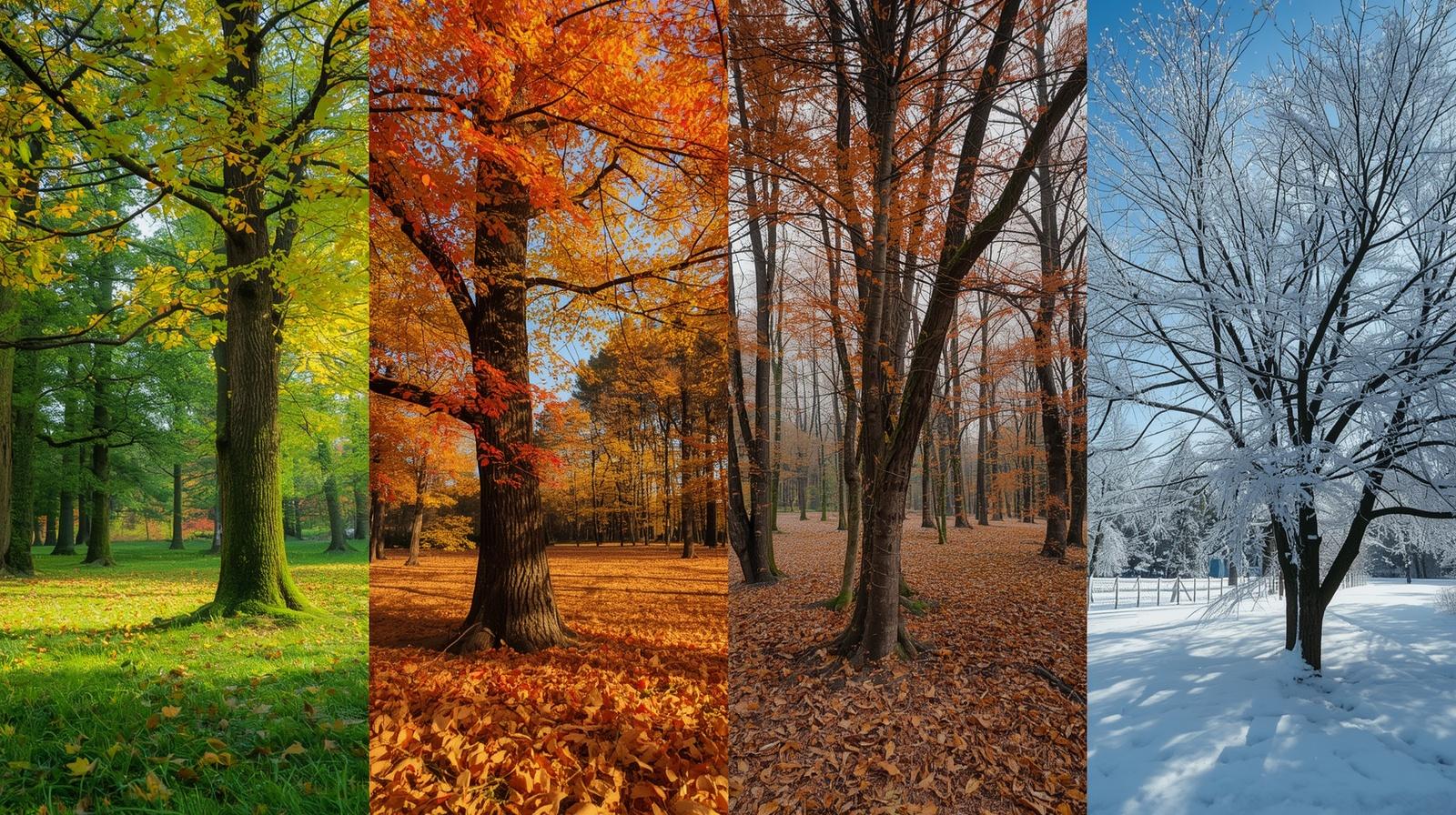
The tender green of spring, the heat of summer, the golden hues of autumn, and the chill of winter—people have long grown accustomed to this cycle. Yet how many have paused to wonder: what force lies
Eggs are a highly nutritious food. They contain high‑quality protein that provides the essential amino acids required by the human body. The yolk is rich in vitamins A, D, E, and K, as well as

A vaccine is a specially designed medical tool whose purpose is not to directly cure disease, but to “pre-train” the immune system so that the body can respond more quickly and effectively when it

The droplets that fall from the sky are not always the same. At times they are raindrops, striking eaves and streets; at other times they are snowflakes, gently covering rooftops and fields. Both
Stepping into the tropical rainforest, people are often astonished by the sheer size of its creatures: beetles as thick as a thumb, butterflies with wings as wide as a hand, and even frogs and ants
In everyday life, showering is a time for relaxation, cleansing, and even reflection. Yet there is one seemingly trivial question that often sparks debate: should you urinate while showering? Some


Follow us for quirky updates, fun discoveries, and a front‑row seat to the weird and wonderful world we live in.