
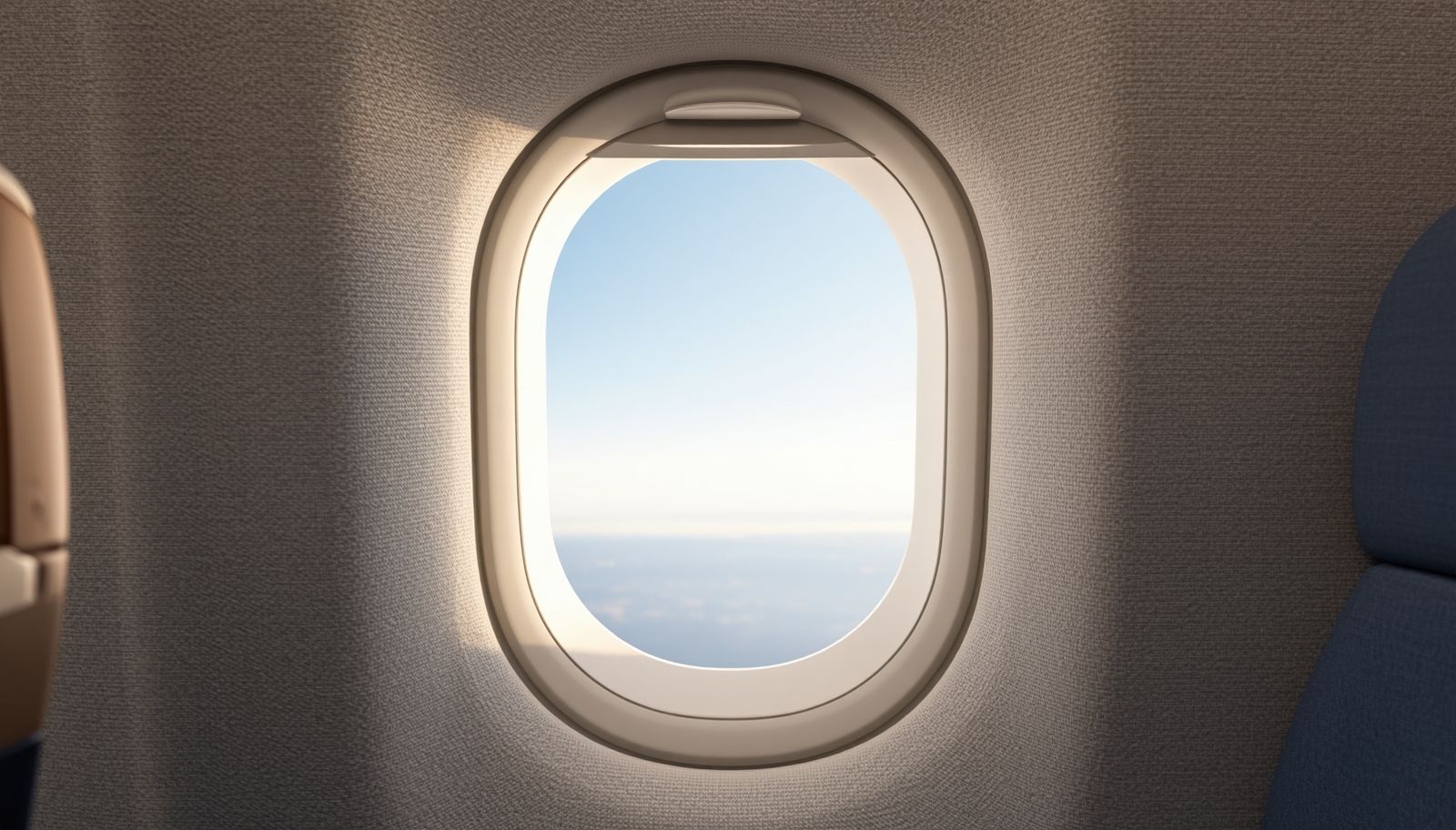
On an airplane, flight attendants are constantly reminding us of various instructions: fasten your seatbelt, stow your tray table, adjust your seatback, and even raise the window shades. What is the reasoning behind these seemingly trivial requests?
Especially during takeoff and landing, why are we specifically asked to lift the shades? Is it truly intended for passengers to enjoy the spectacular view of the clouds and the city below?
In aviation safety statistics, one striking pattern emerges: the vast majority of aircraft accidents occur during takeoff and landing. This is no coincidence, but rather because these two moments are the most complex and demand the highest degree of coordination in the entire flight.
During takeoff, the aircraft must accelerate, lift off, and enter its flight path within a short span of time. Any engine malfunction, poor runway conditions, or operational error can quickly escalate into danger. Landing is even more challenging, as the aircraft must precisely control speed and angle while simultaneously contending with weather, visibility, runway length, and other factors. Even minor deviations can result in overruns or hard landings.
Moreover, these two phases place the greatest psychological pressure on both passengers and crew, since at the instant of liftoff or touchdown, the margin for error is extremely small. By contrast, cruising at altitude is relatively stable, with lower system demands and a significantly reduced accident rate.
When the human eye suddenly moves from a very bright environment into darkness, the visual system requires time to complete what is known as dark adaptation. Under strong light, vision is dominated by the cone cells in the retina, but as illumination drops abruptly, the cones quickly lose effectiveness and the rod cells gradually take over. This transition is not instantaneous: it usually takes tens of seconds before outlines become visible, and achieving optimal night vision can require fifteen minutes or more.
Conversely, when the eye is suddenly exposed to intense light after being in darkness, light adaptation is needed. The pupil constricts immediately to reduce the amount of light entering, but the retinal photoreceptors still need time to lower their sensitivity. Light adaptation is generally faster than dark adaptation, typically completed within tens of seconds to a couple of minutes, though during this interval the eyes still experience glare and discomfort.
It is precisely because takeoff and landing are considered the critical phases of flight that airlines require passengers to raise the window shades. This is not for sightseeing, but for safety: should a sudden incident occur—such as a cabin power failure or the need for emergency evacuation—passengers’ eyes must be able to adapt instantly to the external light conditions.
When the human eye experiences abrupt changes in light, it requires time to adjust. Moving suddenly from bright to dark, or from dark to bright, can cause a temporary delay in vision. If the window shades remain closed, passengers may be hindered during an unexpected emergency because their eyes have not yet adapted, delaying evacuation. By keeping the shades open, the eyes remain synchronized with external light throughout the flight, ensuring that visual responses are immediate and not slowed by sudden shifts in brightness.
In daylight, open shades allow the cabin to be filled with natural light. If takeoff fails or a sudden power outage occurs, the cabin’s brightness remains consistent with the outside, preventing passengers from being plunged into darkness when the cabin lights go out. This enables them to instantly see escape routes and, once outside, to adapt seamlessly to external lighting conditions—gaining precious reaction time.
At night, cabin lights are deliberately dimmed, allowing passengers’ eyes to gradually adjust to the darkness outside. If evacuation is required in the dark, their eyes will already be adapted, avoiding “night blindness” and preventing visual delays that could obstruct escape.
This regulation may seem minor, but it is an integral part of aviation safety design. Its purpose is to secure every second of reaction time for passengers during the most dangerous phases of flight.
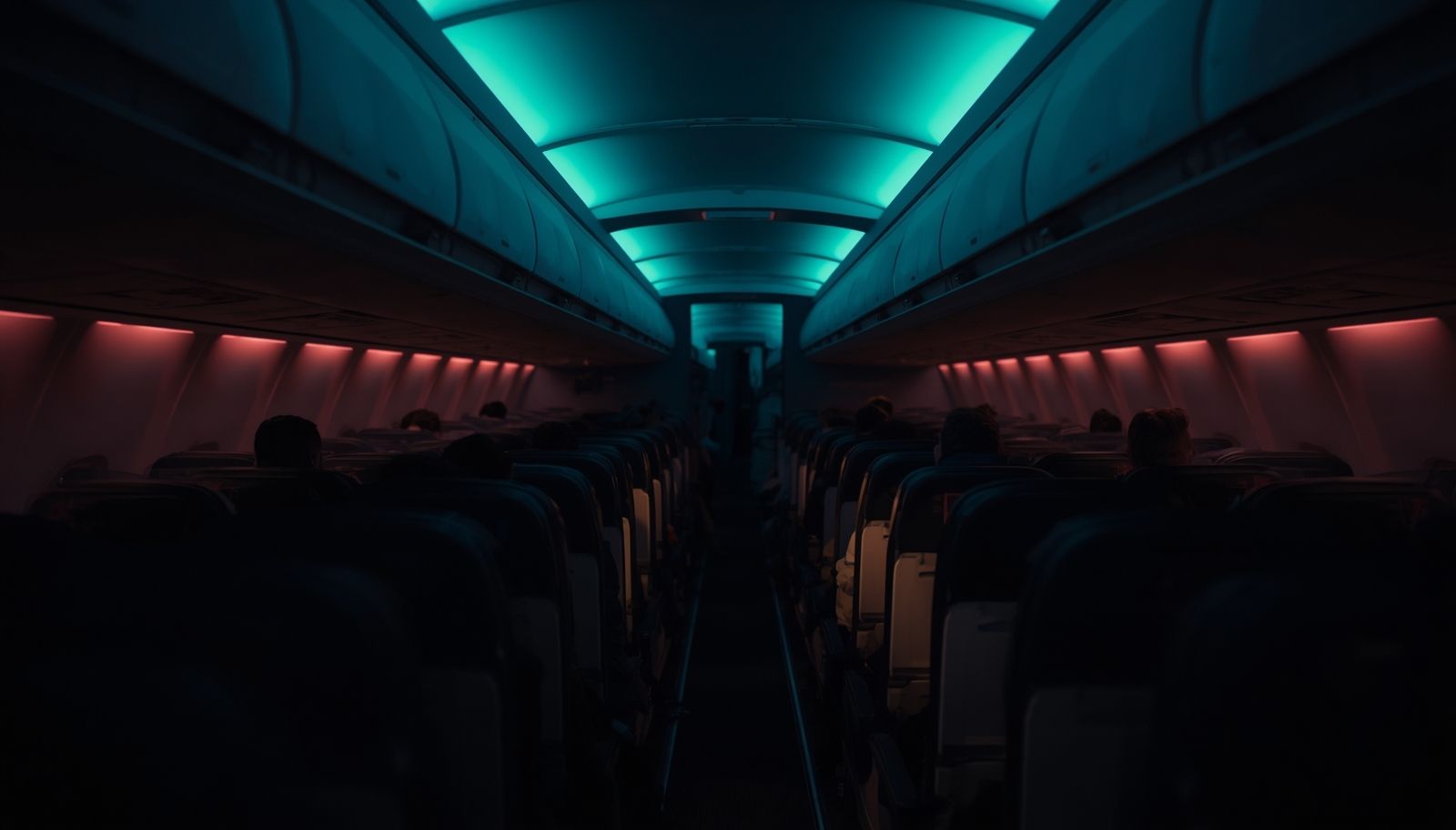 When necessary, the crew will dim the cabin lights for safety considerations.
During the critical phases of takeoff and landing, passengers are required to keep the window shades open not only to allow their eyes to adapt to the light for emergency evacuation, but also for another important reason: both passengers and cabin crew can observe the external condition of the aircraft through the windows.
Although the pilots in the cockpit have access to most flight information, the aircraft structure creates critical visual blind spots. Consequently, they cannot directly see key areas such as the wings, engines, or the rear fuselage. In these cases, the passengers’ perspective becomes a valuable supplement. There have been numerous instances in which passengers noticed smoke from a wing, engine irregularities, or damage to the fuselage through the windows, and promptly reported it to the crew, enabling timely action.
Thus, keeping the shades open is not only a safeguard for passengers themselves, but also an integral part of the aircraft’s overall safety monitoring. It creates a “multi‑angle observation network” within the cabin, ensuring that any abnormal situation can be detected and reported immediately, providing pilots with crucial information and strengthening the overall safety defense. This seemingly simple action, in fact, plays an indispensable role in aviation safety.
During the critical phases of takeoff and landing, passengers are required to raise the window shades for another important reason: in the event of an accident or emergency landing, external rescue personnel can directly observe the cabin through the windows.
This design allows rescuers to quickly assess whether there is smoke, fire, or passengers trapped inside, and to determine the most effective course of action. For example, they can identify which exit is safest to open or which area requires immediate assistance. If the shades remain closed, rescue teams would be unable to gain an immediate understanding of the cabin’s condition, potentially delaying crucial rescue efforts.
During the critical phases of takeoff and landing, passengers are required to raise the window shades not only so that external rescue personnel can observe the cabin, but also for the benefit of those inside. If the aircraft encounters an emergency, open shades allow passengers and crew to immediately assess the outside environment and determine which side offers a safer evacuation route.
For instance, if one wing is on fire or enveloped in smoke, passengers can quickly notice this through the windows and alert the crew to avoid opening the doors on that side. Conversely, if the opposite side appears safer, both passengers and crew can promptly decide to evacuate there. This real‑time visual information helps compensate for the blind spots of pilots in the cockpit, enabling the entire crew to make more accurate decisions under pressure.
The simple act of opening the shades, in fact, provides passengers and crew with crucial “external cues” during a crisis, guiding them toward the correct escape direction and significantly improving overall chances of survival.
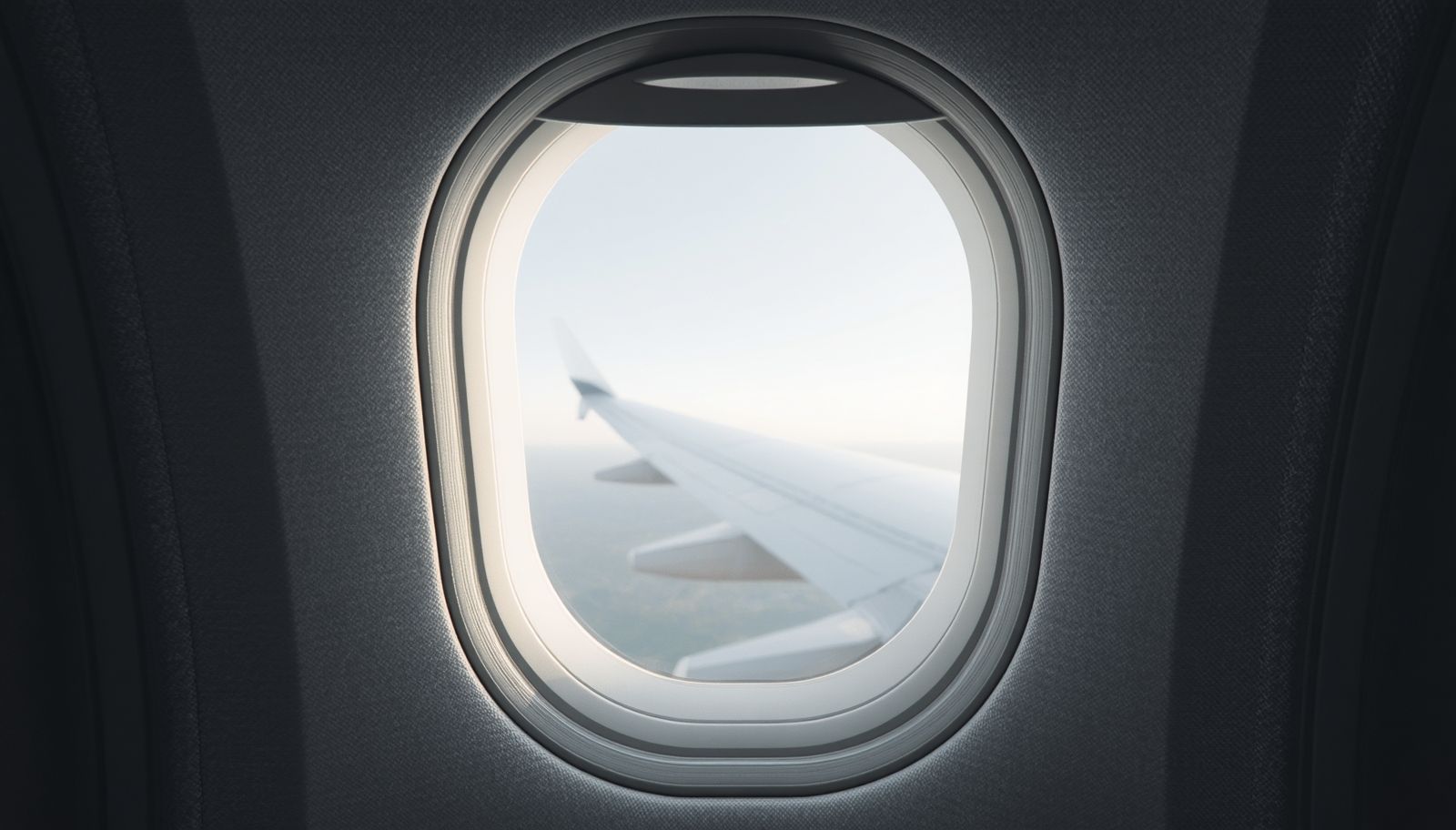 Passengers can also clearly observe the condition of the aircraft through the windows.
During a flight, the various instructions given by flight attendants are all grounded in rigorous safety considerations. These regulations are not meant to create inconvenience, but to ensure the safety of every passenger at the most critical moments. That is why we should cooperate fully with their guidance.
Take the requirement to raise window shades during takeoff and landing as an example. This not only allows passengers’ eyes to adapt to the light for emergency evacuation, but also enables external rescue personnel or those inside the cabin to quickly assess the environment and determine the safest escape route.
Other rules, though seemingly minor, are equally vital. For instance, passengers are asked to stow their tray tables during takeoff and landing. The purpose is to prevent the tables from obstructing rapid movement or blocking escape paths in an emergency, while also reducing the risk of secondary injuries caused by impact or turbulence.
Similarly, keeping seatbacks upright ensures that passengers can rise quickly in urgent situations and prevents reclined seats from encroaching on the space needed by those behind to evacuate. These measures may appear trivial, but each has been established through extensive safety research and lessons learned from past incidents.
Therefore, when flight attendants issue instructions, the best response is to understand and comply, because these details form the very foundation upon which aviation safety is maintained.
We leverage big data to bring you the most fascinating and mind-blowing trivia. Follow us for regular updates—prepare to be amazed while leveling up your knowledge.


Lightning is a sudden and violent natural discharge phenomenon. It usually appears as a brilliant streak of light cutting across the sky, either between clouds or from cloud to ground. Its shape is
The current global situation of myopia has become a significant public health issue. With the advance of urbanization and the widespread use of technology, human lifestyles have undergone profound

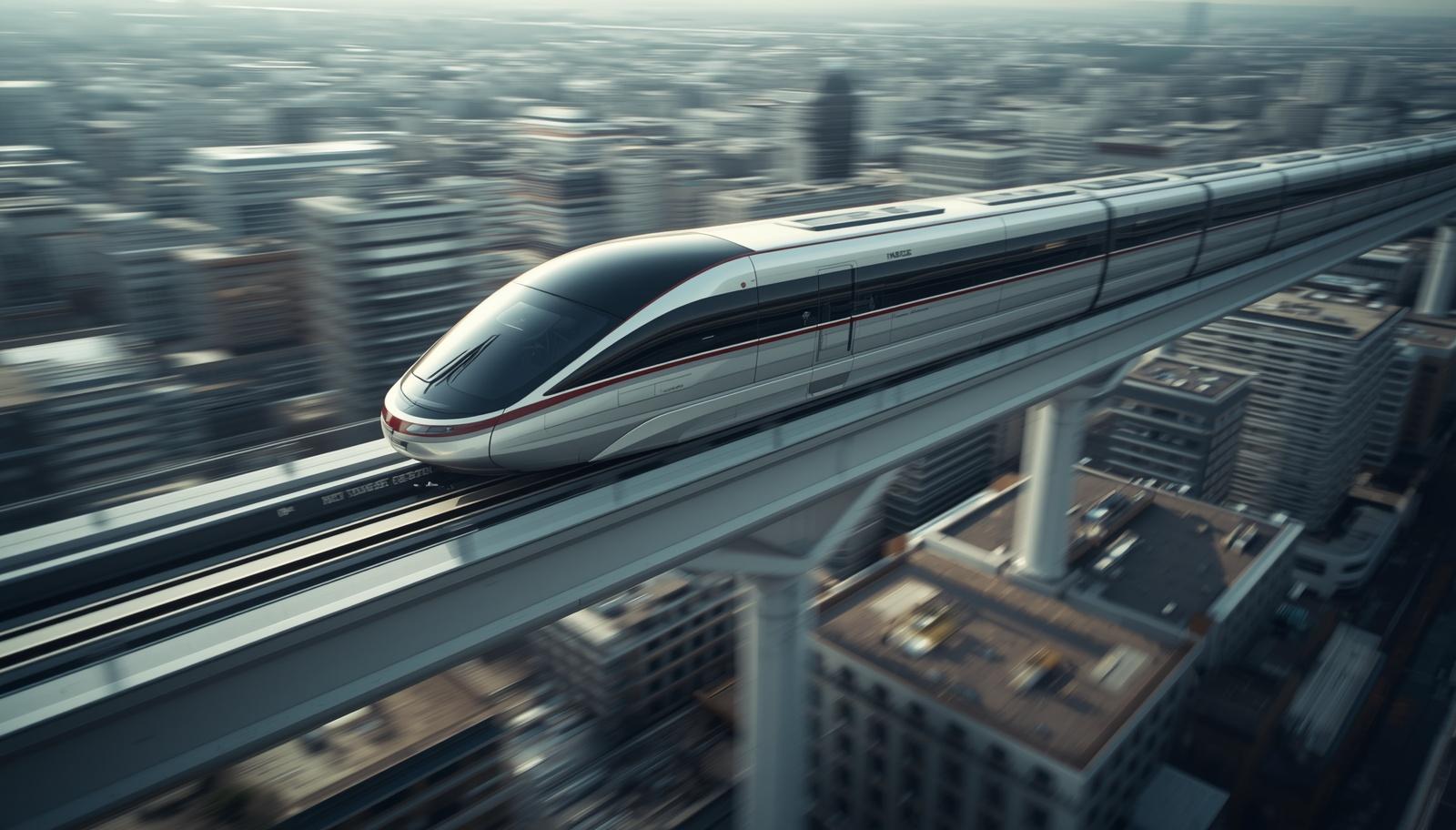
Magnetic Levitation (Maglev) trains are famous for their high speed, but how can such heavy trains float? And why do they need to float at all? ### Operating Principle A maglev train is a
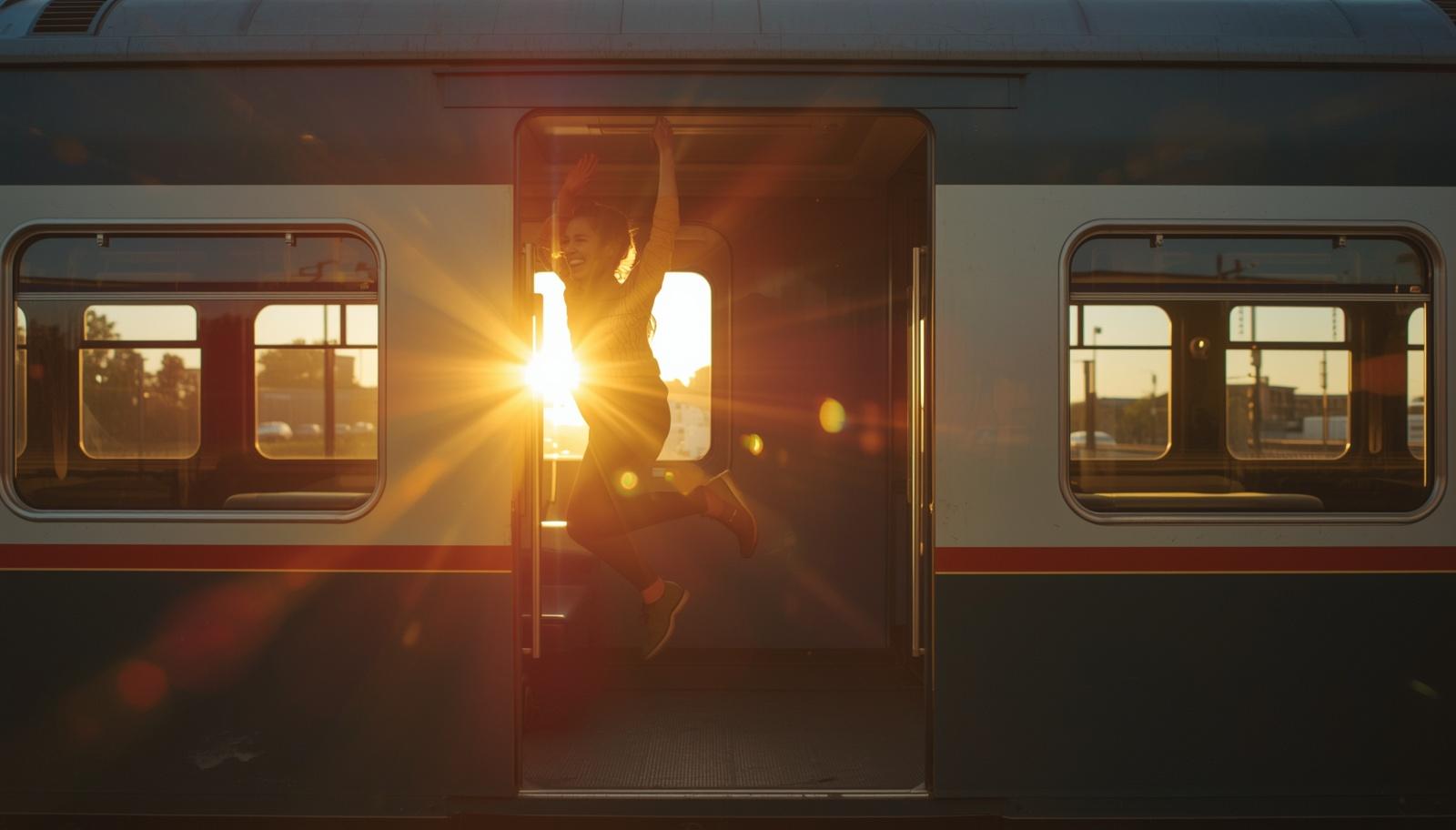
For many people, trains are part of everyday life. Why is it that when you jump inside a train carriage, you land back in the same place instead of falling backward? And what happens if you jump on
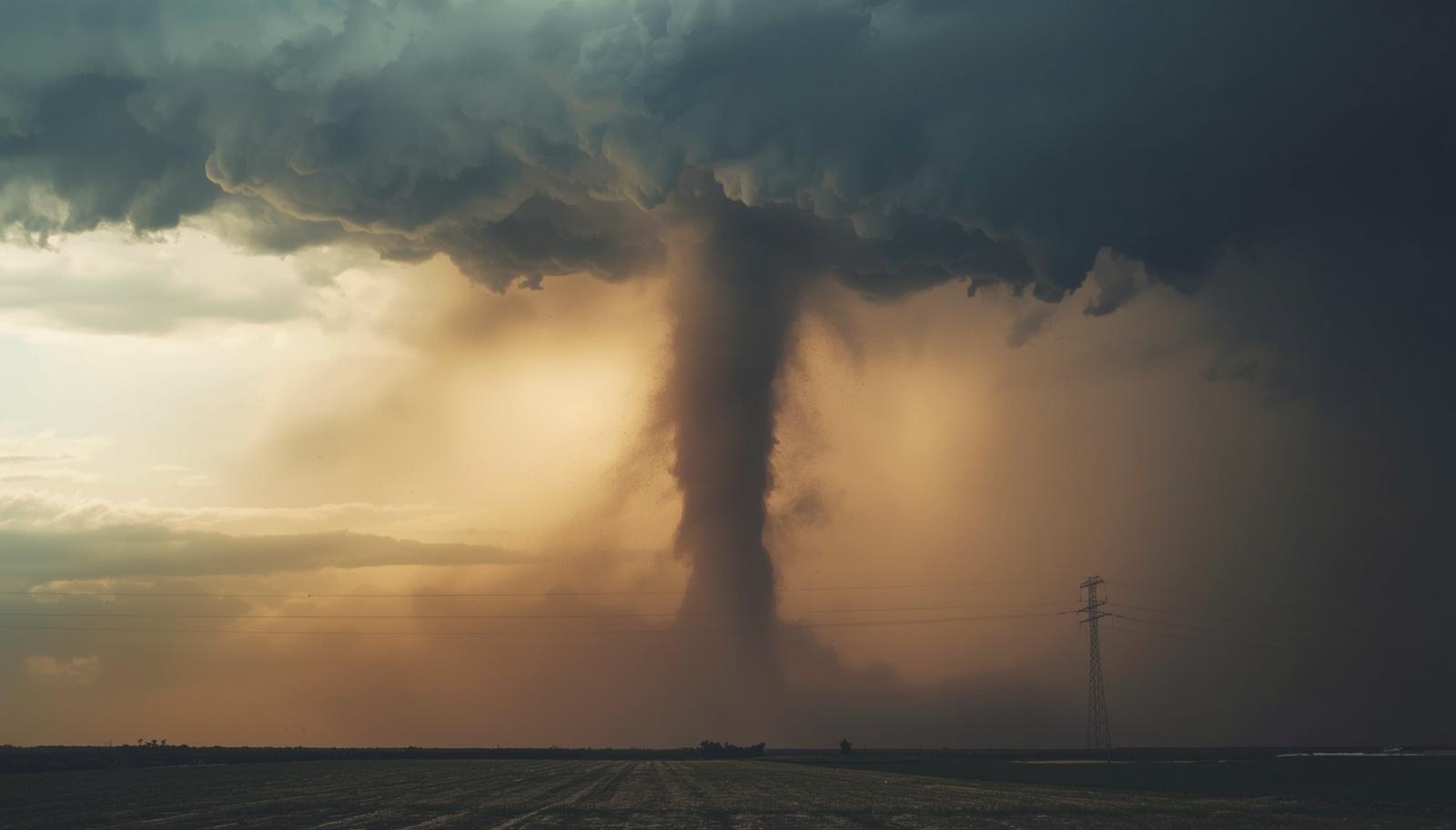
A tornado is an extreme weather phenomenon, essentially a rapidly rotating column of air formed within intense convective thunderstorm clouds. When warm, moist air collides violently with cold, dry
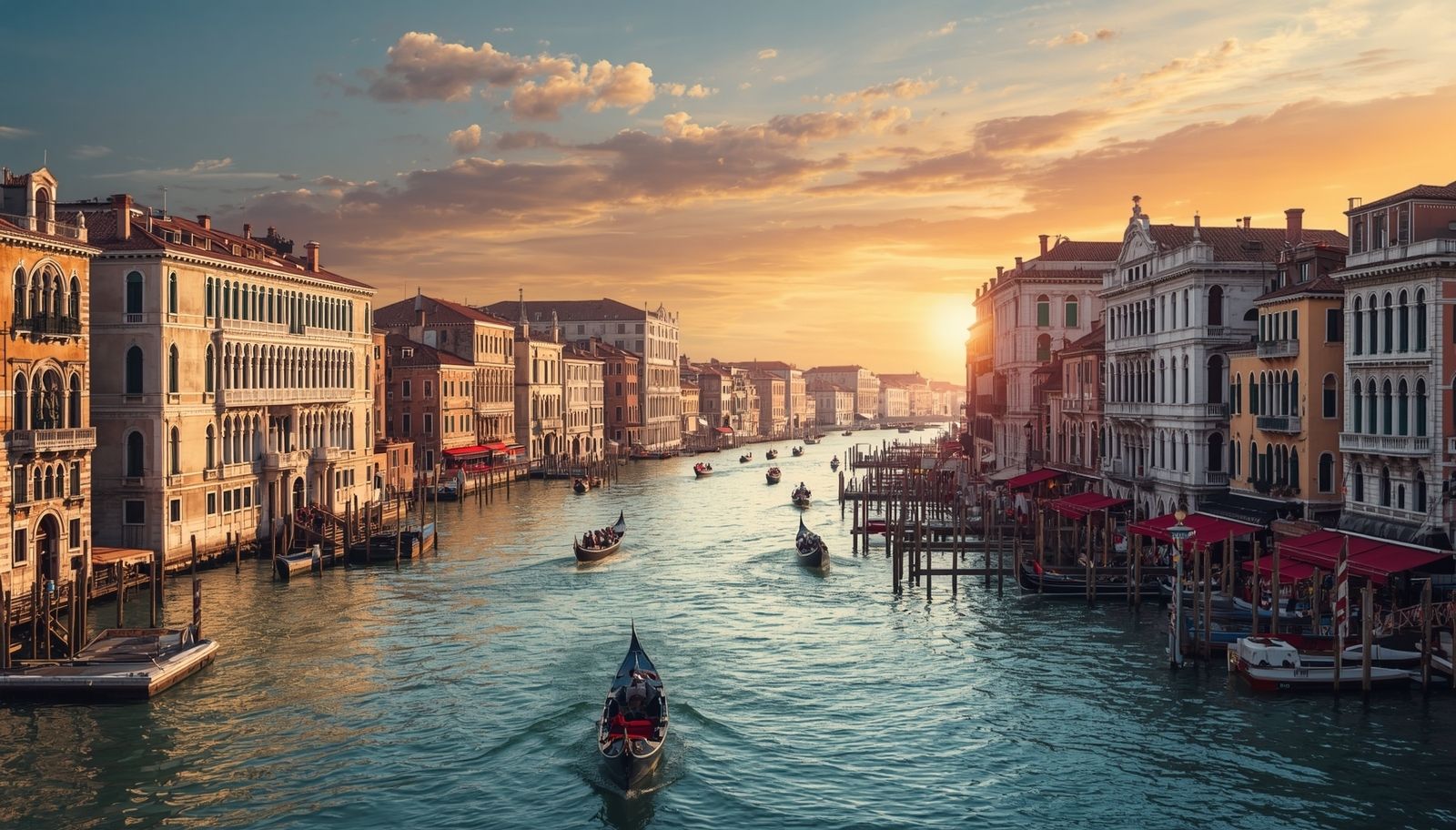
Venice is a city in northeastern Italy, lying close to the Adriatic Sea. What makes it unique is that the entire city is composed of numerous small islands, separated by canals, linked by bridges,
Christianity, Catholicism, Orthodoxy and Protestantism Christianity is a faith centered on Jesus Christ, emphasizing salvation and the relationship with God. It is also one of the religions with
Why does the skin tend to break out after staying up late? Is it because sleep deprivation disrupts some hidden rhythm, or is there an unseen signal manipulating the sebaceous glands? And why does


Follow us for quirky updates, fun discoveries, and a front‑row seat to the weird and wonderful world we live in.