
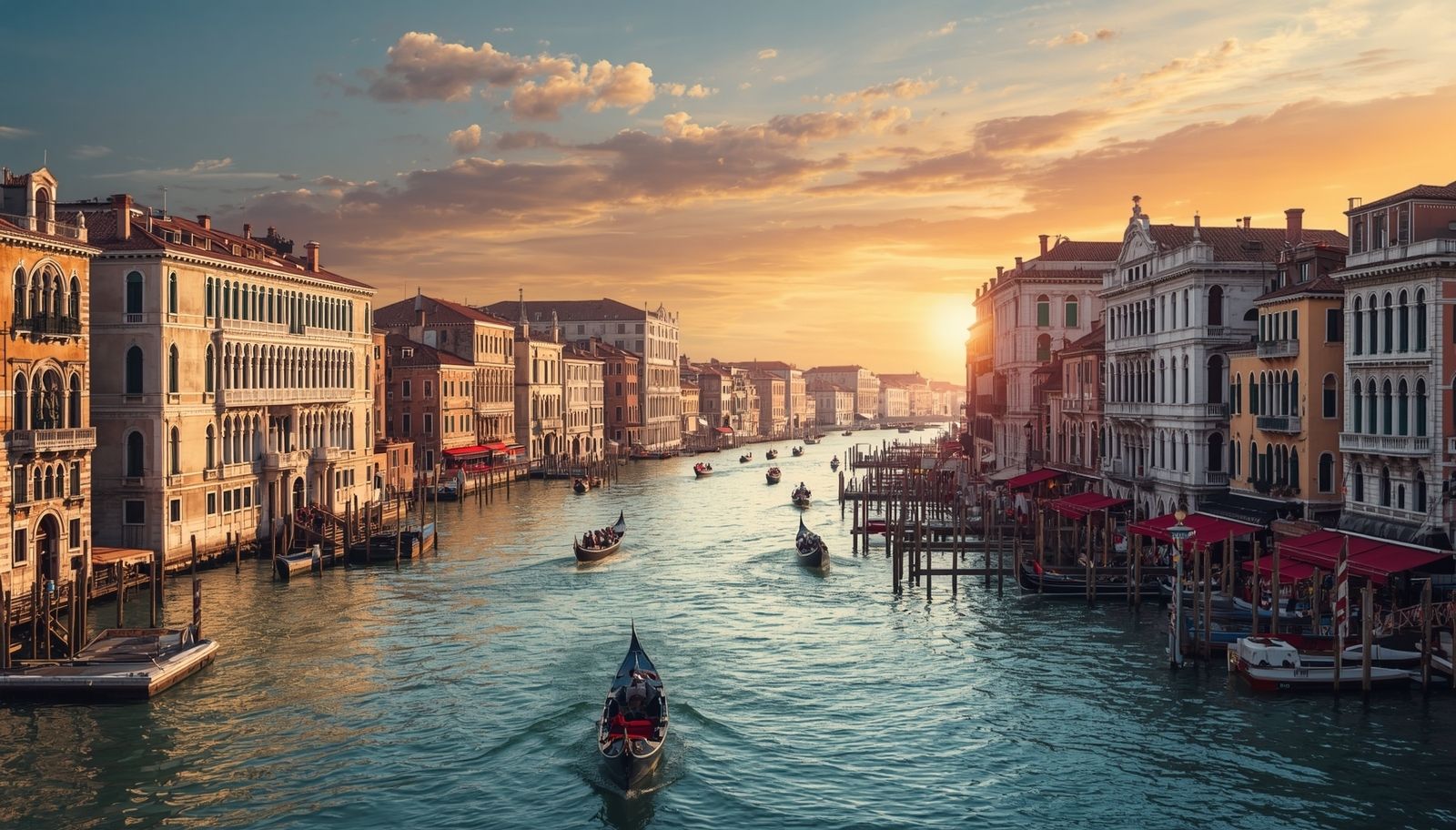
Venice is a city in northeastern Italy, lying close to the Adriatic Sea. What makes it unique is that the entire city is composed of numerous small islands, separated by canals, linked by bridges, and navigated primarily by boats. This distinctive pattern of a “city on water” has earned Venice worldwide renown.
Stepping into Venice, the most striking impression comes from the Grand Canal: gondolas gliding across the water, ancient buildings lining both banks, a scene both romantic and steeped in history. St. Mark’s Square and St. Mark’s Basilica stand as symbols of the city, blending diverse architectural styles and reflecting Venice’s former prosperity and cultural strength.
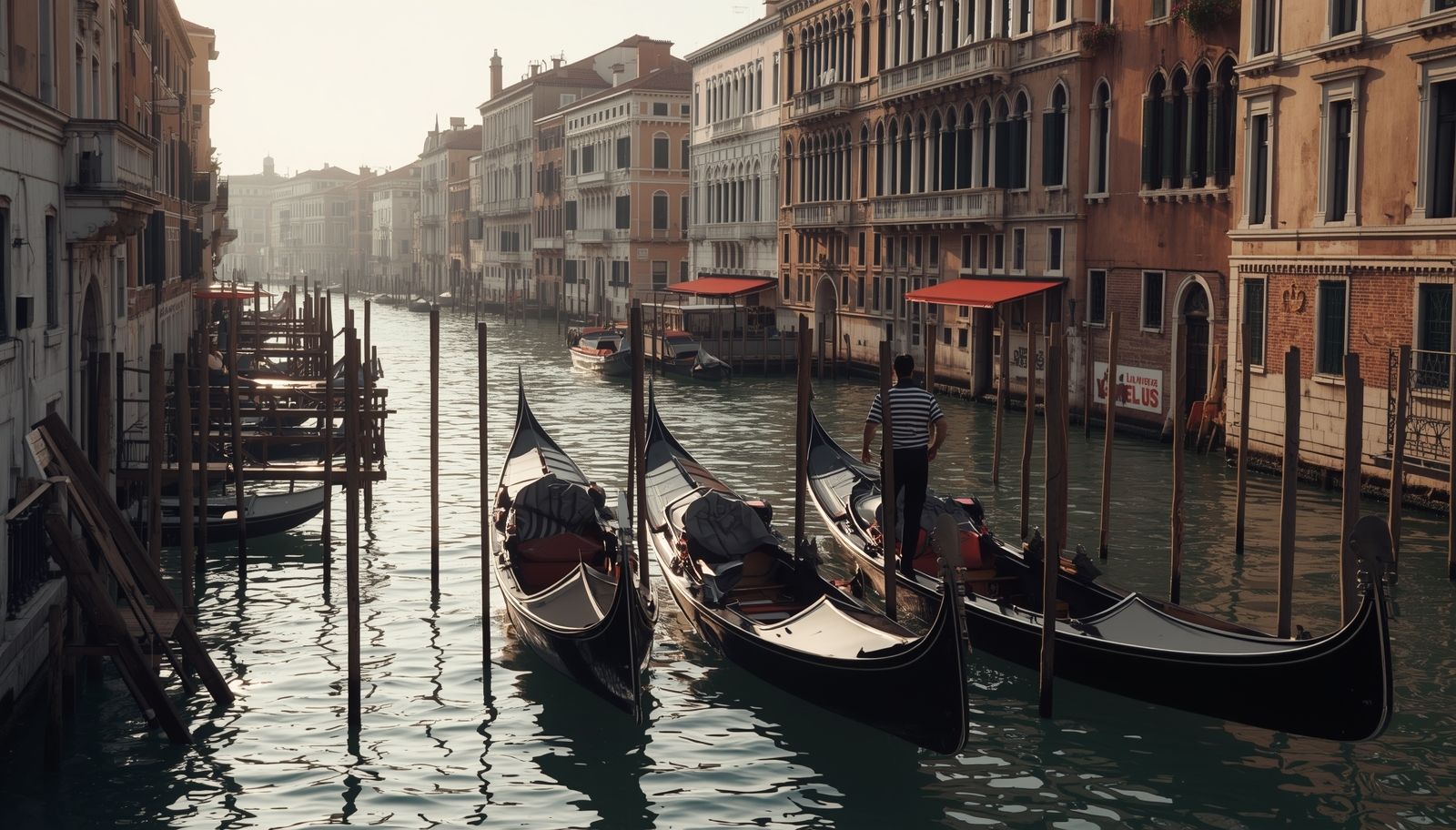 The Gondola boats
A city celebrated for its singular canals, long history, and romantic atmosphere—why does it stand upon the water? Is it the gift of nature, or the work of human hands?
After the collapse of the Western Roman Empire, the inhabitants of northern Italy faced waves of foreign invasions. Once-prosperous cities such as Padua, Vicenza, and Verona were repeatedly plundered and destroyed, forcing their residents to seek safer refuges.
They turned to the lagoons along the Adriatic coast. This area, composed of shallow waters, marshes, and scattered islands, was low-lying and offered little for agriculture, yet it possessed natural defensive advantages. Any invading army had to cross intricate waterways and treacherous mudflats, making movement difficult and supply lines fragile. As a result, long-term occupation was nearly impossible. This geographic barrier allowed those who settled there to rebuild their lives in relative security.
In such an environment, the settlers developed distinctive survival strategies. They drove wooden piles deep into the mud to support houses built above the water, and relied on fishing, salt production, and small-scale maritime trade for sustenance. Life was harsh, but safety outweighed fertile land. Over time, scattered communities began to unite, forming stable societies. Within the dual conditions of geographic isolation and dependence on the sea, a unique city-state gradually emerged.
As these settlements stabilized, Venetians recognized the strategic value of their location. At the northern end of the Adriatic, Venice lay at the crossroads between inland Europe and the eastern Mediterranean, with access both to Byzantium and the Islamic world, as well as to Italy and Central Europe. This position made Venice a natural hub of trade routes. Its inhabitants built ships, organized caravans, and exchanged salt, fish, and timber for foreign goods, eventually expanding into larger-scale commerce.
By the Middle Ages, Venetian fleets and merchants controlled parts of Mediterranean trade routes. The Crusades marked a turning point: Venice provided ships and logistical support in exchange for trading privileges and port rights. This transformed it from a local harbor into a dominant force in international commerce. With the circulation of spices, silk, and metals, Venice accumulated immense wealth and established robust financial and commercial institutions.
Meanwhile, the lagoon’s defensive advantages preserved Venice’s independence, shielding it from conquest. The interplay of security and prosperity nurtured a republic centered on merchants. Its political system reflected its economic foundation: governance shared between the Senate and the Doge, ensuring that commercial interests and civic security advanced hand in hand.
One of the most astonishing facts about Venice is that much of the city’s architecture rests upon wooden piles. When people first arrived in Venice, fleeing war and turmoil, they encountered a highly unusual lagoon landscape—shallow waters, marshes, sandbars, and scattered islands, crisscrossed by waterways. Constant tides and river deposits reshaped the terrain, and the greatest challenge was how to build stable houses on soft mud and shifting water. This necessity led to the development of a distinctive engineering technique.
They selected durable hardwoods, most commonly larch, oak, or elm, sourced from the forests of the Alps and northern Italy. These timbers were transported over long distances to the lagoon, where craftsmen drove them deep into the mud and sand layers, until they reached firmer clay or compacted sand. Such depth ensured that the piles could bear the weight of the structures above.
What is most remarkable is that these piles have not decayed over time. The lagoon’s environment provided unique conditions:
On top of these piles, Venetians laid horizontal planks or stone slabs to form platforms, upon which houses were built. As the settlements expanded, platforms connected to one another, giving rise to the early outlines of streets and squares. This ingenious technique not only solved the immediate problem of habitation but also laid the foundation for the city’s long-term growth.
As Venetians gradually established settlements in the lagoon, they realized that natural waterways alone were insufficient to sustain the growth of a city. They therefore began to plan and construct artificial canals, ensuring that urban life on water could maintain both smooth transportation and effective drainage.
The Venetians chose low-lying areas between islands, excavating or deepening channels to allow boats to pass. These canals were not merely routes of transport but the very “lifeblood” of the city, replacing streets on land. To prevent silting, they reinforced the banks with wooden piles or stone embankments, protecting them from erosion.
The design of the canals combined drainage and flood control. Because tidal fluctuations in the lagoon often caused water to accumulate, the canal system directed flows to keep the city dry and reduce the threat of flooding to its buildings. This hydraulic engineering enabled Venice to endure in a damp environment over the long term.
As the city expanded, the canals formed a network through which vessels of all sizes could move, linking homes, squares, warehouses, and markets. Boats replaced carts, waterways replaced streets, and this distinctive pattern shaped Venice’s urban identity. The canals became not only part of daily life but also the foundation of commerce and defense.
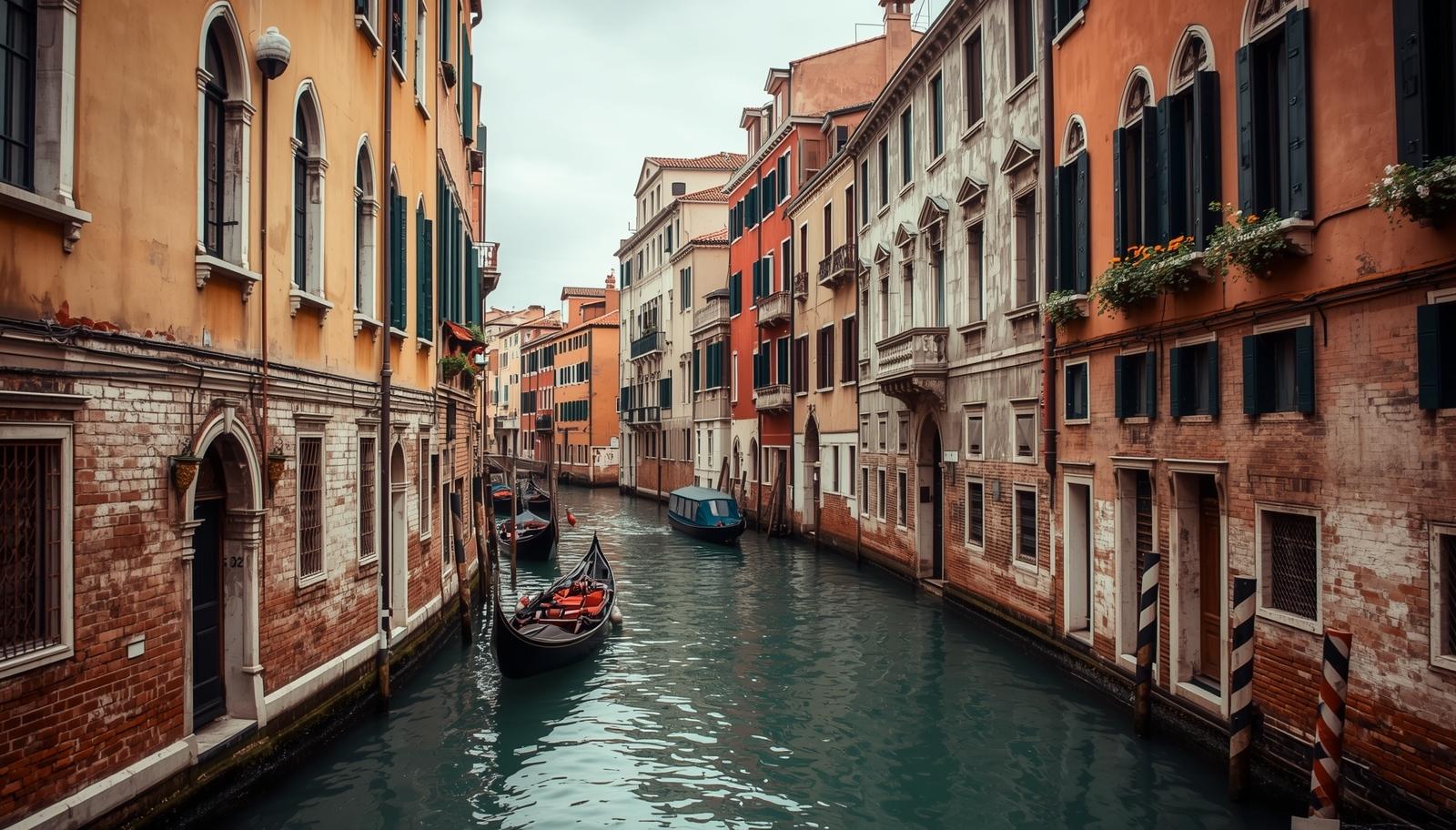
Even today, Venice remains a singular “city on water,” a place of both charm and challenge.
Its urban structure is still defined by the lagoon and canals. The Grand Canal winds through the city, boats supplant carriages, and waterways serve as the primary transport network. This layout has shaped the city’s aesthetics and made Venice one of the world’s most distinctive tourist destinations. Millions of visitors arrive each year to admire St. Mark’s Square, the Doge’s Palace, and countless bridges and churches, with tourism now the backbone of the local economy.
Yet Venice also faces serious challenges. Flooding is foremost: tides and climate change have made “high water” increasingly frequent, often submerging parts of the city. Although the MOSE flood barrier system has been built in recent years, it requires constant maintenance and improvement. Another issue is depopulation: high living costs and the pressures of tourism have driven many residents away, eroding the vitality of local communities. Finally, cultural preservation poses a dilemma: while mass tourism brings economic benefit, it also strains monuments and the environment. Balancing heritage conservation with economic sustainability remains one of Venice’s most pressing tasks.
We leverage big data to bring you the most fascinating and mind-blowing trivia. Follow us for regular updates—prepare to be amazed while leveling up your knowledge.


People often think the birds are stupid, yet parrots completely overturn this stereotype. They are not only capable of learning sounds but can also reproduce human speech with striking clarity,

Bees are among the most familiar insects to humans. They flutter among flowers, collecting nectar, and often appear to embody diligence and charm. Yet behind this gentle exterior lies a harsh law of
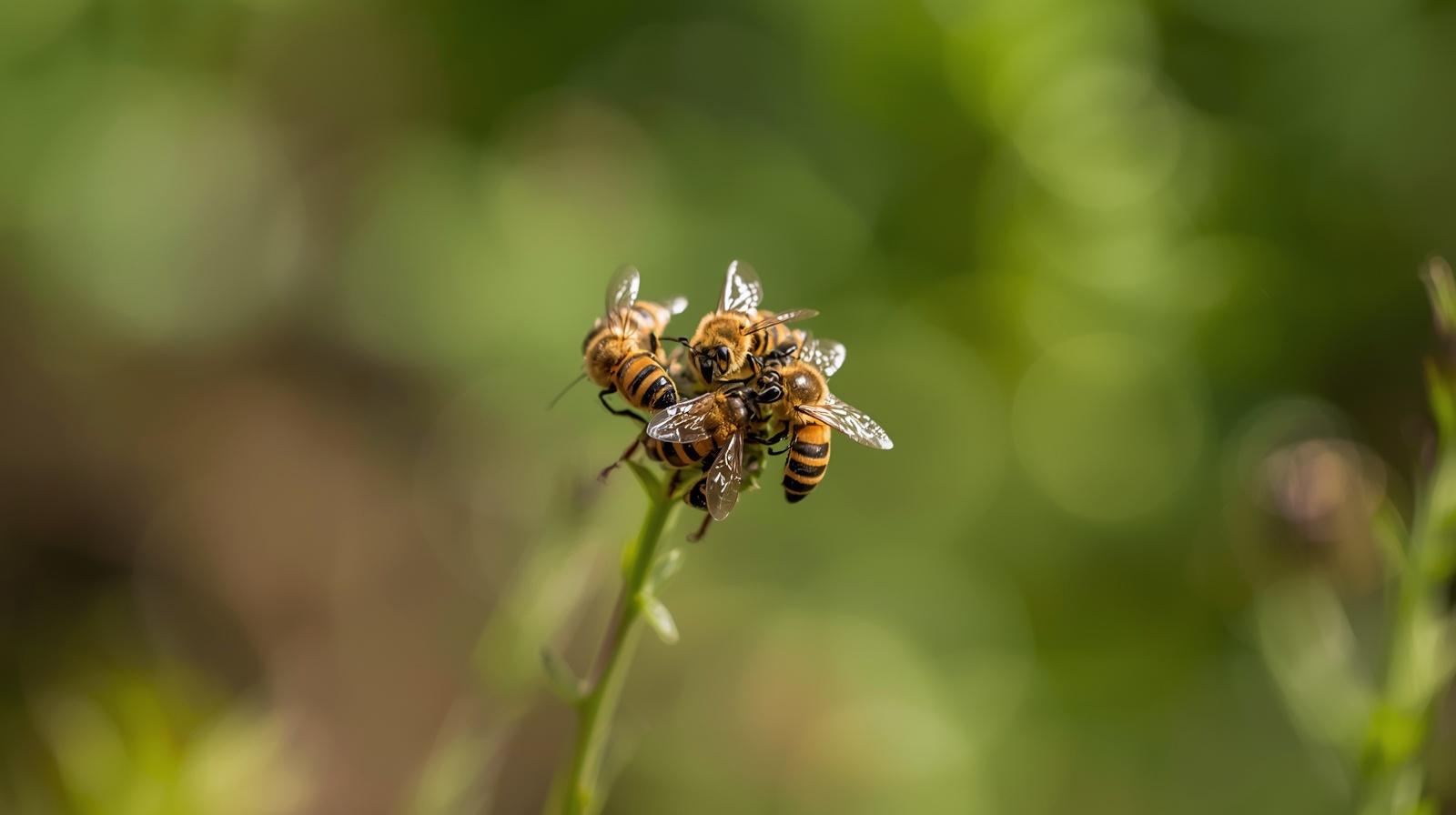
Honey is a natural substance produced by bees, created from the sweet nectar they collect from flowers. Through repeated processing and concentration, the nectar is transformed and stored within the

The current global situation of myopia has become a significant public health issue. With the advance of urbanization and the widespread use of technology, human lifestyles have undergone profound

Antibiotics are a class of drugs specifically designed to combat bacteria. They interfere with vital bacterial processes, such as damaging the cell wall, blocking protein synthesis, or disrupting DNA

Teeth are among the hardest tissues in the human body, capable of withstanding immense pressure during chewing and resisting everyday wear. Yet within such a resilient structure, why does corrosion

The Renaissance was a cultural and intellectual movement that arose in Europe between the fourteenth and sixteenth centuries. It first unfolded in Italian cities such as Florence, Venice, and Milan,
The droplets that fall from the sky are not always the same. At times they are raindrops, striking eaves and streets; at other times they are snowflakes, gently covering rooftops and fields. Both


Follow us for quirky updates, fun discoveries, and a front‑row seat to the weird and wonderful world we live in.