
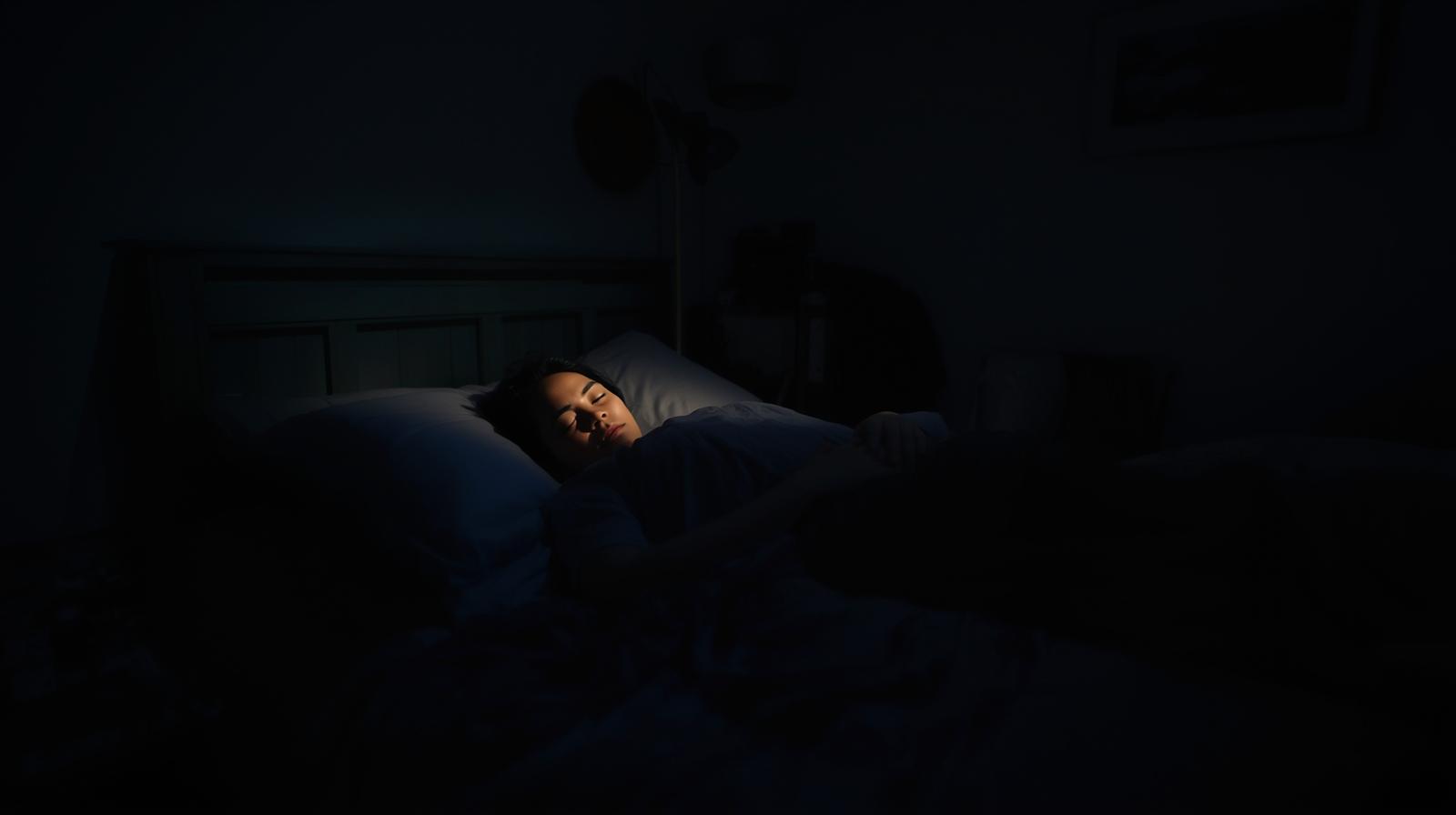
Whether bizarre and fantastical events or ordinary, trivial matters, they all appear in our dreams. Some dreams are so vivid that we remember them clearly after waking, while others vanish instantly without a trace. What is happening behind this? What controls these experiences? Why do humans dream?
Our sleep repeatedly passes through multiple stages, and in different stages, our bodies undergo different changes.
Non‑Rapid Eye Movement Sleep (NREM) and Rapid Eye Movement Sleep (REM) are the two principal stages of human sleep, each distinguished by its physiological functions and patterns of brain activity.
During NREM sleep, the body enters a state of profound rest. Brain waves slow down, muscle tone decreases, and both heart rate and breathing become steady. This stage is typically divided into lighter and deeper phases: in light sleep, a person can be awakened relatively easily, while deep sleep represents the most restorative period, when the body repairs tissues and strengthens the immune system. NREM sleep is essential for replenishing physical energy, facilitating tissue recovery, and initiating the early organization of memory.
By contrast, REM sleep is marked by a sudden surge in brain activity. The brain waves resemble those of wakefulness, yet the body’s muscles are almost completely relaxed, producing a state of near paralysis. This is the stage most closely associated with vivid dreaming. The eyes move rapidly beneath closed lids, and breathing and heart rate become irregular, reflecting the brain’s intense processing of information. REM sleep is thought to play a crucial role in emotional regulation, memory consolidation, and the stimulation of creativity.
Taken together, NREM sleep functions as the body’s “repair workshop,” focusing on physical restoration, while REM sleep acts as the brain’s “editing room,” organizing emotions, reinforcing memories, and shaping thought. Alternating between these stages creates a complete sleep cycle, ensuring balanced recovery for both body and mind.
Humans have not yet fully understood the reasons and mechanisms of dreaming. In ancient times, many believed that during sleep, the soul, or part of it, left the body, and the things seen in dreams were experiences encountered by the soul outside the body. Some ancient civilizations believed dreams were a kind of prophecy, a revelation from the gods.
In modern science, however, scientists generally believe dreams are activities of the human brain, a way for the brain to process memory, emotions, stress, and the unconscious. Dreams are a window for expressing desires and feelings from reality.
In the school of the famous Austrian psychologist and psychoanalyst Sigmund Freud, dreams are mainly driven by the unconscious and are “wish fulfillment.” He called dreams the “royal road to the unconscious,” a way to express desires repressed in daily life. But these desires do not appear directly in our dreams; they are disguised and distorted, presented indirectly. Moreover, dreams are not only wish fulfillment but can also reflect inner unease and fear.
Freud said, dreams can be divided into manifest dreams and latent dreams. Manifest dreams are the surface form, the disguised and distorted version just mentioned. Latent dreams are the true, deeper meaning hidden beneath the manifest dream. For example, if you dream of running happily across a vast meadow, that is the manifest dream. The latent meaning beneath it may be that your current life and work are heavily constrained and stressful, leaving you breathless, so the dream expresses this in a disguised form. Of course, this is just a simple example.
One school of neuroscience theory holds that dreams are merely products of the brain’s processing of information and memory. Scientists who support this view disagree with Freud. They believe dreams are products of brain activity during REM sleep. The images in dreams are simply the presentation of various signals received by the brain during REM sleep, organized together. These images are random, mixed, and illogical, yet our brains integrate them and assign meaning.
So, is dreaming actually good or bad? Does frequent dreaming harm the body? In fact, dreaming is a very normal physiological phenomenon. Humans generally have three to six dreams each night. Dreaming usually does not affect sleep. If someone says they rarely dream, in many cases it is simply because they do not remember the content of their dreams. Usually, only particularly strange dreams, or dreams interrupted by waking at the time, are remembered clearly. Otherwise, in many cases our brains do not retain dream content, especially those very ordinary dreams.
Sleep paralysis is a frightening experience for many people: the mind is fully awake, yet the body remains immobile, as though restrained by an unseen force. This state often provokes intense fear, accompanied by sweating and a sense of overwhelming unease.
In essence, sleep paralysis typically occurs during the transition between rapid eye movement (REM) sleep and wakefulness. During REM sleep, the brain is highly active and dreams are vivid, while the body’s muscles are temporarily “switched off” by the nervous system, producing near paralysis to prevent dream movements from being acted out physically.
When the brain awakens before the body does, sleep paralysis arises. Consciousness is restored, and the person can perceive the surroundings, but the body remains locked in muscular inhibition. This mismatch creates a crushing sense of pressure and may be accompanied by hallucinations—such as shadowy figures or the feeling of a presence nearby. These hallucinations are the brain’s misinterpretation of dream imagery spilling into waking awareness.
The causes of sleep paralysis are often linked to sleep deprivation, high stress, irregular schedules, or poor sleep environments. When the body is exhausted or the brain’s sleep cycle is disrupted, the likelihood of this “mind awake, body asleep” state increases. Although sleep paralysis itself is not physically dangerous, the experience can be deeply unsettling, leading many to mistake it for a supernatural encounter. In reality, it is simply a distinctive manifestation of the body’s sleep physiology.
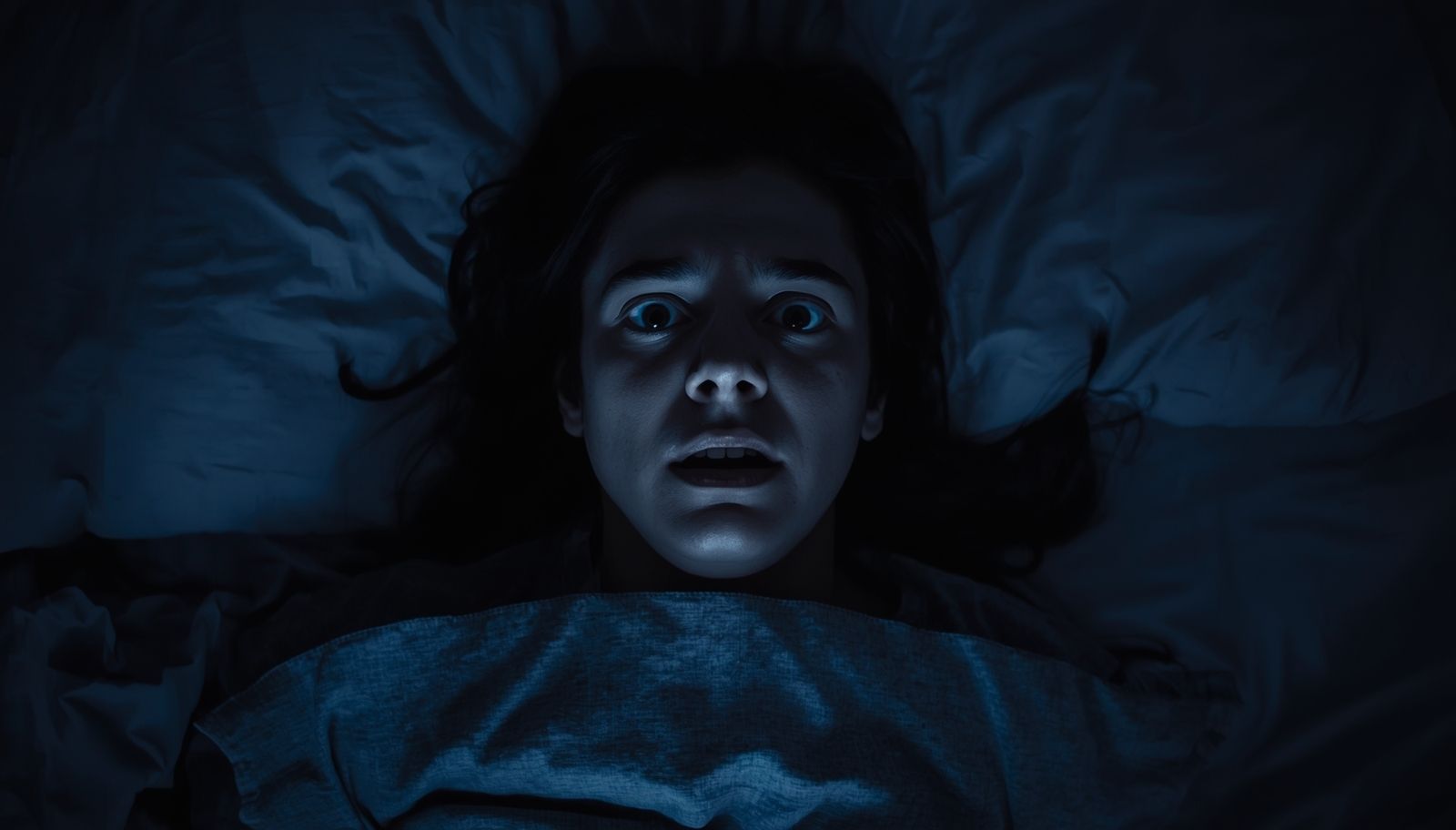 Sleep paralysis often brings a terrifying experience
We leverage big data to bring you the most fascinating and mind-blowing trivia. Follow us for regular updates—prepare to be amazed while leveling up your knowledge.


Bees are among the most familiar insects to humans. They flutter among flowers, collecting nectar, and often appear to embody diligence and charm. Yet behind this gentle exterior lies a harsh law of

Throughout the course of human history, the spread of electricity has symbolized a leap in civilization. Its emergence not only provided an entirely new source of energy but also fundamentally

Cocktail therapy is a strategy of combination drug treatment, built on the principle of administering medications with different mechanisms of action at the same time so that they complement one

Magnetic Levitation (Maglev) trains are famous for their high speed, but how can such heavy trains float? And why do they need to float at all? ### Operating Principle A maglev train is a

A hot air balloon is a large and graceful aircraft, symbolizing humanity’s earliest attempts to explore the sky. In eighteenth‑century France, the Montgolfier brothers first launched such a fabric

Cars are the daily means of transport for many people, and during a journey it is inevitable to encounter sudden situations that require braking. But what actually happens when a car brakes abruptly

Durian, hailed as the “King of Fruits,” is renowned for its thick, spiky shell and its powerful aroma. Its appearance serves both as a natural defense and a sign of ripeness, while its distinctive

Venice is a city in northeastern Italy, lying close to the Adriatic Sea. What makes it unique is that the entire city is composed of numerous small islands, separated by canals, linked by bridges,



Follow us for quirky updates, fun discoveries, and a front‑row seat to the weird and wonderful world we live in.