
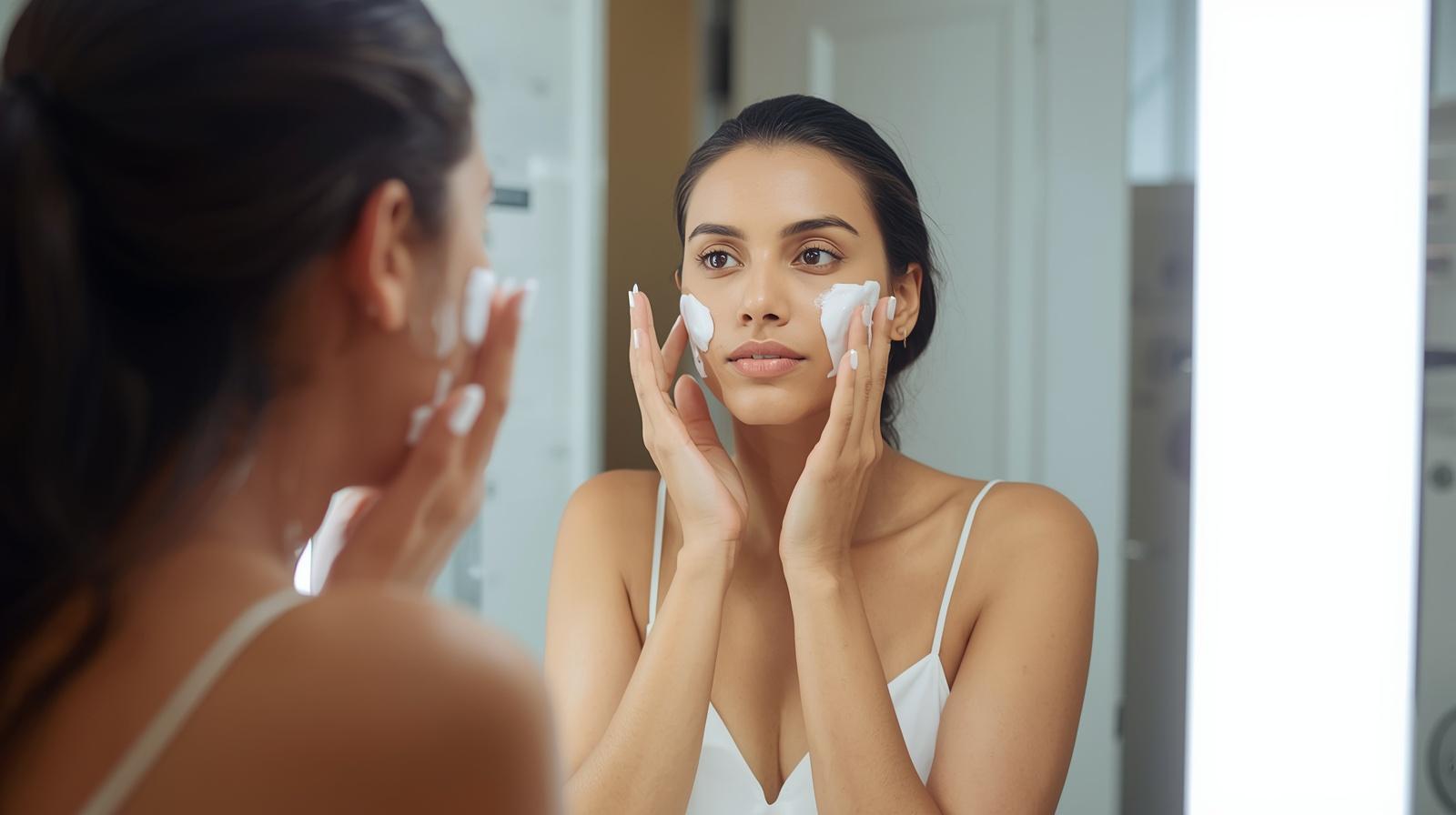
Exfoliation, as the term suggests, refers to the process of treating the outermost layer of the skin—the stratum corneum. But what exactly is keratinized skin? What role does it play in maintaining skin health? And when this layer gradually builds up, how does it affect the skin’s condition?
Why do people exfoliate? Is it because keratin blocks the skin’s ability to “breathe”? Or is it because it interferes with the absorption of skincare products? Does exfoliation truly make the skin appear smoother and healthier, or is it simply a promotional concept created by the beauty industry?
How often should exfoliation be performed? Should different skin types require different approaches? Could excessive exfoliation, instead of helping, actually harm the skin?
The skin’s metabolic cycle is a continuous renewal process, typically lasting about four weeks. In the basal layer at the bottom of the epidermis, cells constantly divide to produce new keratinocytes. These cells gradually migrate upward through the different layers of the epidermis until they reach the surface. By the time they arrive at the outermost layer, they have lost water and nuclei, transforming into the hardened stratum corneum.
Keratin originates from these progressively dying and accumulating cells. On the skin’s surface, they form a natural barrier that resists external irritation, reduces water loss, and protects against microbial invasion. Over time, these keratinized cells naturally shed, but if the metabolic pace slows or external factors interfere, the stratum corneum may become excessively thick, leaving the skin rough and dull.
Keratin is not a foreign substance but an inevitable product of the skin’s renewal process. It serves as both a protective shield and the “end station” of epidermal metabolism, eventually shedding to make way for new cells. This cyclical mechanism is the core by which the skin maintains health and vitality.
Keratin plays a vital role in the skin; it is not an enemy but a natural shield. This protective layer locks in moisture, helping the skin remain supple and resilient, while preventing excessive water loss and preserving the integrity of the barrier. At the same time, keratin blocks bacteria, dust, and pollutants from penetrating, thereby reducing the risk of infection and irritation.
Beyond defending against microbes, keratin also offers partial protection against ultraviolet radiation. Although it cannot replace sunscreen, the stratum corneum does reduce the extent to which UV rays reach deeper layers of the skin. In other words, keratin serves as the skin’s first line of defense, safeguarding internal tissues while maintaining balance with the external environment.
Its function is not only “protection” but also “maintenance.” Keratin ensures stability when the skin faces external challenges and allows new cells sufficient time to mature. Far from being an unnecessary burden, keratin is an indispensable barrier that supports the health and integrity of the skin.
Although keratin is the skin’s protective layer, in certain situations exfoliation becomes a necessary aid. When the skin’s metabolic cycle slows and the stratum corneum does not shed in time, the surface can accumulate excessively, leaving the complexion rough, dull, and even hindering the absorption of skincare products. At such times, moderate exfoliation helps restore radiance and allows active ingredients to penetrate more effectively.
For those with oily or combination skin, an overly thick keratin layer may clog pores, leading to blackheads or acne. Regular exfoliation in these cases can reduce blockages and keep the skin feeling fresh. During seasonal transitions or in environments with heavy pollution, keratin also tends to build up more readily, diminishing clarity; exfoliation under these conditions can likewise improve skin texture.
In short, keratin is not the enemy, but when it “overstays its role” and begins to compromise skin health and appearance, exfoliation becomes a necessary adjustment. The key lies in moderation and timing—allowing keratin to serve its protective function without turning into a burden on the skin.
 The keratin layer of the skin naturally sheds and becomes part of household dust.
Exfoliation can generally be divided into two main approaches: physical exfoliation and chemical exfoliation. While both aim to remove dead skin cells from the surface, their mechanisms and effects differ significantly.
Physical exfoliation relies on mechanical friction, using scrubbing particles, exfoliating brushes, or textured cloths to directly slough off accumulated keratin from the skin’s surface. This method produces immediate results, leaving the skin feeling smoother, but if applied too vigorously it can cause micro‑injuries or compromise the skin barrier.
Chemical exfoliation, on the other hand, employs acidic compounds such as glycolic acid, lactic acid, or salicylic acid. These agents dissolve the bonds between keratinocytes, allowing the stratum corneum to shed naturally. This approach is generally gentler and can penetrate more evenly into the upper layers of the skin, with options tailored to different skin types. However, improper use or excessive concentration may lead to irritation or dryness.
| Physical | Chemical | |
|---|---|---|
| Principle | Uses particles, brushes, or friction to directly remove surface keratin | Uses acidic compounds (such as glycolic acid, lactic acid, salicylic acid) to dissolve the bonds between keratinocytes |
| Advantages | Immediate results; skin feels smooth right away; simple to perform without waiting for a reaction | Gentle action; evenly removes keratin; can be tailored to different skin types with suitable concentrations; produces lasting, deeper effects |
| Disadvantages | Can easily cause micro‑injuries or damage the barrier if applied too forcefully; unsuitable for sensitive skin, which may react with redness or irritation | If concentration is too high or used improperly, may lead to dryness or irritation; requires patience as results are not instantaneous |
While exfoliation can help maintain the skin’s radiance and health, it is not suitable in every situation. First, sensitive skin or skin that is inflamed—such as with eczema, severe acne, or open wounds—should avoid exfoliation, since mechanical friction or acidic agents may worsen irritation, leading to redness or aggravation.
Excessive exfoliation is another major concern. If performed too frequently, it can damage the stratum corneum’s protective function, compromise the skin barrier, and result in dryness, flaking, or heightened sensitivity.
Exfoliation should also be adjusted according to skin type and season. Oily or combination skin may tolerate more frequent treatments, while dry or sensitive skin requires reduced frequency and gentler methods. With chemical exfoliation, both concentration and application time must be carefully controlled to prevent overstimulation. Physical exfoliation, meanwhile, demands moderation in pressure to avoid micro‑injuries from coarse particles.
After exfoliation, the skin becomes temporarily more fragile, making hydration and sun protection especially important. Neglecting these follow‑up steps can leave the skin vulnerable to dehydration or UV damage. In essence, the focus of exfoliation is not only on “removal” but equally on “aftercare.” Only when performed at the right time, in the right way, and paired with proper maintenance can exfoliation deliver genuine benefits rather than becoming a burden to the skin.
The skin has its own metabolic mechanism. Keratinocytes are naturally generated, mature, die, and shed in a self‑renewing cycle. When daily routines are balanced, diet is adequate, and the skin is kept clean and well‑hydrated, it can complete the turnover of aged cells on its own, without heavy reliance on external exfoliation.
Dermatologists emphasize that healthy lifestyle habits are the true foundation of good skin. Chronic sleep deprivation, excessive stress, or poor nutrition are the real causes of keratin buildup and dullness. Rather than depending on frequent exfoliation as a “remedy,” it is more effective to address these root issues, allowing the skin to regain its natural radiance through its own renewal process.
Moreover, excessive exfoliation can damage the skin barrier, making the skin more prone to dryness, sensitivity, and even infection. Professionals therefore advise focusing less on quick surface results and more on consistent care—hydration, sun protection, and cleanliness. In a healthy environment, the skin can carry out its renewal naturally. This approach is not only safer but also helps the skin maintain long‑term stability and vitality.
 Maintaining healthy lifestyle habits is the true long‑term path to skincare
We leverage big data to bring you the most fascinating and mind-blowing trivia. Follow us for regular updates—prepare to be amazed while leveling up your knowledge.


The Sun we see every day brings us warmth, light, and vitality. Yet while we take it for granted, have we ever wondered why the Sun can continuously provide energy without end? Where does its

The most captivating aspect of twins lies in their striking resemblance in appearance. When encountering twins in a crowd, the first impression is the shock of seeing two faces that look almost

Lightning is a sudden and violent natural discharge phenomenon. It usually appears as a brilliant streak of light cutting across the sky, either between clouds or from cloud to ground. Its shape is

Throughout the course of human history, the spread of electricity has symbolized a leap in civilization. Its emergence not only provided an entirely new source of energy but also fundamentally

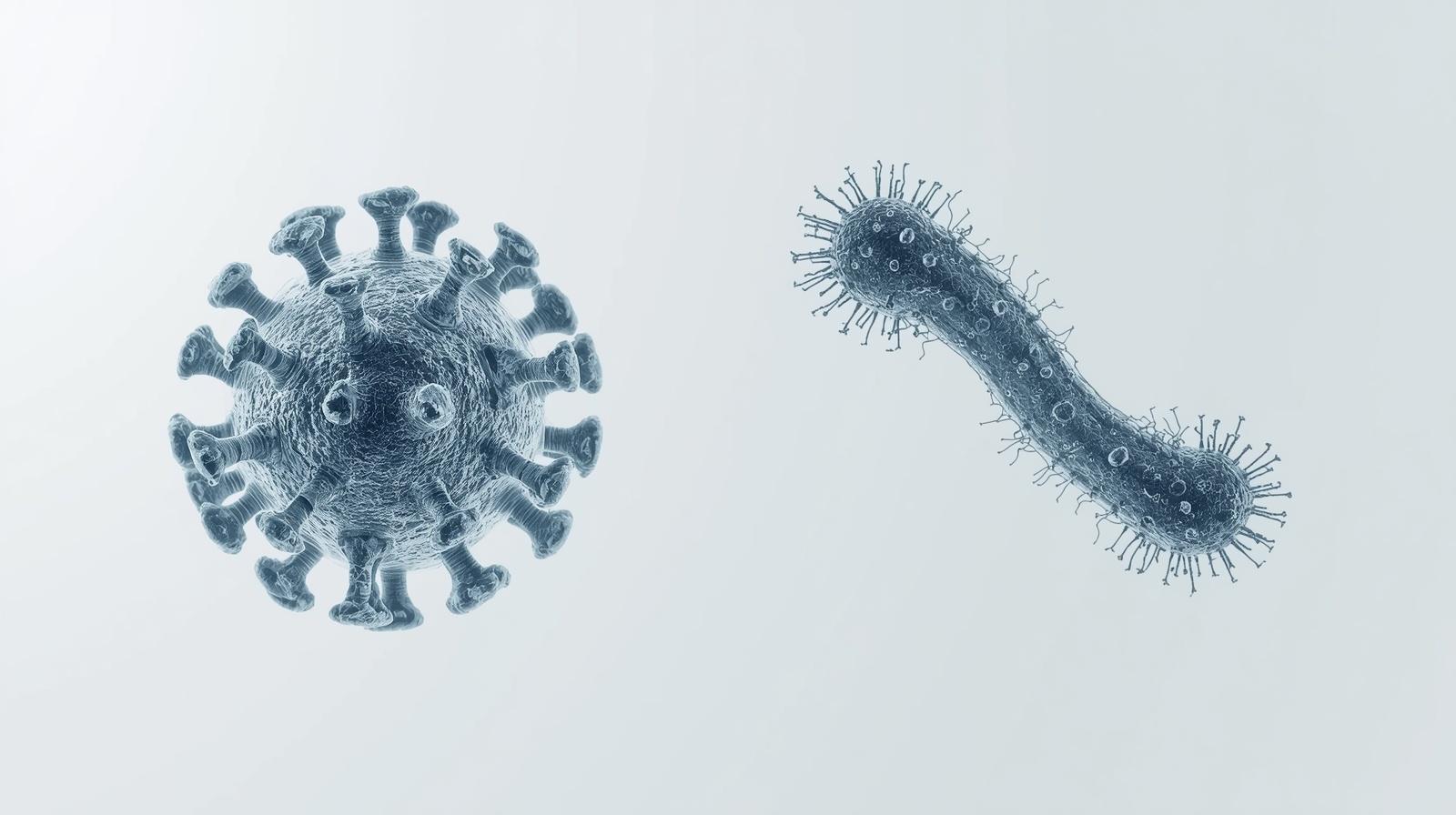
Many people tend to confuse “bacteria” and “viruses” when talking about them. Some believe that a common cold must be caused by a bacterial infection and that taking antibiotics will cure it; others
A breeze drifts by, as if pushing away the stifling air and bringing with it a refreshing coolness. The leaves sway in response, a gentle touch brushes the cheeks, invigorating the spirit and easing

The chicken’s body is likewise covered with feathers and equipped with wings, giving the outward impression of being suited for flight. Yet why is it that they cannot soar into the sky like other

Alcohol has become almost indispensable in many cultures and social settings. Whether at workplace gatherings, dinners with friends, or even business negotiations, it often serves as a social



Follow us for quirky updates, fun discoveries, and a front‑row seat to the weird and wonderful world we live in.