
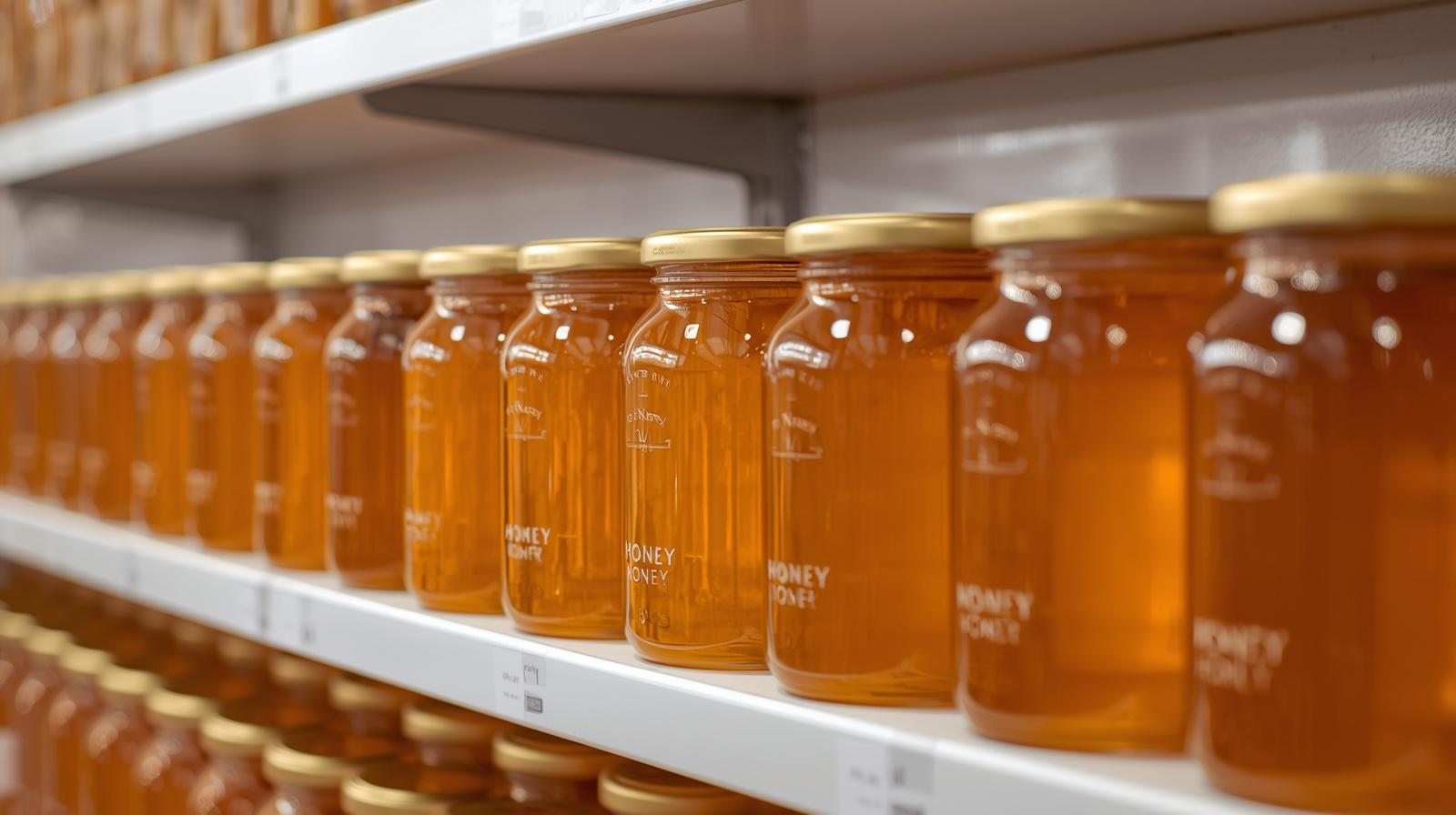
Honey is a natural substance produced by bees, created from the sweet nectar they collect from flowers. Through repeated processing and concentration, the nectar is transformed and stored within the hive. Honey has a thick texture, carries floral aromas and sweetness, and serves as an essential energy reserve for the colony when food sources are scarce.
Its formation is far more than simple collection; it involves cooperation among bees and multiple stages of transformation, gradually stabilizing the nectar and making it long-lasting.
Yet, misconceptions about honey’s origin often arise. Some people mistakenly believe that honey is “bee vomit.” This notion stems from the fact that bees release nectar from their mouths during processing, passing it on to other bees for further refinement. Because this involves a “regurgitation-like” action, it is easily misunderstood as vomiting.
So, is that really the case? Could honey, with such rich nutritional value, truly be nothing more than bee vomit?
The honey stomach is a specialized organ within the bee, located at the front section of its digestive system, between the esophagus and the true stomach. It is not used for digestion but serves as a temporary storage chamber dedicated to carrying nectar. When worker bees collect nectar from flowers, they first store it in the honey stomach, allowing them to transport it back to the hive without breaking down its original components.
The honey stomach functions not only as storage but also as a site of initial transformation. While nectar remains inside, bees secrete enzymes into it, beginning the breakdown of sugars and gradually altering its properties. Once the worker bee returns to the hive, it releases the nectar from the honey stomach and passes it to other bees for further processing. Through repeated transfer and adjustment of water content, the nectar is gradually concentrated into honey.
The true stomach, by contrast, is the bee’s actual digestive organ, situated just behind the honey stomach. When food such as pollen or honey enters the true stomach, it is broken down by digestive fluids and enzymes, and nutrients are absorbed to sustain the bee’s bodily functions. The true stomach’s role is entirely “digestion and absorption,” whereas the honey stomach’s role is “storage and transformation.”
The process of nectar regurgitation in bees is a finely coordinated cooperative behavior. When worker bees collect nectar and return to the hive, they release it from their mouths and pass it on to other workers for further processing. This act of “releasing” is not the expulsion of digested material but a specialized method of transfer. As nectar circulates repeatedly among different bees, enzymes are added and water content is adjusted, gradually transforming it into thicker, longer‑lasting honey.
The purpose of regurgitation is to ensure that nectar is thoroughly processed and evenly distributed. Through this process, the colony converts nectar into a stable food reserve, enabling survival during times of scarcity or in winter.
By contrast, vomit is the product expelled when the body is unwell or irritated, consisting of stomach contents forced upward. It usually originates in the stomach and contains partially digested food, gastric fluids, and other mixtures. Vomiting is a defensive reaction: when the body senses poisoning, infection, overstimulation, or other abnormal conditions, strong muscular contractions expel stomach contents to prevent harmful substances from entering the intestines.
Vomit typically carries a sour or bitter taste due to the presence of stomach acid and digestive fluids. Its appearance may be semi‑liquid or pasty, with color and odor varying according to the type of food and degree of digestion. Because vomit is waste expelled by the body, it represents a pathological or protective state rather than a normal food‑processing activity.
In short, nectar regurgitation is a deliberate, cooperative act by bees to process and transmit nectar, ultimately turning it into honey for the colony’s food reserve. Vomit, on the other hand, is waste forcibly expelled due to illness or poisoning, containing gastric fluids and digestive remnants. The former is a collaborative food‑handling process, while the latter is a pathological defense mechanism—fundamentally different in nature and function.
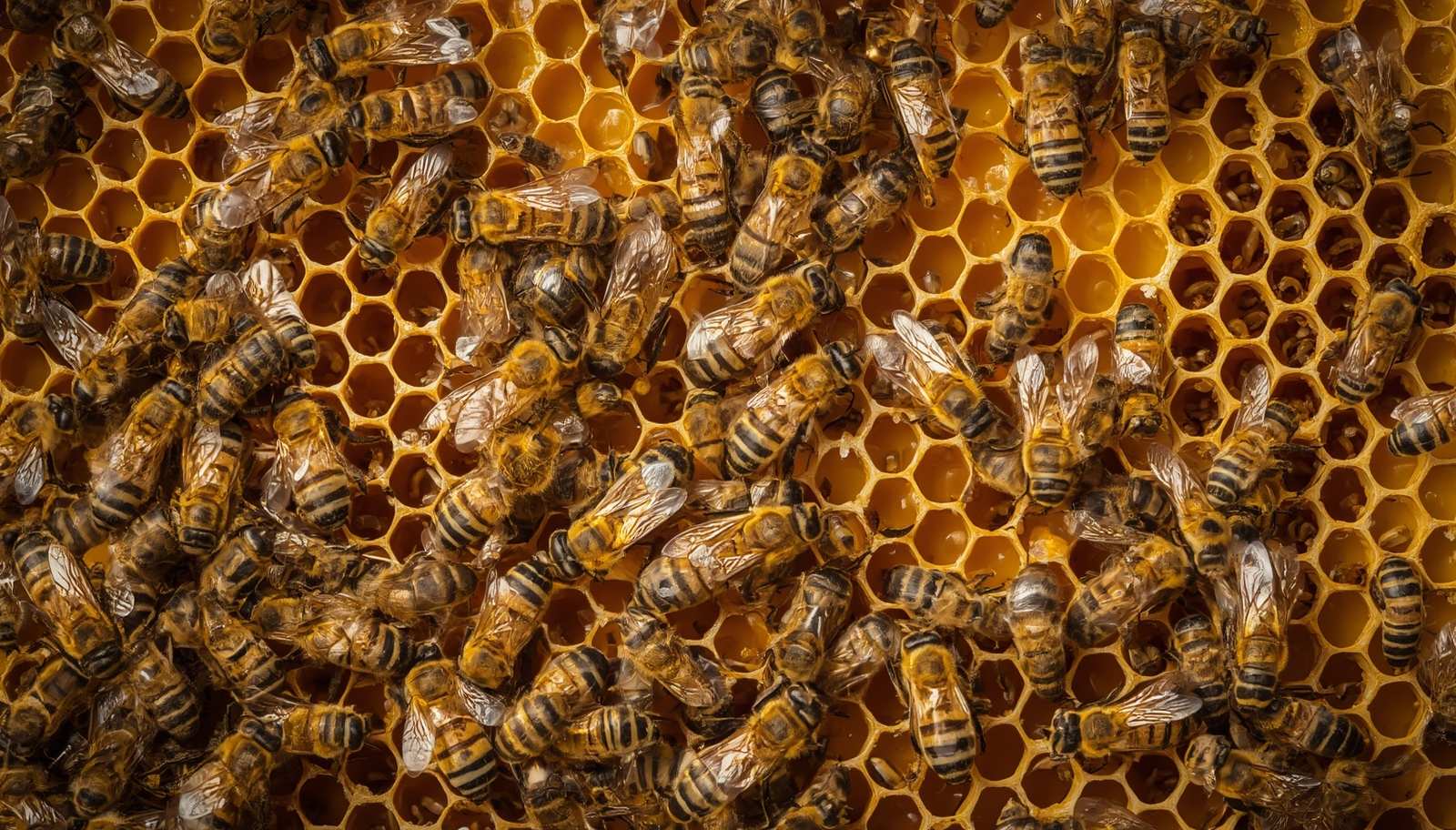 The bees are making honey
Honey possesses a remarkably rich nutritional profile. It is not only a natural source of sweetness but also contains a variety of components beneficial to human health. Primarily composed of glucose and fructose, these simple sugars are rapidly absorbed by the body, providing immediate energy. For this reason, honey is often regarded as a natural food for quick replenishment of physical strength.
Beyond sugars, honey contains small amounts of vitamins and minerals such as B‑complex vitamins, vitamin C, potassium, calcium, magnesium, and iron. Although present in modest quantities, these micronutrients contribute to the body’s nutritional balance when consumed regularly.
Honey also harbors natural enzymes and antioxidants. The enzymes assist in breaking down sugars, while antioxidants help counteract free radicals, thereby reducing cellular damage and supporting healthy aging. In addition, honey contains trace amounts of amino acids and organic acids, which enhance its flavor and play roles in metabolic processes.
Taken together, the nutritional value of honey lies not in the abundance of any single component but in its nature as a complex, natural mixture. It provides energy, micronutrient support, and antioxidant protection. This layered nutritional structure makes honey both a delicious and beneficial addition to the human diet.
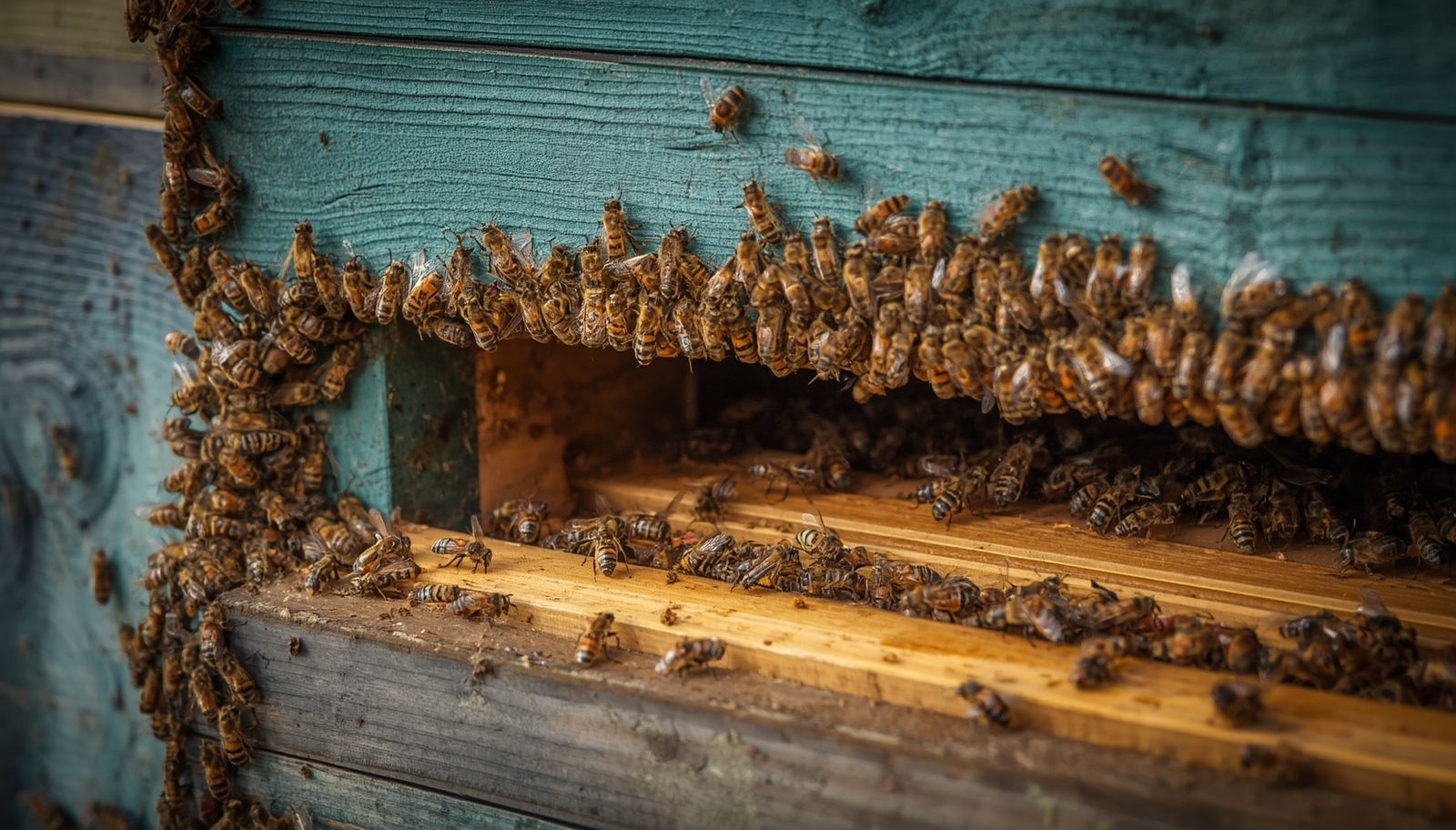 Honey holds exceptionally high commercial value. Many people therefore establish apiaries, where they specialize in the breeding and management of bee colonies in order to produce and harvest honey.
We leverage big data to bring you the most fascinating and mind-blowing trivia. Follow us for regular updates—prepare to be amazed while leveling up your knowledge.


Tattooing is a form of bodily marking that has carried multiple meanings throughout human history. In ancient societies, it could signify religious devotion, serve as a symbol of tribal identity, or

Throughout the course of human history, the spread of electricity has symbolized a leap in civilization. Its emergence not only provided an entirely new source of energy but also fundamentally

During the Second World War, the Manhattan Project, led by American theoretical physicist Robert Oppenheimer, successfully produced the world’s first atomic bomb. The first test was conducted on July

A well is one of humanity’s earliest water‑drawing facilities. Its primary function is to bring groundwater to the surface, supplying people with drinking water, irrigation, and everyday use. Because

Eggs are a highly nutritious food. They contain high‑quality protein that provides the essential amino acids required by the human body. The yolk is rich in vitamins A, D, E, and K, as well as

A tornado is an extreme weather phenomenon, essentially a rapidly rotating column of air formed within intense convective thunderstorm clouds. When warm, moist air collides violently with cold, dry

Christianity, Catholicism, Orthodoxy and Protestantism Christianity is a faith centered on Jesus Christ, emphasizing salvation and the relationship with God. It is also one of the religions with

In everyday life, showering is a time for relaxation, cleansing, and even reflection. Yet there is one seemingly trivial question that often sparks debate: should you urinate while showering? Some



Follow us for quirky updates, fun discoveries, and a front‑row seat to the weird and wonderful world we live in.