

Alcohol has become almost indispensable in many cultures and social settings. Whether at workplace gatherings, dinners with friends, or even business negotiations, it often serves as a social lubricant, making interactions feel more natural and easier to initiate. For many, alcohol is not merely a beverage but a social tool, woven into the fabric of daily life.
Yet drinking also brings about a striking phenomenon: some people flush red in the face, and even develop patches of redness on their skin. This reaction varies widely across different groups and often sparks curiosity and discussion. Some believe it signals “fast alcohol breakdown,” suggesting the body is processing alcohol more efficiently, which is why such visible signs appear. But is that explanation truly accurate?
Ethanol, commonly known as alcohol, is a molecule that is rapidly absorbed by the human body and enters the bloodstream. Once it reaches the liver, it is acted upon by alcohol dehydrogenase and oxidized into acetaldehyde. This conversion is essentially a chemical reaction in which the ethanol molecule loses hydrogen atoms, forming the structurally less stable acetaldehyde.
Acetaldehyde is far more toxic than ethanol. It disrupts cellular functions and can trigger acute reactions such as facial flushing, rapid heartbeat, and dizziness. If it accumulates over time, the risks become even greater. To prevent acetaldehyde from lingering too long in the body, the next stage of metabolism is activated.
Under the catalytic action of aldehyde dehydrogenase, acetaldehyde is further oxidized into acetic acid. Acetic acid is comparatively less harmful and can enter energy metabolism pathways, eventually breaking down into carbon dioxide and water to be expelled from the body.
This metabolic route functions like a protective mechanism: ethanol is first converted into acetaldehyde, then quickly processed into acetic acid, ensuring that alcohol is ultimately eliminated in a harmless form. The overall efficiency of this process depends on variations in the activity of the enzymes involved.
When the body lacks aldehyde dehydrogenase, the process of alcohol metabolism encounters a significant obstacle. After ethanol is broken down into acetaldehyde in the liver, the shortage of this enzyme prevents acetaldehyde from being efficiently converted into acetic acid. As a result, acetaldehyde accumulates rapidly in the bloodstream, remaining in the body for an extended period and directly triggering a series of physiological reactions.
The most common outward sign is facial flushing, caused by acetaldehyde stimulating blood vessel dilation and leading to a sudden rush of blood to the skin. Beyond flushing, individuals may experience a racing heartbeat, dizziness, nausea, a sensation of heat throughout the body, or even the appearance of red patches.
Some people feel intense discomfort, with symptoms arising even after consuming only a small amount of alcohol. These reactions are essentially the body’s warning that acetaldehyde is building up and metabolic capacity is insufficient.
In other words, for those lacking aldehyde dehydrogenase, drinking alcohol causes acetaldehyde levels to spike sharply, producing a range of acute physiological responses. These reactions are not merely superficial signs like facial redness, but clear evidence that the body is under toxic stress from acetaldehyde.
Facial flushing after drinking is particularly common among Asian populations, hence the term “Asian flush.” The root of this phenomenon lies in genetic variation: many East Asians have a deficiency or reduced activity of aldehyde dehydrogenase (ALDH2), which causes acetaldehyde to accumulate in the body and trigger facial redness and discomfort. In contrast, the prevalence of this genetic variant is much lower among European and American populations, making “Asian flush” a distinctive trait of East Asians.
As for why this genetic difference is widespread in Asian populations, researchers have proposed several evolutionary hypotheses. One relates to ancient diet and environment. East Asia has a long history of brewing alcoholic beverages from grains, but the risk of microbial contamination was also high.
The accumulation of acetaldehyde in the body produces unpleasant reactions after drinking, which may have discouraged excessive alcohol consumption. In this way, the genetic trait could have acted as a protective mechanism, helping communities avoid the long-term harms of alcohol misuse.
Thus, “Asian flush” is not merely a simple case of alcohol intolerance, but rather an imprint left in human evolutionary history. It reminds us that genetic differences are not necessarily defects; they may represent optimal adaptations to past environments and lifestyles.
Acetaldehyde has been explicitly classified by the World Health Organization as a Group 1 carcinogen, meaning its cancer‑causing potential in humans is backed by strong scientific evidence. When someone lacking aldehyde dehydrogenase drinks alcohol and experiences facial flushing, it is a clear sign that acetaldehyde is rapidly accumulating in the body. If such individuals continue to drink heavily, acetaldehyde repeatedly surges in the blood and tissues, subjecting cells to prolonged stress.
In this state, acetaldehyde persistently binds to DNA and proteins, leading to genetic damage and cellular dysfunction. In the short term, affected individuals frequently suffer from flushing, palpitations, dizziness, and nausea; but over the long term, the relentless buildup overwhelms cellular repair systems, allowing errors to accumulate. The consequence is a markedly elevated risk of cancers, particularly of the esophagus, oral cavity, and stomach.
In other words, alcohol‑induced flushing is not simply a sign of “low tolerance,” but a clear warning that acetaldehyde is accumulating. Ignoring this signal and continuing to drink is effectively exposing the body to sustained assault from a Group 1 carcinogen, with potentially severe outcomes. This is why medical guidance strongly advises those with the “Asian flush” reaction to avoid alcohol, as their metabolic deficiency magnifies the health risks associated with drinking.
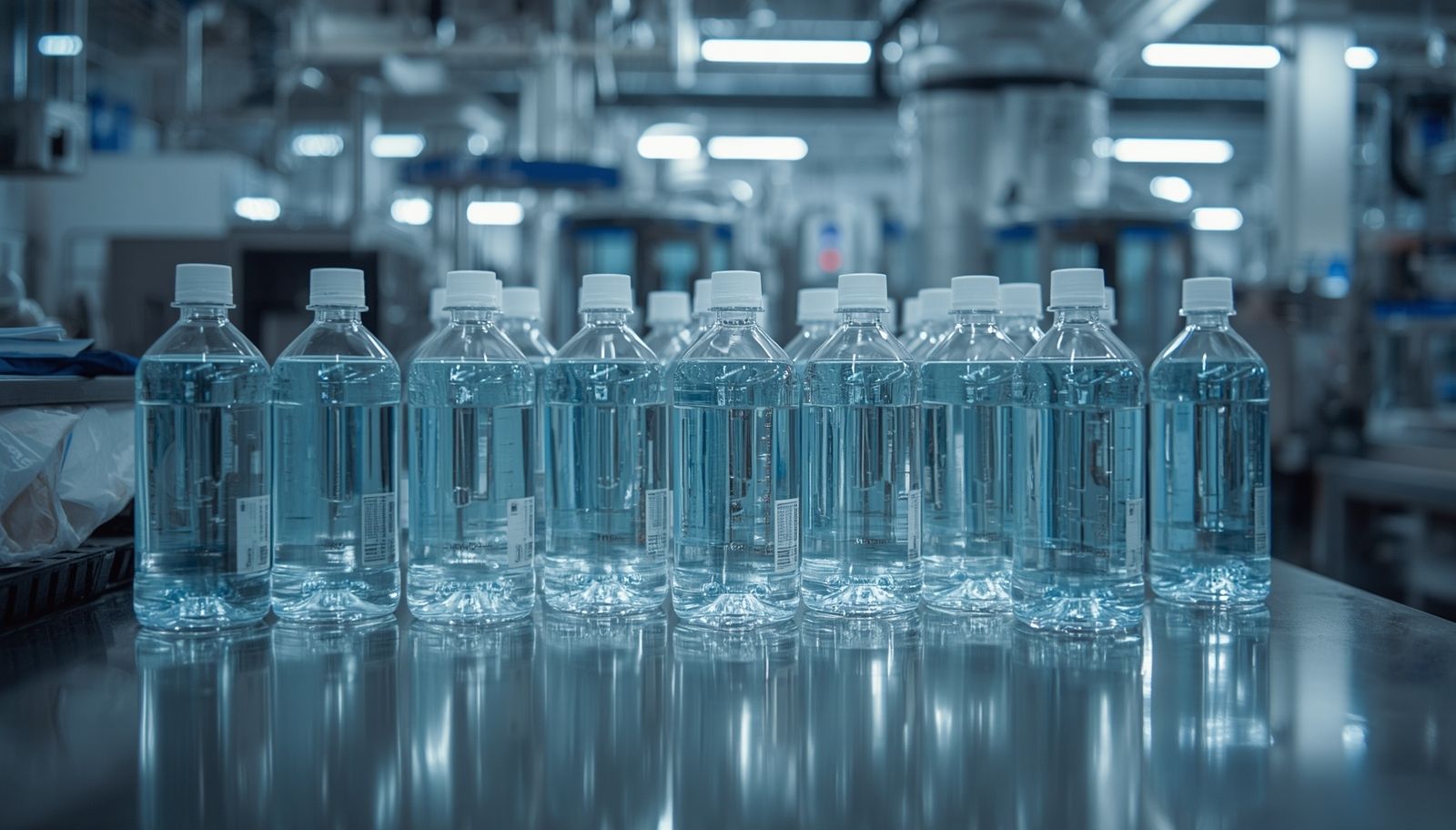 Some unscrupulous merchants dilute industrial alcohol (methanol) and mix in other substances to sell it as alcoholic beverages, reaping huge profits. Industrial alcohol is highly toxic to the human body and must never be consumed.
Whether alcohol tolerance can be “trained” depends entirely on the body’s metabolic capacity, which is determined by genetics. For individuals lacking aldehyde dehydrogenase, ethanol is quickly converted into acetaldehyde after drinking, but acetaldehyde cannot be efficiently broken down. Its concentration then spikes in the bloodstream. This metabolic defect is genetic in nature and cannot be altered through repeated drinking, meaning tolerance cannot be improved simply by practice.
If someone prone to flushing insists on drinking more, they may feel in the short term that they can endure slightly higher amounts of alcohol. In reality, this is only an adaptation to discomfort, not an actual improvement in the body’s ability to metabolize acetaldehyde. The compound continues to accumulate, persistently irritating blood vessels and the nervous system, producing flushing, rapid heartbeat, dizziness, and nausea. In other words, they do not gradually become “immune” to alcohol; instead, they are ignoring the body’s warning signals.
Thus, people who flush when drinking cannot change their genes or enhance metabolic capacity by “training” their tolerance. Flushing itself is a clear signal that acetaldehyde is building up and metabolism is insufficient. Continued drinking only forces the body to endure repeated toxic stress from acetaldehyde, rather than developing resistance or immunity.
If someone prone to facial flushing has no choice but to drink in certain situations, the key principle is to minimize the rate and concentration of acetaldehyde produced in the body, thereby reducing the burden on the system.
First, controlling intake is essential: drinking slowly and in small amounts gives the liver more time to process alcohol. Consuming alcohol with food—especially meals rich in protein or fat—can slow absorption and help prevent a sudden spike in acetaldehyde levels.
Hydration is equally important. Drinking plenty of water alongside alcohol dilutes its concentration in the blood and supports metabolism and excretion. Choosing beverages with lower alcohol content rather than spirits also reduces the speed at which acetaldehyde is generated. Avoiding mixed types of alcohol is advisable, since combining drinks places additional strain on the liver.
Finally, paying close attention to bodily signals is critical. If flushing, palpitations, dizziness, or severe discomfort occur, stopping immediately allows the body time to recover. Maintaining good rest and balanced nutrition further supports the liver’s ability to repair itself after alcohol exposure.
Even for those who do not flush when drinking, it does not mean they can consume alcohol recklessly in large amounts. Flushing is merely an outward sign of acetaldehyde buildup, while those who do not flush simply have higher aldehyde dehydrogenase activity, allowing them to break down acetaldehyde more quickly. Yet alcohol itself still inflicts harm on the body in multiple ways.
Excessive drinking directly burdens the liver, which must work continuously to metabolize alcohol, leading to fatty liver, hepatitis, or even cirrhosis. Alcohol also disrupts the central nervous system, slowing reactions and impairing judgment, and over time may damage memory and cognitive function. In addition, it affects the cardiovascular system, raising the risk of hypertension and arrhythmias. The digestive tract is also irritated, resulting in damage to the stomach lining, gastritis, or ulcers.
In short, regardless of one’s metabolic capacity, alcohol remains a toxic chemical substance, and long‑term or excessive intake inevitably strains the body. The wisest course is to stay away from alcohol and prioritize health.
Cultivating good lifestyle habits—balanced nutrition, regular exercise, and sufficient sleep—not only keeps the body in optimal condition but also brings lasting energy and joy. The world offers countless sources of genuine happiness—knowledge, friendship, travel, art, nature—that are far purer and more enduring than alcohol. Choosing these positive pleasures is the best gift one can give to oneself.
 Vinegar is produced through the secondary fermentation of alcohol, and this transformation makes vinegar highly beneficial to human health.
We leverage big data to bring you the most fascinating and mind-blowing trivia. Follow us for regular updates—prepare to be amazed while leveling up your knowledge.


Earthquakes often exact a heavy toll, not only causing casualties but also destroying houses, roads, and infrastructure, plunging entire communities into chaos and loss. In an instant, people may

In today’s society, motors are virtually everywhere. They drive robotic arms in factories, keeping production lines running at high speed; they power elevators and automatic doors, making urban life

For many people, losing weight feels like a lifelong mission. In today’s world of abundance, food shortages are no longer a concern. Instead, overnutrition has led to widespread obesity. ###

Teeth are among the hardest tissues in the human body, capable of withstanding immense pressure during chewing and resisting everyday wear. Yet within such a resilient structure, why does corrosion

The Renaissance was a cultural and intellectual movement that arose in Europe between the fourteenth and sixteenth centuries. It first unfolded in Italian cities such as Florence, Venice, and Milan,

The droplets that fall from the sky are not always the same. At times they are raindrops, striking eaves and streets; at other times they are snowflakes, gently covering rooftops and fields. Both

Stepping into the tropical rainforest, people are often astonished by the sheer size of its creatures: beetles as thick as a thumb, butterflies with wings as wide as a hand, and even frogs and ants

In everyday life, showering is a time for relaxation, cleansing, and even reflection. Yet there is one seemingly trivial question that often sparks debate: should you urinate while showering? Some



Follow us for quirky updates, fun discoveries, and a front‑row seat to the weird and wonderful world we live in.