
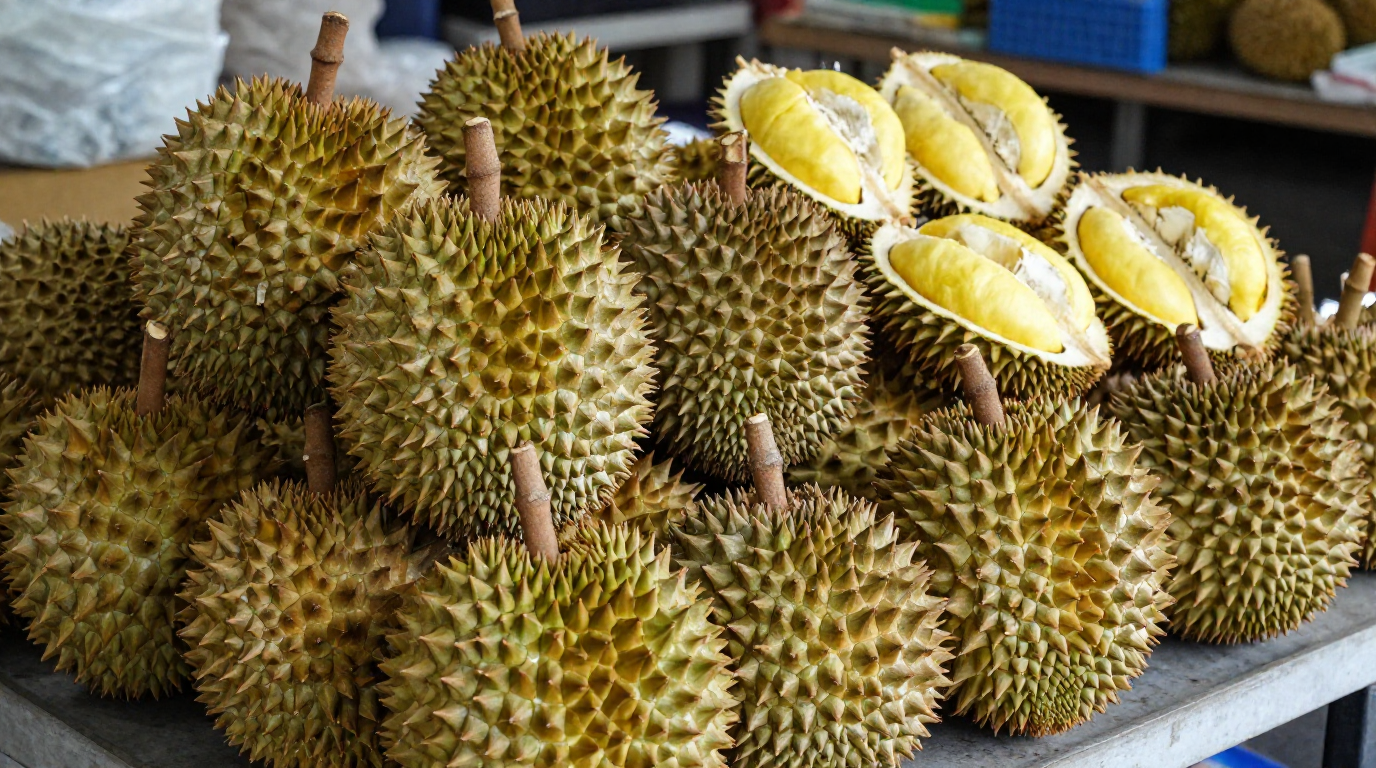
Durian, hailed as the “King of Fruits,” is renowned for its thick, spiky shell and its powerful aroma. Its appearance serves both as a natural defense and a sign of ripeness, while its distinctive scent evokes sharply contrasting reactions—some regard it as a delicacy, others avoid it altogether. With its wide range of varieties and complex flavors, durian is not merely a tropical fruit but also a cultural symbol and a marker of regional identity.
Today, durian production is concentrated in Southeast Asia. Thailand is the world’s largest exporter, with hundreds of recognized varieties. The “Monthong” (Golden Pillow) is the most representative, exported in vast quantities to markets such as China, Hong Kong, and Singapore. Malaysia is known for premium cultivars, with more than 200 varieties. Among them, “Musang King” and D24 enjoy international fame; although production is smaller, their quality positioning is clear.
Indonesia, one of durian’s native homelands, preserves a vast number of indigenous varieties. While its export scale is smaller than Thailand or Malaysia, it holds great importance in terms of genetic diversity. In recent years, Vietnam has rapidly emerged, particularly in the Mekong Delta, with varieties such as Ri6. Its export volume has steadily increased, making Vietnam a rising durian supplier.
In recent years, durian cultivation in Hainan, China has expanded rapidly, emerging as a new focal point in the tropical fruit industry. With a climate closely resembling that of Southeast Asia—hot and humid with abundant rainfall throughout the year—the island provides favorable conditions for durian growth. Over the past decade, local authorities and farmers have actively introduced varieties from Thailand and Vietnam for trial planting and wider propagation. At present, the planting area in Hainan is steadily increasing, with some orchards already supplying the market on a small scale.
Although Hainan’s output still lags far behind that of Thailand and Malaysia, the enormous demand from mainland China has positioned Hainan durians as a potential “fifth major source of durian exports.” The current challenges lie in varietal adaptability, consistency of fruit quality, and the establishment of a comprehensive industrial chain together with a reliable export certification system.
In the southern Philippines, especially Davao, durian is also abundant. Local varieties are known for their sweet fragrance, mainly serving domestic consumption. Exports remain limited, but durian holds a distinctive place in the regional tourism market.
Cambodia, Laos, and Myanmar cultivate durian on a smaller scale, typically grown and sold locally by farmers. While these regions do not contribute significantly to exports, durian still maintains a presence in regional consumption.
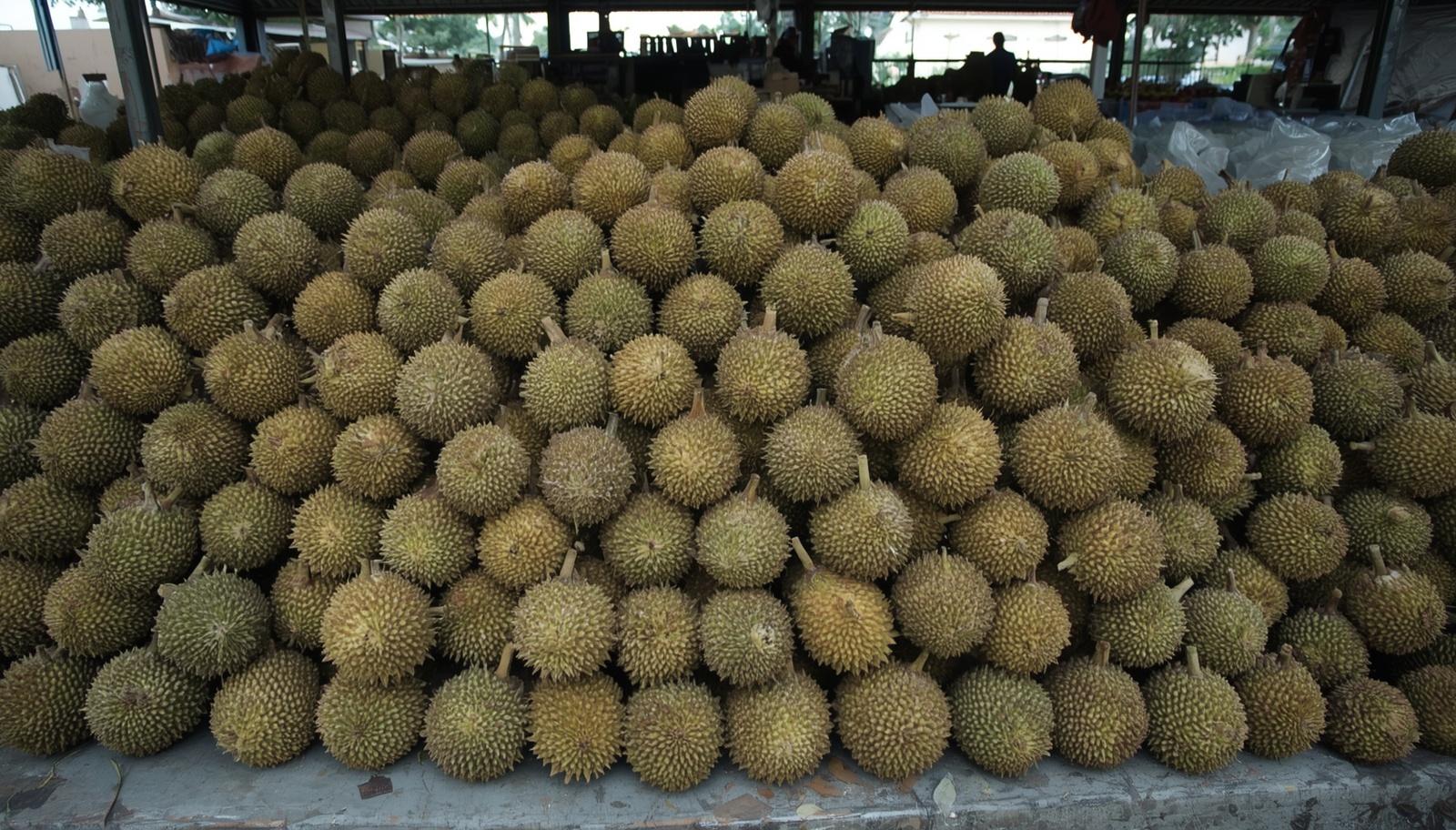 Durian is abundantly produced in hot and humid areas
Then, why does durian have so many varieties?
Durian’s genetic pool is exceptionally rich. The genus Durio comprises more than thirty species in nature, at least nine of which produce edible fruit. These species exhibit natural genetic differences—fruit size, flesh color, aroma intensity, sweetness, and texture—all of which provide a foundation for cultivation and selective breeding.
Durian also possesses a degree of natural hybridization. Different species can cross-pollinate under certain conditions, producing new genetic combinations. These often yield distinctive traits, such as stronger aroma or flesh more suitable for storage and transport. When farmers or researchers preserve such variations, they gradually evolve into new cultivars.
Moreover, regional environments profoundly shape durian’s characteristics. Soil fertility, rainfall, humidity, and climate differences across Southeast Asia cause the same species to develop unique traits in different locations. For example, Thailand’s dry climate and well-drained soil produce Monthong with thick flesh and high sweetness, ideal for long-distance transport. Malaysia’s humid climate fosters Musang King, with its intense aroma and bittersweet complexity. Indonesia’s Borneo and Sumatra preserve native durians with red or orange flesh, offering distinctive flavors.
Although multiple durian species exist in nature, without human intervention many desirable traits could not be reliably preserved. Through artificial pollination, farmers are able to select specific parent trees and concentrate characteristics such as high sweetness, thick flesh, or strong aroma in the next generation of fruit. This deliberate genetic combination gradually produces new cultivars tailored to market demand.
Grafting technology is another important driving force. Seed propagation of durian often results in unstable traits, whereas grafting ensures that the qualities of superior varieties are maintained. Farmers graft branches from high-quality durians onto suitable rootstocks, which not only preserves fruit quality but also enhances the tree’s resistance to disease and adaptability. This technique enables durian varieties to spread rapidly and establish stable cultivation systems across different regions.
As market demand evolves, breeding strategies are continually adjusted. For example, Thailand focuses on developing export-oriented durians with thick flesh and good storage and transport qualities, while Malaysia emphasizes preserving premium varieties with complex and layered aromas. These selective approaches have led to the emergence of hundreds of cultivated lines within just a few decades—far surpassing the pace achievable through natural evolution alone.
Some farmers or traders often carry durian seeds or seedlings from one region to another for planting. This cross‑regional transplantation not only expands the distribution range of durians but also triggers genetic exchange and localized evolution in new environments.
When foreign varieties enter a new area, they may naturally hybridize with local durians, producing new genetic combinations. If these combinations exhibit distinctive flavors or stronger adaptability, farmers tend to preserve them, gradually forming new cultivars. Even without hybridization, differences in soil, climate, and rainfall can cause the same variety to display distinct characteristics in different regions—variations that are often recognized in agricultural registries or the marketplace as separate varieties.
Cross‑regional introduction is frequently driven by economic and market considerations. Vietnam once introduced Thailand’s Monthong and cultivated export‑oriented versions locally; in recent years, Hainan in China has also imported durian seeds from Southeast Asia in an effort to establish a domestic industry. These practices not only broaden the cultivation range of durians but also accelerate varietal diversification.
In Southeast Asia, durian is regarded as the “king of fruits.” Across different countries, durian is not merely food but also a symbol of identity and culture. Malaysia’s Musang King is seen as a source of national pride, Thailand’s Monthong represents export strength, while Vietnam’s durian has become a symbol of agricultural modernization. These cultural meanings drive governments and farmers to cultivate varieties that align with local identity and market positioning.
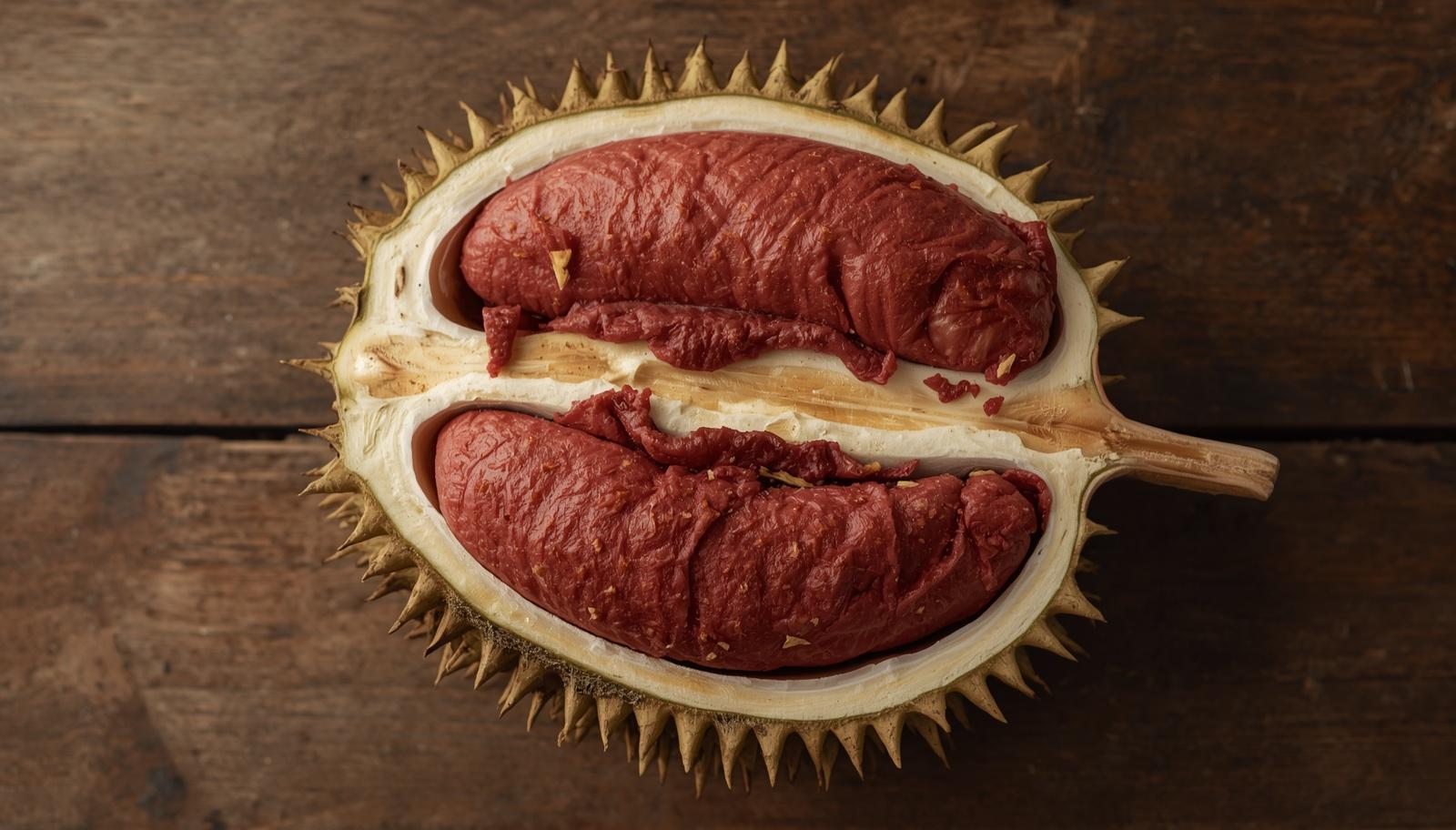 The durian market is vast, with an abundance of varieties that dazzle the eye
Durian’s distinctive odor is, in fact, a “symphony” of chemical and biological processes. During ripening, the fruit activates a cascade of enzymatic reactions, particularly those that break down sulfur‑containing amino acids. These reactions release large amounts of volatile sulfur compounds, such as methanethiol, ethanethiol, and diethyl disulfide. Each of these molecules carries a pungent scent reminiscent of rotting onions or natural gas, forming the core source of durian’s notorious “stench.”
Yet sulfur compounds are only part of the story. Durian simultaneously emits a range of esters and alcohols, such as ethyl methylbutyrate, which impart sweet notes of honey, pineapple, and even wine. The interplay of these “fragrant” and “foul” molecules in the air produces a strikingly paradoxical but powerful sensory impact.
What makes it even more intriguing is that human perception of these compounds varies widely. Some individuals are highly sensitive to sulfur volatiles and detect only the acrid odor, while others more readily perceive the fruity esters, finding durian richly aromatic. This divergence stems from genetic variation in olfactory receptors and is further shaped by cultural context—across Southeast Asia, durian’s scent is often celebrated as a hallmark of delicacy, whereas for first‑time tasters it may be experienced as an overwhelming “disaster.”
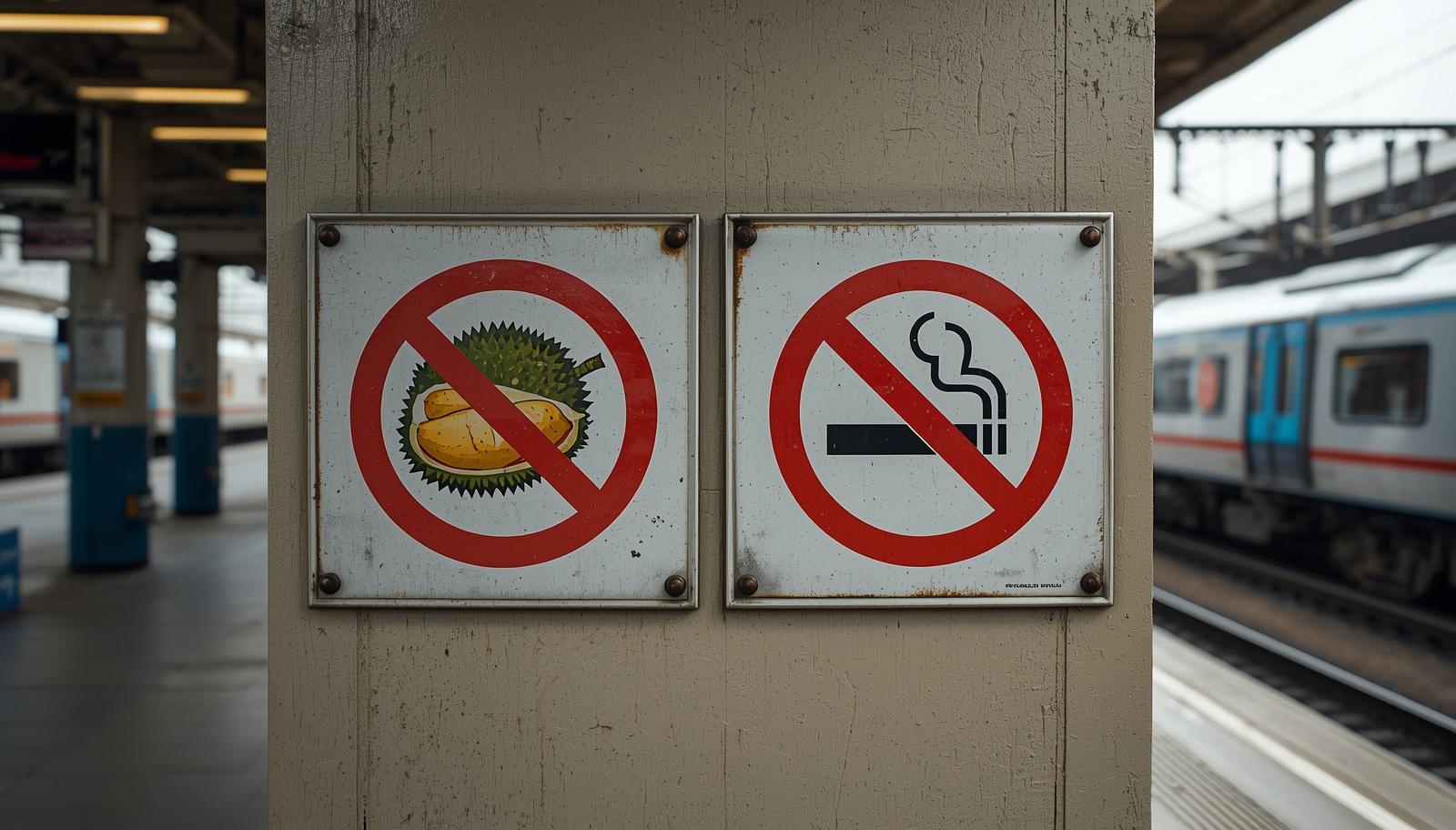 Because durian’s odor is highly controversial, it has been banned in many places
We leverage big data to bring you the most fascinating and mind-blowing trivia. Follow us for regular updates—prepare to be amazed while leveling up your knowledge.


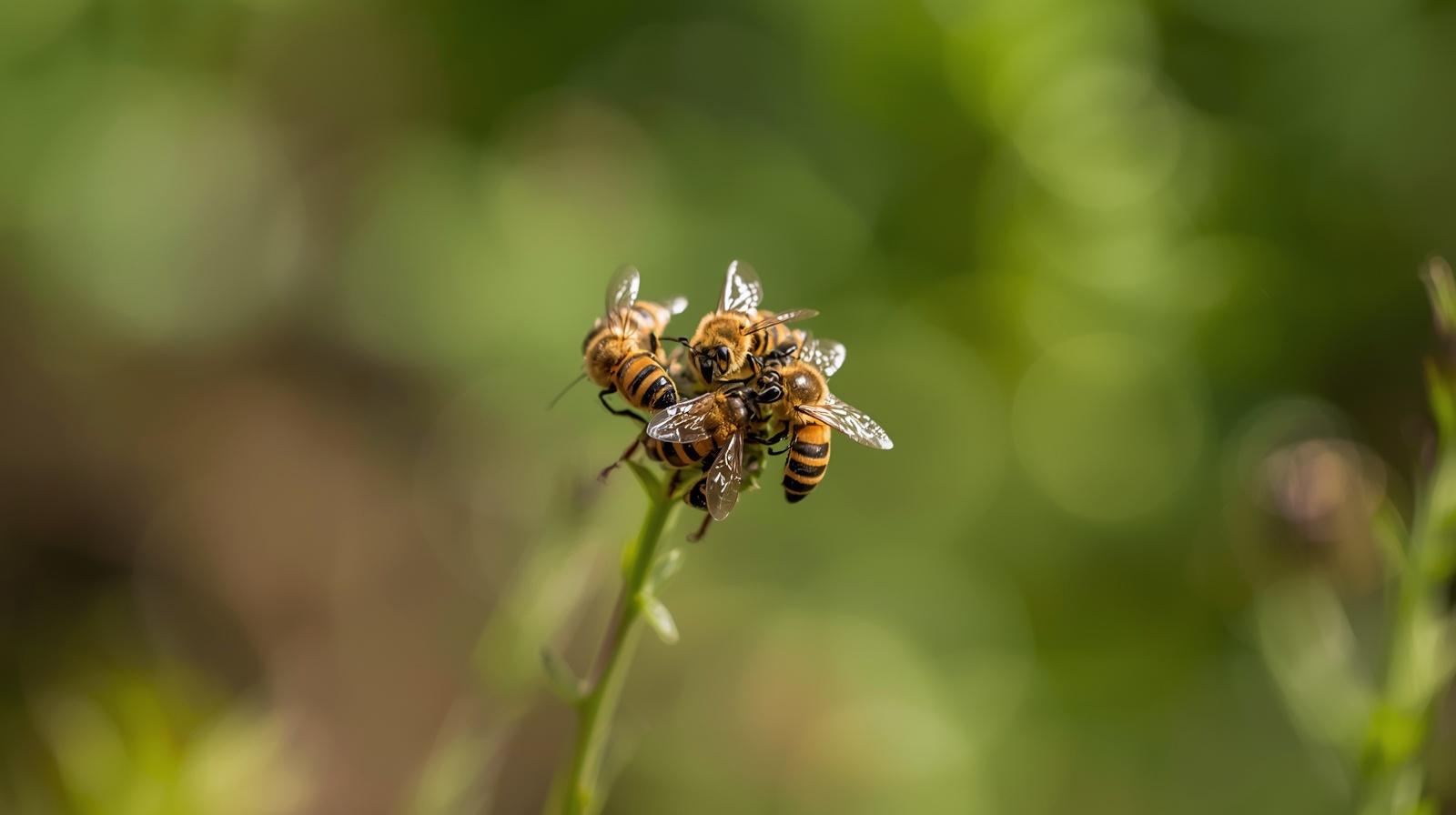
Bees are among the most familiar insects to humans. They flutter among flowers, collecting nectar, and often appear to embody diligence and charm. Yet behind this gentle exterior lies a harsh law of
Throughout the course of human history, the spread of electricity has symbolized a leap in civilization. Its emergence not only provided an entirely new source of energy but also fundamentally

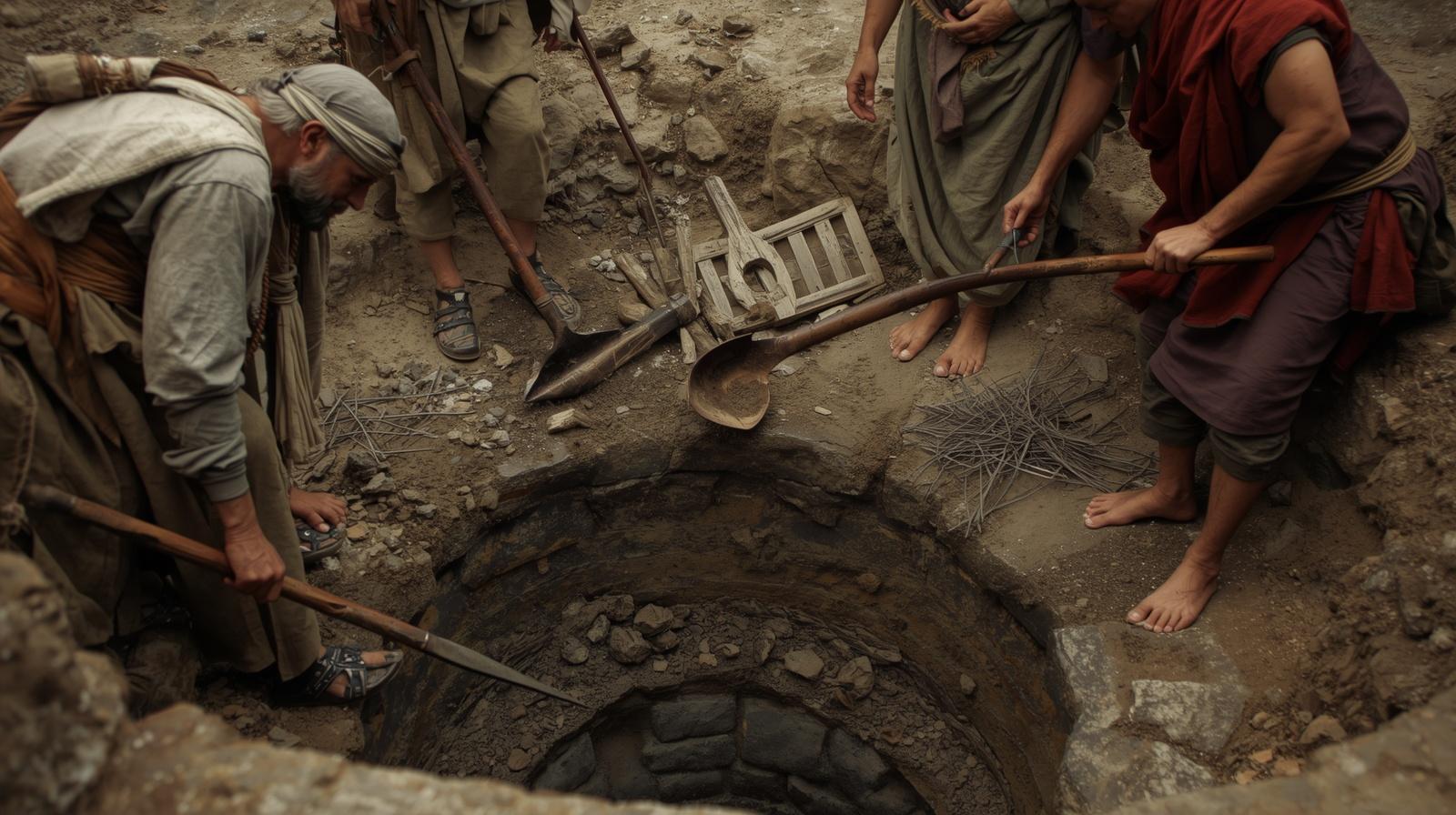
A well is one of humanity’s earliest water‑drawing facilities. Its primary function is to bring groundwater to the surface, supplying people with drinking water, irrigation, and everyday use. Because
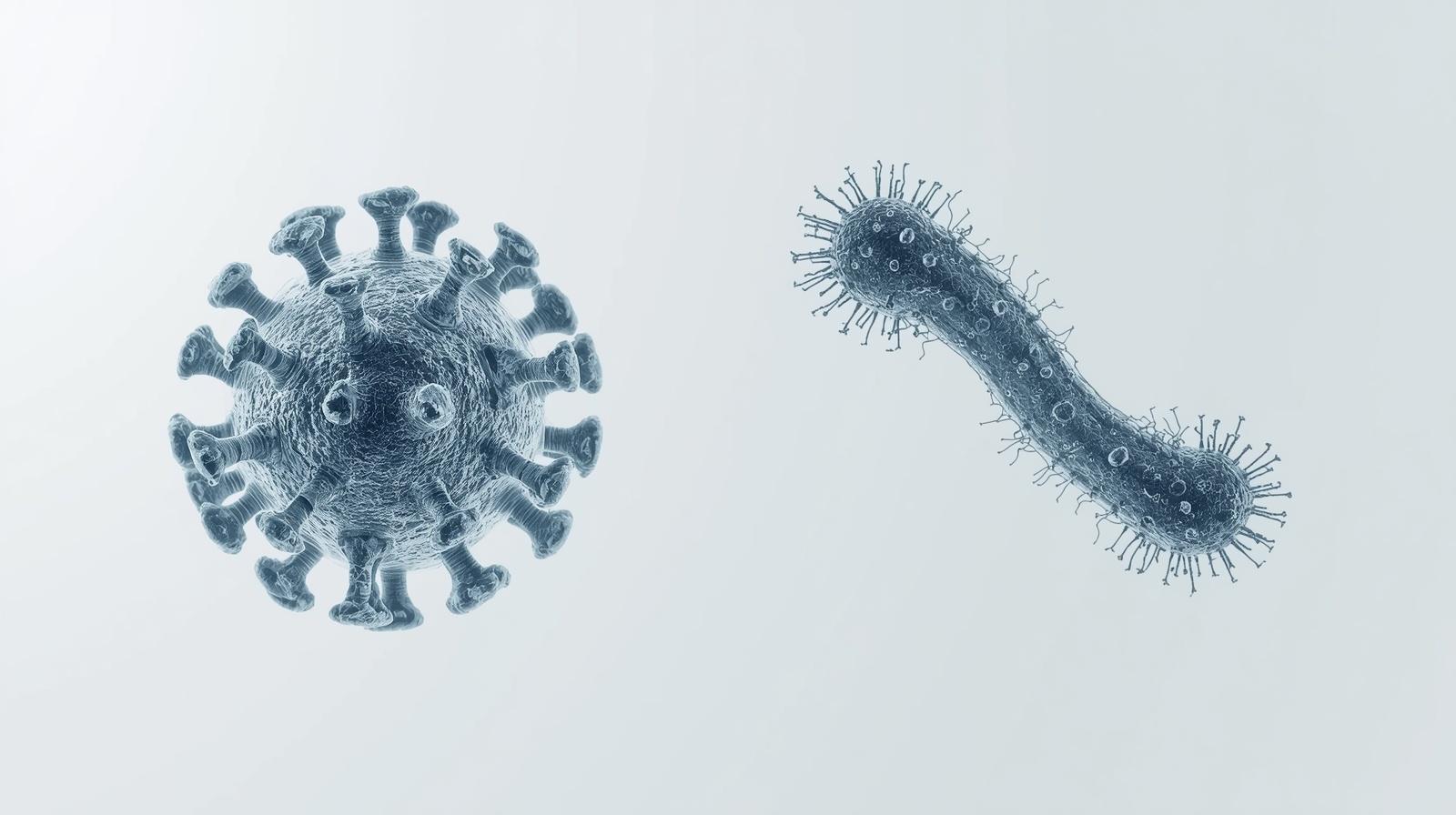
Many people tend to confuse “bacteria” and “viruses” when talking about them. Some believe that a common cold must be caused by a bacterial infection and that taking antibiotics will cure it; others
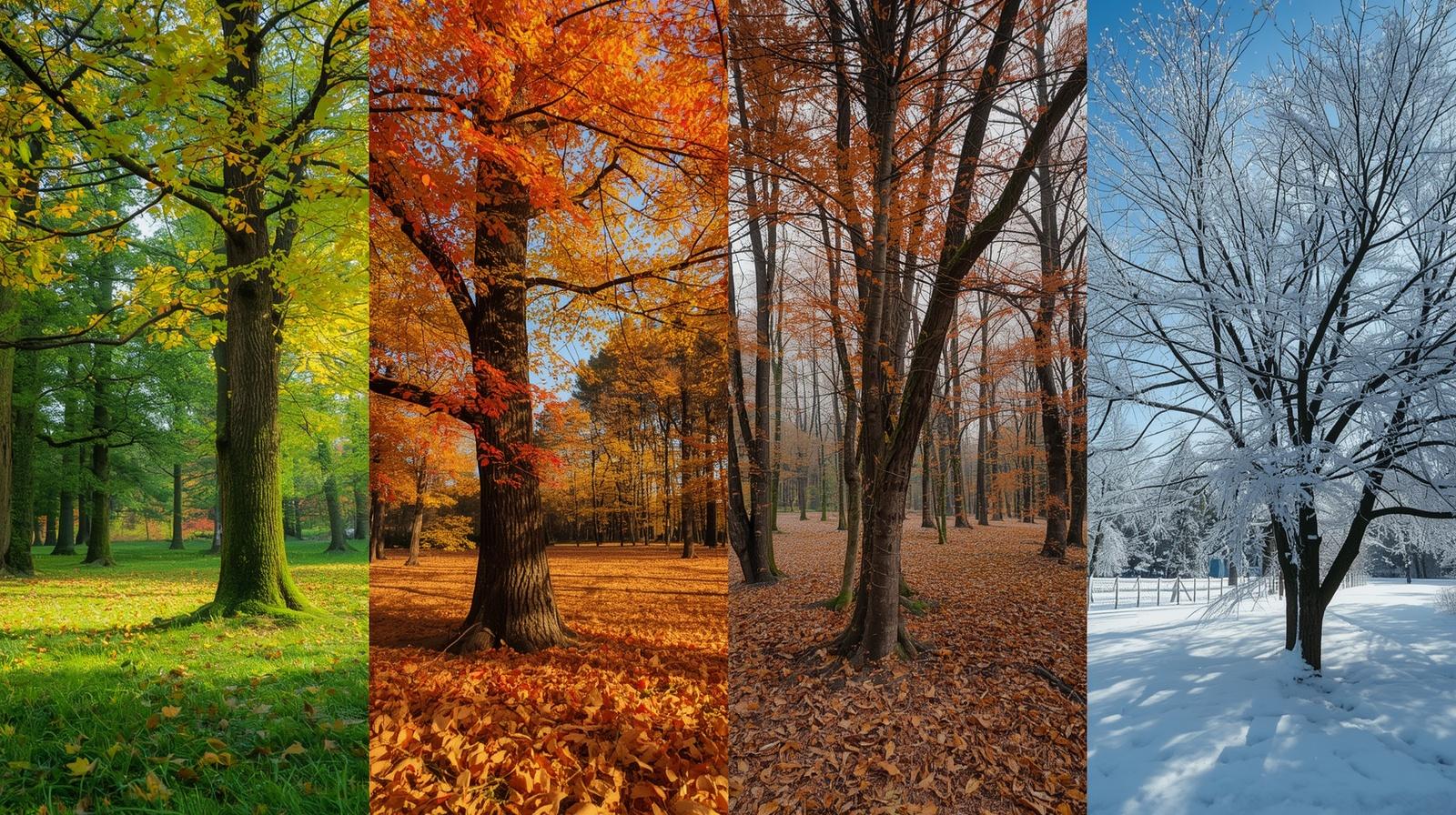
The tender green of spring, the heat of summer, the golden hues of autumn, and the chill of winter—people have long grown accustomed to this cycle. Yet how many have paused to wonder: what force lies
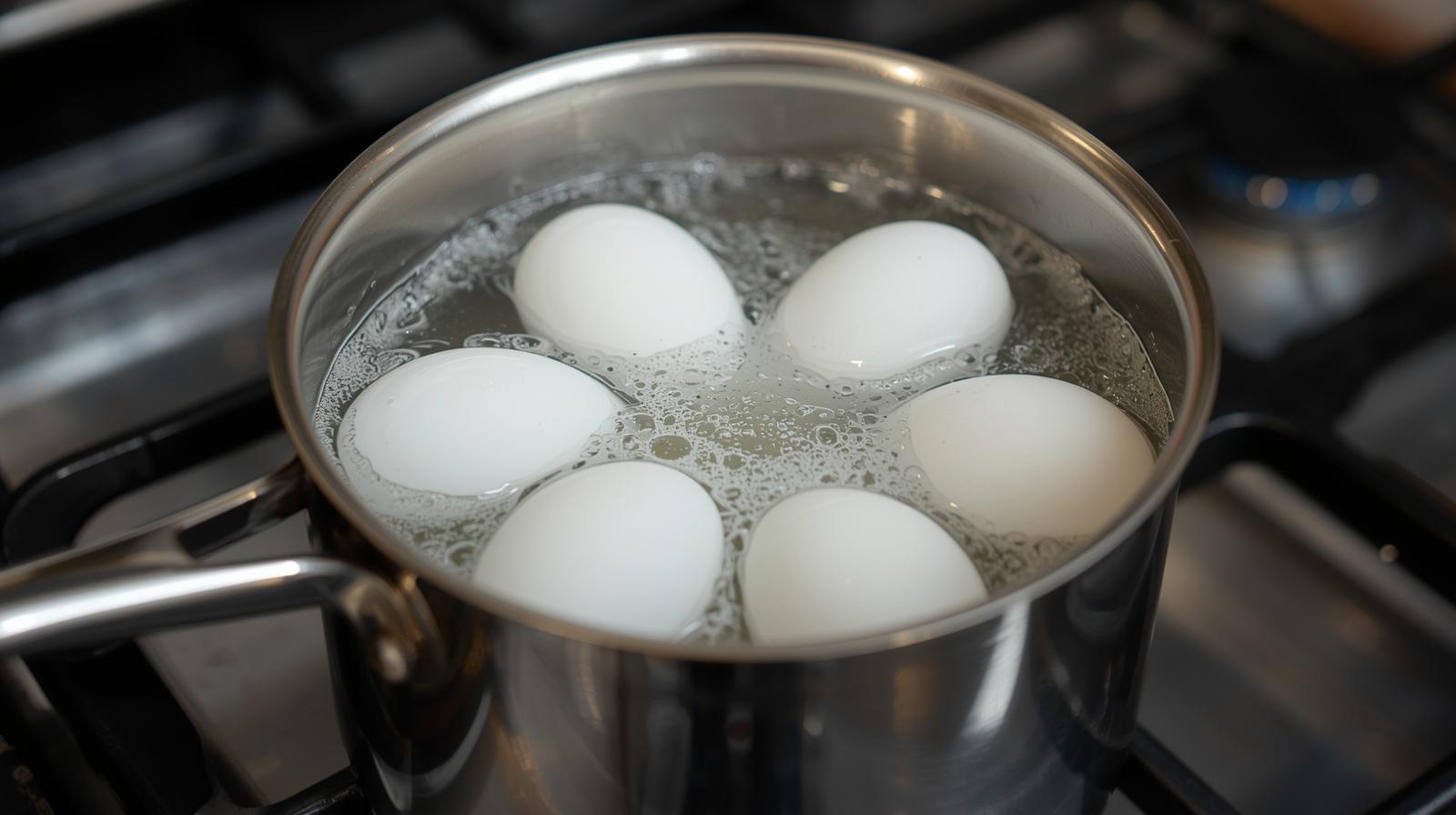
Eggs are a highly nutritious food. They contain high‑quality protein that provides the essential amino acids required by the human body. The yolk is rich in vitamins A, D, E, and K, as well as
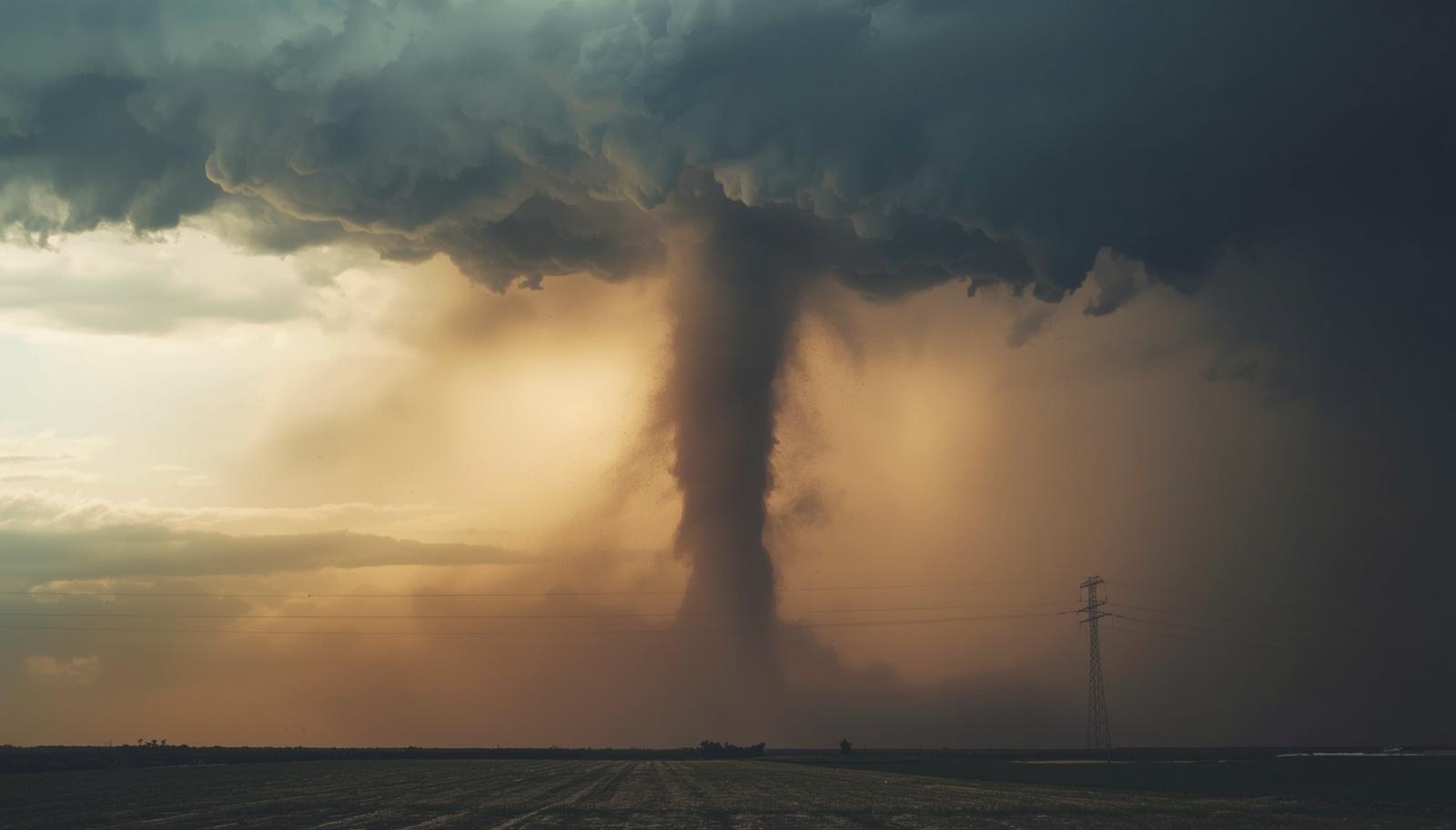
A tornado is an extreme weather phenomenon, essentially a rapidly rotating column of air formed within intense convective thunderstorm clouds. When warm, moist air collides violently with cold, dry
In human appearance, hair is often the most striking feature. It not only shapes our image but also carries cultural and aesthetic significance. Yet not everyone can maintain a full head of hair over



Follow us for quirky updates, fun discoveries, and a front‑row seat to the weird and wonderful world we live in.