

In everyday life we often hear the terms “sugar” and saccharide,” “carbohydrate” and “starch.” These words appear similar, yet they are easily confused. Is sugar the same as carbohydrate? Is carbohydrate simply starch? Are they merely different names for the same category, or do they in fact represent distinct levels of meaning?
What is even more intriguing is this: when we say “eating too much sugar is bad,” does “sugar” here refer specifically to sweet sucrose, or to saccharides in the broader sense? And the word “carbohydrate” itself can encompass both starch and sugars—so how exactly should the relationship between starch and sugar be defined?
Monosaccharides are the most fundamental molecular structures of carbohydrates, often described as the “smallest unit of saccharides.” They can be directly absorbed by the body and provide energy without needing to be broken down into smaller molecules. Common examples include glucose, fructose, and galactose.
In terms of food sources, glucose is frequently found in honey and fruits; fructose is the primary contributor to sweetness in many fruits such as apples, grapes, and pears; galactose often combines with glucose to form lactose, which is present in milk and dairy products. These monosaccharides are not only immediate sources of energy but also play crucial roles in metabolic processes.
Interestingly, although they all belong to the category of monosaccharides, they differ in sweetness intensity, absorption rate, and metabolic pathways.
Disaccharides are a class of saccharides formed when two monosaccharide molecules are chemically bonded together, essentially functioning as a “two‑unit combination” of sugar. In the digestive system, they must first be broken down into monosaccharides before they can be absorbed by the intestine and converted into energy. Common disaccharides include sucrose (composed of glucose and fructose), lactose (composed of glucose and galactose), and maltose (composed of two glucose units).
As for food sources, sucrose is the table sugar we use daily, widely present in sweets and beverages; lactose is found mainly in milk and dairy products and is often discussed in relation to lactose intolerance; maltose is commonly found in sprouted grains and during the brewing of beer.
Although disaccharides are structurally nothing more than pairs of monosaccharides, the specific combinations give rise to markedly different properties—such as sweetness intensity, rate of digestion, and physiological effects on the human body.
 When consumed in excess, fructose from fruit is directly converted into fat in the liver. However, eating whole fruits provides dietary fiber, which slows sugar absorption and promotes satiety. By keeping daily intake to about two fist‑sized portions and avoiding fruit juice, one can enjoy the health benefits of fruit without increasing the risk of weight gain.
Oligosaccharides are saccharides composed of three to ten monosaccharide units, with a structure that lies between simple sugars and polysaccharides. During digestion, they are not all broken down and absorbed by the human body: the portion that can be absorbed is converted into energy for immediate use, while the unabsorbed portion passes into the large intestine (since the body cannot break it down), where it serves as a prebiotic—essentially food for beneficial gut bacteria, a kind of “feast” for the microbiota.
These probiotics ferment oligosaccharides during breakdown, producing short‑chain fatty acids such as acetate, propionate, and butyrate. These compounds provide energy to intestinal cells, help maintain a healthy gut environment, and can also influence immune function.
In terms of food sources, oligosaccharides are widely present in legumes (such as soybeans and red beans), allium vegetables (onions, garlic, leeks), certain fruits (bananas, apples), as well as whole grains and chicory root. Fructo‑oligosaccharides (FOS) and galacto‑oligosaccharides (GOS) are the most common types; beyond natural foods, they are often added to infant formula and dietary supplements to support the balance of gut microbiota.
The distinctive feature of oligosaccharides is that they do not primarily provide energy directly. Instead, they promote health indirectly by “feeding” intestinal bacteria. This underscores the idea that sugars are not merely sources of calories—some act as modulators of the gut ecosystem, influencing immunity, digestive function, and potentially exerting profound effects on overall health.
Polysaccharides are saccharides composed of more than ten monosaccharide units linked together by chemical bonds. Their structures are large and complex, typically forming long chains or branched configurations. Because of their high molecular weight, they must first be gradually broken down by enzymes into smaller fragments during digestion, and ultimately into monosaccharides, before they can be absorbed by the intestine, enter the bloodstream, and serve as sources of energy.
This “break‑down before absorption” process means that polysaccharides are utilized more slowly in the body compared to monosaccharides or disaccharides, allowing them to provide a more sustained release of energy.
Polysaccharides are widely present in everyday foods. Beyond staple items such as rice, noodles, corn, and potatoes, they are also found in mushrooms, seaweed, legumes, and certain root vegetables. Some polysaccharides can be directly digested into glucose and used as energy, while others undergo partial fermentation in the intestine, producing short‑chain fatty acids that indirectly support gut health.
When polysaccharides enter the human body, not all types can be broken down and absorbed. The portion that can be digested is essentially starch. In the mouth, starch is first cut into smaller fragments by salivary amylase; in the small intestine, pancreatic amylase further breaks it down into maltose; finally, other enzymes convert maltose into glucose. These glucose molecules are absorbed by the intestine, enter the bloodstream, and become the body’s primary source of energy.
The distinctive feature of starch is that it serves as the energy storage form in plants and is also the most important carbohydrate in the human diet. Compared with monosaccharides or disaccharides, starch undergoes a slower breakdown process, providing a steady and sustained release of energy and preventing blood sugar from rising too quickly. This “slow‑release energy” property makes starch essential for supporting daily activity and maintaining satiety over longer periods.
As for food sources, starch is widely present in plant‑based staples such as rice, noodles, corn, potatoes, sweet potatoes, and pumpkins. The structure of starch varies slightly among different foods: some types are more easily digested and can quickly replenish energy, while others break down more slowly, extending the supply of energy.
When polysaccharides enter the human body, those that cannot be broken down—primarily structural polysaccharides such as cellulose—become dietary fiber. These molecules cannot be cleaved into monosaccharides by enzymes in the small intestine, and therefore do not enter the bloodstream; instead, they pass directly through the digestive tract as dietary fiber.
The defining feature of fiber is that it does not provide energy, yet it plays an important role in the digestive system. It increases food bulk, stimulates intestinal peristalsis, aids bowel movements, and helps prevent constipation.
In addition, certain fibers undergo partial fermentation by gut microbiota in the large intestine, producing short‑chain fatty acids that nourish intestinal cells and help maintain microbial balance. Fiber also slows sugar absorption, assists in blood sugar control, and reduces cholesterol uptake, thereby supporting cardiovascular health.
As for food sources, fiber is widely found in vegetables, fruits, legumes, whole grains, nuts, and seeds. Different foods provide different types of fiber: vegetables and fruits are rich in soluble fiber, which forms gel‑like substances that slow digestion; whole grains and legumes contain insoluble fiber, which increases stool bulk and promotes intestinal regularity.
In scientific terms, sugars mainly refer to monosaccharides and disaccharides—the simplest forms of carbohydrates and the ones most readily absorbed and utilized by the human body.
Monosaccharides such as glucose, fructose, and galactose are the most basic molecular units; they can enter the bloodstream directly and provide immediate energy. Disaccharides, on the other hand, are formed by two monosaccharides joined together—for example, sucrose (glucose + fructose), lactose (glucose + galactose), and maltose (glucose + glucose). These must first be broken down into monosaccharides during digestion before they can be absorbed.
The defining feature of sugars is their ability to supply energy quickly. They are commonly found in sweet foods, fruits, honey, and dairy products. Beyond serving as energy sources, they also contribute sweetness, shaping our taste preferences. Compared with polysaccharides, sugars have smaller molecules and simpler structures, which makes them digest rapidly—explaining why eating sugar can immediately create the sensation of “energy replenishment.”
 Refined desserts contain high amounts of sugar yet provide almost no nutritional value, making them classic examples of “empty‑calorie” foods. Because sugar stimulates the brain to release pleasure signals, it can easily lead to dependence, trapping people in an addictive cycle of “the more you eat, the more you crave.
Carbohydrates are a broad class of organic compounds composed of carbon, hydrogen, and oxygen, and they represent the primary source of energy in the human diet. Their scope is extensive, encompassing all sugars (monosaccharides and disaccharides), oligosaccharides and polysaccharides, starch, and dietary fiber.
In terms of food sources, carbohydrates are found in nearly all plant‑based foods: fruits and honey provide monosaccharides and disaccharides; legumes, vegetables, and certain root crops contain oligosaccharides; rice, noodles, corn, potatoes, and sweet potatoes are major sources of starch; vegetables, fruits, whole grains, and legumes are rich in fiber. Although animal‑based foods do not directly supply starch, glycogen stored in the liver and muscles is also a type of polysaccharide.
In short, carbohydrates are a comprehensive category that includes sugars, oligosaccharides, polysaccharides, starch, and fiber, forming an indispensable cornerstone of the human diet.
| Name | Structure | Characteristics | Relationship | Food Sources |
|---|---|---|---|---|
| Monosaccharides | Single molecules, e.g., glucose, fructose | Simplest structure, directly absorbed, rapid energy supply | Fundamental units of all carbohydrates | Fruits, honey |
| Disaccharides | Two monosaccharides combined, e.g., sucrose, lactose, maltose | Must be broken down into monosaccharides before absorption, fast energy supply | Formed from monosaccharides, classified as sugars | Table sugar, milk, malt beverages |
| Oligosaccharides | 3–10 monosaccharides combined | Partially absorbed; unabsorbed portion serves as prebiotics in the gut | Intermediate between disaccharides and polysaccharides | Legumes, onions, garlic |
| Polysaccharides | More than 10 monosaccharides, large structures | Require gradual enzymatic breakdown; partly absorbed, partly indigestible | Most complex group of carbohydrates | Grains, root vegetables, leafy vegetables |
| Starch | A digestible polysaccharide | Broken down into glucose, provides sustained energy | A type of polysaccharide, major energy source among carbohydrates | Rice, noodles, corn, potatoes |
| Fiber | Indigestible polysaccharides (e.g., cellulose) | Not an energy source; promotes bowel movement and gut health | A polysaccharide, but indigestible, functions mainly in health maintenance | Vegetables, fruits, whole grains, legumes |
| Sugars | Monosaccharides and disaccharides | Simple structure, sweet taste, rapid energy supply | A subset of carbohydrates | Fruits, honey, dairy products, sweets |
| Carbohydrates | Includes all sugars, oligosaccharides, polysaccharides, starch, and fiber | Primary energy source for humans; combines energy supply and health functions | Umbrella concept covering sugars and all carbohydrate forms | Nearly all plant foods; glycogen in some animal tissues |
Refined sugar refers to monosaccharides or disaccharides obtained through industrial processing and purification. Its structure is simple and it contains almost no other nutrients. Common examples include white granulated sugar, rock sugar, syrups, and the added sugars found in sweets, pastries, soft drinks, and candies. During production, the natural fibers, vitamins, and minerals present in raw ingredients are removed, leaving only pure sweetness and energy.
Compared with naturally occurring sugars (such as fructose in fruits or lactose in dairy products), refined sugar has a simpler molecular structure and is absorbed extremely quickly. Once inside the body, it is rapidly broken down into glucose and enters the bloodstream, causing blood sugar to rise sharply in a short period and stimulating insulin secretion. While this fast energy release can produce a brief “energy surge,” it also leads to fluctuations in blood sugar, and long‑term excessive intake increases the risk of obesity, diabetes, and cardiovascular disease.
The defining characteristic of refined sugar is that it provides “pure energy with little nutrition.” Unlike the natural sugars in whole grains or fruits, which are accompanied by fiber and trace elements, refined sugar delivers only calories. This is why nutrition science often emphasizes limiting refined sugar consumption, to avoid placing an excessive burden on blood sugar regulation in a short time.
In other words, refined sugar is a “processed quick‑acting sugar,” commonly found in sweets, beverages, and processed foods. Its key difference from natural sugars lies in the absence of accompanying nutrients: although it can rapidly replenish energy, overconsumption becomes a metabolic burden and a health risk.
Resistant starch is a special form of starch. Although it is chemically classified as a polysaccharide, it is not easily broken down by enzymes during human digestion, and therefore does not rapidly convert into glucose like ordinary starch. In other words, it “resists” digestion in the small intestine and passes directly into the large intestine, where it serves as nourishment for gut microbiota.
Compared with regular starch, the key difference lies in the speed and manner of digestion and absorption. Ordinary starch is quickly broken down into glucose and provides energy; resistant starch, however, is not immediately absorbed. Instead, it behaves more like dietary fiber, undergoing partial fermentation by gut bacteria to produce short‑chain fatty acids.
Resistant starch is found in certain foods, such as unripe bananas, legumes, oats, whole grains, and cooked then cooled potatoes or rice. Under specific conditions, the starch in these foods transforms into resistant starch, enhancing their nutritional value.
Once resistant starch enters the body, it does not provide immediate energy but slows the rise of blood sugar, increases satiety, and supports gut health through microbial activity. From a nutritional perspective, it is a carbohydrate that combines the properties of both starch and fiber—contributing to energy metabolism while also playing a role in intestinal well‑being.
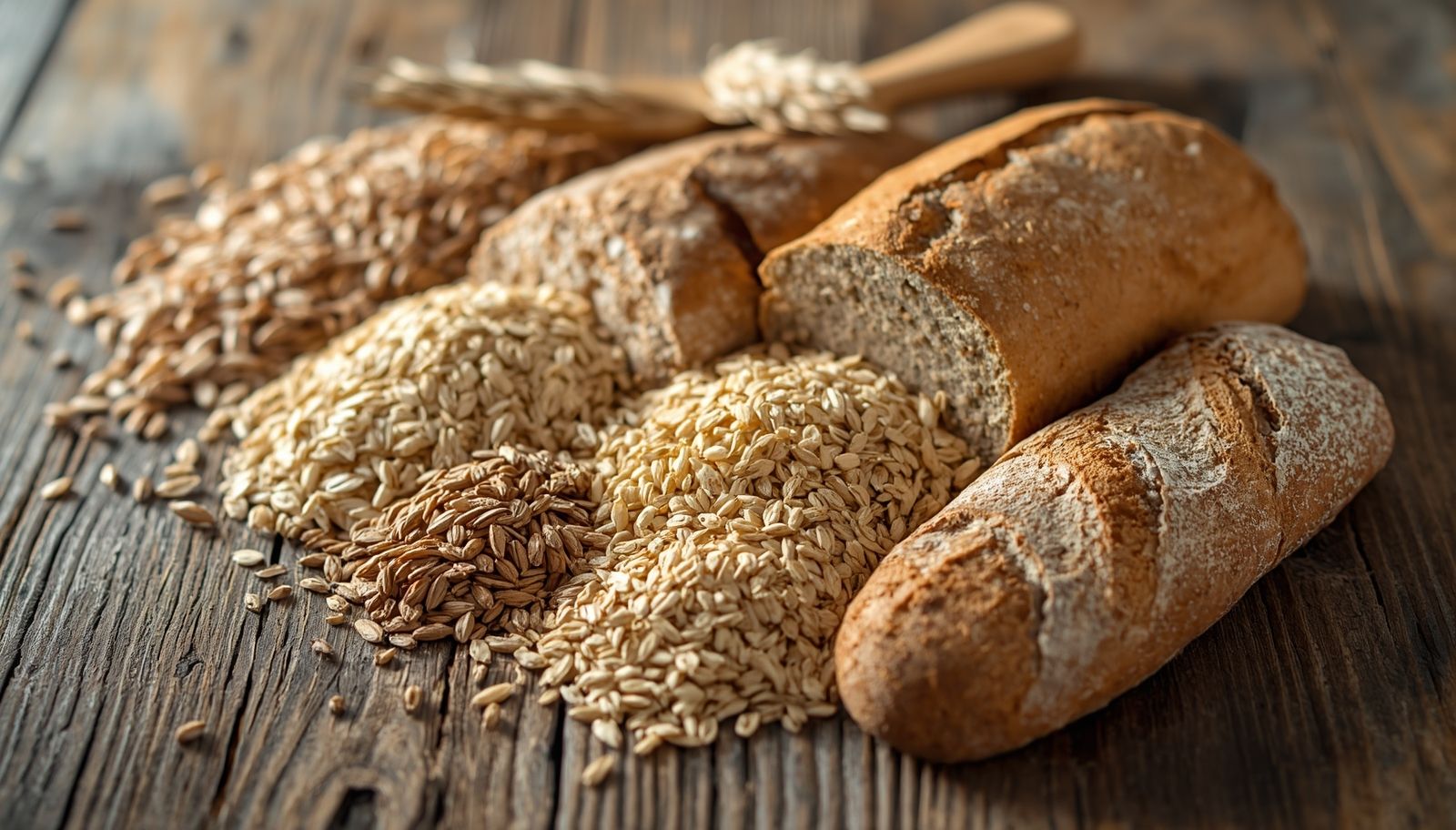 Consuming more complex carbohydrates is highly beneficial to the body. Because they require a longer time to digest, they help prevent sharp fluctuations in blood sugar and provide a more sustained sense of fullness.
We leverage big data to bring you the most fascinating and mind-blowing trivia. Follow us for regular updates—prepare to be amazed while leveling up your knowledge.


Giant cruise ships, cargo vessels, and oil tankers may weigh hundreds of thousands of tons, yet they can still travel freely across the sea. By contrast, a stone with a volume and weight far smaller

Earthquakes often exact a heavy toll, not only causing casualties but also destroying houses, roads, and infrastructure, plunging entire communities into chaos and loss. In an instant, people may

During the Second World War, the Manhattan Project, led by American theoretical physicist Robert Oppenheimer, successfully produced the world’s first atomic bomb. The first test was conducted on July

Many people tend to confuse “bacteria” and “viruses” when talking about them. Some believe that a common cold must be caused by a bacterial infection and that taking antibiotics will cure it; others

Antibiotics are a class of drugs specifically designed to combat bacteria. They interfere with vital bacterial processes, such as damaging the cell wall, blocking protein synthesis, or disrupting DNA

A tornado is an extreme weather phenomenon, essentially a rapidly rotating column of air formed within intense convective thunderstorm clouds. When warm, moist air collides violently with cold, dry

The polar realms, shrouded in relentless cold and endless mystery, remain territories that most people will never set foot upon in their lifetime. The Antarctic and the Arctic lie at opposite ends of

In everyday life, showering is a time for relaxation, cleansing, and even reflection. Yet there is one seemingly trivial question that often sparks debate: should you urinate while showering? Some


Follow us for quirky updates, fun discoveries, and a front‑row seat to the weird and wonderful world we live in.