
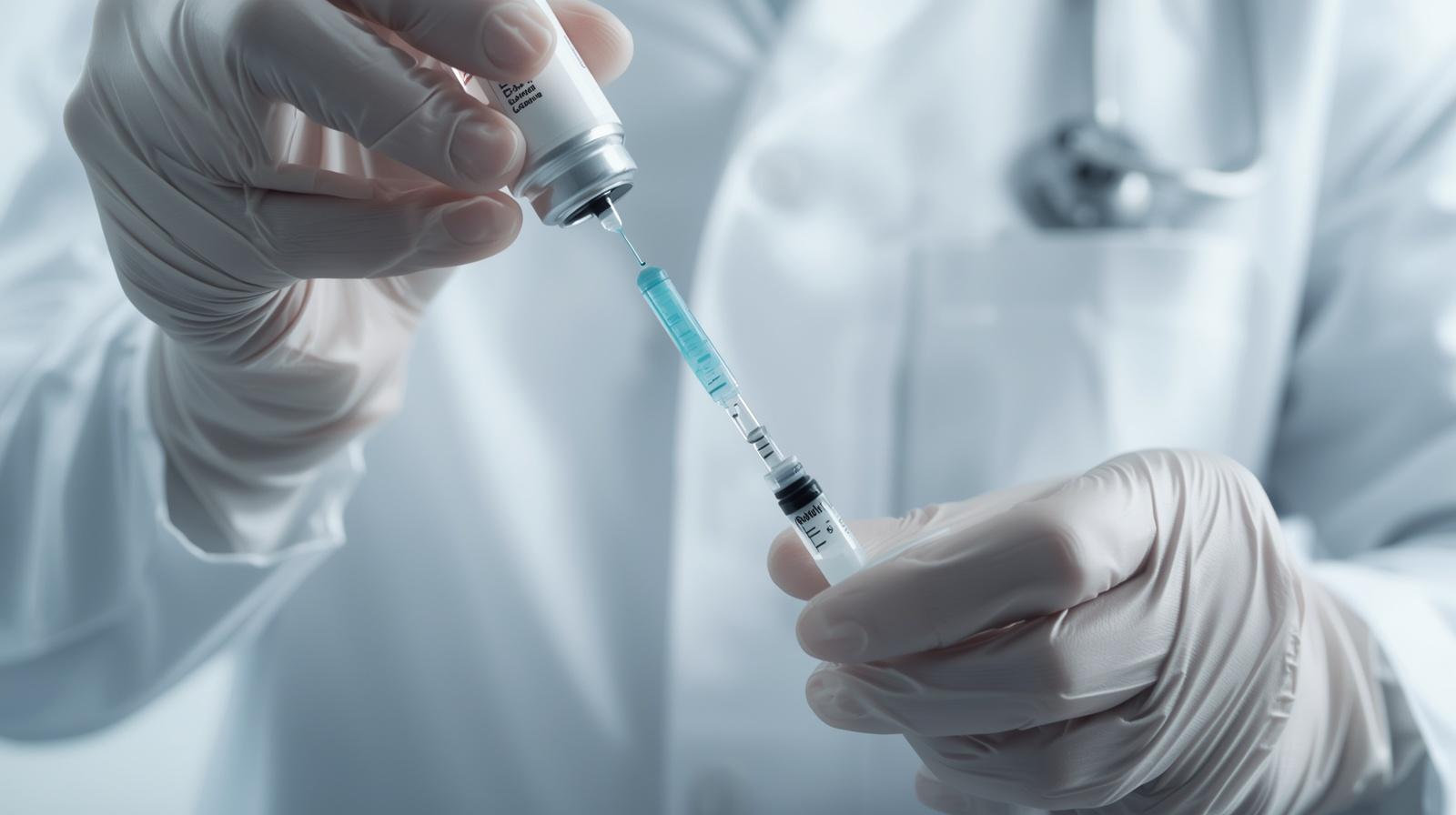
A vaccine is a specially designed medical tool whose purpose is not to directly cure disease, but to “pre-train” the immune system so that the body can respond more quickly and effectively when it encounters a real pathogen. It functions like a rehearsal exercise, allowing the immune system to become familiar with the enemy in advance.
Yet this raises several intriguing questions: Does vaccination mean injecting the virus directly into the body? If someone becomes infected and recovers, their body naturally produces antibodies—so why is there still a need to receive a vaccine?
A virus is a microorganism that requires a host cell in order to reproduce. It lacks an independent metabolic system and can only replicate itself by invading a cell and exploiting its machinery. The surface of a virus typically carries distinctive molecular structures known as antigens. These antigens signal to the immune system that the virus is “non-self,” marking it as an invader.
Once antigens enter the body, the immune system initiates a response. Immune cells transmit the antigen signal, prompting lymphocytes to produce highly specific antibodies. These antibodies bind precisely to the antigens, locking onto their targets, preventing the virus from infecting new cells, or tagging them so that other immune cells can destroy them more efficiently.
When a virus or antigen is tagged by antibodies, it is essentially marked with an “identification label.” This label enables other defense units of the immune system to locate the target more quickly and take action. Phagocytes will prioritize engulfing and breaking down pathogens coated with antibodies, while the complement system is activated to further damage the pathogen’s outer structure or enhance phagocytosis.
Through this process, antibodies not only block pathogens from invading cells but also expose them to the immune system, making the overall defensive response more efficient.
The principle of vaccines lies in “mimicking pathogens” to stimulate the immune system. The antigenic signals they provide may come from processed viral fragments, proteins, or genetic segments. These components do not cause disease themselves, but they are sufficient to trigger an immune response. When immune cells recognize these antigens, they activate defensive mechanisms, producing specific antibodies while simultaneously generating memory lymphocytes.
The formation of immune memory is the most important outcome of vaccination. These memory cells can persist in the body for a long time, and when the body later encounters the actual pathogen, they can rapidly recognize it and initiate defense, enabling the immune system to produce large amounts of antibodies in a short period. This “rapid response” greatly reduces the likelihood of disease outbreaks and also lessens the severity of symptoms.
The main categories of vaccines today include:
Although these vaccines differ in their technological approaches, their core purpose is the same—to provide the immune system with a rehearsal, enabling it to respond quickly and effectively when confronted with the actual pathogen.
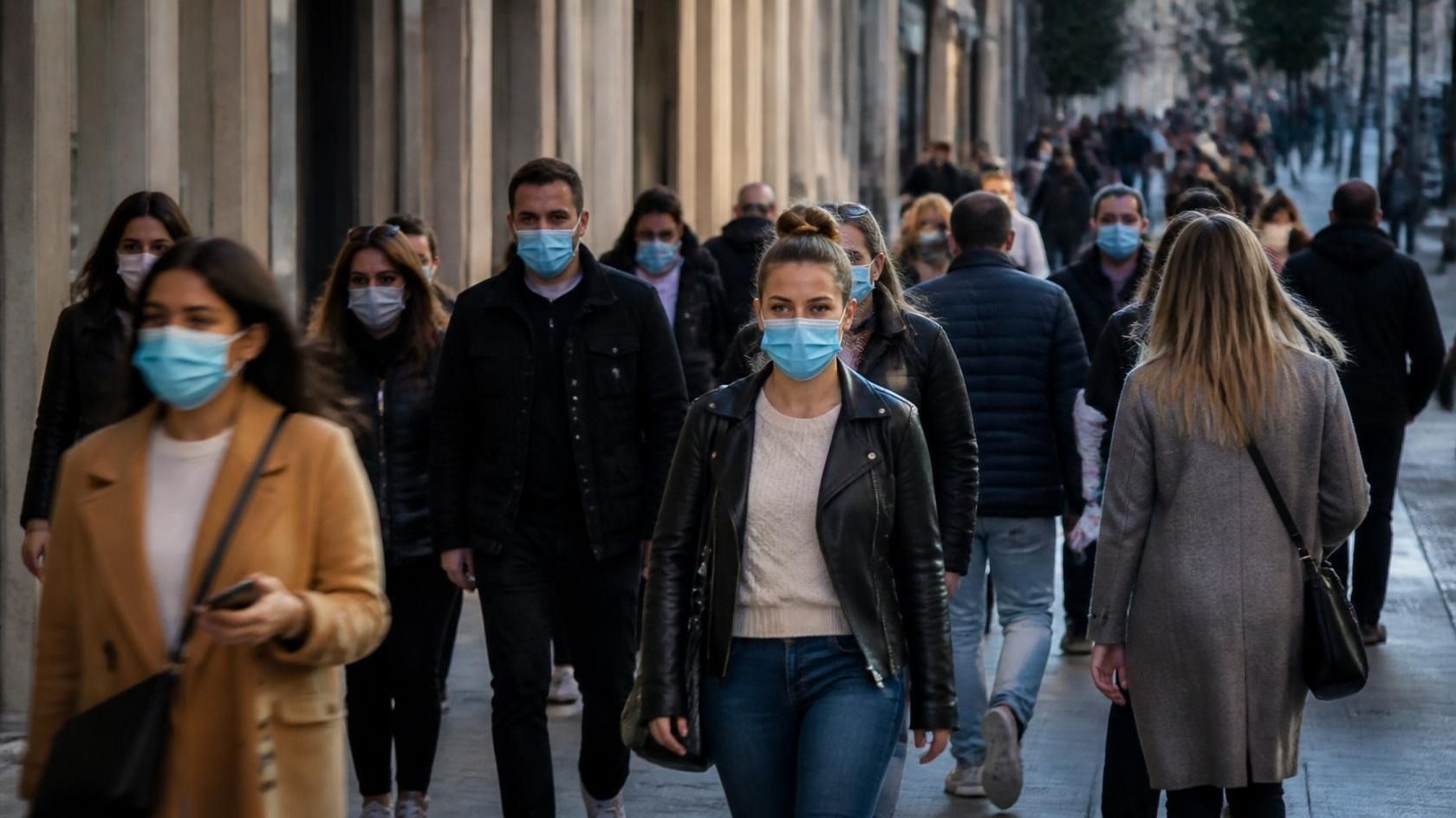 In 2019, as COVID‑19 swept across the globe, mRNA nucleic acid vaccine technology emerged as the most prominent innovation of the time—marking the first large‑scale deployment of this next‑generation approach in real-world practice.
Modern vaccines are designed with rigorous safety standards. They do not transform into actual viruses inside the body, because their components are carefully processed: live attenuated vaccines contain pathogens weakened to the point where they cannot cause disease; inactivated vaccines use pathogens that have been completely killed, serving only as antigenic signals; and subunit, nucleic acid, or vector vaccines employ only partial structures or genetic fragments of the pathogen, which lack the full functionality of a virus.
In addition, any trace amounts of toxins or auxiliary substances that may remain in vaccines can be metabolized and eliminated by the body, preventing long-term accumulation or ongoing harm.
In other words, vaccines work by “simulating” the features of a pathogen to train the immune system to build memory, rather than introducing a complete virus into the body. This is precisely why vaccines can safely prepare the immune system, protecting people from actual infection while keeping side effects within controllable limits.
The drawback of immunity acquired through natural infection is that it comes at the cost of “real infection.” When a pathogen enters the body and multiplies extensively, the immune system can indeed learn and establish memory, but the process carries significant risks. Many individuals may suffer severe illness during infection, which can even lead to organ failure or death. In other words, gaining immunity requires enduring the harm of the disease itself—a price that often far outweighs the benefits of immunity.
When pathogens spread rapidly within a community, some people may recover and develop immunity, but at the same time, large numbers of severe cases, hospitalizations, and deaths can occur, overwhelming healthcare systems. Shortages of hospital beds and overburdened medical staff can prevent patients with other conditions from receiving timely treatment, further intensifying the public health crisis.
Moreover, the immune protection generated by natural infection is inconsistent. Some individuals may develop high and long-lasting antibody levels, while others mount insufficient responses, leaving them vulnerable to severe illness upon reinfection. This variability makes it difficult to establish stable herd immunity, allowing the virus to continue circulating in the community and increasing opportunities for mutation. Once mutations arise, they may produce strains that are more transmissible or more lethal, thereby amplifying public health risks.
Therefore, relying on natural infection to gain immunity is not only a high‑risk gamble for individual health, but also a potential trigger for healthcare collapse and prolonged outbreaks, becoming a major public health crisis. Vaccination benefits not just the individual but also represents a collective responsibility. Even for those who have already been naturally infected, receiving a vaccine afterward still provides advantages.
When a person experiences natural infection and then receives vaccination, the immune system acquires both “battlefield experience” and “simulated training,” a dual memory known as hybrid immunity. This condition strengthens and broadens the immune response.
During natural infection, the immune system confronts the full pathogen directly, generating a diverse range of antibodies. Vaccination, on the other hand, delivers precise antigenic signals that further reinforce and expand immune memory. Combined, these mechanisms enable the immune system not only to recognize pathogens more rapidly but also to produce higher‑quality, broader “super antibodies,” enhancing its ability to combat different variants more effectively.
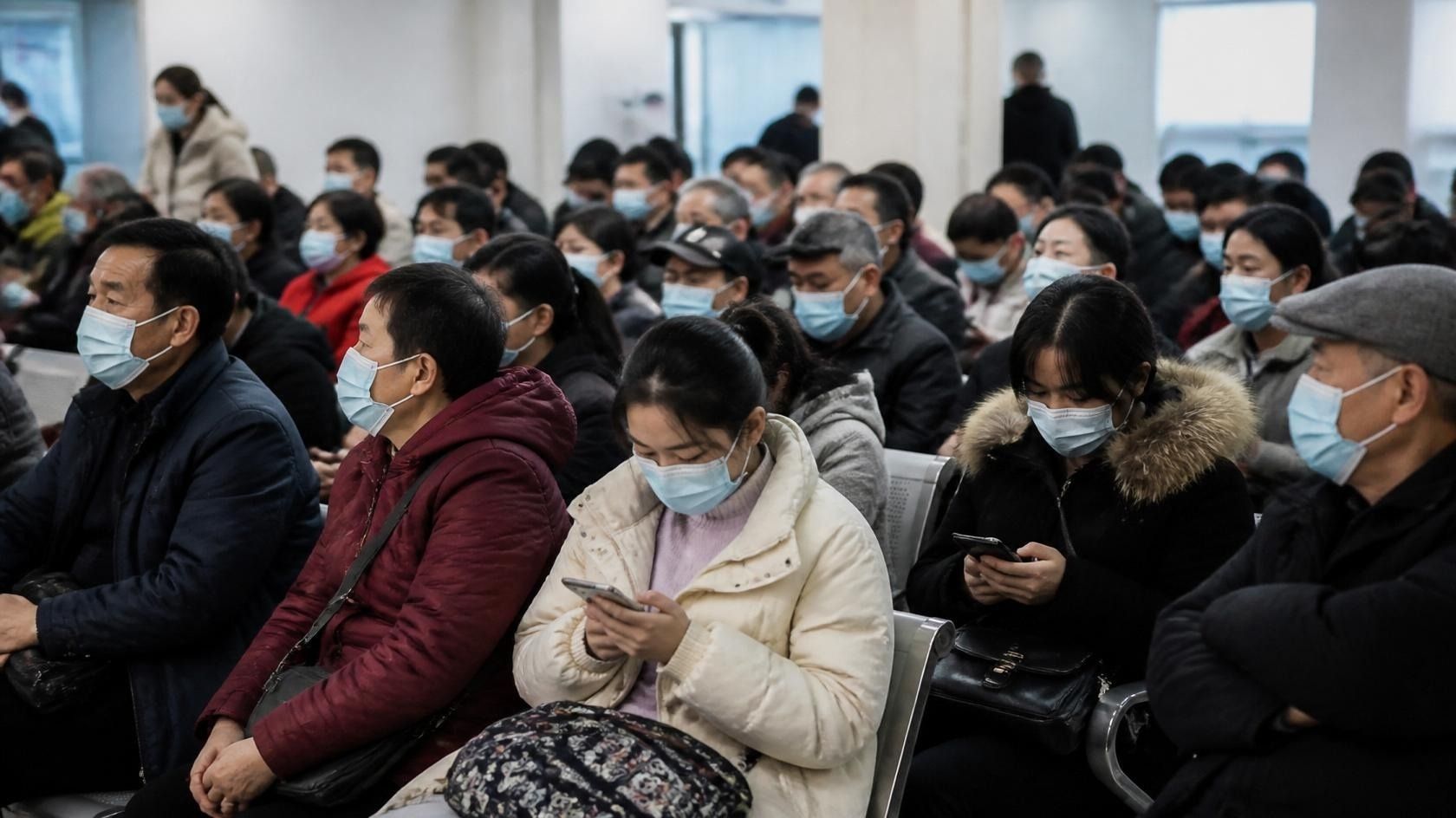 If hospital resources become saturated and the healthcare system fails, it could trigger a severe public health crisis.
No matter how powerful a vaccine may be, its essence lies in stimulating the immune system to produce antibodies and memory cells. In other words, it merely provides an “exercise,” while the true defense is carried out by our own immune system. If the immune system is weak, even vaccination may not yield an ideal response; conversely, if the immune system is strong, the protection established by the vaccine can be expressed more effectively.
Building a robust immune system depends on maintaining overall health. A balanced diet supplies immune cells with essential nutrients, particularly proteins, vitamins, and minerals; sufficient sleep allows the immune system time to repair and recalibrate; regular exercise promotes circulation, enabling immune cells to reach sites of defense more efficiently; and reducing stress prevents long-term strain from weakening immune function. These lifestyle foundations are what keep the immune system operating at high efficiency.
Thus, the relationship between vaccines and the immune system is like the union of “external training” and “internal strength.” Vaccines provide guidance and memory, while the immune system is the executor. Only by cultivating a resilient immune system can the protection offered by vaccines truly reach its fullest potential.
We leverage big data to bring you the most fascinating and mind-blowing trivia. Follow us for regular updates—prepare to be amazed while leveling up your knowledge.


Majestic mountain ranges bring extraordinary landforms to the Earth. From an initial stretch of flat ground to towering peaks that pierce the clouds, how did they rise from beneath the surface and

Bees are among the most familiar insects to humans. They flutter among flowers, collecting nectar, and often appear to embody diligence and charm. Yet behind this gentle exterior lies a harsh law of
The most captivating aspect of twins lies in their striking resemblance in appearance. When encountering twins in a crowd, the first impression is the shock of seeing two faces that look almost

In everyday life we often hear the terms “sugar” and saccharide,” “carbohydrate” and “starch.” These words appear similar, yet they are easily confused. Is sugar the same as carbohydrate? Is

The tender green of spring, the heat of summer, the golden hues of autumn, and the chill of winter—people have long grown accustomed to this cycle. Yet how many have paused to wonder: what force lies

Static electricity is a peculiar natural phenomenon. It seems to make objects cling to each other out of nowhere, and at times it suddenly releases energy, producing a sharp sting as if one has been

Eggs are a highly nutritious food. They contain high‑quality protein that provides the essential amino acids required by the human body. The yolk is rich in vitamins A, D, E, and K, as well as

Venice is a city in northeastern Italy, lying close to the Adriatic Sea. What makes it unique is that the entire city is composed of numerous small islands, separated by canals, linked by bridges,



Follow us for quirky updates, fun discoveries, and a front‑row seat to the weird and wonderful world we live in.