
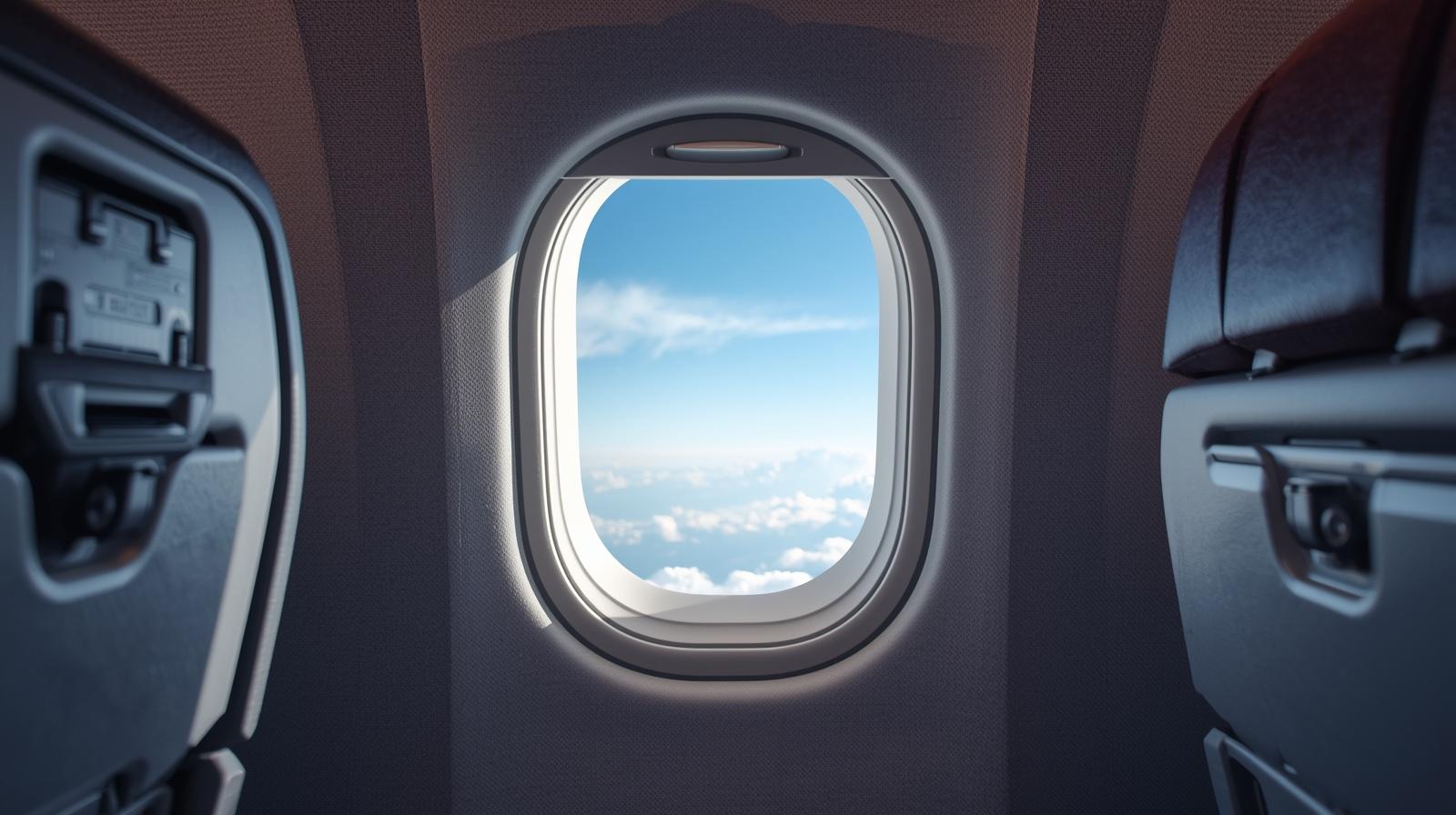
When an airplane is about to take off, flight attendants always remind us of different things or ask us to do certain actions. What is the reason behind these instructions? When the plane is preparing for takeoff and landing, the crew will always ask us to open the window shades. Is it because they want us to enjoy the magnificent view?
In fact, the most dangerous or accident-prone moments of a flight are during the few minutes of takeoff and landing. Opening the shades at these times allows passengers and crew to readjust their eyes to the strong outdoor light. Just like when we stay indoors for a long time and then step outside, the sudden sunlight can make us squint and it takes several seconds to adapt. But in the event of an accident, those seconds are critical escape time. That is why flight attendants ask us to open the shades in advance during takeoff and landing. If an accident occurs, everyone can evacuate without their vision being impaired, and no golden opportunity will be missed because of delayed adaptation. For this reason, many planes also deliberately dim the cabin lights at these times, so passengers and crew can adjust more quickly and see outside more clearly.
In addition, opening the shades allows passengers and crew to see and understand the situation outside. If an accident happens, they can know what has occurred and which direction to escape. During takeoff and landing, flight attendants also ask us to stow the tray tables. This is because if an accident occurs, passengers can leave their seats immediately and head toward the escape route. Otherwise, in a panic, they might struggle to close the tray table, blocking their exit, or the table left open might obstruct and injure other passengers trying to pass.
By the way, why is there a small hole at the bottom of airplane windows? In fact, airplane windows are made of three layers: inner, middle, and outer. The inner and outer layers bear the internal and external pressure, while the middle layer serves as a protective buffer. The small hole at the bottom allows tiny, controlled airflow to pass through, balancing the pressure between the cabin and outside, preventing the window from cracking under excessive stress. The hole also balances temperature differences, preventing water droplets or fog from forming on the glass and blocking visibility.
For many people, losing weight feels like a lifelong mission. In today’s world of abundance, food shortages are no longer a concern. Instead, overnutrition has led to widespread obesity. Many people

Summer is hot, winter is cold. The seasonal changes we observe from childhood to adulthood greatly shape our lives. What force lies behind this fascinating phenomenon? The answer is the Sun. In

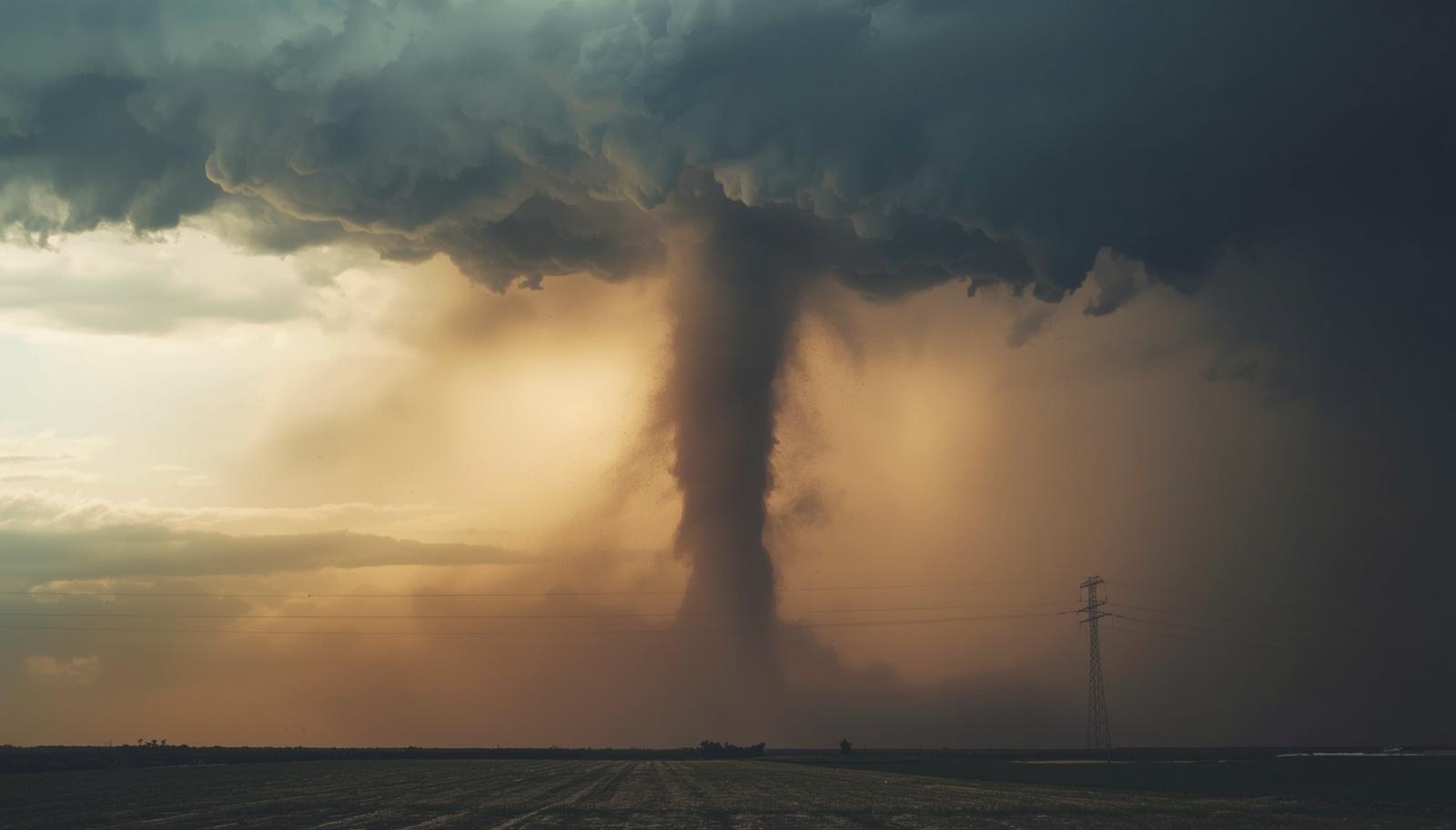
A tornado is an extreme weather phenomenon, essentially a rapidly rotating column of air formed within powerful convective thunderstorms. When warm, moist air collides with cold, dry air, intense
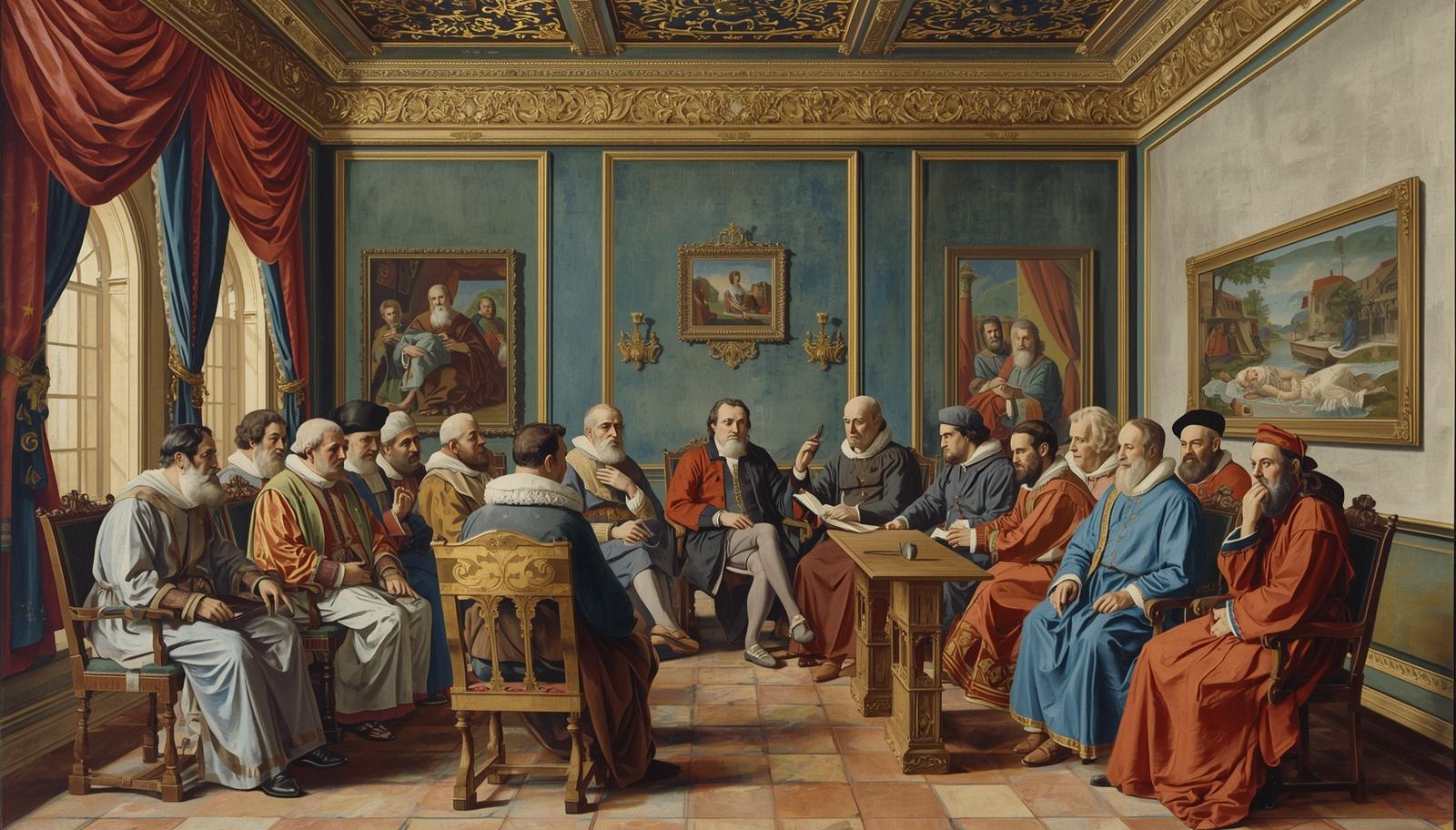
What culture and thought did the Renaissance truly aim to revive? Why did the course of history bring about the necessity of such a “rebirth”? And what form did human society take during the Middle
The Maya civilization was once highly advanced, achieving remarkable accomplishments in science and technology that surpassed many contemporary cultures. Yet, why was it still invaded and ultimately

Follow me for quirky updates, fun discoveries, and a front‑row seat to the weird and wonderful world we live in.