

Magnificent mountain ranges bring unique landscapes to Earth. Towering peaks that reach into the clouds were once flat land. How do they rise from underground and soar into the sky?
Let us first understand orogeny. Beneath Earth’s surface are two layers: the lithosphere and the asthenosphere. Simply put, the lithosphere lies above the asthenosphere, and is more rigid and solid. The asthenosphere, being closer to Earth’s core, has higher temperatures, so its material is more viscous, partially molten, and able to flow. Within the lithosphere, many tectonic plates float on the asthenosphere and move slowly. Because the core constantly releases extreme heat, convection occurs: hotter magma at the bottom of the asthenosphere rises, while cooler magma at the top sinks. The flowing magma rubs against the plates above, driving their movement. As plates move, friction, collision, compression, and pulling occur. When two plates converge and continue pressing against each other, the denser plate is forced beneath the other, creating a convergent boundary. With continued compression, rock layers bear the pressure, bend, and uplift. Depending on the scale and strength of plate motion, mountain ranges of different sizes and forms are eventually created.
On the other hand, because Earth’s core generates heat, the deeper it goes, the higher the temperature. Plates forced downward continue to subduct until they melt back into magma. As more rock descends, magma in that region increases, and gas pressure builds higher and higher. Eventually, the pressure can no longer be contained, and magma erupts upward to the surface, forming volcanoes. During eruptions, countless streams of magma flow out of the crater and accumulate, forming cone‑shaped structures called stratovolcanoes. Japan’s famous Mount Fuji is one such stratovolcano. If a volcano ejects a large volume of magma, the chamber beneath may become empty, and the crater may collapse, forming a sunken basin. This is a common volcanic landform known as a caldera. If the crater is a circular depression and the volcano is extinct, water may collect inside, creating breathtaking crater lakes.
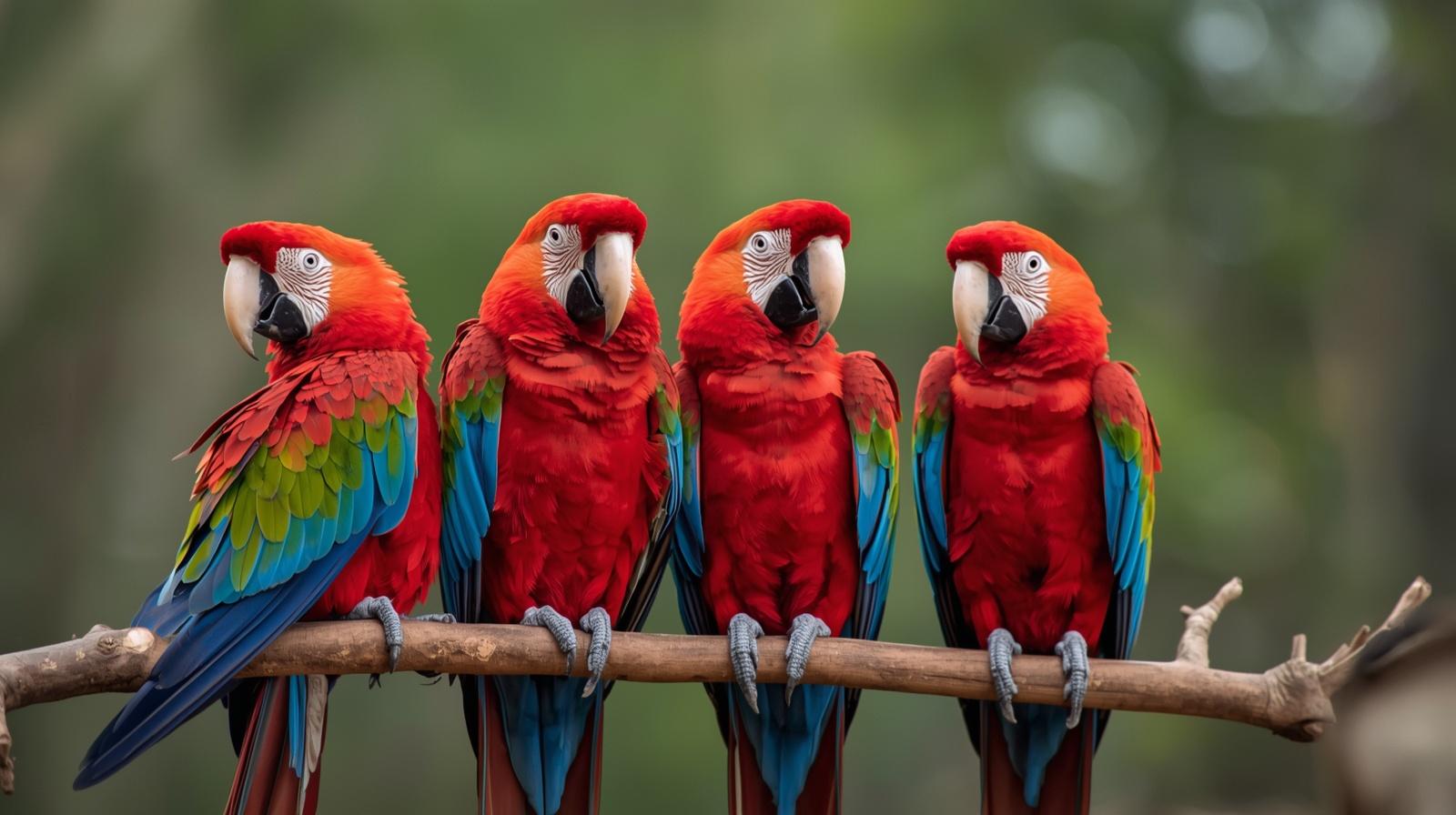
Many people know that parrots can mimic human speech—uttering single words, full sentences, and sometimes even speaking fluently. But how exactly do they manage this? Parrots use a special organ
Does vaccination mean injecting the virus into yourself? After all, it doesn’t necessarily cause illness. Even if someone becomes infected and later recovers, wouldn’t they also develop antibodies?

In daily facial care, many skincare brands and beauticians often emphasize the need for regular exfoliation. But what exactly are we removing when we exfoliate? Is it truly necessary? And what

Whether at a dinner gathering with friends or chatting freely at a bar, alcohol often seems inseparable from social life. Yet we often notice a phenomenon: after a couple of drinks, some people’s

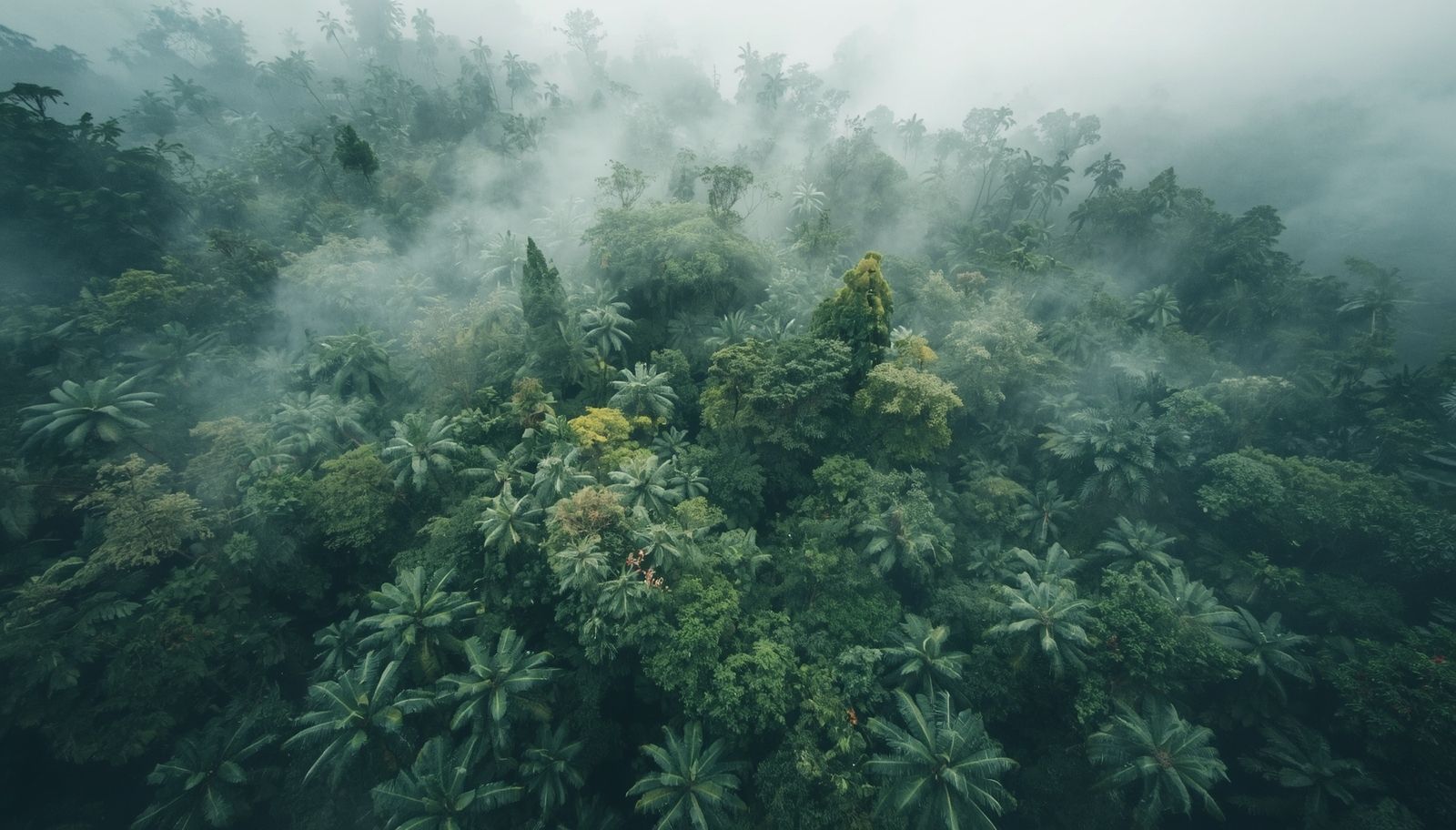
Stepping into the tropical rainforest, people are often astonished by the sheer size of its creatures: beetles as thick as a thumb, butterflies with wings as wide as a hand, and even frogs and ants
Follow me for quirky updates, fun discoveries, and a front‑row seat to the weird and wonderful world we live in.