
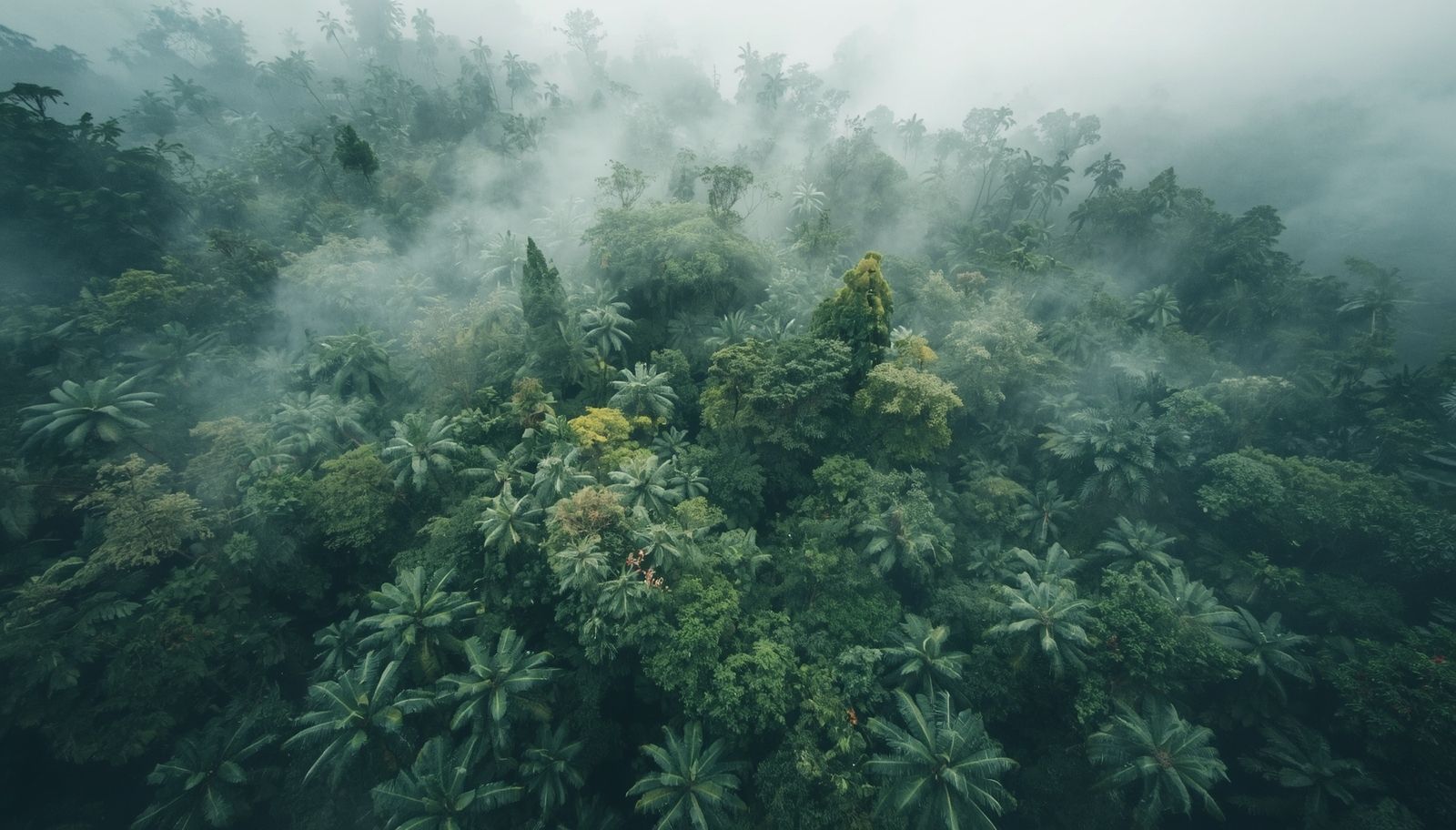
Stepping into the tropical rainforest, people are often astonished by the sheer size of its creatures: beetles as thick as a thumb, butterflies with wings as wide as a hand, and even frogs and ants that grow larger than their counterparts elsewhere. Why is it that, on the same planet, rainforest life appears so remarkably gigantic?
The tropical rainforest remains warm and humid throughout the year, with temperatures consistently ranging between 25 and 30 degrees Celsius and only minimal differences between day and night. There is virtually no cold season. This stable, high‑temperature environment allows plants and animals to sustain metabolism and growth continuously, without the need to enter winter dormancy as organisms in temperate or polar regions often do.
Rainfall in the rainforest is also remarkably frequent. Annual precipitation often reaches several thousand millimeters, with brief but intense downpours occurring almost daily. These rains not only maintain high atmospheric humidity but also keep the soil perpetually moist, creating a foundation that never dries out. Because rainfall is evenly distributed, plants can carry out photosynthesis year‑round, and animals can rely on a steady supply of food.
Such climatic conditions create a world without pauses. Life in the rainforest does not wait for spring to reproduce, nor does it slow down in winter. Instead, growth, reproduction, and competition continue relentlessly throughout the year.
In the tropical rainforest, the diversity and stability of food resources form one of the most important foundations of the ecosystem. Because the climate is warm and humid year‑round, plants can continuously flower and bear fruit, meaning that supplies of nectar, fruits, and tender leaves are rarely interrupted. Birds, primates, and insects can all find suitable food sources in different seasons, unlike organisms in temperate or polar regions that must endure winter scarcity.
Beyond the resources directly provided by plants, the rainforest also offers a vast array of secondary food sources. Insect populations are immense, serving both as consumers and as prey for other animals. Fish and amphibians thrive on the nutrients carried by the rainforest’s dense rivers and waterways. Large predators such as jaguars and anacondas feed on these medium‑sized animals. Together, these interactions create a tightly interwoven food web through which energy flows continuously across multiple levels.
Equally important is the spatial distribution of food resources. The canopy, understory, and forest floor each nurture distinct supplies: fruits and nectar high above, insects and vines in the middle layers, and fallen fruit, fungi, and decomposers on the ground. This vertical stratification allows different organisms to find their own niches within the same forest, ensuring that the rainforest remains a stage where life of all sizes can flourish.
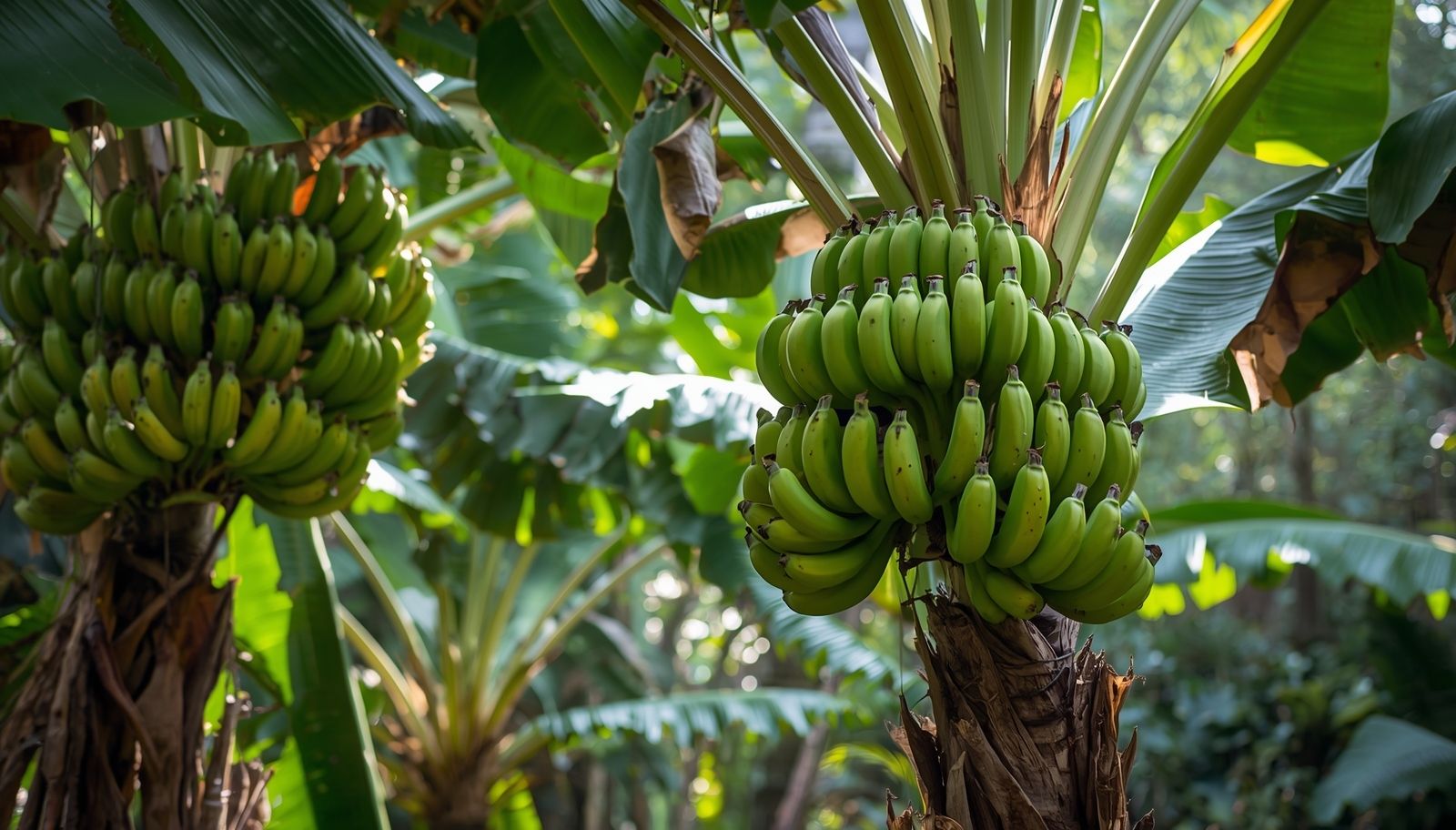 Bananas are a common food in rainforests
In the rainforest, the pressure of foraging is a major force driving organisms to grow larger. Although resources may appear abundant, in reality thousands of species simultaneously depend on nectar, fruits, leaves, or decaying matter, creating intense competition.
Larger‑bodied organisms often gain an advantage in such an environment. They can reach farther to access more flowers or fruits, break through thick rinds or tough shells that smaller creatures cannot exploit, and carry or store greater amounts of food. A larger body also means stronger transport and storage capacity—for instance, large ants can haul prey or seeds many times their own weight, reducing the frequency of foraging trips and improving efficiency.
The rainforest’s consistently warm and humid climate ensures a relatively stable food supply, allowing the energy demands of larger bodies to be met continuously. When resources are plentiful, evolutionary pressures tend to favor individuals capable of exploiting more food, and these are often the larger ones. Over time, the combined effects of foraging competition and resource availability have driven a trend toward gigantism, making large body size an advantageous strategy for energy acquisition and survival.
In the rainforest, organisms face immense pressure from being preyed upon. With high species diversity, competitors and enemies coexist, making self‑defense one of the core strategies for survival. Increasing body size often brings direct defensive advantages: large insects develop thicker exoskeletons that can withstand attacks from birds or small mammals, while massive reptiles such as anacondas use their bulk to intimidate potential predators and, in turn, rise to the status of apex predators.
A larger body also accommodates stronger muscles and organs, enabling greater strength and endurance when threatened. For instance, the horns of giant beetles serve not only in mate competition but also as effective defensive tools. Large birds such as harpy eagles possess powerful talons and broad wingspans, granting them overwhelming dominance in the air.
In such an environment, predators are numerous, and defense is not a single act but a constant pressure. Larger body size reduces the risk of predation and increases survival rates, and only those that survive can reproduce. Over long evolutionary timescales, this direction of selection has produced many “giant” species, turning the rainforest into a stage where organisms continually display strategies of hunting and defense.
When the environment provides a stable climate and abundant food resources, larger individuals often gain significant advantages: they can reach wider foraging ranges, resist predators more effectively, and even appear more attractive in mate competition. These advantages make the genetic traits associated with large body size more likely to be preserved within the population.
As generations pass, these favorable genes gradually accumulate and become fixed, creating a kind of “evolutionary inertia.” In other words, larger individuals achieve greater success in survival and reproduction, and their offspring are more likely to inherit these traits. Over time, the average body size of the population steadily increases, eventually producing the giant insects, massive reptiles, and large birds commonly found in rainforests.
The essence of this cumulative effect lies in the continuous action of natural selection. In each generation, slightly larger individuals that survive and reproduce push the “large body size” trait into the next generation. When this process persists in a stable environment for thousands or even tens of thousands of years, it shapes the phenomenon we now observe as “rainforest gigantism.”
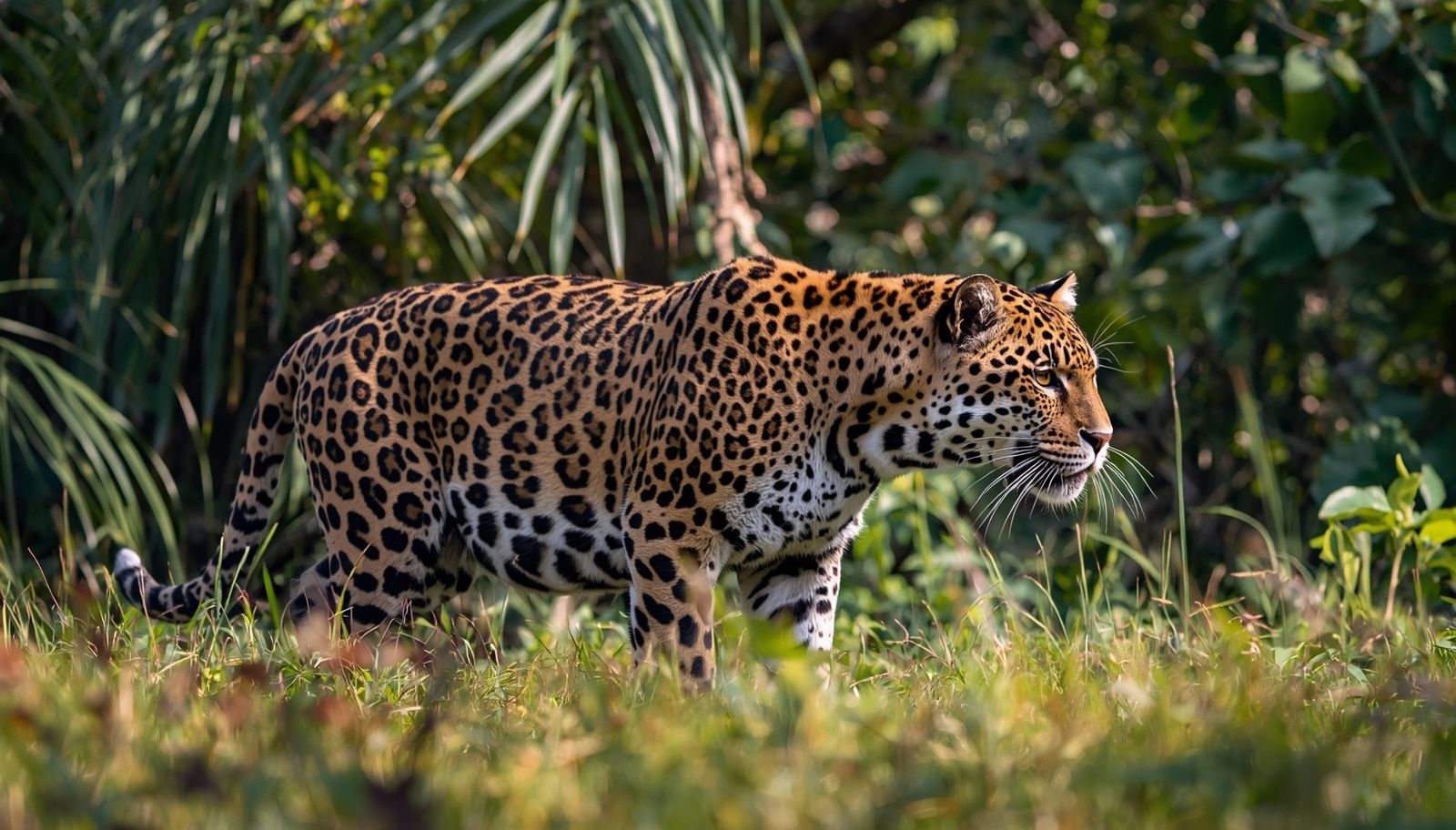 Jaguar is the apex predator in the rainforest
The value of rainforests extends far beyond their ability to nurture giant forms of life. First and foremost, they act as regulators of the Earth’s climate. Through vast plant communities performing photosynthesis, rainforests absorb enormous amounts of carbon dioxide and release oxygen, playing an irreplaceable role in mitigating global warming and maintaining atmospheric balance.
Secondly, rainforests are central to the water cycle. Dense trees intercept rainfall and gradually release it, stabilizing rivers and groundwater while reducing the extremes of floods and droughts. This “natural reservoir” function not only influences local conditions but, through atmospheric circulation, also shapes rainfall distribution across the globe.
Moreover, rainforests serve as a treasure trove of resources for humanity. Many medicinal compounds originate from rainforest plants, while the genetic diversity of insects and microorganisms may provide breakthroughs for future agriculture and biotechnology. The rainforest’s biodiversity functions as a vast “gene bank,” holding countless secrets still waiting to be uncovered.
Finally, rainforests embody cultural and spiritual value. Numerous Indigenous peoples have lived within them for generations, relying on their resources for sustenance and cultivating unique knowledge and traditions. For humanity, rainforests are not only natural resources but also an integral part of civilization itself.
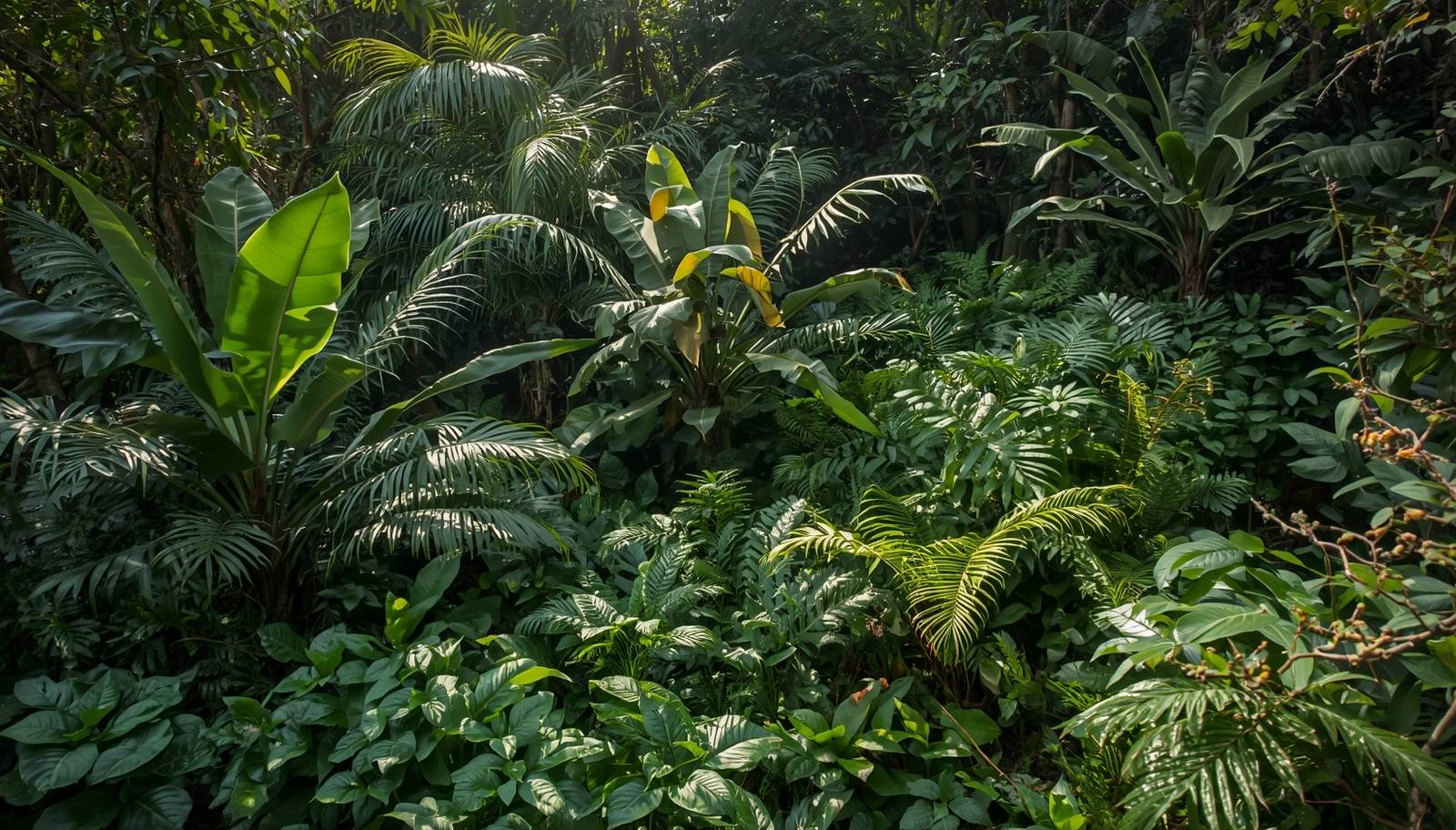 Rainforest plants have immense medicinal value
We leverage big data to bring you the most fascinating and mind-blowing trivia. Follow us for regular updates—prepare to be amazed while leveling up your knowledge.


Whether bizarre and fantastical events or ordinary, trivial matters, they all appear in our dreams. Some dreams are so vivid that we remember them clearly after waking, while others vanish instantly

The Sun we see every day brings us warmth, light, and vitality. Yet while we take it for granted, have we ever wondered why the Sun can continuously provide energy without end? Where does its

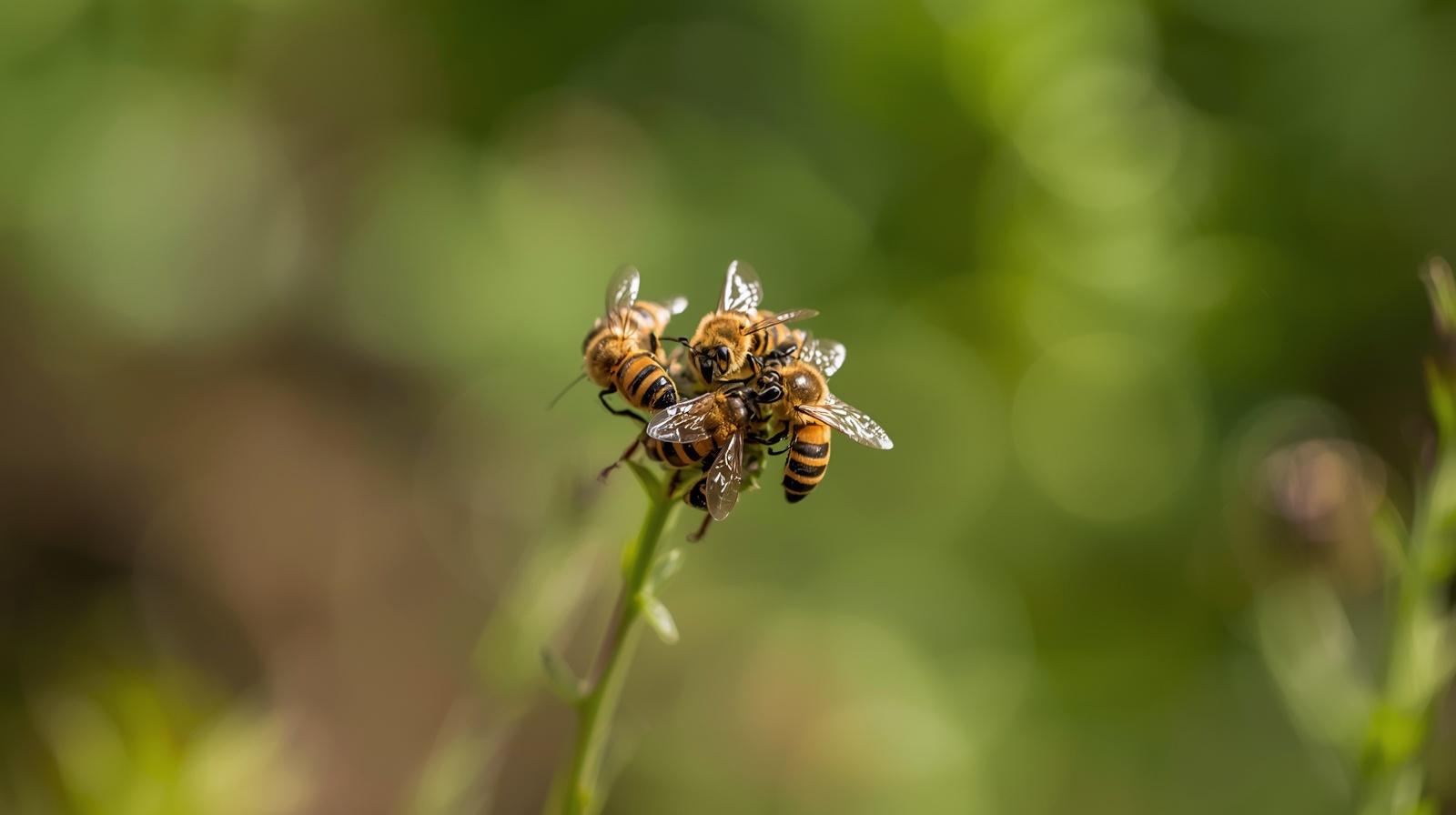
Bees are among the most familiar insects to humans. They flutter among flowers, collecting nectar, and often appear to embody diligence and charm. Yet behind this gentle exterior lies a harsh law of
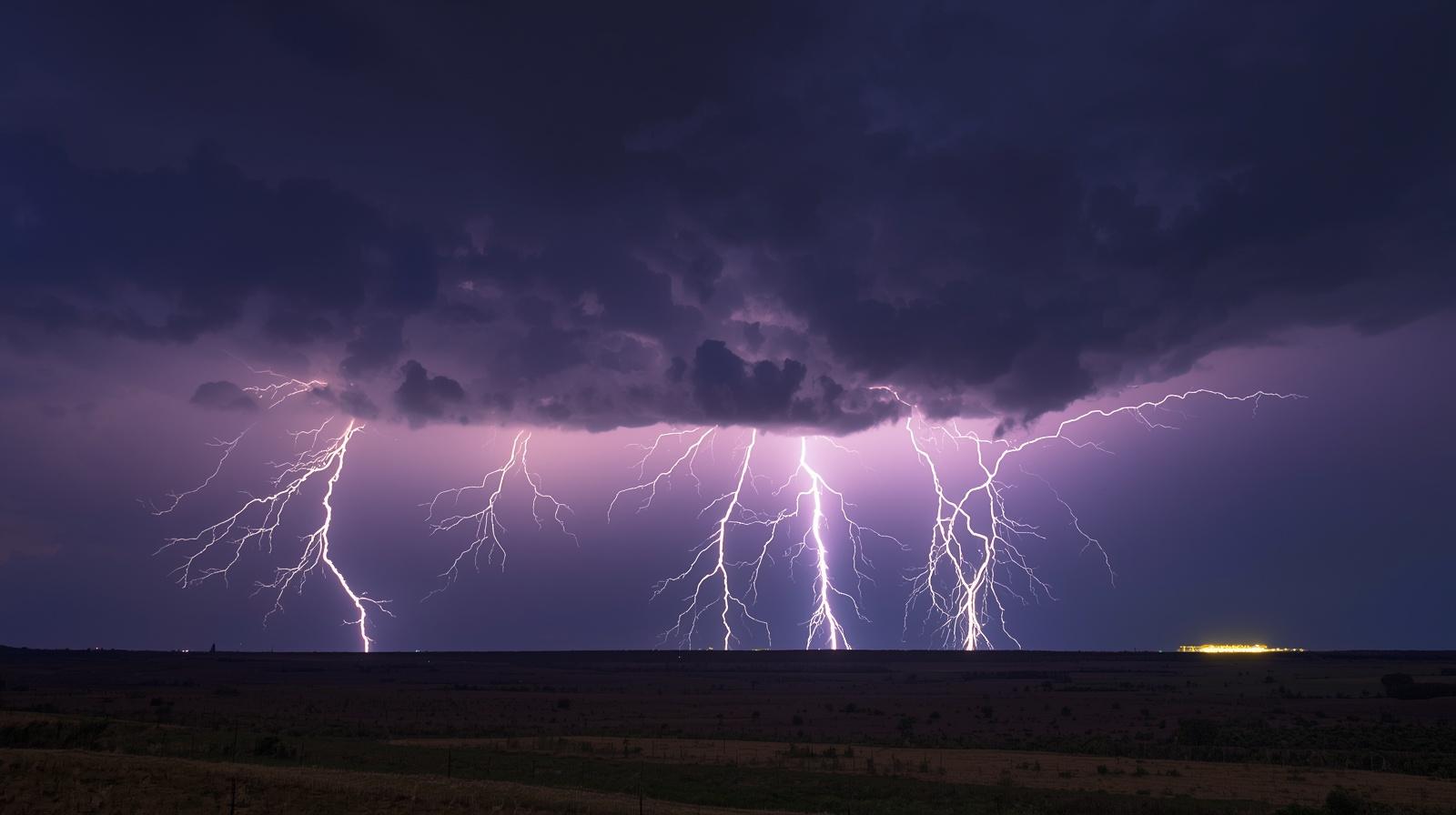
Lightning is a sudden and violent natural discharge phenomenon. It usually appears as a brilliant streak of light cutting across the sky, either between clouds or from cloud to ground. Its shape is
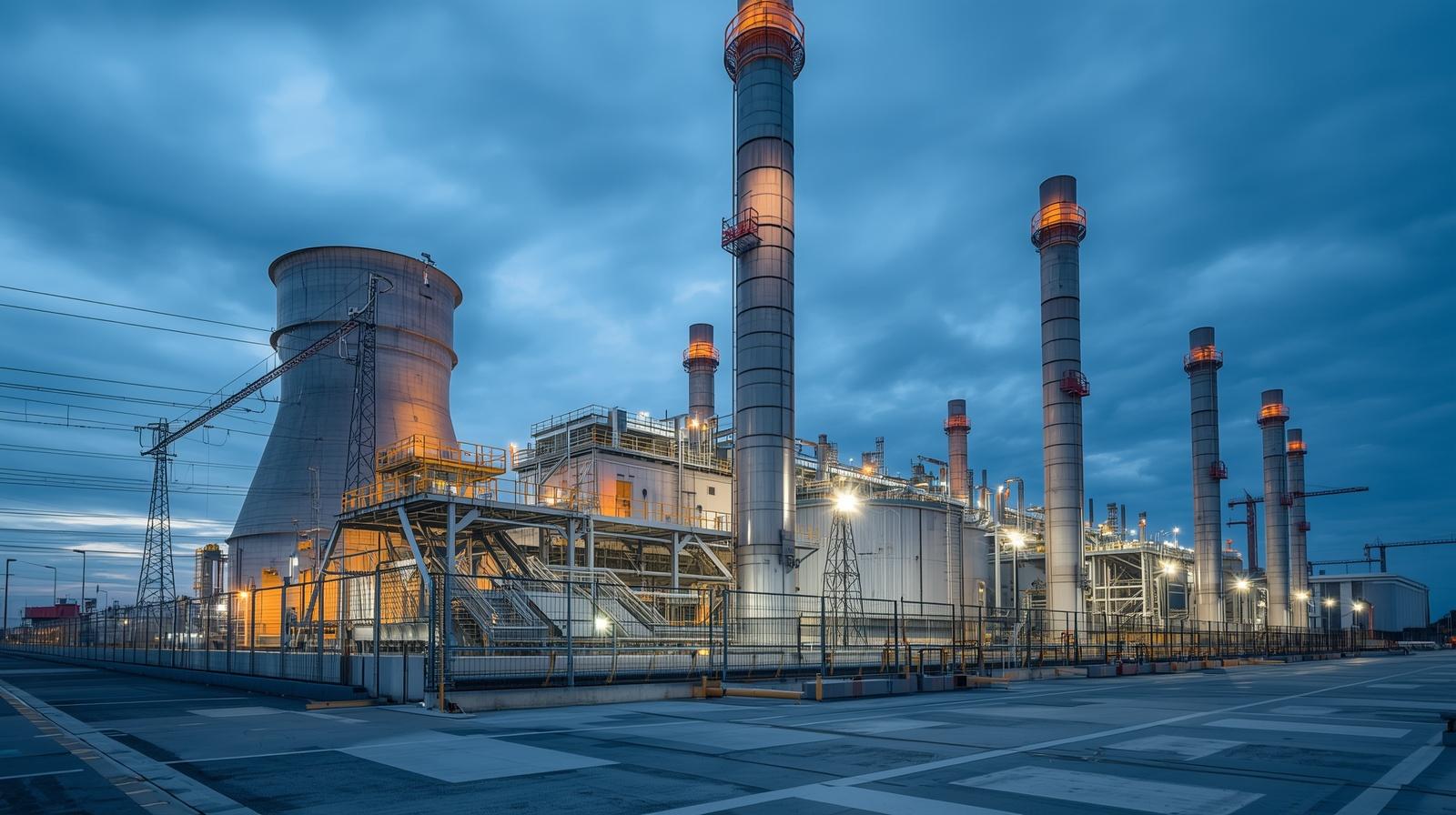
Throughout the course of human history, the spread of electricity has symbolized a leap in civilization. Its emergence not only provided an entirely new source of energy but also fundamentally
In our daily lives and studies, we often encounter situations where we forget things. It might be that we planned to bring something before leaving home but suddenly forgot, or that a piece of

Cancer often strikes fear because it is not merely a disease, but a force that can completely alter the course of a person’s life. Once someone is diagnosed, the focus of daily living shifts

The polar realms, shrouded in relentless cold and endless mystery, remain territories that most people will never set foot upon in their lifetime. The Antarctic and the Arctic lie at opposite ends of


Follow us for quirky updates, fun discoveries, and a front‑row seat to the weird and wonderful world we live in.