
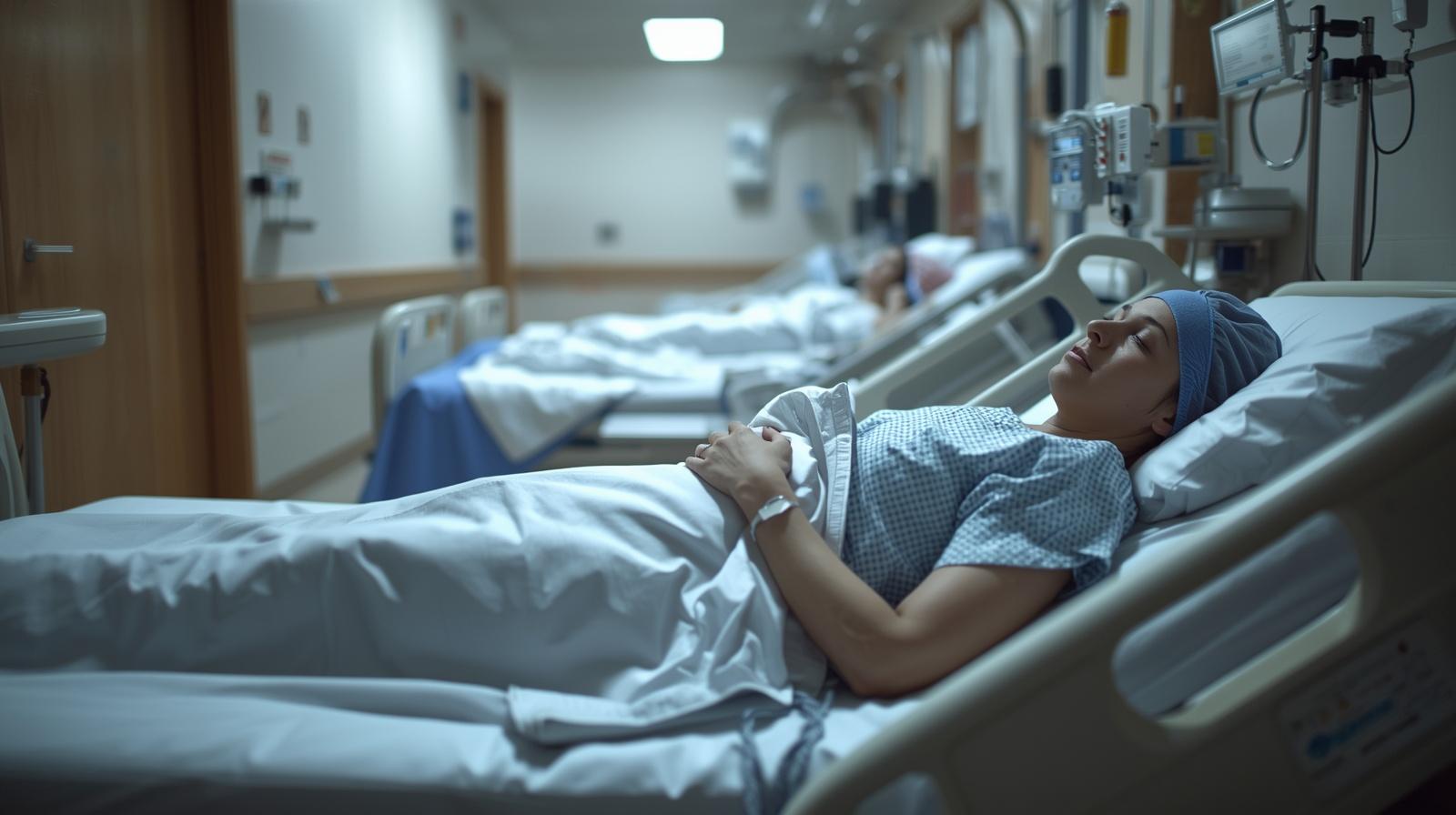
Cancer is often called humanity’s leading killer, a disease that strikes fear because of its profound impact on life. A diagnosis can turn a person’s world upside down, and in severe cases, it can be life‑threatening. So what are the early warning signs of cancer, why do cancer cells arise, and how is cancer treated today?
The human body is made up of countless cells. Under normal circumstances, cells divide and grow in an orderly way to repair and renew tissues. But genetic mutations—caused by heredity, unhealthy lifestyle habits, frequent exposure to carcinogens, or obesity—can disrupt this balance. At its core, cancer is the uncontrolled growth of cells after mutations accumulate. Benign tumors grow slowly and do not invade surrounding tissues, while malignant tumors can destroy nearby organs and spread through the blood or lymphatic system to distant sites such as the lungs, liver, or bones. This ability to metastasize is what makes cancer so deadly.
Although cancer cells originate from the body’s own cells, they can alter surface antigens or release suppressive factors to evade the immune system. As they spread, organ function is gradually eroded, potentially leading to failure and creating a vicious cycle. Clinically, doctors describe cancer severity in “stages,” based on tumor size, lymph node involvement, and whether distant metastasis has occurred.
Cancer can begin in any part of the body, since all tissues are made of cells. Symptoms vary depending on the organ affected, so early warning signs are not uniform. In general, persistent or unexplained symptoms such as chronic pain, blood in the stool or changes in bowel habits, unusual fatigue, rapid weight loss, prolonged coughing or coughing up blood, or the discovery of abnormal lumps should raise concern. These signs do not always mean cancer, but if they persist, medical consultation is essential to rule out or confirm the cause.
The danger of cancer lies in its subtle onset. By the time symptoms become obvious, the disease may already have spread. Early detection usually means the tumor is still localized, making treatment simpler and recovery more likely. In contrast, late‑stage cancer often involves metastasis, greatly increasing treatment difficulty. This is why regular check‑ups and attention to bodily changes are so important.
Treating cancer is a long and arduous battle. Physicians tailor treatment plans based on the type and stage of cancer, often combining multiple approaches to maximize effectiveness and reduce recurrence. Major treatment methods include:
No single treatment suffices; therapies must be combined and adapted to each patient’s condition. Early‑stage cancers are often managed with surgery plus chemotherapy or radiation, while advanced cancers may rely on targeted and immunotherapies to extend survival and improve quality of life. Beyond the medical challenge, cancer treatment is also a test of psychological resilience and physical endurance, making family and social support vital.
Because not all therapies suit every patient, thorough evaluation—including imaging, pathology, and genetic testing—is essential before treatment begins. Advances in medical science have significantly improved survival rates for certain cancers, transforming some once‑terminal diagnoses into treatable conditions. Yet cancer remains one of the leading causes of death worldwide, and treatment demands immense financial and personal resources.
Ultimately, prevention is wiser than cure. Maintaining a balanced diet, regular exercise, avoiding smoking and excessive alcohol, minimizing exposure to carcinogens, and undergoing routine health screenings are effective ways to reduce cancer risk. A healthy lifestyle is the most prudent choice to safeguard long‑term well‑being.
We leverage big data to bring you the most fascinating and mind-blowing trivia. Follow us for regular updates—prepare to be amazed while leveling up your knowledge.



Many people have experienced hiccups—those sudden spasms that come in bursts and make us feel uncomfortable. If hiccups occur at the wrong moment, they can be quite embarrassing. So why do hiccups

Tattooing has been recorded since ancient times, often serving religious purposes, marking identity, or functioning as punishment. In more recent history, tattoos were also regarded as symbols of

Giant cruise ships, cargo vessels, and oil tankers may weigh hundreds of thousands of tons, yet they can still travel freely across the sea. By contrast, a stone with a volume and weight far smaller

In certain regions earthquakes occur often, while in others they are rare. What determines this difference? We know earthquakes are disasters that can cause loss of life and economic damage, but are

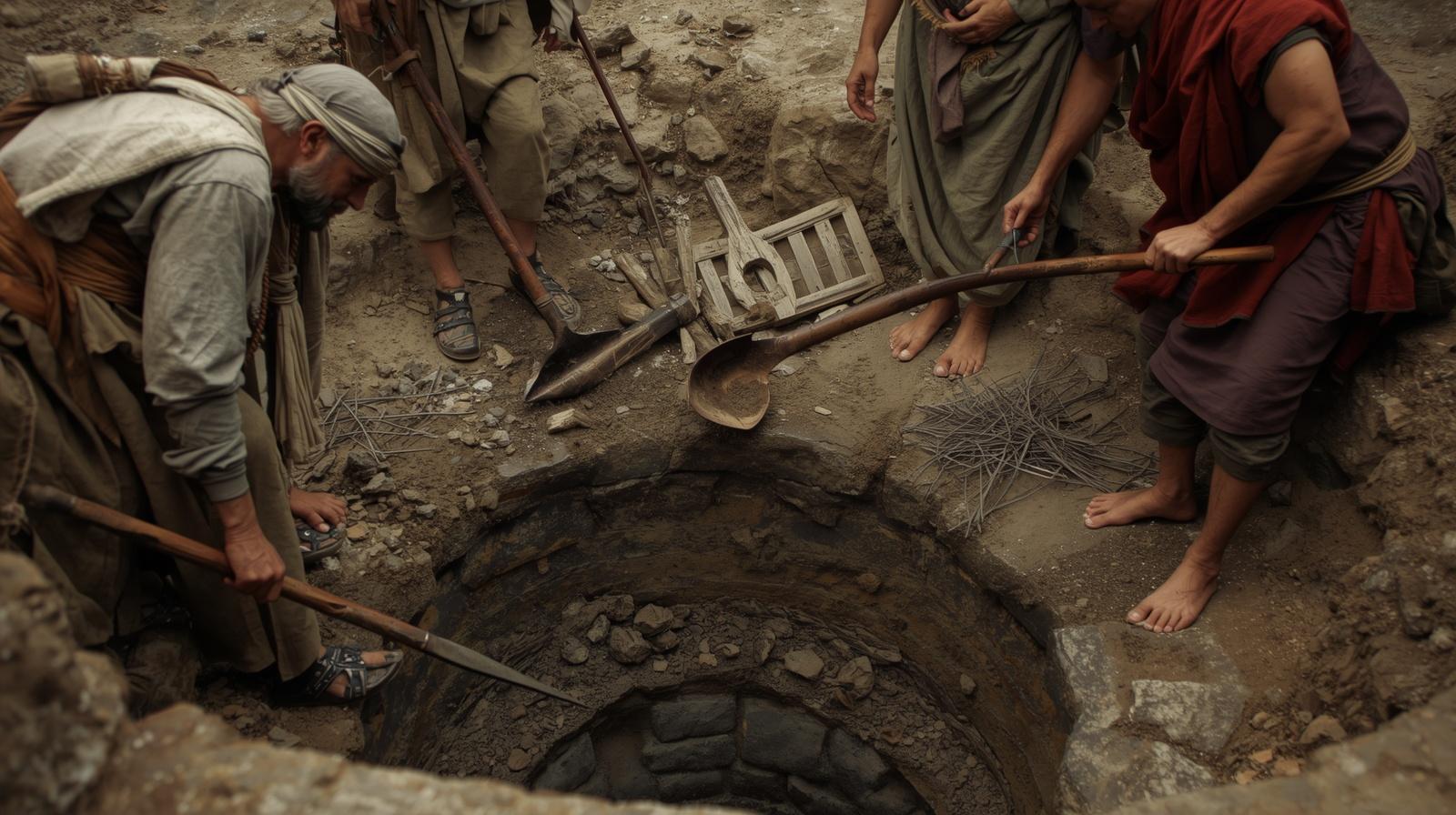
A well is one of humanity’s earliest water‑drawing facilities. Its primary function is to bring groundwater to the surface, supplying people with drinking water, irrigation, and everyday use. Because
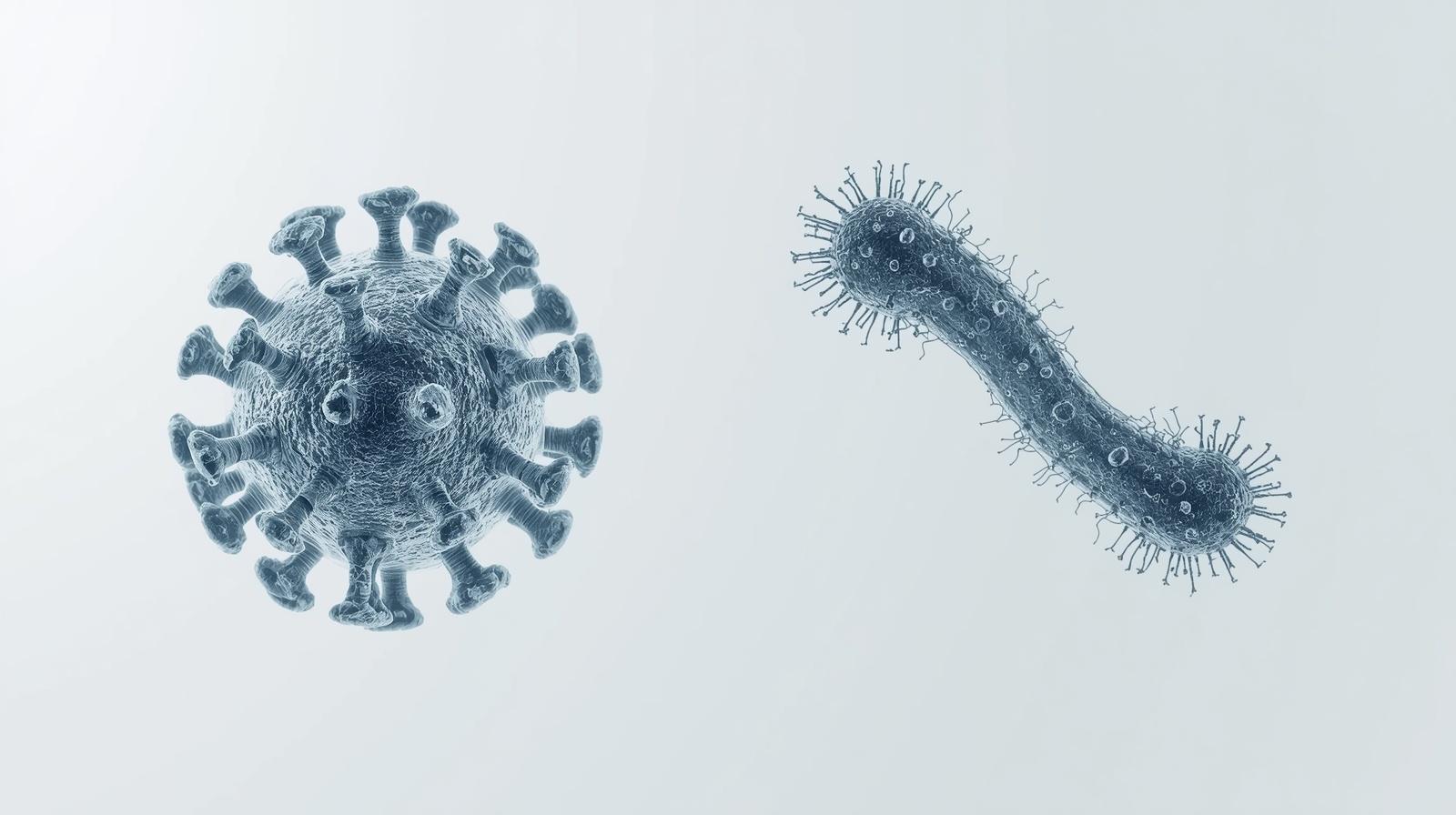
Many people tend to confuse “bacteria” and “viruses” when talking about them. Some believe that a common cold must be caused by a bacterial infection and that taking antibiotics will cure it; others
Alcohol has become almost indispensable in many cultures and social settings. Whether at workplace gatherings, dinners with friends, or even business negotiations, it often serves as a social

Durian, hailed as the “King of Fruits,” is renowned for its thick, spiky shell and its powerful aroma. Its appearance serves both as a natural defense and a sign of ripeness, while its distinctive



Follow us for quirky updates, fun discoveries, and a front‑row seat to the weird and wonderful world we live in.